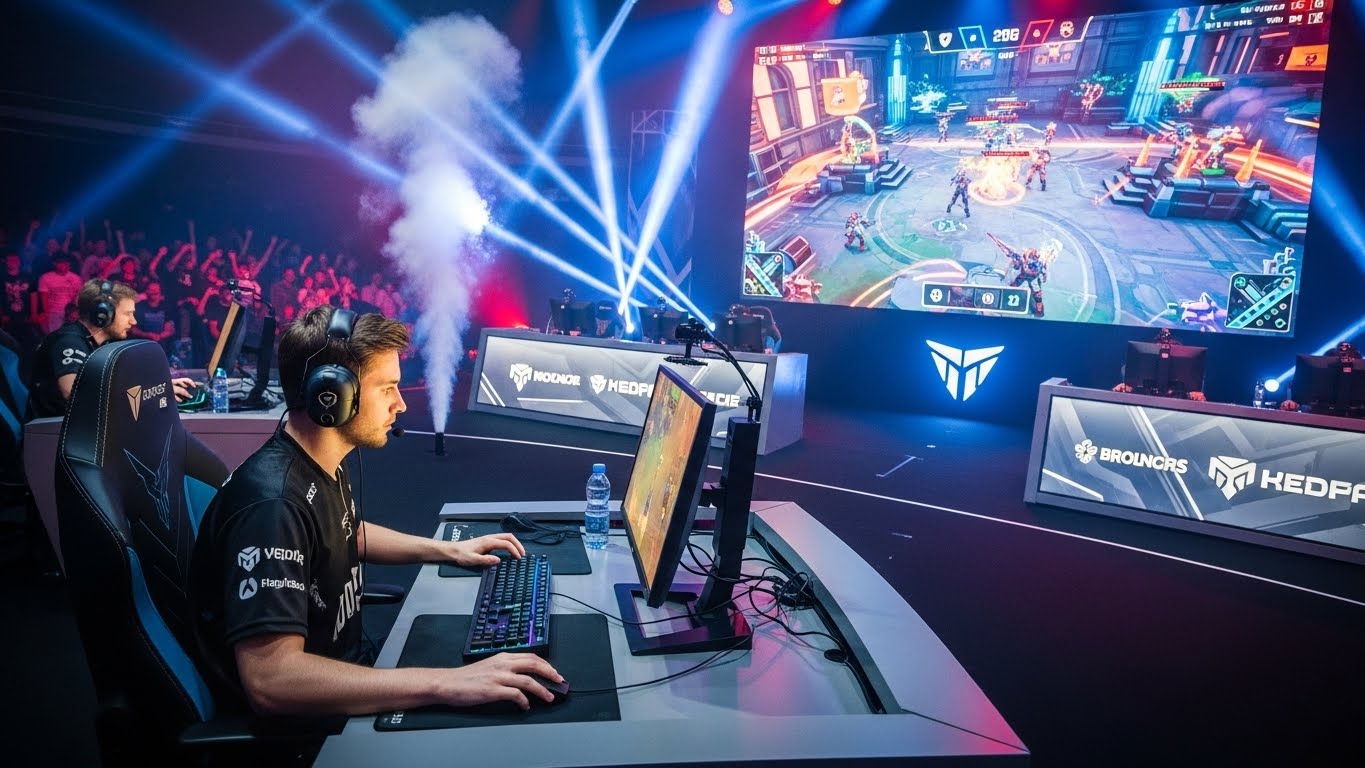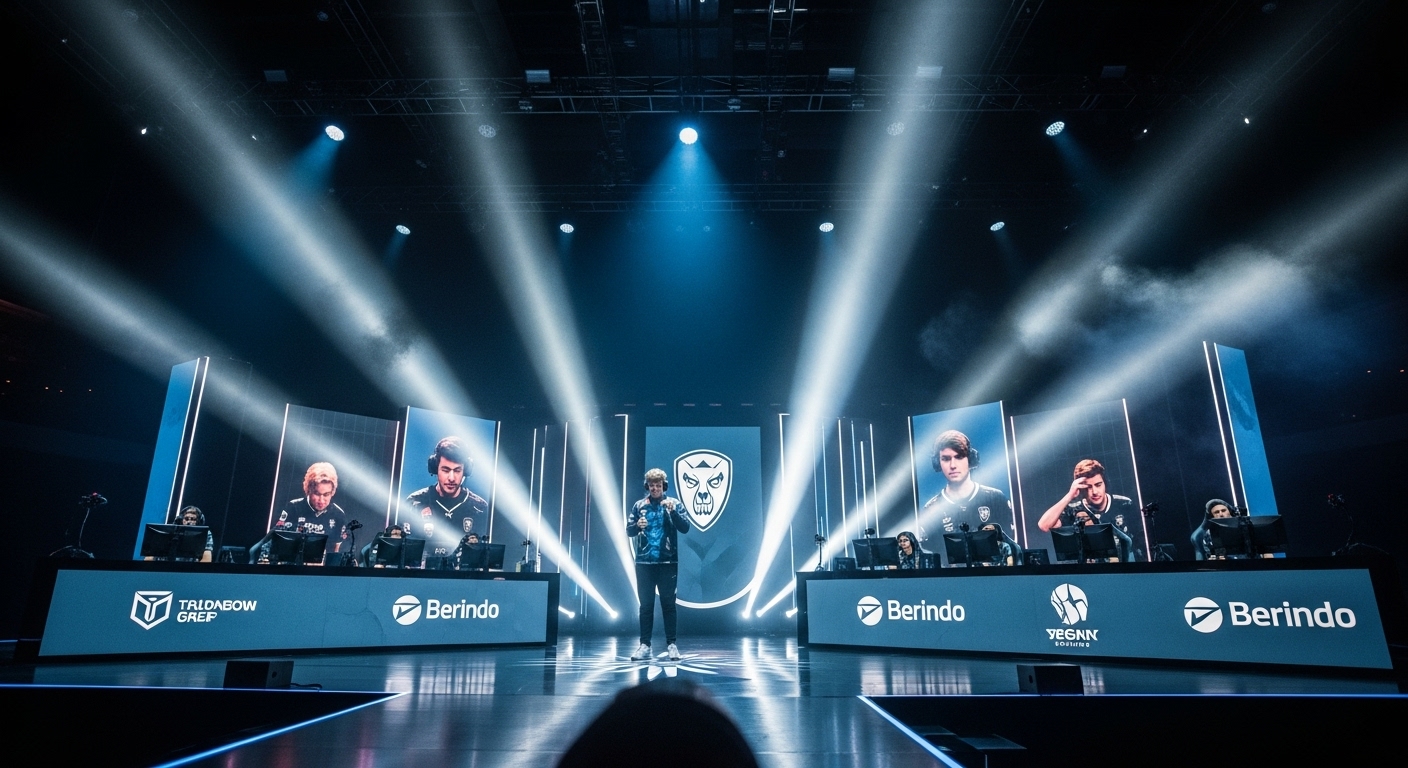

In the last decade, esports has transformed from a niche interest into a global entertainment powerhouse. Whether you’re a casual viewer or a hardcore gamer, the influence of esports is undeniable. Major tournaments attract millions of viewers, professional teams earn millions in sponsorships and prize money, and a thriving ecosystem has been built around these digital sports. But what exactly is esports, and why has it become such a powerful force in the world of entertainment? In this blog post, we’ll explore the explosive growth of esports, the factors driving its success, and its potential future.
What is Esports?
At its core, esports refers to organized video game competitions, often between professional players or teams. While casual gaming has been around for decades, esports differs in that it involves competitive play with the goal of winning tournaments, often with substantial prize pools. Esports is usually done in a team-based format, with players specializing in various roles depending on the game.
Esports spans multiple game genres, with first-person shooters (FPS) like Counter-Strike and Overwatch, multiplayer online battle arenas (MOBA) such as League of Legends, and real-time strategy (RTS) games like StarCraft II leading the charge. Players compete in regular tournaments, from small regional contests to massive international events, often streamed live to millions of fans across the globe.
The Evolution of Esports: From Hobby to Industry
Esports didn’t become a global phenomenon overnight. It has a rich history that dates back to the 1990s. Competitive gaming first gained traction with games like Street Fighter II and Quake, but it wasn’t until the early 2000s with games like Warcraft III and StarCraft that the concept of esports truly started to take form. These games introduced the idea of global competitions, with players competing for fame and prize money in international tournaments.
However, the real tipping point came in 2011 with the launch of Twitch, a streaming platform dedicated to video games. The accessibility of live-streaming changed everything, providing players and fans with an easy way to watch and interact with esports events. Over time, streaming platforms evolved into hubs for esports culture, and the rise of platforms like YouTube Gaming only further propelled esports into the mainstream.
By the mid-2010s, games like League of Legends, Dota 2, and Fortnite had begun to offer massive prize pools, attracting top-tier talent and large audiences. As sponsorships from global brands like Intel, Nike, and Coca-Cola poured in, esports became a serious business, creating lucrative careers for players, coaches, and analysts.
The Esports Ecosystem: Teams, Players, and the Competitive Spirit
At the heart of esports are the players and teams that compete for glory. These individuals dedicate their lives to mastering their games, spending countless hours practicing, analyzing strategies, and perfecting their skills. Being a professional esports athlete isn’t as casual as it may seem—it requires a level of commitment and precision on par with traditional sports.
Most esports competitions involve team-based gameplay, where players are grouped into teams and work together to outsmart and outplay their opponents. In games like Overwatch, League of Legends, or Valorant, teams must coordinate strategies, communicate efficiently, and adapt to rapidly changing circumstances within the game.
Esports also features a support system for players, including coaches, analysts, and managers. Coaches help guide teams through practice, ensuring that players improve individually and as a unit. Analysts study opponents’ play styles and come up with counter-strategies to gain an edge in upcoming matches. Managers oversee contracts, sponsorship deals, and other business operations, allowing players to focus on the game itself.
The Power of Esports Tournaments and Streaming
One of the most exciting aspects of esports is the tournaments. These events draw in millions of viewers and offer a platform for players to showcase their skills on a global stage. Major tournaments like The International (for Dota 2), the League of Legends World Championship, and the Fortnite World Cup offer multi-million-dollar prize pools and attract millions of fans worldwide. These tournaments are often broadcast live, with commentary and analysis, making it easy for viewers to follow along.
Streaming plays a pivotal role in the success of esports. Platforms like Twitch and YouTube Gaming allow fans to watch matches live, interact with their favorite streamers and teams, and even influence the gameplay through voting or donations. Unlike traditional sports broadcasts, streaming platforms allow fans to engage in real-time, creating a more interactive and personalized viewing experience.
In addition to tournaments, streaming also gives professional players and casual gamers alike the opportunity to build their personal brands. Many professional players have large followings on streaming platforms, where they engage with fans and broadcast their practice sessions, casual gameplay, or even “behind-the-scenes” content.
Sponsorships and the Business Side of Esports
Esports is a billion-dollar industry, and sponsorships are one of the key drivers of this revenue. Just like traditional sports, esports has attracted major brands that want to reach a younger, tech-savvy audience. Companies like Intel, Nvidia, Red Bull, and Razer sponsor teams, players, and tournaments, providing financial support, equipment, and visibility in exchange for exposure.
The growth of esports sponsorships has also led to the development of lucrative team organizations. These teams, often backed by investors or global brands, are structured similarly to traditional sports teams. They recruit players, sign contracts, and compete in various tournaments throughout the year. Successful teams can earn millions from sponsorship deals, tournament prize money, and media rights.
The rise of esports as a legitimate business has attracted investors looking to capitalize on the industry’s growth. Venture capital firms and large corporations are pouring money into esports organizations, infrastructure, and media rights, further propelling the industry forward.
The Future of Esports: Where Is It Headed?
The future of esports looks incredibly promising. As technology continues to advance, so too will the possibilities for esports competitions and fan engagement. The integration of virtual reality (VR) and augmented reality (AR) could offer a whole new way to experience esports, allowing fans to immerse themselves in a game or interact with players in real-time.
Additionally, esports is starting to gain recognition from traditional sports leagues. There’s already talk about Olympic inclusion, with some advocates arguing that esports should be considered for future Olympic Games. As esports gains legitimacy, it may eventually be recognized as a formal sport, earning a place alongside traditional athletic events on a global stage.
Furthermore, the growth of esports education is a key trend. Universities around the world are offering scholarships and degree programs in esports management, broadcasting, and player development. This educational infrastructure will help cultivate the next generation of esports professionals, from players to analysts to event organizers.
Finally, the growing inclusivity of esports is another exciting development. Unlike traditional sports, esports doesn’t have physical barriers that might exclude certain groups. As a result, we’ve seen a rise in female gamers and players from diverse backgrounds entering professional competitions, making esports one of the most inclusive competitive arenas in the world.
Conclusion: The Ever-Expanding World of Esports
Esports is no longer just a pastime for a small community of gamers—it’s a global entertainment phenomenon that’s here to stay. The rise of professional gaming, the explosion of streaming, and the influx of sponsorships have transformed esports into a legitimate industry worth billions of dollars. With its diverse game genres, passionate fanbase, and growing mainstream acceptance, esports is on track to become a dominant force in the world of entertainment.
The future of esports holds immense potential, from cutting-edge technology to Olympic recognition, and the industry’s growth shows no signs of slowing down. Whether you’re a competitive player, a fan, or someone interested in the business side of things, esports offers exciting opportunities that will only continue to expand.