Introduction to Esports
Over the past two decades, the global gaming industry has undergone a transformation unlike any other. From a hobby enjoyed by a small group of enthusiasts, video gaming has grown into a worldwide phenomenon that attracts millions of players and spectators. The most striking result of this evolution is the rise of esports — organized, competitive video gaming that mirrors traditional sports in many ways. Esports has become more than just a pastime; it is a cultural, social, and economic movement redefining entertainment for a new generation.
The Early Days of Competitive Gaming
The roots of esports can be traced back to the late 20th century when the idea of competing in video games began to take form. In the early 1980s, arcade competitions like the Space Invaders Championship attracted thousands of participants. These events were small and local, but they marked the beginning of something revolutionary. As technology advanced, so did the competitive aspect of gaming. The introduction of personal computers and gaming consoles allowed players to connect and compete beyond physical limitations.
The 1990s saw the emergence of organized tournaments for titles like Doom, Quake, and StarCraft. These games introduced elements of strategy, teamwork, and skill that elevated gaming from a casual activity to a serious competition. Players began forming teams, sponsors started to take interest, and small-scale leagues were established. By the end of the decade, esports had found its foundation, setting the stage for explosive growth in the 21st century.
The Technological Revolution and the Internet’s Role
No other factor has influenced esports as profoundly as the internet. The development of high-speed connectivity allowed players to compete across borders in real time. Online multiplayer games like Counter-Strike, Warcraft III, and Dota introduced the concept of international tournaments and professional leagues. Streaming platforms emerged, enabling fans to watch their favorite players from anywhere in the world.
Technology also improved the gaming experience itself. Graphics became more realistic, gameplay more fluid, and systems more responsive. Developers began designing games with competitive play in mind, balancing characters, maps, and mechanics to ensure fairness. This shift marked the official birth of esports as a recognized form of competition.
Esports as a Career Path
What was once considered a hobby is now a legitimate profession. Many young players aspire to become professional esports athletes, dedicating hours each day to practice and strategy. Unlike traditional sports that require physical prowess, esports emphasizes mental agility, quick reflexes, and teamwork. The top players earn impressive salaries, often supplemented by sponsorships, endorsements, and streaming revenue.
Teams and organizations operate much like traditional sports clubs, complete with coaches, analysts, and training facilities. Players undergo rigorous schedules, studying opponents and refining their techniques. Esports has created a new generation of celebrities who are admired not for their athletic ability but for their strategic thinking and gaming mastery.
Major Esports Titles and Genres
Esports encompasses a wide range of genres, each with its own dedicated fan base. The diversity of competitive games contributes to the industry’s vast reach.
One of the most prominent genres is Multiplayer Online Battle Arenas (MOBAs), represented by titles like Dota 2 and League of Legends. These games require strategic coordination among team members, making them favorites for large-scale tournaments.
First-Person Shooters (FPS) such as Counter-Strike: Global Offensive, Valorant, and Overwatch emphasize precision, reflexes, and team strategy. These titles dominate competitive circuits and are known for their intense matches and tactical depth.
Battle Royale games like Fortnite and PUBG revolutionized the esports scene by combining survival elements with high-intensity combat. Their massive player counts and fast-paced gameplay attract both casual and competitive gamers.
Sports simulation games such as FIFA and NBA 2K bridge the gap between traditional sports and gaming, offering fans of real-world sports a digital platform to compete.
Fighting games like Street Fighter, Tekken, and Super Smash Bros. also maintain a strong esports presence, emphasizing skill, timing, and precision.
Each genre contributes to the unique landscape of esports, ensuring that there is something for every kind of gamer and spectator.
Global Esports Tournaments and Events
The scale of modern esports events rivals that of major sporting championships. Tournaments like The International (for Dota 2), League of Legends World Championship, and the CS:GO Majors attract millions of viewers worldwide. Prize pools reach into the tens of millions, demonstrating the industry’s financial power.
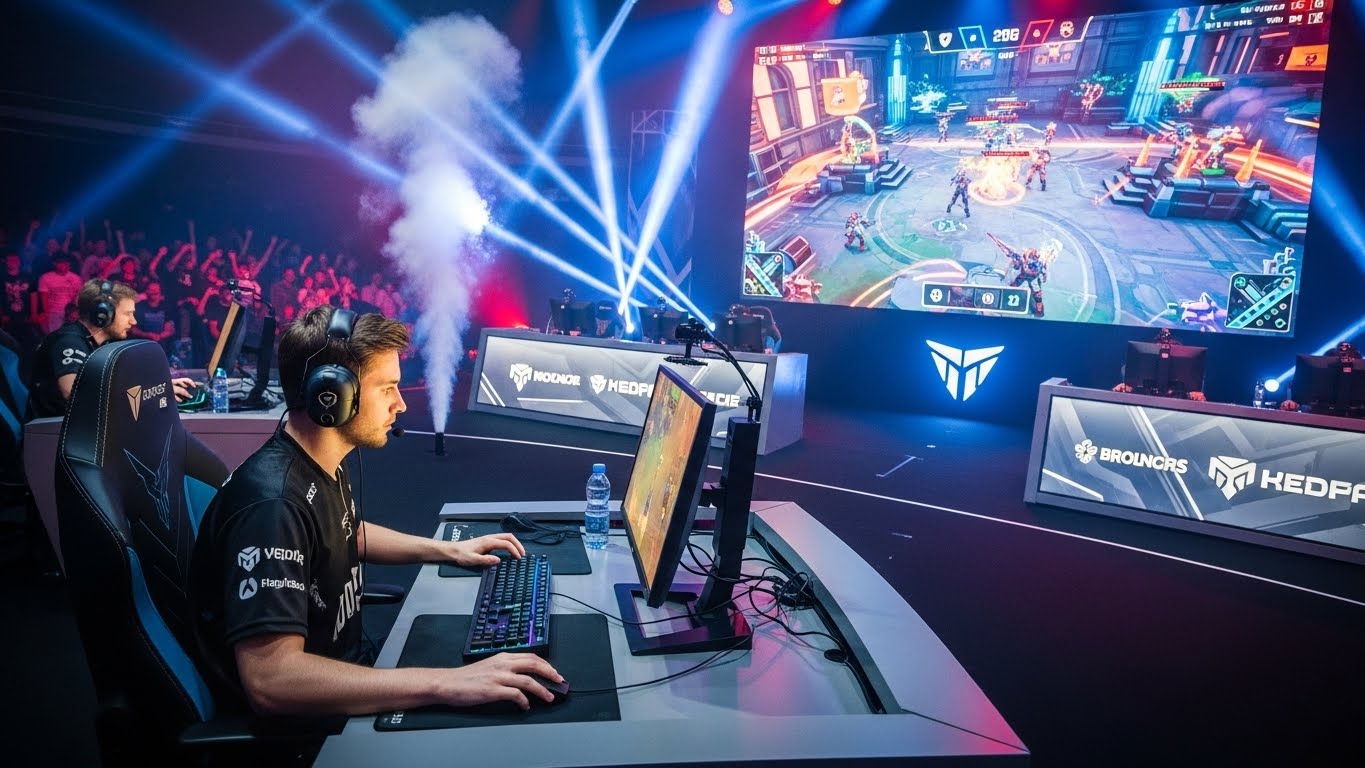
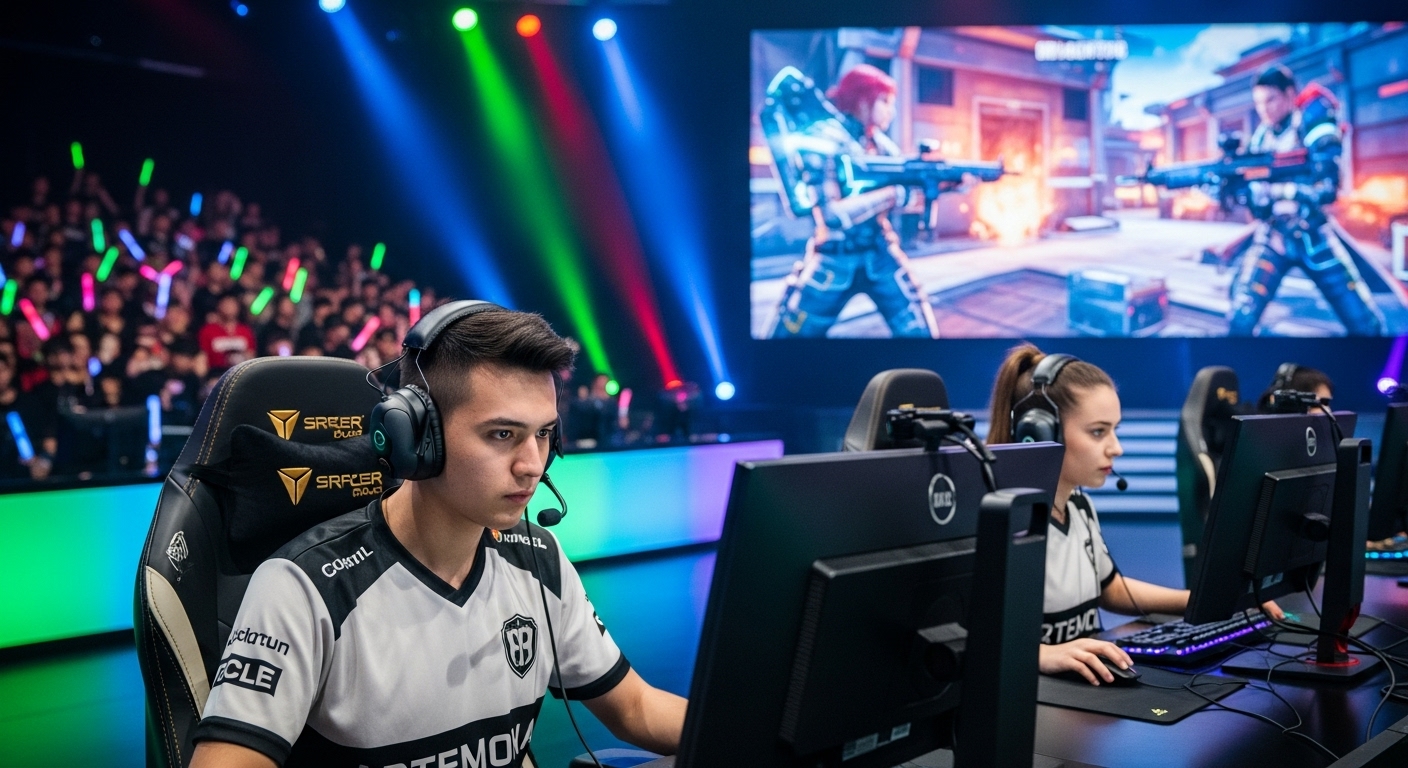
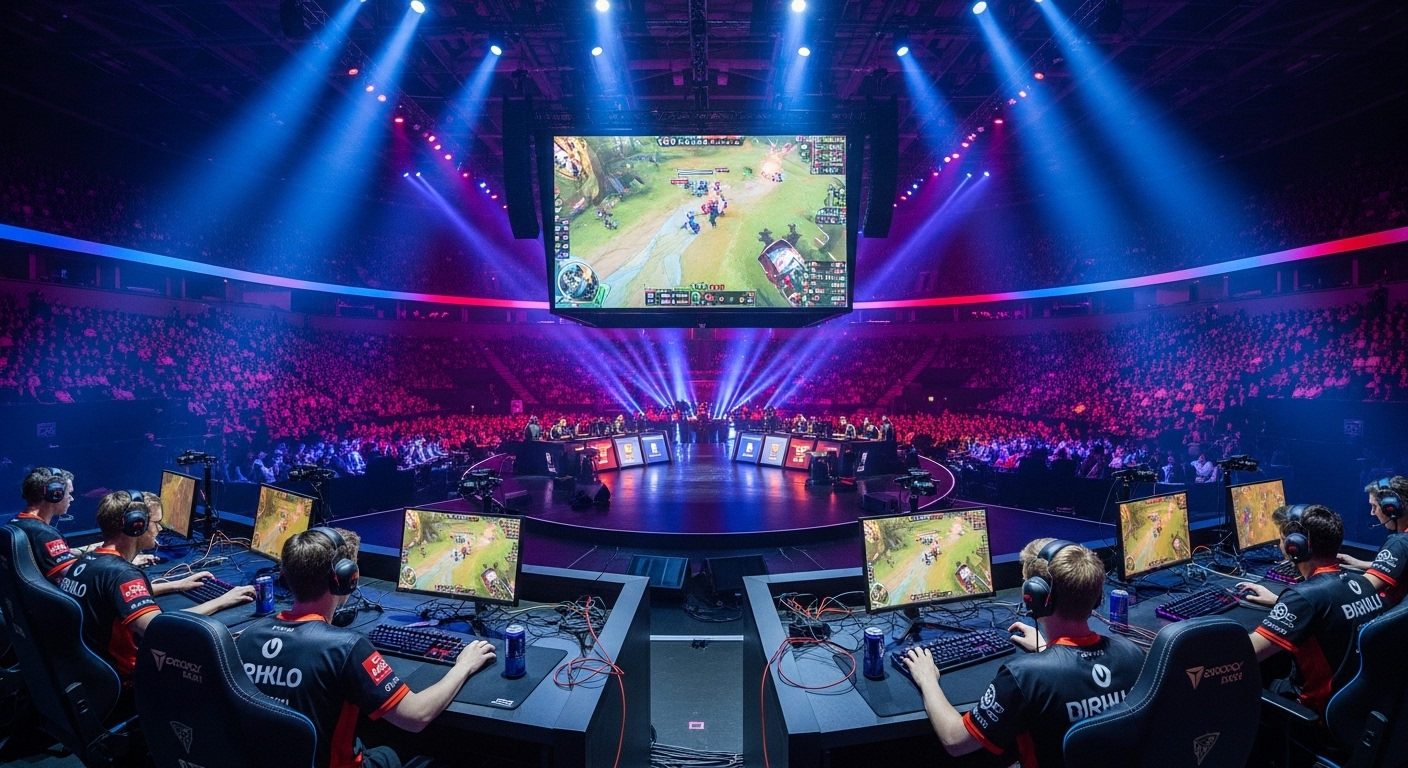
These tournaments are often hosted in large arenas, complete with elaborate stages, live commentary, and passionate crowds. Fans wave team flags, cheer for their favorite players, and experience the same emotional highs and lows that one finds in traditional sports.
The success of these events also highlights the global nature of esports. Teams from North America, Europe, Asia, and beyond compete on equal footing. The diversity of players and audiences strengthens the sense of global community within the industry.
The Esports Ecosystem: Teams, Sponsors, and Media
Behind every successful tournament is a vast ecosystem that supports it. Professional teams are managed by organizations that handle everything from player contracts to marketing deals. Sponsors, including major tech companies and non-endemic brands, invest heavily in esports because of its young and engaged audience.
Streaming and broadcasting platforms have become vital components of the ecosystem. They provide accessibility, allowing fans to watch live matches, interviews, and commentary. This accessibility has made esports one of the most-viewed forms of entertainment on digital platforms.
Media coverage and social media interaction also play essential roles. Esports journalists, analysts, and influencers shape public perception and keep fans informed about industry developments.
Esports and Traditional Sports: A Growing Relationship
While esports and traditional sports may seem worlds apart, they share many similarities. Both require discipline, strategy, teamwork, and competitive spirit. In recent years, traditional sports organizations have started investing in esports. Football clubs, basketball teams, and even Formula 1 organizations have launched their own esports divisions.
This partnership benefits both sides. Esports gains legitimacy and access to established fan bases, while traditional sports tap into younger audiences who prefer digital entertainment. The merging of these worlds illustrates how competition and passion can transcend physical boundaries.
Cultural Impact of Esports
Esports is not merely a competition; it is a cultural force that influences how people socialize, communicate, and express themselves. Gaming communities have become social hubs where friendships are formed across continents. Esports fandom has its own culture — chants, memes, and iconic moments that define the collective identity of fans.
Moreover, esports challenges outdated stereotypes about gaming being an isolated or unproductive activity. It has proven to be a medium that encourages teamwork, problem-solving, and creativity. Schools and universities now offer esports scholarships, recognizing it as a legitimate extracurricular pursuit.
Esports and Education
Educational institutions are increasingly embracing esports as part of their academic and extracurricular programs. Universities across the world now offer degrees and courses in esports management, game design, and digital marketing. Students learn not just about playing games but also about event organization, team management, and broadcasting.
Esports scholarships are also becoming common, encouraging talented players to pursue both education and gaming careers. This merging of academia and esports ensures a sustainable future for the industry by producing skilled professionals beyond the players themselves.
Women in Esports
One of the most encouraging developments in recent years has been the growing presence of women in esports. Although the industry has traditionally been male-dominated, women players, casters, and organizers are now making significant strides. Female-only tournaments and inclusive initiatives are helping to bridge the gender gap, promoting diversity and equality in gaming spaces.
The participation of women not only expands the player base but also enriches the cultural fabric of esports. Representation inspires more young girls to pursue gaming competitively, fostering a more inclusive and balanced environment.
The Business of Esports
From sponsorship deals to merchandising, esports has evolved into a multi-billion-dollar industry. Brands recognize the potential of reaching a tech-savvy audience that engages deeply with content. Esports merchandise, such as jerseys and gaming peripherals, has become a lucrative market segment.
Investors view esports as one of the most promising sectors in modern entertainment. Media rights, franchised leagues, and advertising revenue all contribute to the industry’s financial growth. Cities are even building dedicated esports arenas, acknowledging the economic benefits of hosting major tournaments.
Challenges Facing the Esports Industry
Despite its success, esports faces challenges that need addressing. Issues such as player burnout, inconsistent regulations, and the lack of standardized contracts are ongoing concerns. Mental health is another growing focus, as players often deal with immense pressure and demanding schedules.
Cheating, match-fixing, and doping controversies occasionally threaten the integrity of competitions. Ensuring fair play through better governance and transparency is essential for the industry’s credibility.
Additionally, the rapid expansion of esports means that maintaining sustainable growth is crucial. Over-commercialization or mismanagement could lead to instability, as has happened in other entertainment sectors.
The Future of Esports
Looking ahead, the future of esports appears brighter than ever. Advancements in technology such as virtual reality, augmented reality, and artificial intelligence are expected to enhance both player experience and spectator engagement. The integration of blockchain could revolutionize digital ownership and prize distribution.
Esports will continue to expand geographically, with emerging regions contributing to the global scene. As infrastructure improves in developing countries, new talent pools will rise, further diversifying the competition.
Education, inclusivity, and sustainability will likely become the core pillars guiding future development. Esports is on track to become one of the defining cultural and economic movements of the 21st century.
Conclusion
Esports is more than just gaming; it is a celebration of human skill, technology, and global connection. What began as small gatherings of passionate players has grown into a global spectacle watched by millions. It unites people across languages, cultures, and continents through shared passion and digital competition.
As we move deeper into the digital age, esports stands as a testament to how entertainment, technology, and community can merge to create something truly extraordinary. Whether one is a player, a fan, or an industry professional, the world of esports offers endless opportunities to connect, compete, and create.
In every sense, esports is not merely the future of gaming — it is the future of sports itself.