Introduction: The Rise of Esports
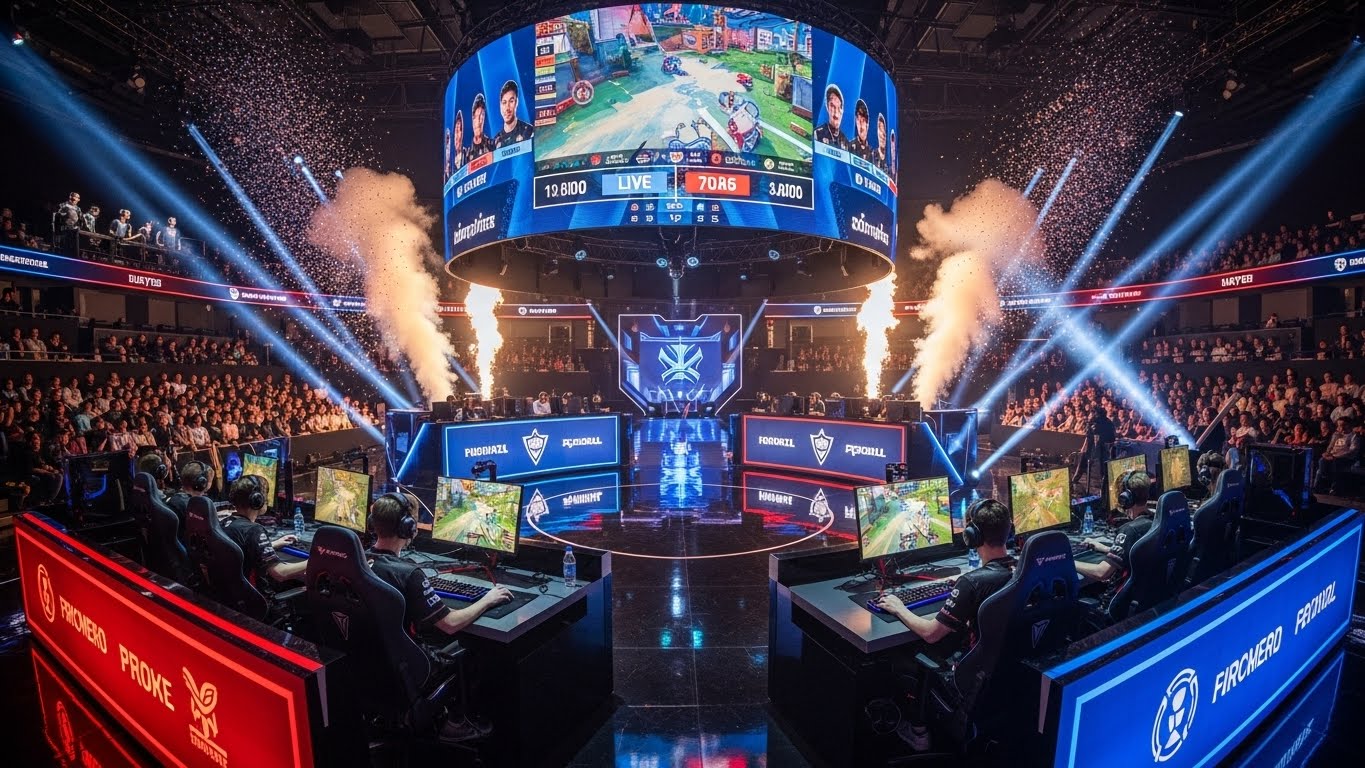
Esports, or electronic sports, has grown from a niche hobby into a global entertainment and professional phenomenon. What started as informal competitions among friends playing video games has evolved into an organized, multi-billion-dollar industry with professional leagues, international tournaments, and millions of fans worldwide. Competitive gaming now rivals traditional sports in terms of popularity, viewership, and economic impact. Esports combines skill, strategy, teamwork, and technology, creating a unique form of competition that appeals to players and spectators alike. This blog explores the history, evolution, and impact of esports, highlighting its cultural, technological, and economic significance.
The Origins of Competitive Gaming
The roots of esports can be traced back to the late 1970s and 1980s when video games first entered mainstream entertainment. Early arcade games like Pong, Space Invaders, and Pac-Man allowed players to compete for high scores, introducing the concept of competition to gaming. Arcades became social hubs where people not only played games but also developed strategies and rivalries. These early competitions were informal, but they laid the foundation for the organized esports culture that would emerge decades later.
During the 1990s, competitive gaming began to take a more structured form. Fighting games such as Street Fighter and Mortal Kombat, as well as strategy games like StarCraft, required skill, timing, and tactical thinking. These games attracted competitive communities and began to host local and national tournaments. Gaming magazines, local competitions, and early televised events documented these competitions, giving players recognition and establishing the first professional esports communities.
The Role of Online Gaming in Esports Growth
The advent of the internet revolutionized esports. Online multiplayer games allowed players from different regions to compete in real time, breaking down geographic barriers. Titles such as Counter-Strike, Warcraft III, and Dota 2 became the backbone of early online esports scenes, offering platforms for teamwork, strategy, and high-level skill demonstration.
Online forums, social media, and streaming platforms enabled players to share strategies, watch professional gameplay, and form teams. This global connectivity democratized competition, allowing talented players from any region to gain recognition. Online gaming created an ecosystem where players could build reputations, develop skills, and interact with international communities, further accelerating the professionalization of esports.
Professional Esports Leagues and Organizations
As competitive gaming expanded, professional leagues and organizations began to emerge. Games such as League of Legends, Dota 2, Overwatch, and Counter-Strike became central to professional esports, with structured leagues, official rankings, and international tournaments. Players signed contracts with teams, received salaries, and trained full time, establishing esports as a legitimate career path.
Esports organizations developed coaching staff, analysts, and managers to optimize player performance. Sponsorship deals from major brands provided financial support and recognition, further legitimizing the industry. The establishment of professional leagues created standardized rules, fair competition, and a pathway for talented players to progress from amateur to professional status.
Iconic Esports Titles and Their Impact
Certain games have played pivotal roles in shaping esports culture. League of Legends popularized team-based strategy and tactical coordination, hosting some of the largest competitive events globally. Its World Championship attracts millions of viewers and offers substantial prize pools, reflecting the scale of professional esports.
Dota 2 is renowned for its strategic complexity and massive tournament rewards, drawing top-tier talent and global attention. Counter-Strike emphasizes precision, teamwork, and split-second decision-making, making it a staple of first-person shooter competitions. Battle royale games like Fortnite introduced accessible formats that blend casual play with high-level competition, expanding esports’ reach. Each game cultivates a distinct culture, community, and competitive scene, contributing to the diversity of the esports ecosystem.
Streaming Platforms and Spectator Culture
Streaming platforms such as Twitch and YouTube Gaming have transformed esports into a spectator-driven phenomenon. Millions of viewers watch live tournaments, individual streams, and highlight reels daily. Streamers engage with their audiences directly, sharing gameplay insights, commentary, and personal experiences.
These platforms allow fans to interact with players, participate in discussions, and feel connected to the competitive scene. Streaming has democratized exposure, allowing amateur players to showcase their skills and gain recognition. The rise of streaming has turned esports into a mainstream entertainment industry, where spectatorship is as significant as participation.
Esports as a Professional Career
Professional esports players follow rigorous training schedules, often practicing eight to twelve hours daily. Training involves mastering game mechanics, strategy, teamwork, and communication. Physical fitness and mental health are equally important, as endurance and focus impact performance during long tournaments.
Professional teams employ coaches, analysts, and psychologists to ensure players remain competitive and maintain well-being. Top players earn salaries, sponsorship deals, and tournament winnings, making esports a sustainable career path. The lifestyle is demanding, but the combination of skill, strategy, and public recognition offers a unique professional opportunity.
Major International Tournaments
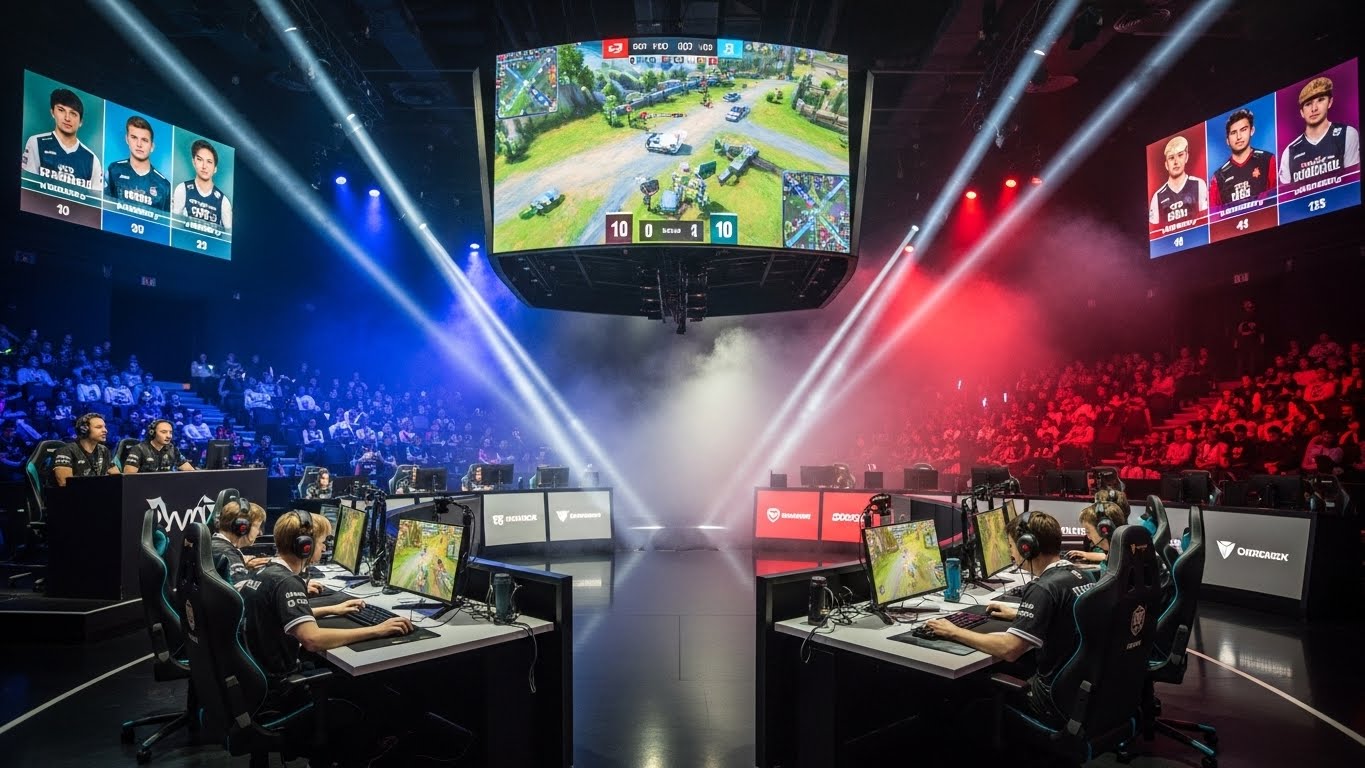
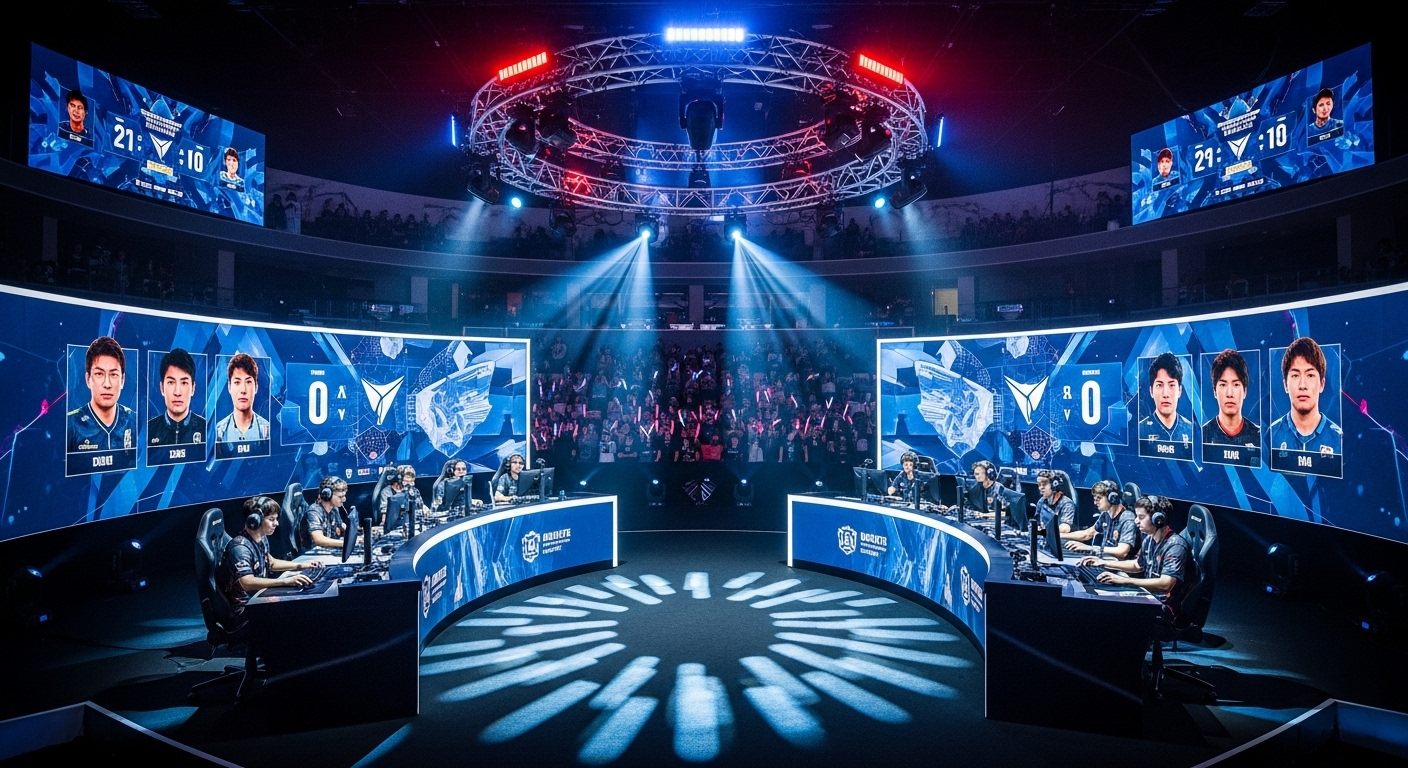
International esports tournaments are global spectacles. Events such as The International (Dota 2), League of Legends World Championship, and Fortnite World Cup attract millions of viewers and feature multi-million-dollar prize pools. These tournaments combine competitive gameplay with entertainment, production value, and fan engagement.
Tournaments create opportunities for emerging talent to gain visibility while fostering international communities. Fans from around the world connect through live streams, social media, and online discussions, reinforcing the global appeal of esports. These competitions have elevated esports to a cultural phenomenon, bridging geographic and cultural divides.
Esports and Traditional Sports: Convergence and Comparison
Esports shares many elements with traditional sports, including teamwork, strategy, coaching, and competition under pressure. Professional leagues operate like sports franchises, with structured teams, contracts, and sponsorship deals. Universities offer esports scholarships, and some countries officially recognize esports as a sport.
Players face similar pressures to athletes, including performance expectations, public scrutiny, and the need for mental resilience. Physical conditioning, reflexes, and strategy are essential for sustained success. While esports emphasizes digital skills over physical athleticism, it challenges conventional definitions of sports and competitive excellence.
Cultural Impact of Esports
Esports has become a cultural force influencing fashion, music, and digital entertainment trends. Iconic players, memorable matches, and legendary plays transcend gaming communities to influence mainstream media. Fans contribute creatively through cosplay, fan art, and streaming content, forming vibrant communities around their favorite games and players.
Esports connects people across generations and cultures, demonstrating the power of digital media to unite diverse audiences. Its cultural significance extends beyond gaming, shaping broader entertainment and social experiences.
Technological Innovations Driving Esports
Technology underpins the growth of esports. High-performance computers, gaming peripherals, and low-latency internet connections ensure fair and competitive gameplay. Streaming technologies allow real-time broadcasting to millions of viewers, while analytics tools assist teams in optimizing strategy and performance.
Artificial intelligence is increasingly used for performance analysis, predicting trends, and enhancing user experiences. Virtual and augmented reality are beginning to create immersive esports experiences, making spectatorship and participation more interactive. Technological innovation ensures esports remains dynamic, engaging, and continually evolving.
Health and Well-Being in Esports
The professional demands of esports require attention to mental and physical health. Long hours of practice can cause eye strain, posture issues, and repetitive stress injuries. Mental health challenges, including stress, anxiety, and burnout, are also common.
Teams now employ psychologists, fitness coaches, and nutritionists to maintain player well-being. Physical training improves reflexes, endurance, and posture, while mental health support ensures players can manage competitive pressure. This holistic approach mirrors professional sports practices, emphasizing sustainable performance and long-term health.
Economic Significance of Esports
Esports is a multi-billion-dollar global industry with diverse revenue streams, including sponsorships, advertising, ticket sales, merchandising, and media rights. Corporations view esports as a gateway to younger, tech-savvy audiences, leading to strategic brand partnerships.
Franchised teams, content creation, and international tournaments contribute to employment opportunities, technological development, and economic growth. The industry’s financial success reflects the legitimacy of esports and its potential as a sustainable, globally impactful sector.
Esports in Education
Educational institutions are increasingly incorporating esports into programs and curricula. Universities offer scholarships, competitive teams, and academic courses in esports management, broadcasting, and game development. Participation fosters teamwork, strategic thinking, and technological literacy, preparing students for careers in gaming, media, and technology.
Academic programs provide opportunities beyond professional play, including roles in management, broadcasting, marketing, and content creation. Integrating esports into education legitimizes the industry while nurturing the next generation of professionals.
Challenges Facing Esports
Despite rapid growth, esports faces challenges including regulatory frameworks, player welfare, and competitive integrity. Cheating, match-fixing, and online toxicity threaten the credibility of competitive play. Public perception in some regions continues to view esports as entertainment rather than a serious profession.
Maintaining a balance between professionalization, community engagement, and innovation is essential. Addressing these challenges requires clear regulations, ethical practices, and education to support sustainable industry growth.
The Future of Esports
The future of esports is shaped by technological innovation, global expansion, and cross-industry integration. Virtual reality, cloud gaming, artificial intelligence, and 5G connectivity will enhance gameplay, training, and audience engagement. International leagues and cross-platform competitions will continue to grow, attracting new participants and viewers.
Collaboration with traditional sports and integration into mainstream media will further elevate esports’ status. Education, corporate investment, and technological development will ensure esports remains a central pillar of global digital entertainment.
Conclusion: Esports as a Cultural and Competitive Force
Esports has transformed from informal arcade competitions to a professional, global, and culturally significant industry. It challenges traditional notions of sports, celebrates skill and strategy, and connects communities worldwide. Technology, creativity, and global participation drive its continued growth, positioning esports as the future of interactive competition and entertainment.
For players, esports offers careers, recognition, and personal achievement. For fans, it provides excitement, community, and cultural engagement. Esports is more than gaming; it is a testament to human skill, innovation, and passion in the digital era. It has redefined competition and created a space where talent, strategy, and entertainment intersect.