
Esports has emerged as one of the most transformative developments in modern entertainment. What began as informal gatherings of friends playing video games has grown into a global industry attracting millions of viewers, professional players, and corporate sponsorships. The rise of esports represents a convergence of technology, entertainment, skill, and competition, proving that video gaming is no longer just a pastime—it is a professional and cultural phenomenon.
Esports is a unique form of competition. It merges strategic thinking, reflexes, teamwork, and storytelling into a medium that captivates audiences worldwide. The ecosystem surrounding esports includes professional leagues, tournaments, streaming platforms, sponsorship deals, content creators, and a devoted fanbase, creating a complex yet vibrant industry that rivals traditional sports in engagement and influence.
The Early Days of Competitive Gaming
Competitive gaming has roots dating back to the late 1970s and early 1980s. Games like Space Invaders, Pac-Man, and Donkey Kong sparked interest in informal competitions, often held in arcades where players vied for high scores and local recognition. These early contests laid the groundwork for structured competitive play and introduced the idea that video games could be more than entertainment—they could be a challenge with prestige and community.
With the introduction of home computers and consoles in the 1980s and 1990s, gaming became widely accessible. Titles such as Street Fighter, Mortal Kombat, StarCraft, and Counter-Strike fostered competitive communities. Players formed teams, developed strategies, and participated in tournaments, often organized by local communities or gaming clubs. Early online forums and magazines provided spaces for sharing strategies, discussing gameplay, and building competitive networks, laying the foundation for esports culture.
The expansion of the internet in the late 1990s revolutionized gaming. Online multiplayer games allowed players to compete across cities, countries, and continents, transforming gaming from a local activity into a global phenomenon. Early competitive leagues and online tournaments established rules, ranking systems, and structured competitions that continue to influence modern esports.
South Korea: The Birthplace of Professional Esports
South Korea played a pivotal role in transforming competitive gaming into a professional endeavor. During the late 1990s and early 2000s, StarCraft: Brood War became a national obsession. Tournaments were broadcast on television, players received sponsorships, and top competitors were treated like professional athletes.
Korean esports organizations set the standard for professionalism, introducing rigorous training schedules, coaching staff, and dedicated practice facilities. Players spent countless hours refining mechanics, studying strategies, and coordinating as teams. This model demonstrated that esports could be a legitimate career, paving the way for global professional adoption.
The Korean approach also emphasized the entertainment value of esports. Televised tournaments highlighted rivalries, dramatic storylines, and individual personalities, turning matches into compelling narratives that drew large audiences. This integration of competition and entertainment became a blueprint for modern esports worldwide.
Iconic Esports Titles and Their Impact
Several games have defined and shaped the esports industry, each bringing unique mechanics, strategies, and audiences.
League of Legends, developed by Riot Games, is among the most influential esports titles. With structured leagues, seasonal competitions, and a world championship, it has created a sustainable ecosystem for professional play. The game demands teamwork, strategy, and individual skill, offering engaging experiences for players and viewers alike.
Dota 2, created by Valve, is known for its strategic depth and massive prize pools. The International, its premier tournament, features multi-million-dollar prizes, attracting elite players and widespread media attention. Its complex gameplay encourages collaboration, strategy, and high-level decision-making, solidifying its position in competitive gaming.
Counter-Strike: Global Offensive remains a cornerstone in competitive first-person shooters. Precision, coordination, and tactical gameplay define its competitive scene. Tournaments range from small regional events to global championships, highlighting skill, teamwork, and audience engagement.
Other influential titles, such as Overwatch, Call of Duty, Fortnite, and Valorant, have expanded esports’ reach to diverse audiences. Each game contributes to the cultural richness of esports, providing unique gameplay experiences and competitive challenges.
The Spectacle of Esports Tournaments
Tournaments are the backbone of esports, providing structure, showcasing talent, and engaging audiences. Events range from local competitions to international championships with high production value, attracting thousands of spectators and millions of online viewers.
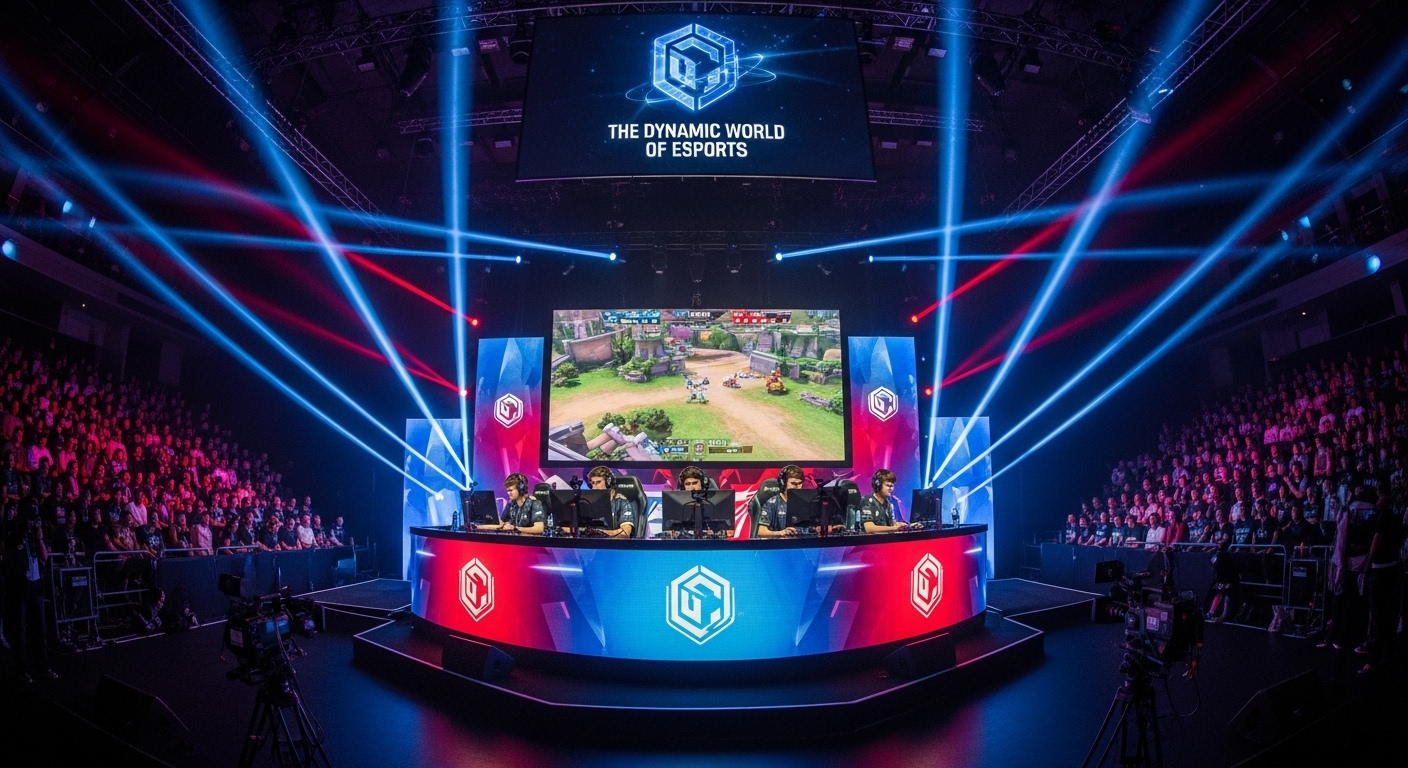
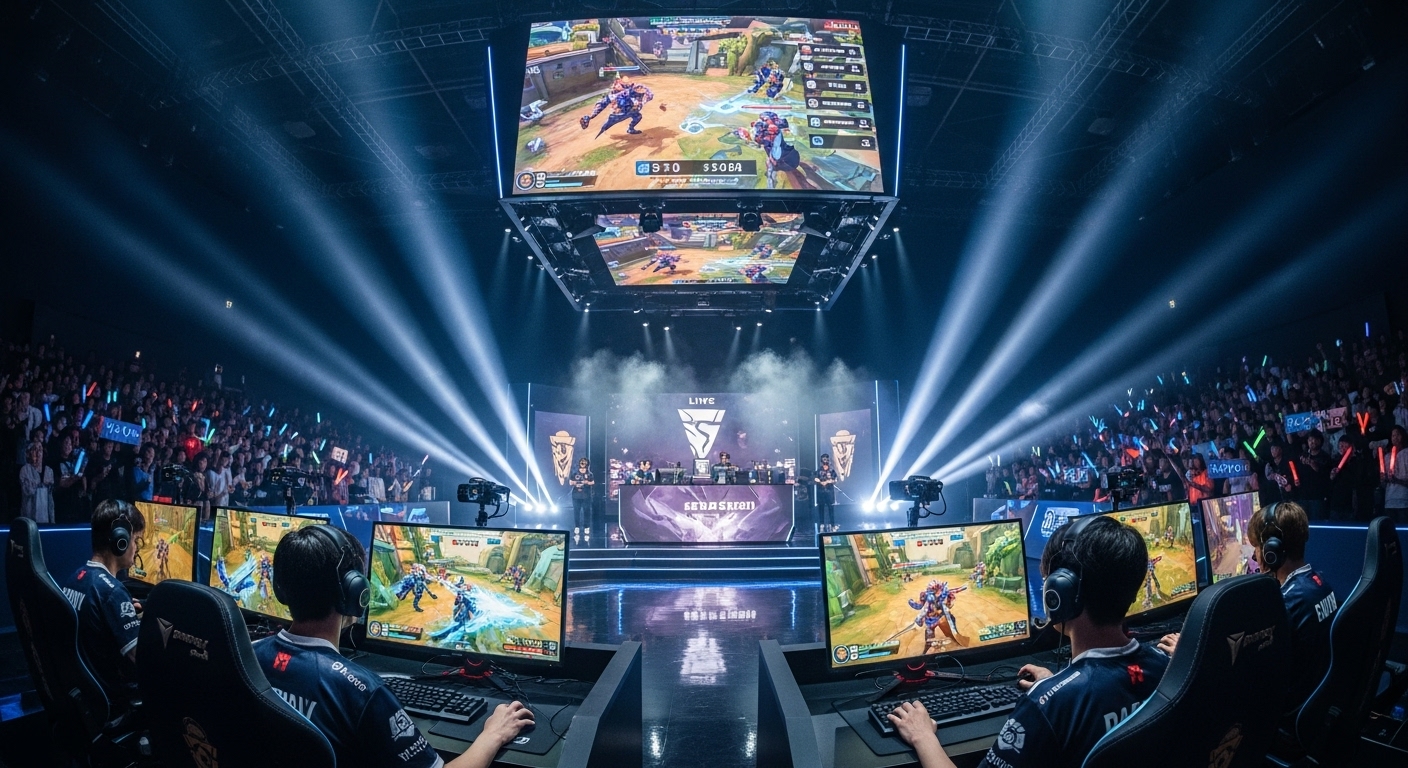
Modern tournaments rival traditional sports in scale and spectacle. Stadiums are packed with fans, stages feature elaborate visuals and lighting, and commentary enhances the drama and storytelling of matches. Streaming platforms allow global audiences to watch live, creating shared experiences that unite fans across continents.
Flagship tournaments like The International, League of Legends World Championship, and the Overwatch League Finals highlight the global impact of esports. Fans engage through live discussions, social media interaction, and community content, while players gain international recognition. These events demonstrate that esports is not only competitive but also a form of immersive entertainment.
Streaming and the Content Creation Revolution
Streaming has transformed esports into a mainstream entertainment medium. Platforms like Twitch, YouTube Gaming, and Facebook Gaming allow players to broadcast gameplay, interact with fans in real time, and build personal brands. This interactivity creates a unique experience where audiences feel directly involved in the competition.
Beyond live streams, content creation plays a critical role. Highlight reels, tutorials, strategy guides, analysis videos, and commentary expand engagement and offer educational opportunities for aspiring players. Streamers have become celebrities, influencing culture, inspiring audiences, and expanding esports’ reach.
Social media amplifies these experiences. Fans share clips, memes, and reactions, creating viral moments that strengthen the esports community. Streaming and content creation not only popularize esports but also provide significant income streams, supplementing earnings from tournament winnings.
Life as a Professional Esports Player
Professional esports players face demands comparable to traditional athletes. Training often exceeds eight to ten hours daily, focusing on precision, strategy, teamwork, and mental fortitude.
Organizations provide coaching, psychological support, physical training, and nutrition guidance to optimize performance. Players also develop personal brands through social media, sponsorships, and streaming. Professionalization has redefined the perception of gaming, showcasing players as disciplined, skilled, and strategic competitors.
The dedication required underscores esports as a viable career path. Elite players inspire aspiring competitors worldwide, emphasizing the combination of talent, hard work, and mental resilience required for success.
The Economics of Esports
Esports has become a multi-billion-dollar industry. Revenue streams include tournament prize money, sponsorship deals, advertising, merchandise sales, and streaming platforms. Teams, players, and event organizers all benefit from this complex economic ecosystem.
Corporate sponsorships play a crucial role. Brands from technology, apparel, energy drinks, and consumer products invest heavily in esports to connect with a younger, digitally engaged audience. Major tournaments often feature prize pools in the millions, demonstrating the financial viability and global appeal of competitive gaming.
The economic expansion of esports also creates professional opportunities beyond gameplay, including coaching, event management, broadcasting, content creation, and marketing. The industry continues to mature, solidifying its position as a mainstream entertainment sector.
Technology and Innovation in Esports
Technology is central to esports. High-speed internet, advanced gaming hardware, analytics tools, and streaming software enable global competition and audience engagement. Innovations in technology continue to enhance both gameplay and spectator experience.
Virtual reality and augmented reality are beginning to offer immersive esports experiences. Artificial intelligence supports performance analytics, strategic development, and interactive content creation. Production technology ensures high-quality broadcasts with live statistics, replays, and commentary, enhancing the entertainment value of tournaments.
Technological advancement ensures esports remains scalable, dynamic, and globally accessible. Innovation in hardware, software, and broadcasting allows continuous evolution, keeping the industry relevant and exciting.
Community and Fan Culture
Community is the foundation of esports. Players, fans, and content creators form networks that celebrate competition and connect globally. Online forums, social media, and live events provide spaces for discussion, collaboration, and fandom.
Esports culture emphasizes creativity, skill, and collaboration. Fans engage in cosplay, fan art, memes, commentary, and strategic discussions. Shared enthusiasm creates bonds across regions, building an international community united by passion for gaming.
Inclusivity is a growing focus. Efforts to involve women, underrepresented groups, and emerging regions enrich the competitive scene and diversify cultural representation. A strong community ensures that esports continues to grow sustainably while maintaining a welcoming environment.
Esports and Education
Esports has entered the educational sphere. Schools and universities now offer esports programs, scholarships, and competitive teams. These initiatives teach teamwork, leadership, strategy, and digital literacy.
Students gain hands-on experience organizing events, managing teams, producing content, and marketing esports activities. These skills translate into careers within esports and related industries such as technology, media, and business. Educational integration highlights esports’ legitimacy and its potential to shape the next generation of professionals.
The Future of Esports
The future of esports is full of potential. Emerging technologies such as virtual reality, augmented reality, and artificial intelligence will create more immersive, interactive experiences for players and spectators. Holographic broadcasts, enhanced interactivity, and global online integration will redefine the esports experience.
Esports will increasingly intersect with traditional entertainment, including music, film, and sports. Partnerships with media companies and celebrity collaborations will expand reach and influence. Professionalization will continue, offering structured career paths, coaching opportunities, and sustainable growth.
Diversity and inclusivity will shape the next era. Encouraging participation from women, minority groups, and emerging regions strengthens the competitive ecosystem while enriching esports culture. Despite these advancements, esports will remain rooted in competition, skill, community, and entertainment.
Conclusion
Esports has evolved from casual gaming to a global industry. It combines skill, strategy, storytelling, and technology into a cultural phenomenon that entertains millions. From grassroots competitions to massive international championships, esports has professionalized into an ecosystem with talented players, passionate fans, and robust infrastructure.
Its influence extends beyond gaming, shaping culture, driving economic growth, and creating educational and professional opportunities. Esports demonstrates how digital platforms can redefine sports, entertainment, and community engagement.
As esports continues to evolve, it will remain a unique global entertainment medium, connecting players and fans, inspiring creativity, and celebrating competition. It is more than a game—it is a lifestyle, a career, and a cultural movement shaping the future of digital entertainment.