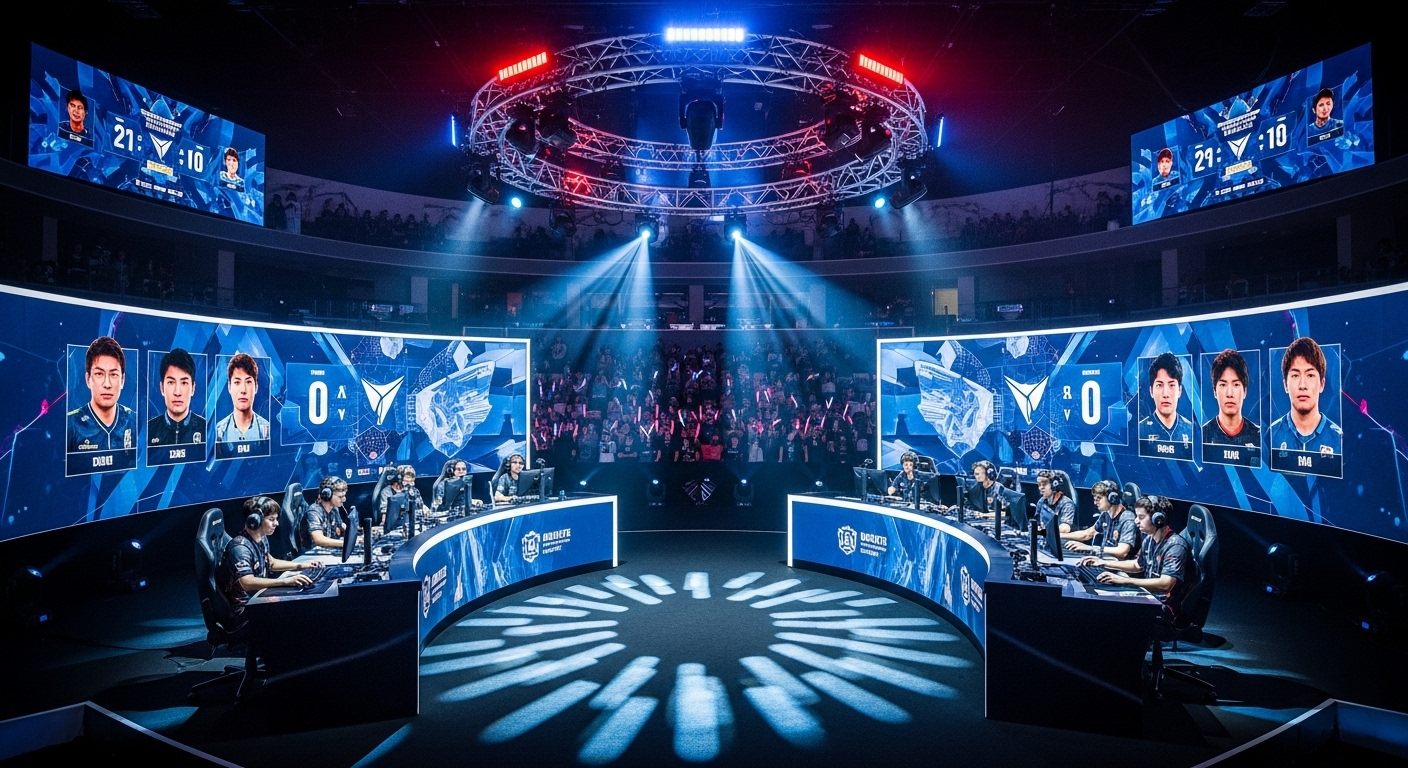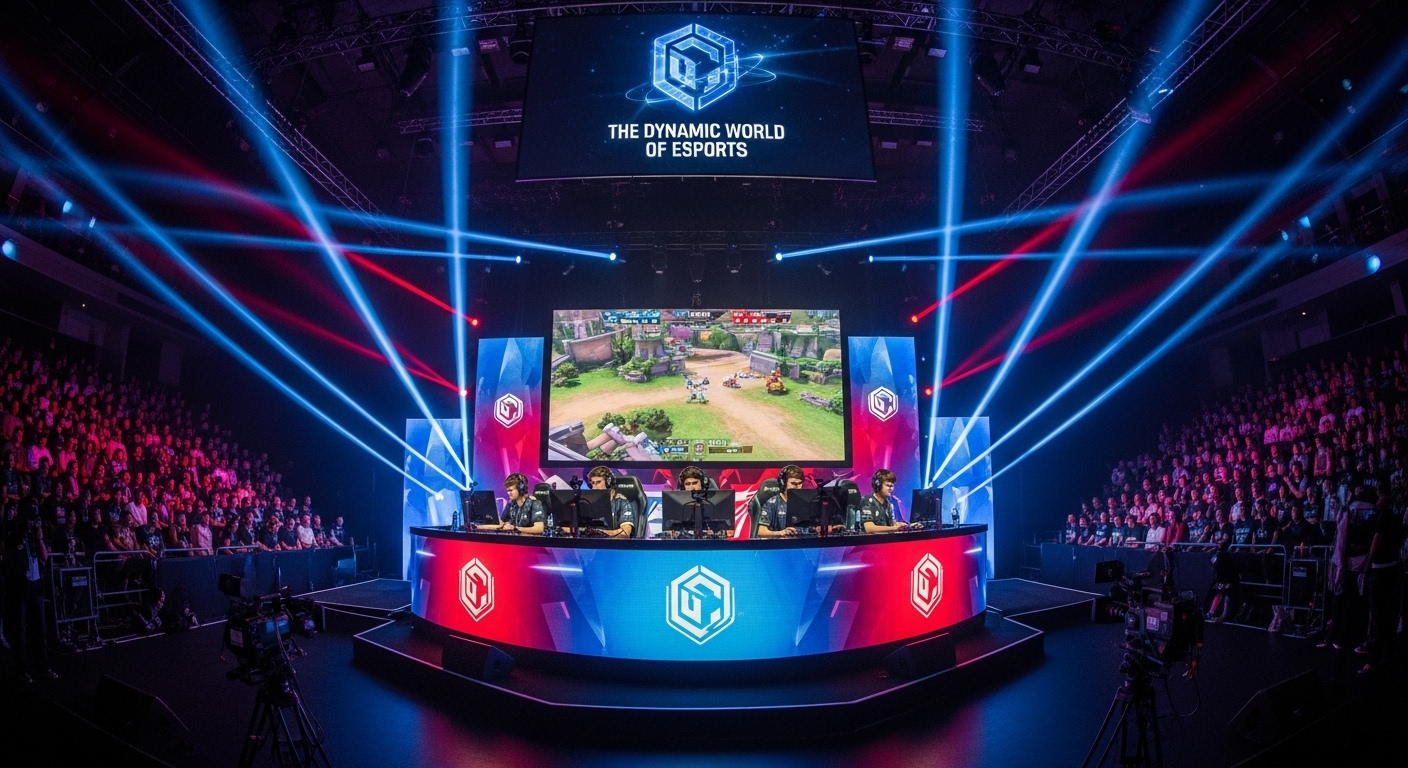
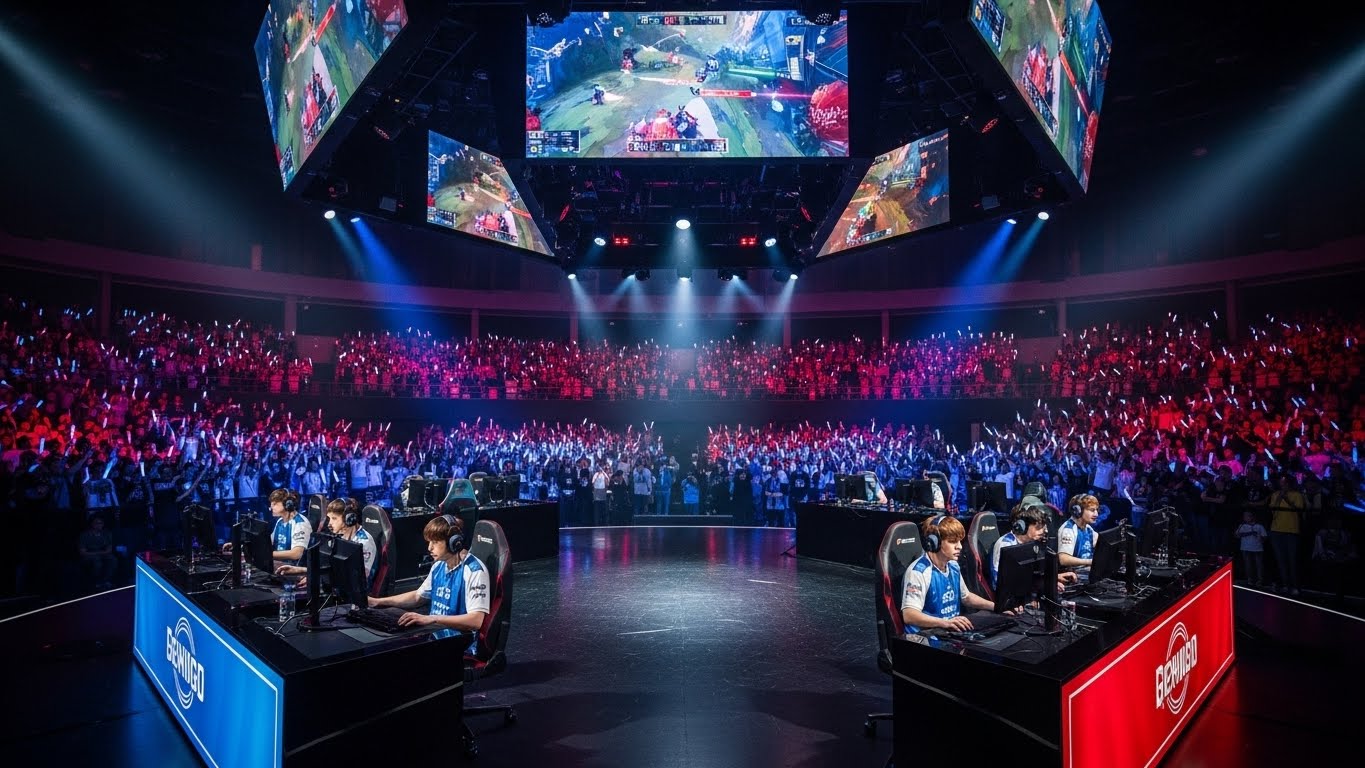
Esports, or electronic sports, has evolved from a niche hobby into a global phenomenon that rivals traditional sports in popularity and influence. Once dismissed as casual gaming, esports now commands massive audiences, professional leagues, and multi-million-dollar tournaments. It represents a unique intersection of technology, entertainment, competition, and culture. In this blog, we will explore the origins of esports, its rise as a professional career, its impact on culture and society, and what the future holds for this dynamic industry.
The Origins of Esports
The story of esports begins in the 1970s and 1980s with the rise of arcade games. Competitions in games like Pong, Space Invaders, and Pac-Man provided early examples of competitive gaming. Players competed for high scores, earning recognition and sometimes small prizes. These early contests laid the groundwork for the organized competitions that would define esports decades later.
The 1990s marked a turning point with the rise of multiplayer PC games such as Quake, StarCraft, and Counter-Strike. These games introduced real-time strategy and team-based gameplay, fostering competitive communities. Players began forming teams, developing strategies, and participating in organized tournaments. The introduction of the internet allowed gamers worldwide to connect and compete, turning esports into a truly global phenomenon.
The Structure of Esports Competitions
Esports competitions mirror traditional sports in many ways. They feature professional teams, coaches, leagues, seasonal rankings, and major tournaments. Games are categorized into genres, including first-person shooters, multiplayer online battle arenas, real-time strategy, and sports simulations. Each genre has its own competitive ecosystem and fan base.
Global tournaments, such as the League of Legends World Championship or The International for Dota 2, attract millions of viewers and offer multi-million-dollar prize pools. Unlike traditional sports, esports competitions are primarily digital, allowing players from anywhere in the world to participate through online qualifiers and regional tournaments. This accessibility has fueled the rapid growth of esports as both a professional pursuit and a spectator sport.
Technology: The Foundation of Esports
Technology is central to the growth and success of esports. High-performance gaming computers, fast internet connections, specialized peripherals, and sophisticated game software are essential components. Advances in graphics, artificial intelligence, and online connectivity have transformed gaming into a professional competitive environment.
Streaming platforms have revolutionized how fans engage with esports. Millions of viewers can watch live tournaments, follow individual players, and interact with the community in real-time. The digital nature of esports creates a unique interactive experience that fosters global connectivity and fan engagement, making it more than just a competitive activity.
Esports as a Professional Career
Esports offers numerous career opportunities beyond playing professionally. Elite players can earn salaries, sponsorships, and prize money that rival traditional sports athletes. In addition, careers in coaching, event management, broadcasting, content creation, game development, and marketing are all integral to the esports ecosystem.
Professional players often dedicate eight to twelve hours a day to practice, strategy, and analysis. Training is rigorous, requiring discipline, focus, and mental resilience. The demands on professional gamers are similar to those of traditional athletes, highlighting the level of skill and commitment required to succeed at the highest levels.
Mental and Physical Demands of Esports
While esports does not require the same physical exertion as traditional sports, it demands mental sharpness, reflexes, and strategic thinking. Players must process complex information quickly, make split-second decisions, and coordinate with teammates under intense pressure. These cognitive demands are essential for high-level performance.
Physical health is also important. Long hours of gaming can lead to eye strain, back pain, and repetitive stress injuries. Many professional organizations now provide fitness programs, nutrition plans, and mental health support to help players maintain peak performance. Maintaining both mental and physical well-being is critical for longevity in esports.
Social and Community Impact
Esports has created vibrant global communities. Multiplayer games encourage teamwork, communication, and collaboration, while fans engage through forums, social media, and streaming platforms. These communities foster camaraderie, shared experiences, and collective celebrations of victories and achievements.
Fans can follow their favorite players, participate in discussions, and even compete in amateur tournaments. The social aspect of esports is a key reason for its popularity, as it provides connection and engagement in ways that traditional sports sometimes cannot, particularly in a digital-first world.
Cultural Influence of Esports
Esports has had a profound influence on culture, particularly among younger generations. Gaming terminology, fashion trends, music, and entertainment are increasingly shaped by esports. Professional gamers have become celebrities, inspiring millions and influencing global media and popular culture.
Esports also challenges traditional notions of sports and athleticism. Skill, strategy, and mental agility are as important as reflexes and focus, broadening the definition of what it means to be an athlete. The rise of esports reflects a cultural shift toward valuing cognitive skill, teamwork, and digital expertise alongside physical performance.
Educational Opportunities in Esports
Educational institutions are recognizing esports as a legitimate field of study and competition. Schools and universities now offer esports scholarships, establish gaming clubs, and provide courses in game design, esports management, and strategy. These programs help students develop leadership, teamwork, critical thinking, and digital literacy skills.
Esports education also prepares students for careers within the industry. Opportunities exist in broadcasting, content creation, event management, software development, and marketing. By integrating esports into curricula, educational institutions support both skill development and career readiness for a rapidly growing sector.
The Economic Impact of Esports
Esports is a multi-billion-dollar industry with significant economic influence. Revenue streams include tournament prize pools, sponsorship deals, advertising, media rights, and merchandise sales. Brands and companies invest heavily in esports to engage younger audiences and capitalize on the passion and loyalty of the gaming community.
The business model of esports blends entertainment, competition, and media engagement in ways unique to the digital age. Investors continue to support game developers, tournament organizers, and content platforms, ensuring the industry’s growth and sustainability for the foreseeable future.
Challenges Facing Esports
Despite its rapid rise, esports faces challenges. The high-pressure environment can lead to burnout, mental health issues, and physical strain. Additionally, the lack of standardized regulations and governance across games and tournaments can result in inconsistencies in competition rules and player treatment.
Diversity and inclusivity also remain ongoing concerns. While esports attracts a global audience, women, minorities, and other underrepresented groups are often less visible in professional play and leadership roles. Addressing these issues is essential to creating a sustainable and equitable ecosystem.
The Future of Esports
The future of esports is dynamic and full of potential. Emerging technologies such as virtual reality, augmented reality, and artificial intelligence promise to transform gameplay, training, and audience engagement. Esports may increasingly integrate with traditional sports and entertainment, creating hybrid experiences that broaden its appeal.
As esports continues to expand, it will influence cultural, educational, and economic trends. The industry demonstrates how digital platforms can redefine competition, career opportunities, and social interaction in the modern era, solidifying esports as a central component of contemporary culture.
Conclusion: Esports as a Global Cultural Force
Esports has grown from humble beginnings into a global, multi-faceted phenomenon. It challenges traditional ideas of athleticism, offers professional opportunities, and fosters global communities. The mental, physical, and social demands of esports highlight its importance beyond entertainment, showcasing its cultural, educational, and economic impact.
Esports represents the future of competition, innovation, and digital interaction. It proves that passion, skill, and strategy can thrive in virtual arenas, influencing how society views sports, community, and achievement. Beyond the screen, esports has become a defining feature of modern culture, bridging technology and human potential in unprecedented ways.