
Introduction: A New Era of Competitive Entertainment
In recent years, esports has evolved from a niche hobby into a worldwide cultural phenomenon. What began as small gatherings of passionate gamers has now transformed into a thriving global industry, captivating millions of fans and producing professional athletes whose skills rival those of traditional sports players. The rise of esports reflects the intersection of technology, culture, and entertainment, offering a unique form of competition that blends strategy, reflexes, and teamwork.
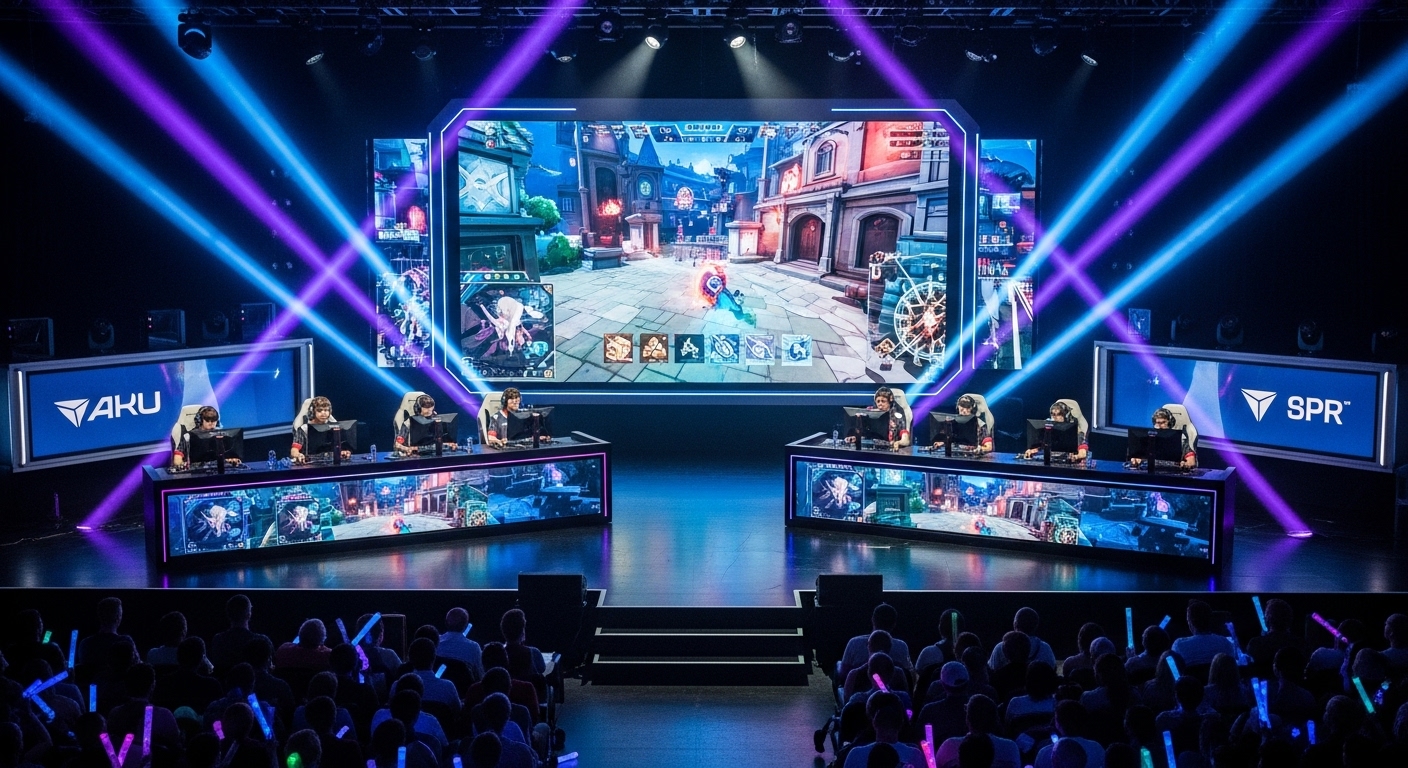
Unlike traditional sports, esports thrives in digital spaces, connecting players and fans from all corners of the world. Tournaments fill stadiums, attract sponsorships from top brands, and generate multi-million-dollar prize pools. Beyond competition, esports has created entire ecosystems around streaming, content creation, education, and community engagement. To understand this phenomenon, it is essential to explore the history, growth, and influence of competitive gaming.
The Origins of Esports
Esports did not emerge overnight. Its roots trace back to the arcade era, where gamers competed for high scores on titles such as Pac-Man and Space Invaders. In the 1980s, competitive gaming began formalizing with events like the Space Invaders Championship, which drew hundreds of players and spectators.
The advent of personal computers and internet connectivity in the 1990s enabled online multiplayer games, creating new opportunities for organized competition. Titles such as Quake and StarCraft became the foundation for professional gaming leagues, particularly in Asia, where StarCraft tournaments in South Korea drew television audiences rivaling those of traditional sports.
By the early 2000s, esports began taking on a professional structure. Teams, sponsors, and organized leagues emerged, laying the groundwork for the industry as it exists today. The combination of technology, skill, and growing audiences created a space where gaming could be celebrated as a legitimate form of competition.
The Explosion of Esports in the 2010s
The 2010s marked a pivotal decade for esports growth. The rise of streaming platforms allowed millions of fans to watch gameplay in real time, connecting directly with professional players. Services that offered live broadcasts of matches transformed esports into a spectator sport accessible from anywhere in the world.
Games such as League of Legends, Dota 2, Counter-Strike, and Overwatch became household names, hosting tournaments with prize pools exceeding millions of dollars. Esports organizations grew into professional franchises with coaching staff, analysts, and management teams, mirroring the structure of traditional sports teams.
Streaming and content creation also played a key role in popularizing esports. Gamers could now share highlights, tutorials, and live matches with audiences of all sizes. This created new celebrity figures within the gaming world, who became influential both online and offline. The combination of accessibility, entertainment value, and skill-based competition fueled the rapid expansion of esports globally.
Popular Esports Genres
Esports encompasses a wide range of game genres, each offering unique competitive experiences. The most prominent categories include:
Multiplayer Online Battle Arenas (MOBAs)
Games such as League of Legends and Dota 2 focus on team strategy and real-time decision-making. Success requires coordination, tactical thinking, and mastery of complex character abilities. Tournaments in this genre often draw millions of viewers and offer some of the largest prize pools in esports history.
First-Person Shooters (FPS)
Titles like Counter-Strike, Valorant, and Overwatch emphasize precision, reflexes, and strategic positioning. FPS competitions are particularly popular for their fast-paced action, high stakes, and the excitement of individual skill shining within team play.
Battle Royale Games
Fortnite, Apex Legends, and similar games offer a blend of unpredictability and creativity. These games attract broad audiences with their high-energy formats, frequent updates, and interactive spectator experiences.
Sports Simulations
FIFA, NBA 2K, and other sports simulation games translate real-world sports into digital competition. These titles appeal to both gaming enthusiasts and traditional sports fans, bridging multiple cultural spheres and expanding the esports audience.
Each genre has contributed to the diversity of esports, ensuring it appeals to players and spectators with different interests, skills, and preferences.
The Life of an Esports Athlete
Professional esports players are often misunderstood. The notion that gaming requires minimal effort is outdated. Top players train rigorously, dedicating hours each day to perfecting mechanics, analyzing opponents, and developing strategies.
In addition to gameplay, esports athletes maintain physical and mental wellness, working with coaches, nutritionists, and sometimes sports psychologists. Reaction speed, focus, and decision-making under pressure are critical components of performance. Burnout is a real challenge, and managing stress, sleep, and health is essential for longevity in a professional esports career.
Unlike traditional sports, esports careers often begin at a young age, and players must adapt quickly to changing game mechanics, evolving strategies, and new competitors. The discipline and dedication required mirror those of conventional athletes, highlighting the professionalism and commitment within the industry.
The Impact of Streaming and Media
Streaming platforms have revolutionized esports by making it accessible to a global audience. Fans can watch live matches, interact with players, and become part of the broader gaming community. This direct connection between players and spectators has fostered strong fan engagement, turning esports competitions into shared social experiences.
Media coverage has expanded beyond streaming to include esports documentaries, television specials, and mainstream news coverage. The combination of visibility and accessibility has solidified esports’ legitimacy and contributed to its cultural influence worldwide.
Esports in Education
Education has embraced esports as more than entertainment. Schools and universities now offer esports clubs, scholarships, and academic programs that recognize gaming as a vehicle for skill development. Competitive gaming fosters problem-solving, teamwork, communication, and leadership skills.
Academic programs focused on esports cover areas such as game design, event management, marketing, and coaching. By integrating esports into education, institutions provide students with pathways to careers in technology and entertainment, transforming passion into professional opportunity.
Economic Significance
Esports is a significant driver of economic growth. Revenue streams include sponsorships, advertising, merchandise, ticket sales, and prize pools. Leading esports events draw audiences rivaling major sports championships, attracting global brands and investment.
Esports teams operate like professional franchises, complete with management, marketing, and support staff. Cities and countries recognize the tourism and economic impact of hosting esports tournaments, leading to increased investment in infrastructure and promotion. The industry also supports peripheral sectors, including hardware manufacturing, software development, and media production.
Community and Social Impact
One of esports’ most remarkable qualities is its ability to connect people globally. Online communities provide social interaction, collaboration, and shared enthusiasm. Fans participate in forums, streaming chats, and local meetups, creating inclusive spaces where passion for gaming transcends geographic and cultural barriers.
Esports is also gradually becoming more inclusive. Efforts to support diversity and representation aim to provide opportunities for women, LGBTQ+ individuals, and players from underrepresented regions. This inclusivity strengthens the community and ensures a broader, more equitable ecosystem.
Challenges Facing Esports
Despite its success, esports faces several challenges. Player burnout, mental health issues, and long-term career sustainability remain pressing concerns. Maintaining competitive integrity, preventing cheating, and establishing consistent regulatory standards are also critical for the industry’s credibility.
Additionally, ensuring fair compensation and professional opportunities for players at all levels is essential. Addressing these challenges will determine how esports continues to grow and professionalize over the coming decades.
The Future of Esports
The future of esports is bright and full of possibilities. Emerging technologies, such as virtual reality and augmented reality, may introduce new competitive formats and experiences. Crossovers with traditional sports, entertainment collaborations, and international expansion will further strengthen the industry.
Education, infrastructure, and professional development will continue to improve, offering clearer career pathways for aspiring players. Esports is likely to become increasingly integrated into mainstream entertainment, continuing to innovate and attract new audiences.
The digital arena is evolving rapidly, and esports is poised to remain a central figure in global culture, bridging technology, competition, and entertainment in ways that were unimaginable just a decade ago.
Conclusion: Esports as a Cultural Revolution
Esports has redefined competition, entertainment, and community. It celebrates strategy, skill, creativity, and human connection in the digital age. From small local tournaments to global championships, esports has become a legitimate career path, a vibrant social platform, and a cultural phenomenon.
As technology continues to advance and the industry grows, esports will play a pivotal role in shaping the future of entertainment. It represents a new frontier where passion meets professionalism, where digital skill is celebrated, and where global communities unite over shared experiences. The journey of esports has only just begun, and its impact is destined to expand for decades to come.