Introduction: Esports in the Digital Age
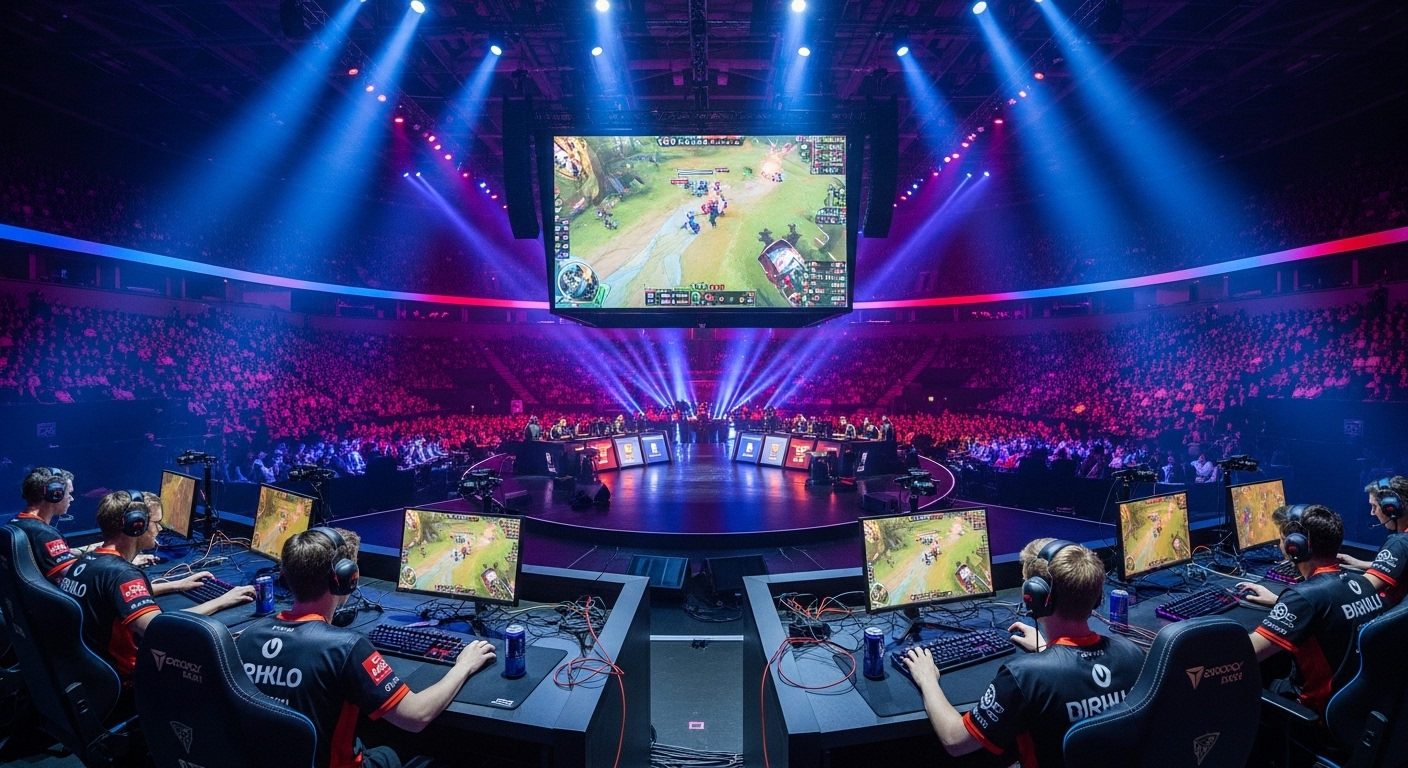
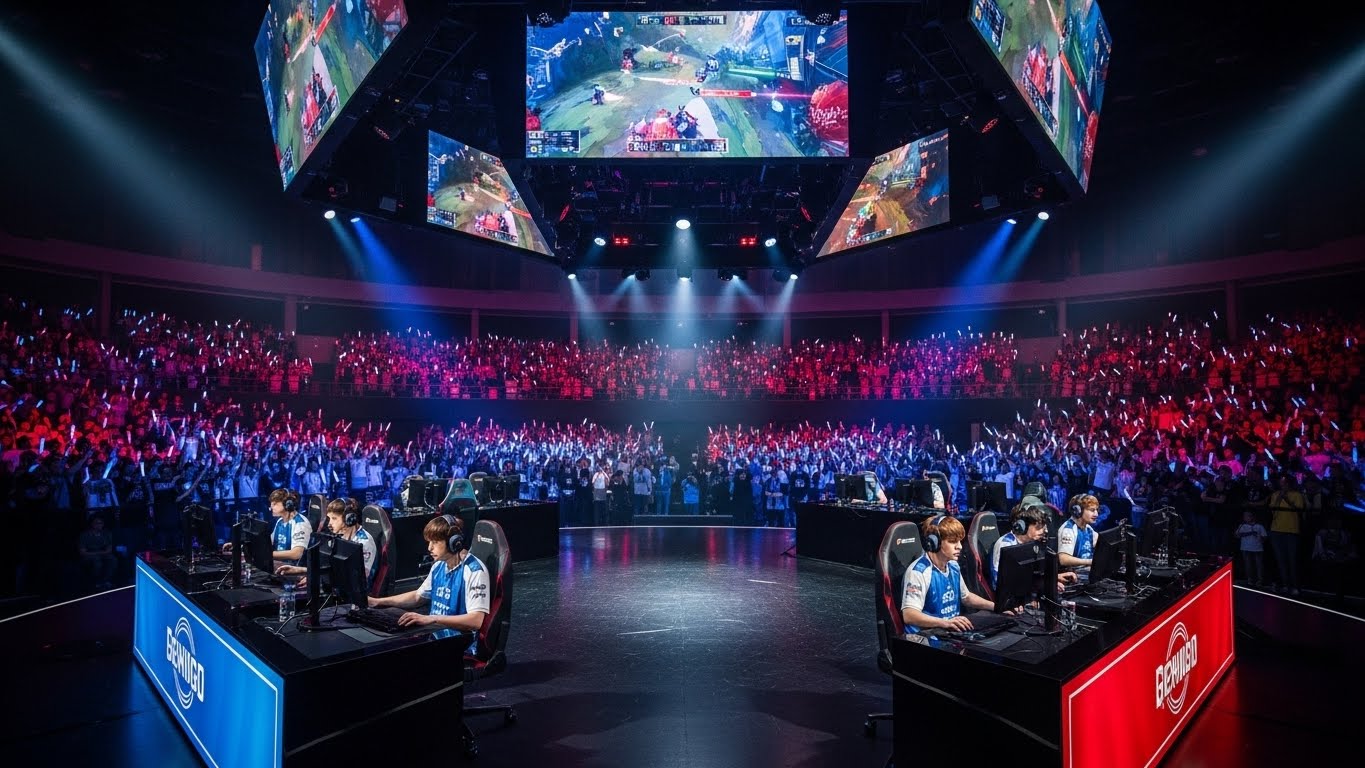
In recent years, the world of competitive gaming has experienced an extraordinary transformation. Esports, once considered a niche hobby for passionate gamers, has evolved into a massive global industry, attracting millions of viewers, lucrative sponsorships, and dedicated professional players. From humble beginnings in local LAN parties to sold-out arenas and streaming platforms with millions of viewers, esports has become a cultural phenomenon. This blog delves into the journey of esports, exploring its rapid growth, the forces behind its success, and the significant impact it has on both the gaming industry and global entertainment.
The Evolution of Esports: From Fun to Professionalism
Esports didn’t emerge overnight. The roots of competitive gaming can be traced back to the early days of video games in the 1970s and 1980s, with arcade machines like “Space Invaders” sparking the first competitive spirit among gamers. Tournaments were small-scale events, typically held in arcades or local centers where players would compete to top the high-score boards.
However, it wasn’t until the late 1990s and early 2000s that the concept of esports truly began to take shape. Games like “StarCraft,” “Warcraft III,” and “Quake” helped lay the foundation for organized competitive gaming, especially in South Korea. “StarCraft” became a national pastime, and esports events started being broadcast on television, drawing large audiences. The late 90s also saw the emergence of online multiplayer games, which allowed players from all over the world to compete against each other, sparking a new level of competition.
By the mid-2000s, esports began to develop into a professional sport. Major tournaments, such as the World Cyber Games (WCG) and the Electronic Sports World Cup (ESWC), were held, and prize money started to increase significantly. In the United States, competitive gaming started to gain mainstream attention with tournaments like “Halo 2” competitions and the formation of esports organizations. The rise of the internet and the launch of streaming platforms like Twitch in 2011 further accelerated the industry’s growth by providing an accessible way for fans to watch live tournaments and follow their favorite players.
The Explosion of Esports: A Multi-Billion-Dollar Industry
Esports has quickly grown into a multi-billion-dollar industry, surpassing many traditional forms of entertainment in terms of revenue and viewership. As of recent estimates, the global esports market is expected to reach $1.5 billion by 2023, with sponsorships, advertising, ticket sales, and media rights being the main sources of revenue.
One of the primary reasons behind the explosive growth of esports is its accessibility. Unlike traditional sports, which require expensive equipment and venues, esports only requires a gaming console or PC, an internet connection, and the game itself. This lower barrier to entry has allowed esports to reach millions of players across the globe, with different gaming genres appealing to various interests, from first-person shooters (FPS) to real-time strategy (RTS) games, and even multiplayer online battle arenas (MOBA).
Moreover, the rise of streaming platforms like Twitch, YouTube Gaming, and Facebook Gaming has been a game-changer. Twitch, in particular, has transformed the way viewers engage with esports content, enabling millions of fans to watch live streams of tournaments, casual gameplay, and personal interactions with professional players. In 2020, Twitch alone had over 2.6 million monthly broadcasters and an audience of more than 15 million daily active users, contributing significantly to the growth of the esports ecosystem.
Esports has also seen massive growth in sponsorship deals, with major brands like Coca-Cola, Intel, Nike, and Red Bull investing heavily in teams, tournaments, and content creators. These sponsorships not only provide financial support but also help further establish esports as a legitimate and influential form of entertainment.
The Role of Esports Games: A Diverse Landscape of Competition
At the heart of the esports revolution are the games themselves. Esports encompasses a wide range of genres, each with its own unique mechanics, fan base, and competitive ecosystem. While new games continue to emerge, a few key titles have defined the landscape of competitive gaming and built global fanbases.
One of the most iconic esports titles is “League of Legends,” a multiplayer online battle arena (MOBA) developed by Riot Games. Released in 2009, “League of Legends” has become the cornerstone of esports, with its annual World Championship attracting millions of viewers and offering prize pools in the tens of millions of dollars. Its intricate gameplay, strategic depth, and emphasis on teamwork have made it one of the most popular competitive games in history.
“Dota 2,” developed by Valve Corporation, is another major player in the esports world. Known for its complexity and high skill ceiling, “Dota 2” has been a staple in competitive gaming for over a decade. Its annual tournament, The International, offers one of the largest prize pools in esports, often exceeding $30 million. The game’s strategic depth, large player base, and competitive scene make it a key pillar of the esports ecosystem.
First-person shooters (FPS) have also played a central role in shaping the competitive gaming world. Games like “Counter-Strike: Global Offensive” (CS: GO), “Call of Duty,” and “Overwatch” feature fast-paced action and require sharp reflexes, precision aiming, and coordination. “CS: GO,” for example, remains one of the most popular esports titles globally, with major tournaments drawing millions of viewers and top-tier teams competing for prestigious titles and large prize pools.
More recently, battle royale games such as “Fortnite” and “Apex Legends” have taken the esports scene by storm. These games, which feature large-scale, last-man-standing gameplay, have introduced new dynamics to competitive gaming. The popularity of “Fortnite” in particular has led to huge prize pools for competitive events, such as the Fortnite World Cup, which offered a prize pool of $30 million in 2019.
The Esports Ecosystem: Teams, Tournaments, and Players
Esports is not just about the games—it’s also about the players, teams, and tournaments that bring competitive gaming to life. At the core of the esports ecosystem are the professional players who dedicate their time and energy to perfecting their skills. Many esports players start at a young age, practicing for hours each day to improve their gameplay and learn new strategies. Becoming a professional esports player requires not only talent and dedication but also mental resilience, as the pressure to perform can be intense.
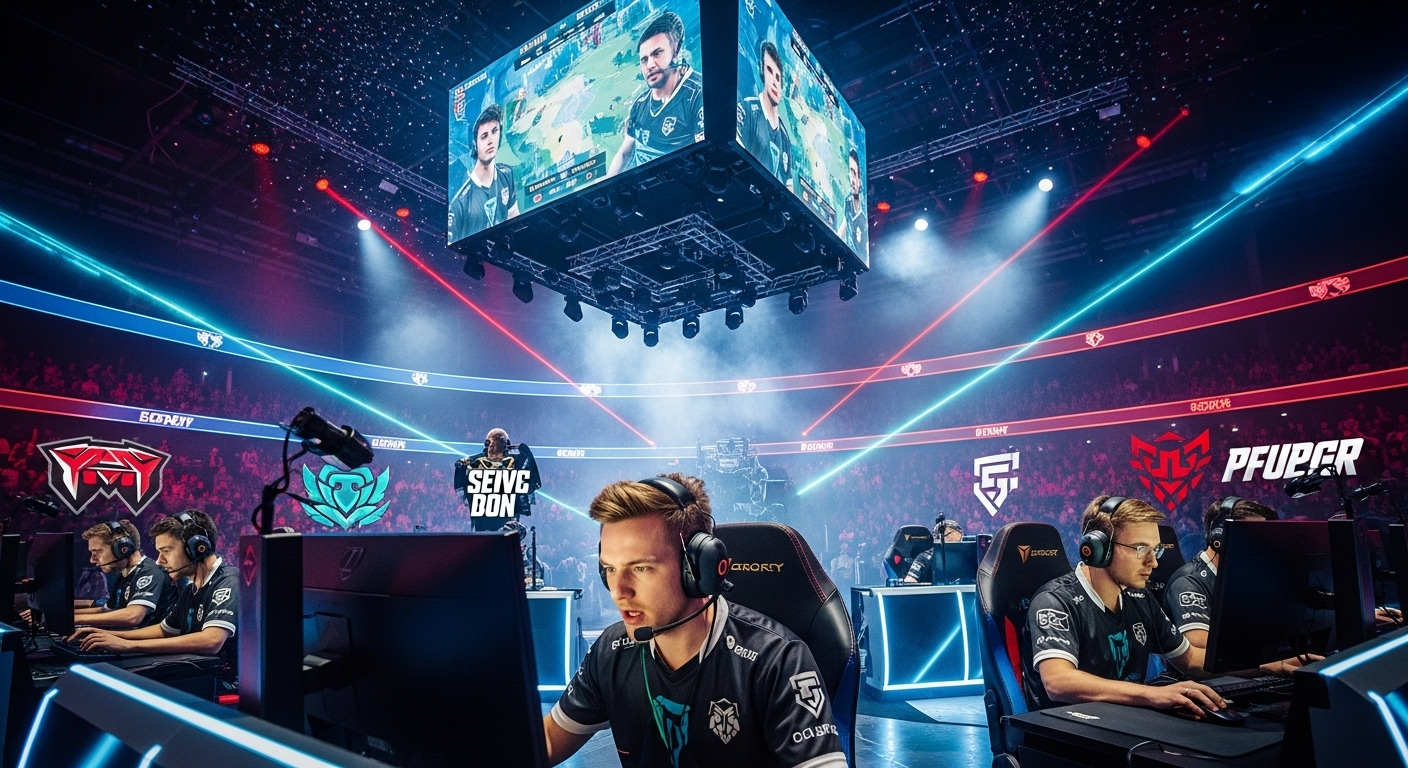
Esports teams have become as well-known as traditional sports franchises. Organizations like Cloud9, Team Liquid, T1, and FaZe Clan have established themselves as leaders in the esports world, recruiting top players and competing across multiple titles. These teams operate much like traditional sports teams, with coaches, analysts, and managers working behind the scenes to ensure optimal performance.
Esports tournaments, both online and offline, are where the magic happens. Some of the most prestigious events in esports include the League of Legends World Championship, The International (for “Dota 2”), the Fortnite World Cup, and the ESL Pro League (for “CS: GO”). These tournaments attract top players and large audiences, with prize pools reaching millions of dollars. The tournaments are often broadcast live on streaming platforms, allowing millions of viewers to watch the action unfold in real-time.
Esports and the Streaming Revolution
Streaming has become an integral part of the esports ecosystem. Platforms like Twitch and YouTube Gaming allow fans to watch live esports events, interact with players, and access exclusive content. Streaming has also given rise to a new generation of content creators, with some professional gamers building massive followings and monetizing their streams through donations, sponsorships, and ad revenue.
Twitch, in particular, has become synonymous with esports. The platform is home to countless esports tournaments and streams, as well as channels dedicated to individual players and teams. This has created an interactive experience for viewers, who can engage with commentators, ask questions, and even support their favorite streamers financially.
The rise of esports streaming has also transformed the way fans engage with their favorite games and players. Fans now have unprecedented access to their favorite esports athletes, watching them play casually or practice for major tournaments. This level of engagement has deepened the connection between players and fans, creating a vibrant online community that extends beyond the tournament stage.
The Future of Esports: Challenges and Opportunities
Esports is growing at an unprecedented rate, but this rapid expansion comes with its own set of challenges. One of the main concerns is ensuring fair play and maintaining the integrity of competitive gaming. As esports continue to evolve, issues like cheating, match-fixing, and player burnout must be addressed. The industry must implement stronger regulations and frameworks to maintain the credibility of the competitions.
Another challenge is the mental health of players. The high level of pressure, long hours of practice, and constant travel can lead to physical and mental fatigue. Esports organizations are starting to prioritize the well-being of players, offering support for mental health, physical training, and work-life balance.
However, the future of esports is undeniably bright. With new technologies like virtual reality (VR) and augmented reality (AR) set to revolutionize gaming, the possibilities for esports are endless. Mobile gaming is also on the rise, offering new opportunities for global competitions and expanding esports’ reach to a broader audience. As esports continues to grow and gain mainstream acceptance, it is poised to become a central part of the global entertainment industry, challenging traditional sports and reshaping how we think about competition.
Conclusion: Esports as a Cultural Force
Esports has come a long way from its humble beginnings, and its influence on global entertainment and culture cannot be overstated. From its rise as a competitive pastime to its current status as a billion-dollar industry, esports has reshaped how we view gaming, competition, and digital entertainment. As the industry continues to