Introduction
Esports, or competitive video gaming, has transformed from a niche hobby into a global powerhouse, influencing entertainment, culture, and even careers. What once started as casual competitions among friends in basements or local arcades has evolved into a structured, professional industry with organized leagues, multimillion-dollar tournaments, and star athletes with massive fan followings. Esports is no longer just a pastime—it is a cultural phenomenon that has redefined competition and entertainment in the digital age.
The growth of esports is fueled by advancements in technology, widespread internet access, and the rise of streaming platforms. It has created opportunities for players, content creators, teams, and businesses, while also influencing media, lifestyle, and global connectivity. Exploring esports requires understanding its history, professionalization, global impact, and the challenges and opportunities it presents for the future.
The Origins of Competitive Gaming
Esports traces its roots back to the 1970s and 1980s when video game competitions first emerged in arcades and on early home consoles. One of the first notable events was the 1980 Space Invaders Championship, which attracted thousands of participants and demonstrated the potential of gaming as a competitive activity.
During the 1990s, multiplayer online games such as Quake, StarCraft, and Counter-Strike gained popularity, allowing players to compete virtually across regions. These games introduced core principles of esports: teamwork, strategy, reflexes, and communication. Early tournaments were often grassroots events, but they laid the foundation for the global professional esports ecosystem we see today.
The Role of Streaming Platforms
A major turning point in the growth of esports came with the rise of streaming platforms. Services like Twitch and YouTube Gaming enabled players to broadcast their gameplay to global audiences, turning casual matches into spectator events. Fans could watch competitions in real-time, learn strategies, and interact with players, creating a highly engaged community.
Streaming also allowed players to monetize their skills through subscriptions, donations, advertising revenue, and sponsorships. This model democratized access to the esports industry, enabling talented gamers from around the world to gain visibility and pursue gaming as a professional career. Content creation, in addition to competition, became a critical aspect of esports growth.
Popular Esports Titles and Game Genres
Esports covers a wide range of game genres, each with unique competitive structures and communities. Multiplayer Online Battle Arena (MOBA) games like League of Legends and Dota 2 emphasize strategy, coordination, and real-time decision-making. First-person shooters (FPS) such as Counter-Strike: Global Offensive, Valorant, and Call of Duty require precision, reflexes, and tactical teamwork.
Fighting games, real-time strategy games, and sports simulations also have competitive scenes, offering opportunities for a diverse range of players. Each game fosters its own fan culture, creating dedicated communities and professional ecosystems. This diversity ensures that esports appeals to a wide audience and provides multiple avenues for players and teams to thrive.
Professionalization of Esports
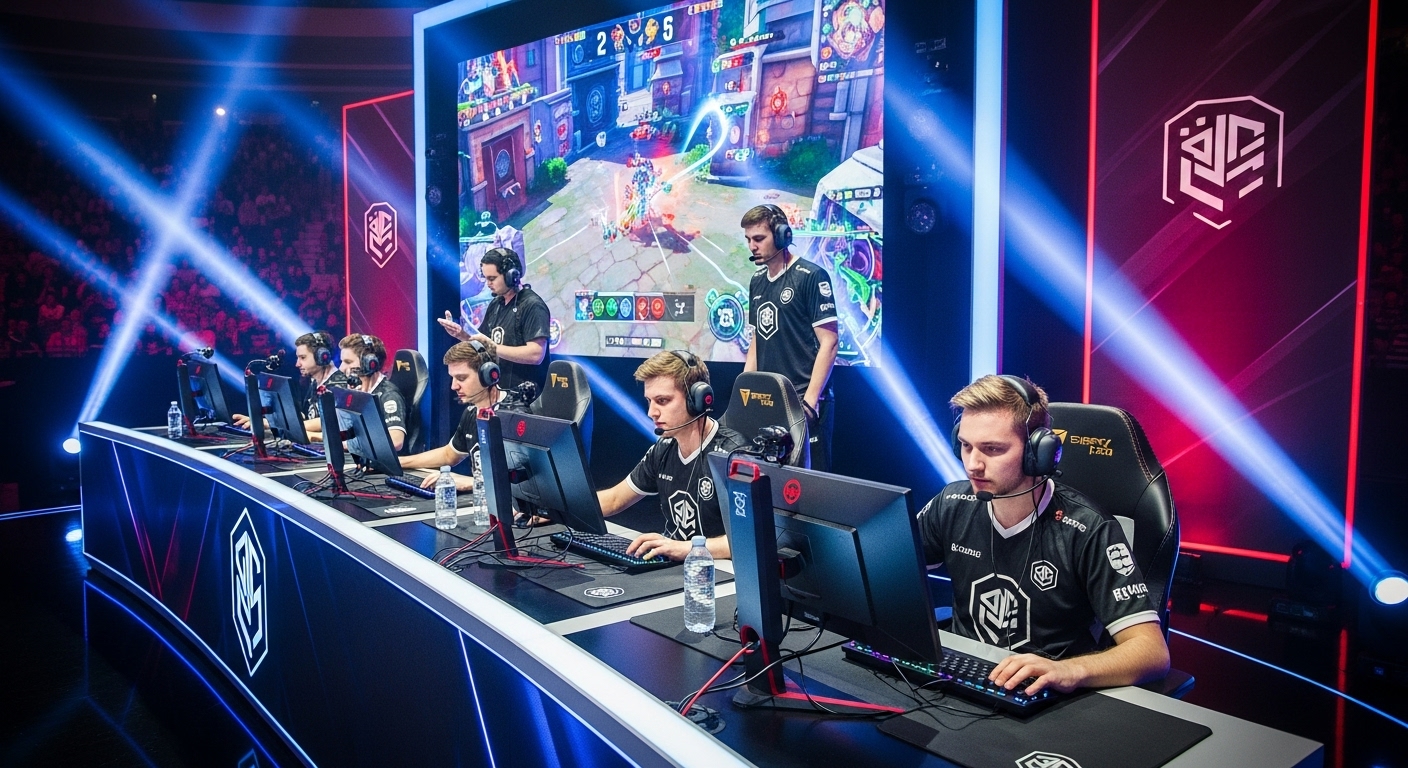
Esports has evolved into a professional industry comparable to traditional sports. Teams operate with coaches, analysts, nutritionists, psychologists, and medical staff to optimize player performance. Athletes sign contracts, receive salaries, and participate in structured training programs to enhance skills and maintain competitiveness.
Major tournaments now offer prize pools in the millions of dollars, attracting global attention. Events such as The International for Dota 2 and the League of Legends World Championship are broadcast live, featuring commentary, analysis, and entertainment segments that engage audiences. Sponsorships, merchandise sales, and media deals further contribute to the economic scale of esports, making it a multi-billion-dollar industry.
The Global Reach of Esports
Esports has become a worldwide phenomenon with a significant cultural impact. In Asia, particularly South Korea and China, esports is mainstream, with dedicated arenas, televised competitions, and government support. In Europe and North America, professional leagues and tournaments have attracted massive fan bases, rivaling traditional sports viewership.
The global nature of esports fosters cross-cultural exchange. Players and fans from different countries interact, share strategies, and support teams, creating a digital community that transcends borders. Esports is not only about gaming but also about social connectivity, collaboration, and the shared experience of competition on a global scale.
Career Opportunities in Esports
The esports industry offers diverse career opportunities beyond playing professionally. Coaching, team management, content creation, event organization, marketing, and analytics are all vital components of the ecosystem. Players can also work in media as commentators, analysts, or journalists, while brands employ specialists to manage sponsorships and community engagement.
Content creation has become particularly important. Streamers, influencers, and professional gamers produce live broadcasts, tutorials, and lifestyle content to engage fans and build personal brands. These careers offer financial independence and creative expression, making esports a viable professional path for many individuals.
Collaboration with Traditional Sports
Traditional sports organizations have increasingly embraced esports, recognizing its potential to engage younger audiences. Football clubs, basketball teams, and other professional franchises have established esports divisions. Competitions such as the NBA 2K League and FIFA eWorld Cup integrate traditional sports branding with competitive gaming, expanding their reach and influence.
This collaboration has helped legitimize esports as a professional and respected sport. It also bridges the gap between digital and traditional sports, creating a hybrid entertainment experience that appeals to a wide audience while fostering crossover fan engagement.
Challenges Facing the Industry
Despite its rapid growth, esports faces several challenges. Player burnout is common due to long hours of practice, high-stress competition, and travel demands. Mental health and physical strain, including eye fatigue, poor posture, and repetitive stress injuries, are important considerations.
The industry also needs to address issues of inclusivity and representation. Professional esports remains largely male-dominated, with fewer opportunities for women and underrepresented groups. Ensuring fair competition, preventing cheating, and maintaining regulatory standards are ongoing challenges. Addressing these issues is essential for sustainable growth and credibility.
The Role of Technology in Esports
Technology underpins the entire esports ecosystem. High-performance hardware, fast internet connections, and advanced software allow competitive gaming to reach professional standards. Streaming platforms, cloud computing, and analytics tools enhance gameplay, audience engagement, and performance evaluation.
Emerging technologies like virtual reality, augmented reality, and artificial intelligence are poised to revolutionize esports further. VR and AR can create more immersive experiences for both players and spectators, while AI can assist in training, strategy development, and game analysis. Technological innovation ensures that esports remains dynamic and continuously evolving.
Esports as a Cultural Phenomenon
Esports has transcended competition to become a cultural movement. It influences fashion, music, lifestyle, and social interaction. Merchandise, online communities, and fan conventions foster a sense of belonging among players and audiences.
Esports also promotes skill development and creativity. Strategic thinking, problem-solving, teamwork, and reflexes are honed through gameplay, while content creation encourages storytelling, communication, and technical skills. The cultural significance of esports extends beyond entertainment, shaping digital culture and modern social experiences.
The Future of Esports
The future of esports is bright and filled with potential. Emerging technologies will enhance immersive gameplay, audience participation, and event management. Education programs, esports scholarships, and professional training facilities will cultivate new talent globally.
Esports is likely to expand into new regions, offering opportunities for players, teams, and businesses. As technology, infrastructure, and mainstream acceptance grow, esports will become an integral part of the entertainment landscape, influencing media, culture, and even traditional sports. Its continued evolution will demonstrate the power of gaming as a professional, cultural, and social force.
Conclusion
Esports has evolved from simple arcade competitions to a global, professional, and cultural phenomenon. It has created career opportunities, fostered communities, and influenced entertainment and culture on an unprecedented scale. With professional leagues, streaming platforms, and international tournaments, esports has established itself as a legitimate and influential form of competition.
The growth of esports reflects the convergence of technology, creativity, and human skill. Its future promises innovation, inclusivity, and global connectivity, demonstrating that gaming is not just a pastime but a defining feature of modern digital culture. The rise of esports illustrates how digital competition can shape industries, lifestyles, and societies, solidifying its role as one of the most transformative forces in contemporary entertainment.