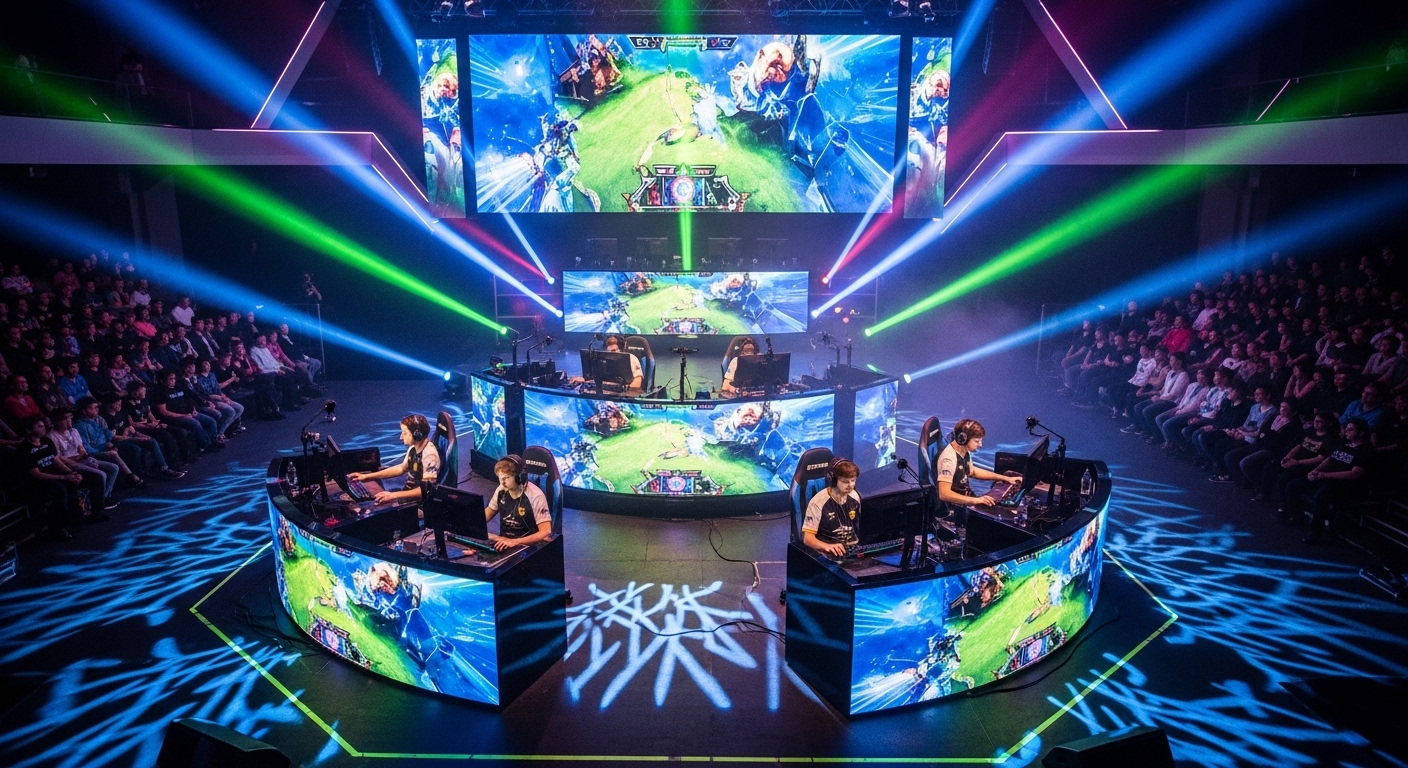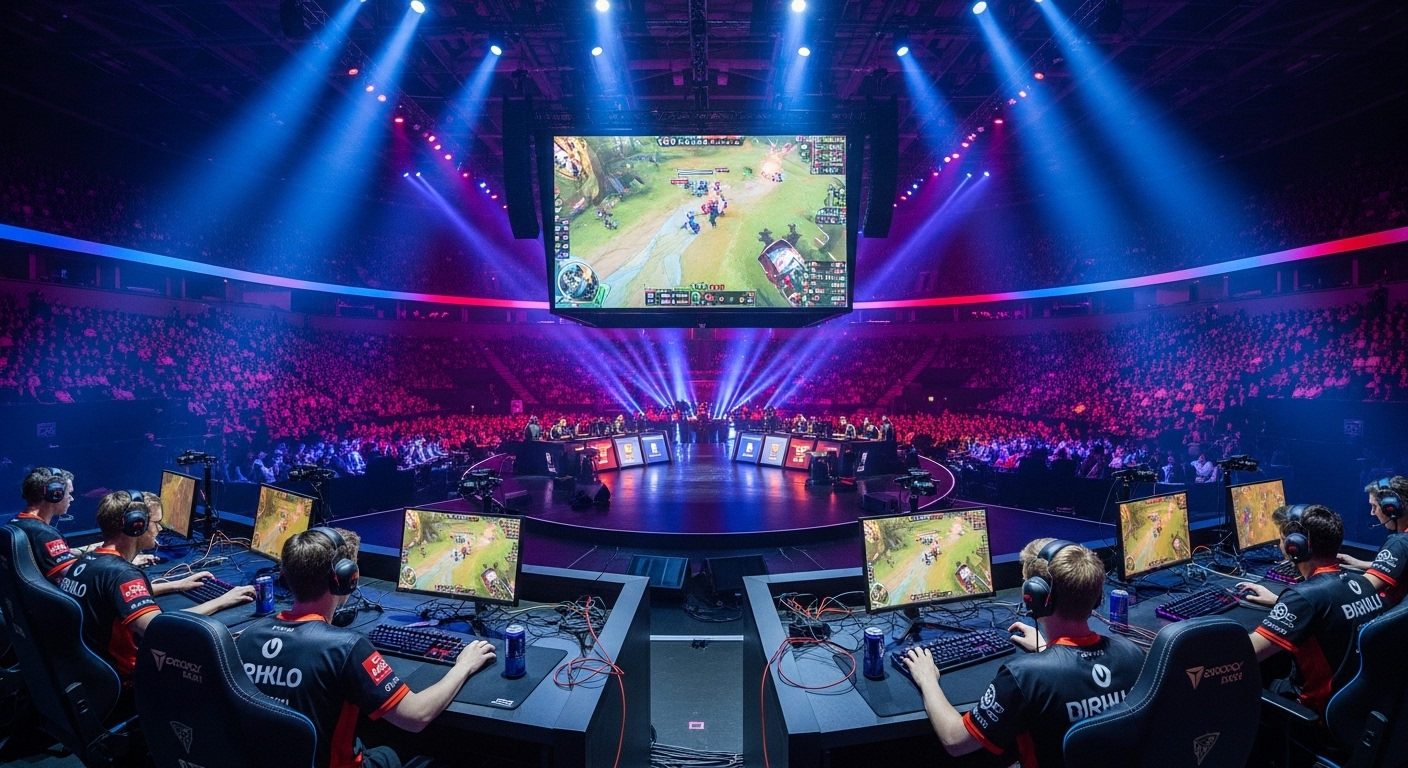
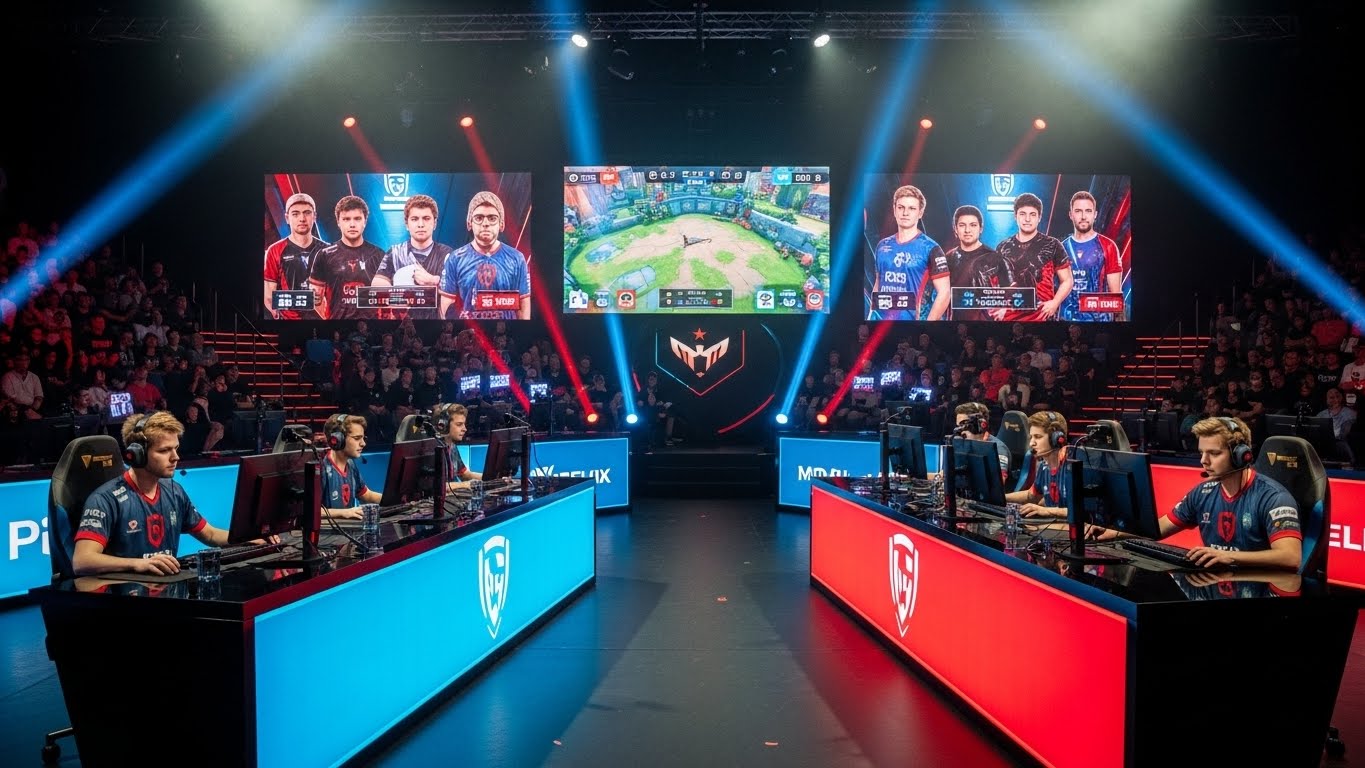
Esports, or competitive video gaming, has evolved from a niche hobby into a global phenomenon that rivals traditional sports in popularity and impact. What was once considered a pastime for dedicated gamers is now a multi-billion-dollar industry with professional players, massive tournaments, and a dedicated fanbase spanning every corner of the world. This blog explores the growth of esports, its influence on culture, its economic impact, and the challenges and opportunities that define this rapidly expanding field.
The Evolution of Esports
The roots of esports can be traced back to the 1970s and 1980s, when arcade competitions and early video game tournaments began to emerge. Games like Pac-Man, Space Invaders, and later Street Fighter created communities of players who competed for high scores and local recognition. By the late 1990s and early 2000s, the rise of internet connectivity allowed multiplayer games such as StarCraft and Counter-Strike to gain traction as competitive platforms.
The modern era of esports began with the development of large-scale tournaments and professional leagues. Games like League of Legends, Dota 2, and Overwatch introduced structured competitions, sponsorships, and media coverage. The introduction of streaming platforms such as Twitch and YouTube Gaming transformed esports into a spectator sport, allowing millions of fans to watch live competitions from anywhere in the world.
Popular Esports Titles and Their Communities
Esports thrives on the diversity of games and their dedicated communities. Multiplayer online battle arena games, or MOBAs, such as League of Legends and Dota 2, are some of the most popular competitive titles. These games require strategic thinking, teamwork, and precise execution, attracting players who enjoy complex gameplay and high-level competition.
First-person shooters (FPS) like Counter-Strike: Global Offensive and Call of Duty emphasize reflexes, accuracy, and tactical coordination. Battle royale games, such as Fortnite and Apex Legends, have introduced fast-paced, unpredictable gameplay that appeals to a younger audience. Fighting games, sports simulations, and real-time strategy games further diversify the esports ecosystem, ensuring that there is a competitive platform for nearly every type of gamer.
Each game develops its own unique community, complete with fan forums, social media groups, and fan-made content. These communities are critical to the growth of esports, as they generate enthusiasm, loyalty, and engagement that sustain both players and the industry.
The Rise of Professional Esports
Professional esports players are athletes in every sense of the word. They dedicate countless hours to practice, often treating gaming as seriously as traditional sports training. Many professional teams employ coaches, analysts, and nutritionists to optimize performance, demonstrating that esports requires both physical and mental preparation.
Salaries for top-tier esports players can rival those of traditional athletes, and sponsorships and streaming revenue provide additional income streams. Major tournaments such as The International, League of Legends World Championship, and EVO offer multi-million-dollar prize pools, drawing global attention and elevating the status of professional players.
Esports organizations operate much like professional sports franchises, with training facilities, management staff, and marketing teams. These teams not only compete in tournaments but also engage with fans through social media, content creation, and public appearances, creating a strong brand presence.
The Economics of Esports
The esports industry has experienced exponential growth over the past decade. Revenue streams include tournament winnings, sponsorships, advertising, merchandise, and streaming platforms. Corporations are increasingly investing in esports, recognizing the potential to reach highly engaged and tech-savvy audiences.
Sponsorship deals with brands ranging from technology companies to energy drinks and apparel manufacturers are commonplace. Tournament organizers generate income through ticket sales, broadcasting rights, and online viewership. Streaming platforms monetize content through advertisements, subscriptions, and donations, creating a self-sustaining ecosystem that benefits players, teams, and investors alike.
The economic impact of esports extends beyond direct revenue. Ancillary industries, such as gaming hardware, software development, and event management, have flourished alongside competitive gaming. Universities are even beginning to offer esports scholarships, creating new educational and professional opportunities for aspiring gamers.
Esports as a Cultural Phenomenon
Esports is more than a competition; it is a cultural movement that shapes entertainment, media, and social interactions. Gaming conventions, live tournaments, and fan meetups have become major social events that bring communities together. Popular esports personalities have achieved celebrity status, influencing fashion, lifestyle, and digital trends.
Streaming platforms have turned gaming into a form of interactive entertainment. Fans watch players not only to learn strategies but also to enjoy personality-driven content, creating a unique relationship between players and audiences. Memes, fan art, and community-driven content further strengthen the social fabric of esports, making it an integral part of contemporary digital culture.
Esports also bridges geographic and cultural boundaries. Online competitions allow players from different countries to compete on a level playing field, fostering international camaraderie and global fanbases. This cross-cultural engagement has contributed to the worldwide acceptance of esports as a legitimate form of competition.
The Technology Behind Esports
Technology plays a critical role in the growth and accessibility of esports. High-speed internet, powerful gaming hardware, and advanced graphics engines enable seamless multiplayer experiences and visually stunning games. Streaming technology allows real-time broadcasts to millions of viewers, while analytics software helps teams track performance and develop strategies.
Virtual reality and augmented reality are emerging technologies that promise to redefine esports. Immersive gameplay experiences could allow spectators to feel as though they are inside the game, while VR competitions offer new avenues for interactive and physically engaging esports formats. As technology evolves, the boundaries of what is possible in esports continue to expand.
Challenges Facing the Esports Industry
Despite its rapid growth, esports faces several challenges. Player burnout and mental health issues are significant concerns due to the intense training schedules and high-pressure environments. Unlike traditional sports, esports is highly reliant on technology, making hardware failures, internet connectivity issues, and software bugs critical risks during competitions.
Regulation and standardization are also ongoing challenges. The lack of consistent rules across different games and regions can lead to disputes over tournament results, contracts, and player transfers. Additionally, the rise of cheating, hacking, and unfair gameplay practices poses a threat to the integrity of competitions.
Gender representation is another area requiring attention. While esports is becoming more inclusive, women and non-binary players often face barriers such as harassment, lack of sponsorship opportunities, and underrepresentation in professional leagues. Addressing these challenges is essential for fostering a sustainable and equitable esports ecosystem.
The Future of Esports
The future of esports is bright, with continued growth expected in viewership, revenue, and cultural influence. Traditional sports organizations are investing in esports teams, blurring the line between physical and digital competition. Universities are expanding esports programs, preparing the next generation of professional players, coaches, and analysts.
Technological innovations such as AI, VR, and AR are likely to create entirely new genres and experiences. Esports may also become more integrated with mainstream media, featuring in television broadcasts, movies, and interactive events. As global interest continues to rise, esports has the potential to become a permanent fixture in entertainment, education, and professional competition.
Conclusion
Esports has come a long way from humble arcade competitions to a global phenomenon with professional players, massive audiences, and significant economic impact. It has redefined what it means to compete, connect, and entertain in the digital age. The combination of technology, culture, and skill makes esports a unique and influential force shaping the future of entertainment.
As the industry grows, it must address challenges such as player health, fair competition, and inclusivity to ensure long-term sustainability. Those who engage with esports, whether as players, fans, or investors, are participating in a transformative movement that is redefining the boundaries of competition and creativity. The world of esports is leveling up, and it is clear that its influence will continue to expand for years to come.