Introduction
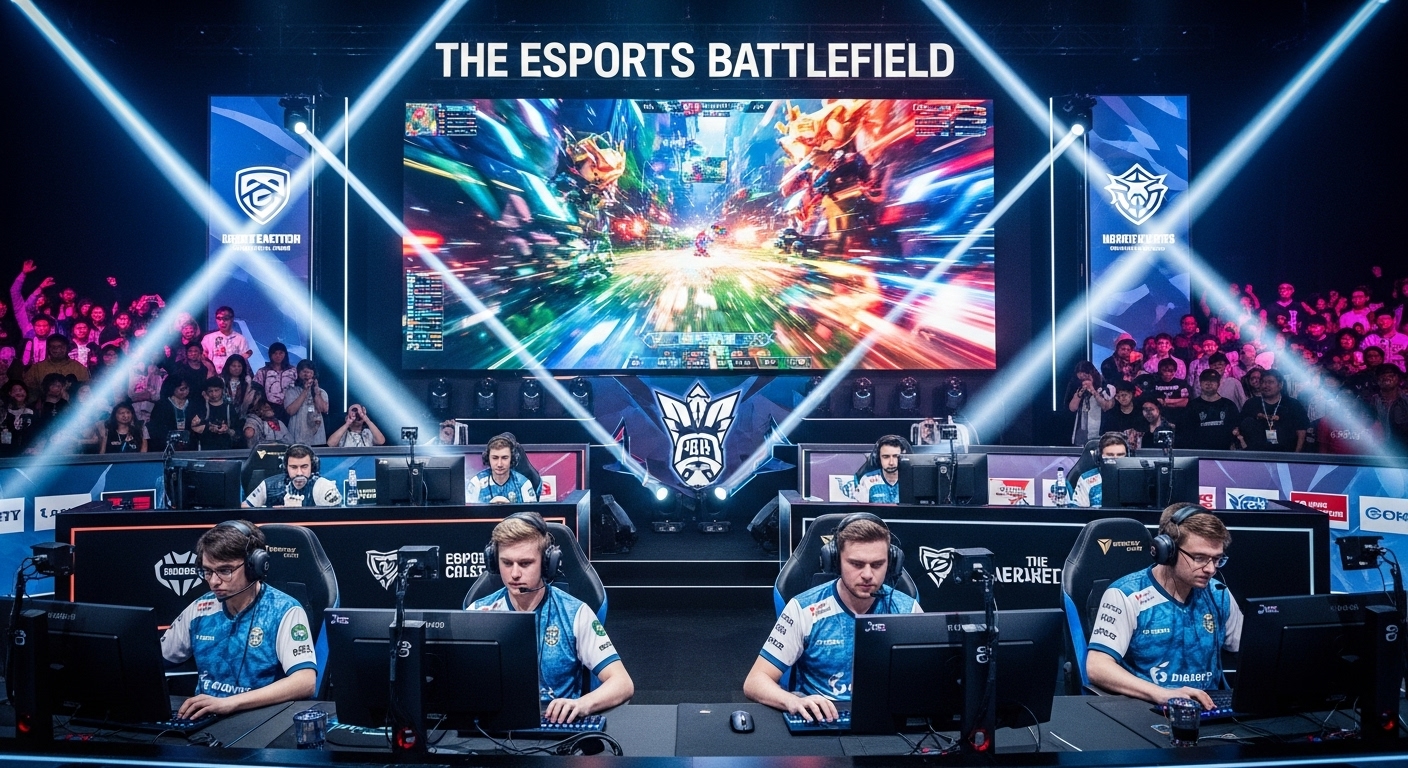
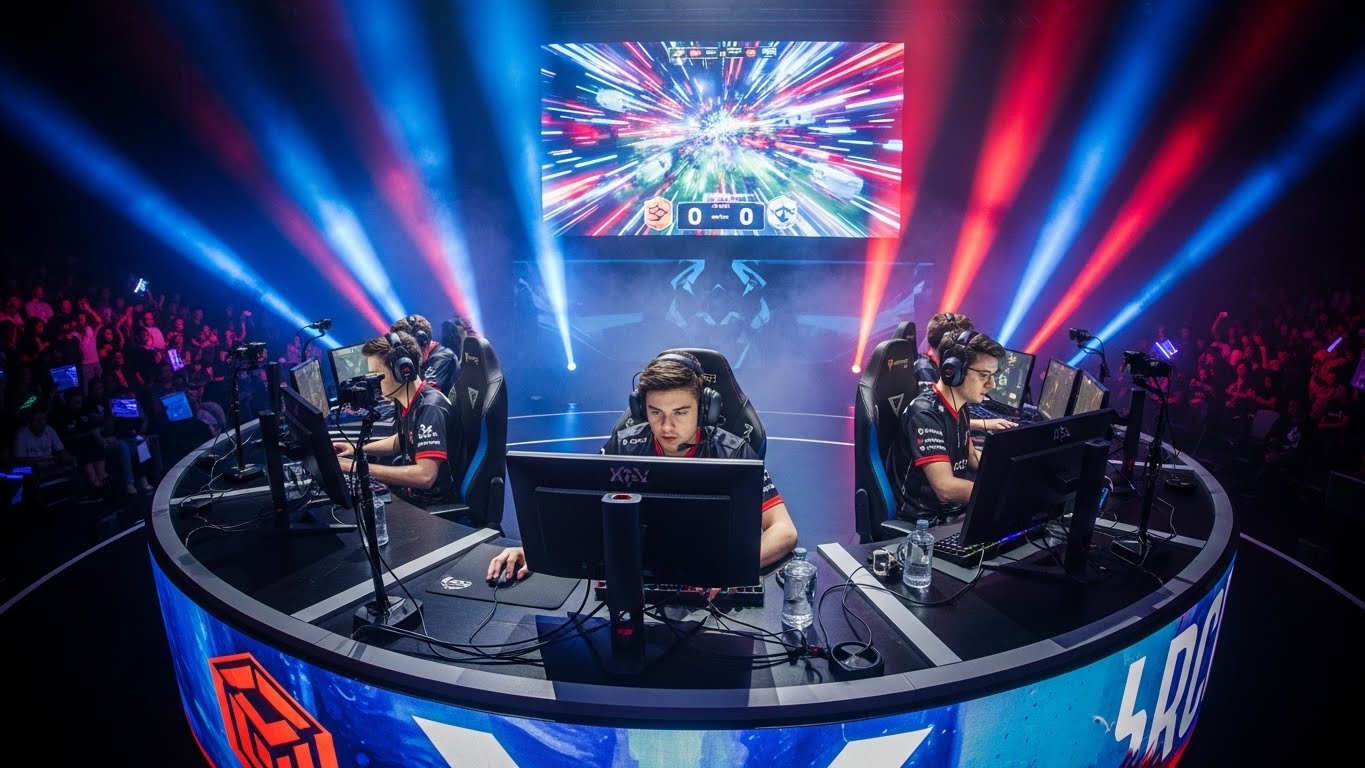
In the modern world, where technology intertwines with almost every aspect of life, esports has emerged as a revolutionary form of entertainment and competition. Once dismissed as a niche hobby reserved for teenagers in basements, esports has transformed into a global phenomenon, attracting millions of viewers, inspiring professional careers, and reshaping cultural perceptions of gaming.
Esports, short for electronic sports, involves organized, competitive video gaming at professional levels. It encompasses tournaments, leagues, and events across multiple gaming genres, where players and teams dedicate themselves to skill mastery and strategic excellence. Beyond the digital battlegrounds, esports has evolved into an industry with significant economic, cultural, and social influence, challenging the boundaries of what we define as sport and entertainment.
The Origins of Competitive Gaming
The roots of esports trace back to the 1970s when early computer games became a platform for informal competition. One of the earliest recorded gaming competitions was held at Stanford University for the game Spacewar, where the prize was a subscription to Rolling Stone magazine. Though modest, this event marked the beginning of organized competition in video gaming.
During the 1980s, arcade gaming culture flourished. Titles such as Pac-Man, Donkey Kong, and Space Invaders drew large crowds to arcades, where players competed for high scores and local recognition. These competitions, while localized, laid the groundwork for the structured esports tournaments of the future.
The 1990s saw the advent of home consoles and personal computers, creating new possibilities for multiplayer gaming. Online gaming platforms allowed players to compete across cities, countries, and even continents. Games such as Quake, Doom, and StarCraft became popular for their competitive nature, establishing a foundation for esports as a professional pursuit. South Korea emerged as a leader during this period, introducing televised StarCraft leagues that elevated gaming into mainstream entertainment.
The Rise of Professional Esports
The early 2000s marked a turning point, with the formation of professional esports leagues and organizations. Major League Gaming in the United States and the Cyberathlete Professional League were among the first to offer structured competitions with prize money, fostering the emergence of professional players.
During this era, esports began attracting sponsorships and media attention. The industry transitioned from informal competitions to organized leagues with teams, coaches, and dedicated fan bases. International tournaments allowed players to compete on a global stage, further elevating esports’ status and legitimacy.
The expansion of broadband internet and streaming technology in the 2010s accelerated esports’ growth. Platforms like Twitch and YouTube Gaming allowed millions of fans to watch live competitions, interact with players, and engage with gaming communities. Titles such as League of Legends, Dota 2, and Counter-Strike: Global Offensive became iconic esports franchises, drawing massive audiences both online and in live arenas.
Major Games Shaping the Esports Landscape
Esports is defined not by a single game but by a range of competitive titles, each contributing to the industry’s diversity and appeal. Several games have been instrumental in shaping the esports ecosystem.
League of Legends
League of Legends (LoL), developed by Riot Games, is one of the most influential esports titles. Its strategic gameplay, complex team dynamics, and global competitive scene have made it a flagship for the esports industry. The League of Legends World Championship consistently attracts millions of viewers worldwide, setting new standards for production, storytelling, and fan engagement.
Dota 2
Dota 2, developed by Valve, is known for its deep complexity and massive prize pools. The International, Dota 2’s premier annual tournament, frequently offers multi-million-dollar rewards, showcasing the financial potential of esports. Its highly strategic gameplay attracts a dedicated player base and maintains a robust competitive ecosystem.
Counter-Strike: Global Offensive
Counter-Strike: Global Offensive (CS:GO) remains a cornerstone of esports, particularly in the first-person shooter genre. With a focus on tactics, teamwork, and precision, CS:GO has maintained popularity for nearly two decades. Competitive leagues, international tournaments, and a passionate community have contributed to its enduring success.
Fortnite
Fortnite, developed by Epic Games, revolutionized esports through its blend of building mechanics and battle royale gameplay. Its accessibility and mainstream appeal drew a wide audience, while high-profile tournaments like the Fortnite World Cup demonstrated esports’ potential for spectacle and mass participation.
Valorant and Overwatch
Valorant and Overwatch represent modern approaches to team-based shooters, combining fast-paced action with unique character abilities. These games exemplify the diversity of esports, appealing to both casual players and competitive professionals while continuously innovating gameplay strategies.
The Professional Esports Ecosystem
Esports operates as a complex ecosystem, involving players, teams, organizations, sponsors, broadcasters, and fans. Professional players dedicate years to training, developing strategies, and refining their skills. Unlike traditional athletes, esports competitors rely on mental agility, reflexes, and teamwork as their primary tools for success.
Teams operate much like traditional sports franchises, managing rosters across multiple games, hiring coaches and analysts, and negotiating sponsorship deals. Organizations such as T1, Team Liquid, and Fnatic have built global brands that extend beyond competition, influencing fashion, lifestyle, and media culture.
Sponsorships and advertising are vital revenue sources. Corporations recognize esports’ ability to reach younger, digitally-native audiences. Brands invest in tournaments, player endorsements, and content creation to leverage the engagement of millions of viewers worldwide.
Training and Lifestyle of Esports Athletes
Contrary to common stereotypes, professional esports athletes maintain rigorous training regimens. Daily practice often exceeds eight hours, focusing on mechanical skills, strategic planning, and team coordination. Teams often reside in training facilities, or “gaming houses,” where coaches, nutritionists, and psychologists support holistic player development.
Mental health and physical fitness are critical considerations. High-level competition can cause stress, fatigue, and burnout. Organizations increasingly prioritize wellness programs, balancing practice intensity with rest and mental conditioning. Career longevity is a unique challenge in esports, as peak performance often occurs in players’ late teens or early twenties. Post-competition roles in coaching, streaming, or content creation allow athletes to maintain careers beyond active play.
Economic Impact and Revenue Streams
The esports industry has become a multi-billion-dollar enterprise. Revenue streams include tournament prize pools, sponsorships, media rights, merchandise sales, and ticketing for live events. Major tournaments can attract tens of thousands of spectators, while online viewership reaches millions globally.
Prize pools have reached unprecedented levels, with The International 2021 offering over forty million dollars in rewards. Sponsorship deals from global brands, ranging from technology companies to lifestyle products, have solidified esports as a lucrative marketing platform.
The industry also benefits related sectors such as hardware manufacturing, game development, and digital marketing. Cities hosting tournaments gain economic advantages through tourism, hospitality, and media exposure, highlighting esports’ influence beyond entertainment.
Cultural Influence of Esports
Esports has evolved into a cultural phenomenon, impacting fashion, music, and digital media. Collaborations between teams and apparel brands create merchandise that blends style with gaming identity. Music performances at esports events illustrate the merging of entertainment forms, attracting diverse audiences beyond the core gaming community.
The mainstream acceptance of esports has challenged outdated stereotypes. Gaming is increasingly recognized as a skill-based activity requiring strategy, teamwork, and discipline. Communities of fans, players, and content creators have formed global networks that connect people across countries and cultures, fostering social cohesion through shared interests.
Challenges Facing Esports
Despite its rapid growth, esports faces several challenges. One major concern is the lack of standardized governance. Unlike traditional sports, each game developer maintains control over competitive rules, contracts, and tournament structure. This fragmentation can lead to inconsistencies and disputes within the industry.
Player burnout and mental health are persistent issues. Long practice hours, high-pressure competitions, and online scrutiny create stress that requires management and support. Financial sustainability is another concern, particularly for smaller teams that rely heavily on sponsorships and tournament earnings.
Toxicity and cheating in online communities remain ongoing challenges. Developers and organizations are implementing tools and policies to reduce harassment and ensure fair play, but maintaining positive gaming environments is a continuous effort.
Esports in Education
Educational institutions increasingly recognize the value of esports. High schools and universities offer esports programs, scholarships, and competitive leagues that teach teamwork, strategic thinking, and leadership skills. Academic programs in esports management and game design are emerging, preparing students for careers in the growing industry.
Research has highlighted cognitive benefits associated with gaming, including enhanced reaction time, multitasking, and problem-solving abilities. Integrating esports into education combines passion with professional development, creating structured opportunities for students to thrive both academically and competitively.
Global Expansion and Accessibility
Esports has become a global phenomenon. South Korea, China, and the United States lead in professional leagues, but regions such as Europe, Latin America, and Southeast Asia are experiencing rapid growth. Mobile esports has further expanded accessibility, enabling participation in regions where PCs and consoles may be less common.
Governments are acknowledging esports as an economic and cultural asset. Professional players are now granted athlete visas in several countries, while cities host large-scale events to promote tourism and local economies. This globalization ensures that esports is not limited to certain regions but is inclusive of a diverse international community.
The Future of Esports
The future of esports is closely tied to emerging technologies. Virtual reality, augmented reality, and artificial intelligence are expected to enhance gameplay, training, and spectator experiences. Fans may one day experience matches as immersive participants rather than passive observers.
Blockchain and digital collectibles are poised to redefine fan engagement, allowing unique in-game items and experiences to create new revenue streams. The discussion of esports inclusion in the Olympic Games reflects the industry’s growing legitimacy and global recognition.
Mobile and cloud gaming will continue to expand esports’ reach, allowing wider participation across socioeconomic backgrounds. As the industry evolves, esports is likely to continue merging digital innovation, competitive excellence, and cultural relevance.
Conclusion
Esports has grown from humble beginnings into a global industry that reshapes entertainment, culture, and competition. It demonstrates how technology can create entirely new forms of social interaction, career opportunities, and international community.
The rise of esports reflects the potential of human creativity and innovation in the digital era. Players, teams, organizations, and fans have collectively built an ecosystem that rivals traditional sports in popularity, excitement, and economic impact. As esports continues to expand, it stands as a testament to the power of passion, strategy, and human connection in the modern world.