Introduction: The Digital Arena Comes of Age
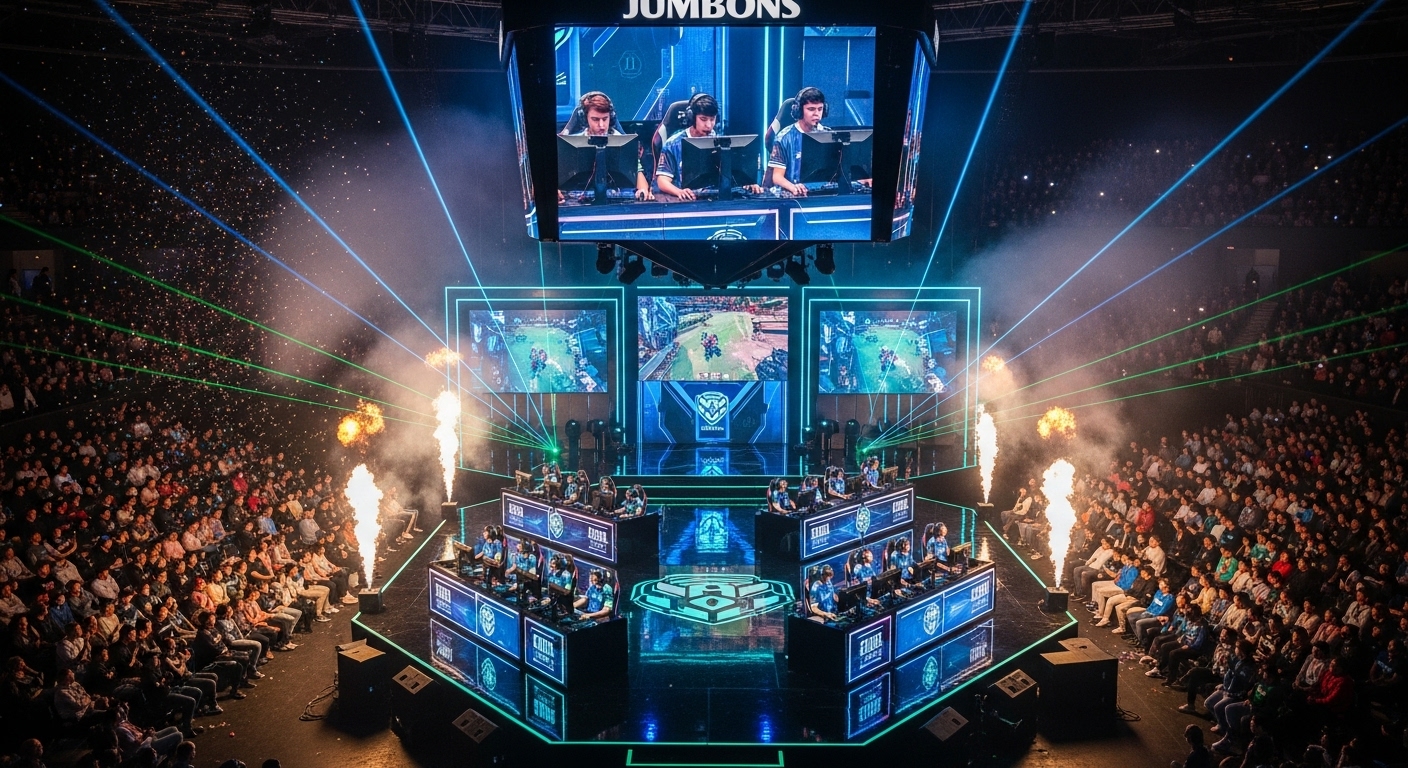
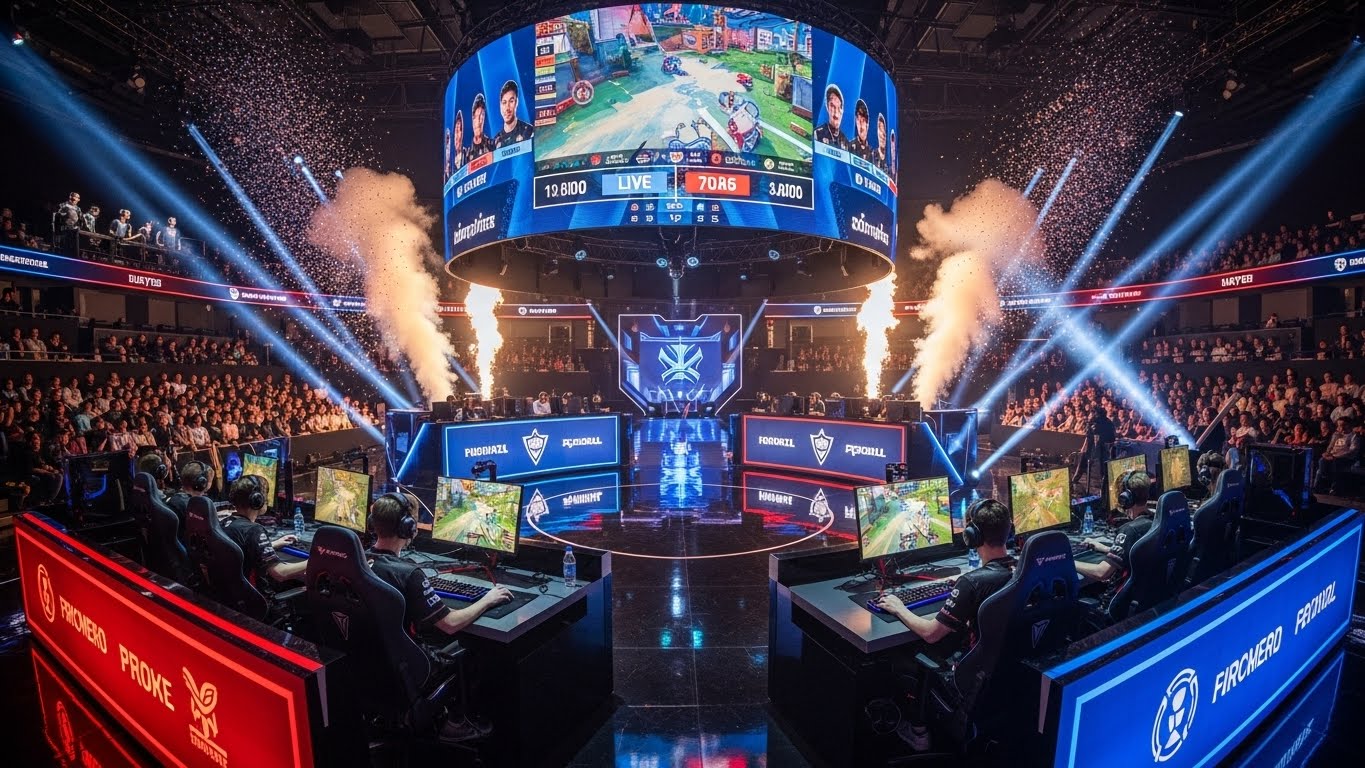
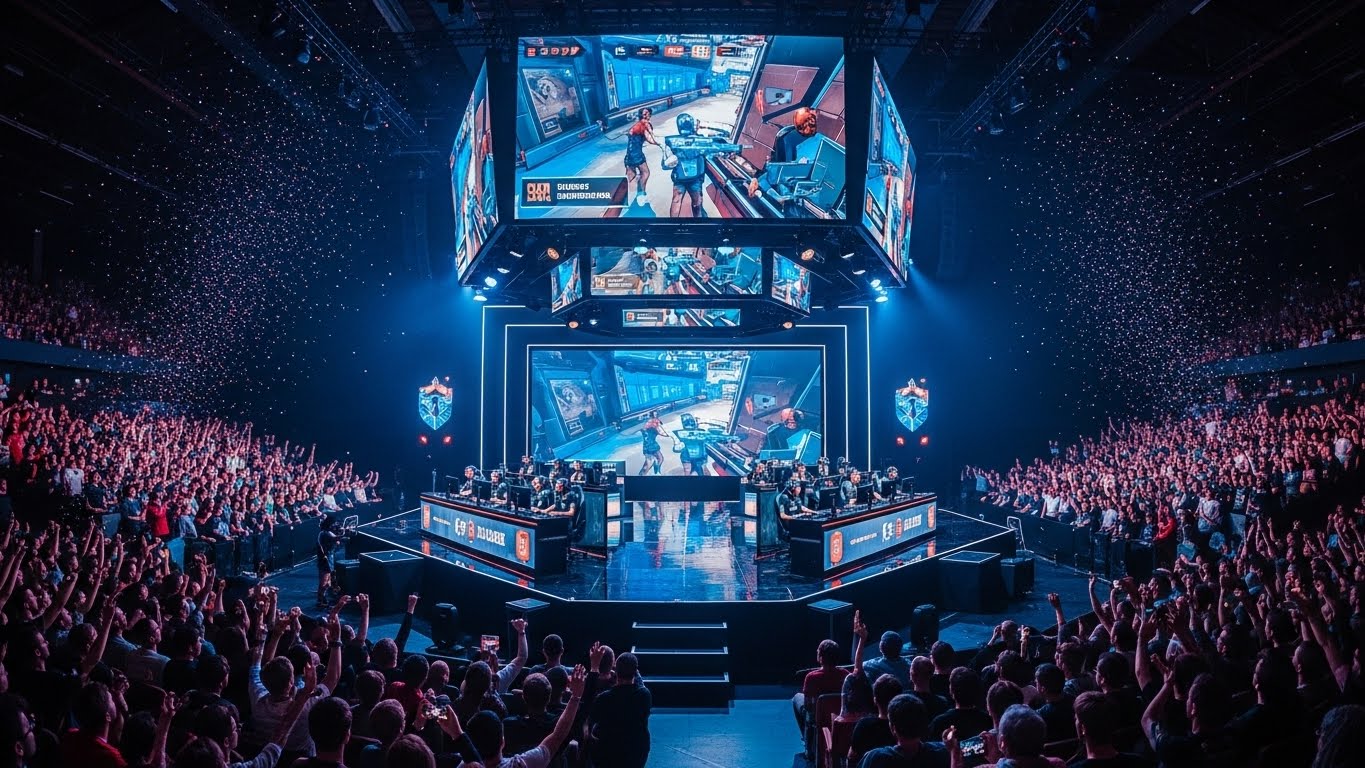
Esports, once dismissed as a niche pastime for hobbyists, has evolved into a global cultural and economic force. Competitive gaming now fills stadiums, attracts millions of online viewers, and generates careers that rival those in traditional sports. What began in small internet cafés and home computers has transformed into a structured ecosystem with professional teams, coaches, analysts, broadcasters, sponsors, and passionate fan communities. Esports is no longer just about playing games; it is about identity, performance, technology, and the future of entertainment.
The Origins of Competitive Gaming
The roots of esports can be traced back to the early days of video gaming, when players competed for high scores on arcade machines. Friendly rivalries slowly turned into organized competitions as technology advanced. With the rise of personal computers and local area networks, multiplayer games enabled players to compete directly against one another. These early tournaments were small and informal, but they planted the seeds for what would eventually become a professional industry.
As internet connectivity improved, competitive gaming crossed borders. Players could now face opponents from different countries, building global rivalries and communities. This shift laid the foundation for esports as a spectator activity, where watching skilled players became just as exciting as playing the games themselves.
The Rise of Professional Esports
Professional esports emerged when competition became structured and consistent. Leagues, tournaments, and seasonal events introduced rules, rankings, and prize pools. Teams formed with dedicated roles, training schedules, and long-term strategies. Players transitioned from casual competitors into professional athletes who practiced for hours each day to maintain peak performance.
This professionalization brought legitimacy. Sponsors and organizations recognized the marketing potential of esports, investing in teams and events. With financial backing came better infrastructure, including training facilities, coaching staff, and player support systems. Esports was no longer a hobby; it was a career path.
Games That Define the Esports Landscape
Esports is not a single game but a diverse collection of competitive titles across multiple genres. Strategy-based games emphasize decision-making and teamwork, while first-person shooters reward precision, reflexes, and tactical awareness. Sports simulations mirror real-world athletics, and fighting games showcase individual skill and mental resilience.
Each game contributes its own culture and fanbase, creating a rich and varied ecosystem. Some titles dominate international tournaments, while others thrive in regional scenes. This diversity is one of esports’ greatest strengths, allowing it to appeal to a wide range of players and viewers.
The Esports Athlete: More Than Just a Gamer
Modern esports athletes challenge outdated stereotypes. Success at the highest level requires discipline, focus, and resilience. Players train rigorously, often following structured routines that include strategy review, mechanical practice, physical exercise, and mental conditioning. Reaction time, hand-eye coordination, and communication skills are critical, but so are adaptability and emotional control.
Mental health has become an important topic within esports. The pressure to perform, constant competition, and public scrutiny can be intense. As a result, teams increasingly prioritize player well-being, employing psychologists and wellness coaches to support long-term performance and career longevity.
The Role of Teams and Organizations
Esports teams function much like traditional sports clubs. They recruit talent, develop strategies, and build brand identities that resonate with fans. Behind every successful team is a support structure that includes coaches, analysts, managers, and content creators.
Organizations also play a key role in shaping player careers. They provide contracts, salaries, and opportunities for growth both in and out of competition. Many teams encourage players to build personal brands through streaming and social media, recognizing that fan engagement is essential to long-term success.
Esports as Entertainment and Media
One of the defining features of esports is its relationship with digital media. Esports thrives on live broadcasts, interactive chat, and real-time fan engagement. Viewers are not passive spectators; they participate by discussing strategies, supporting teams, and sharing highlights.
Production quality has improved dramatically, with professional commentary, detailed analysis, and immersive visual effects. These broadcasts transform matches into compelling narratives, making esports accessible even to newcomers. As a result, esports has carved out a unique space in the entertainment industry, blending competition, storytelling, and community.
The Business of Esports
Esports is also a rapidly growing business. Revenue streams include sponsorships, advertising, merchandise, ticket sales, and media rights. Brands see esports as a way to connect with younger, digitally native audiences. This has led to partnerships across industries, from technology and apparel to food and entertainment.
Despite its growth, the esports economy continues to evolve. Sustainability is a key challenge, as organizations balance investment with long-term profitability. Nonetheless, innovation remains constant, with new formats, leagues, and revenue models shaping the future of the industry.
Esports and Global Culture
Esports transcends geographic and cultural boundaries. International tournaments bring together players and fans from around the world, fostering cross-cultural exchange. Shared passion for games creates connections that go beyond language and nationality.
In many regions, esports has become a source of national pride. Players represent their countries on the global stage, inspiring aspiring gamers and legitimizing esports within mainstream culture. Educational institutions have also embraced esports, offering scholarships and programs that recognize competitive gaming as a valuable skill set.
Challenges Facing the Esports Industry
Despite its success, esports faces several challenges. Rapid growth can strain infrastructure and governance. Issues such as competitive integrity, fair play, and player rights require ongoing attention. The fast-paced nature of the industry also means that games can rise and fall in popularity quickly, creating uncertainty for players and organizations.
Another challenge is inclusivity. While esports is global, efforts are still needed to ensure equal opportunities regardless of gender, background, or region. Addressing these challenges is essential for building a sustainable and ethical future for competitive gaming.
The Future of Esports
Looking ahead, the future of esports is full of potential. Advances in technology will continue to enhance gameplay, viewing experiences, and training methods. Virtual and augmented reality may introduce new forms of competition, while data analytics will further refine strategies and performance.
Esports is also likely to deepen its connection with traditional sports, entertainment, and education. As acceptance grows, esports will continue to influence how society views competition, teamwork, and digital creativity.
Conclusion: A New Era of Competition
Esports represents more than a trend; it is a reflection of how technology reshapes culture and competition. From its humble beginnings to its current global impact, esports has redefined what it means to be an athlete, a fan, and a competitor. It brings people together through shared experiences, challenges conventions, and opens doors to new possibilities.
As esports continues to grow and mature, it will remain a powerful example of how passion, innovation, and community can transform play into something extraordinary. The digital arena is here to stay, and its influence is only just beginning.