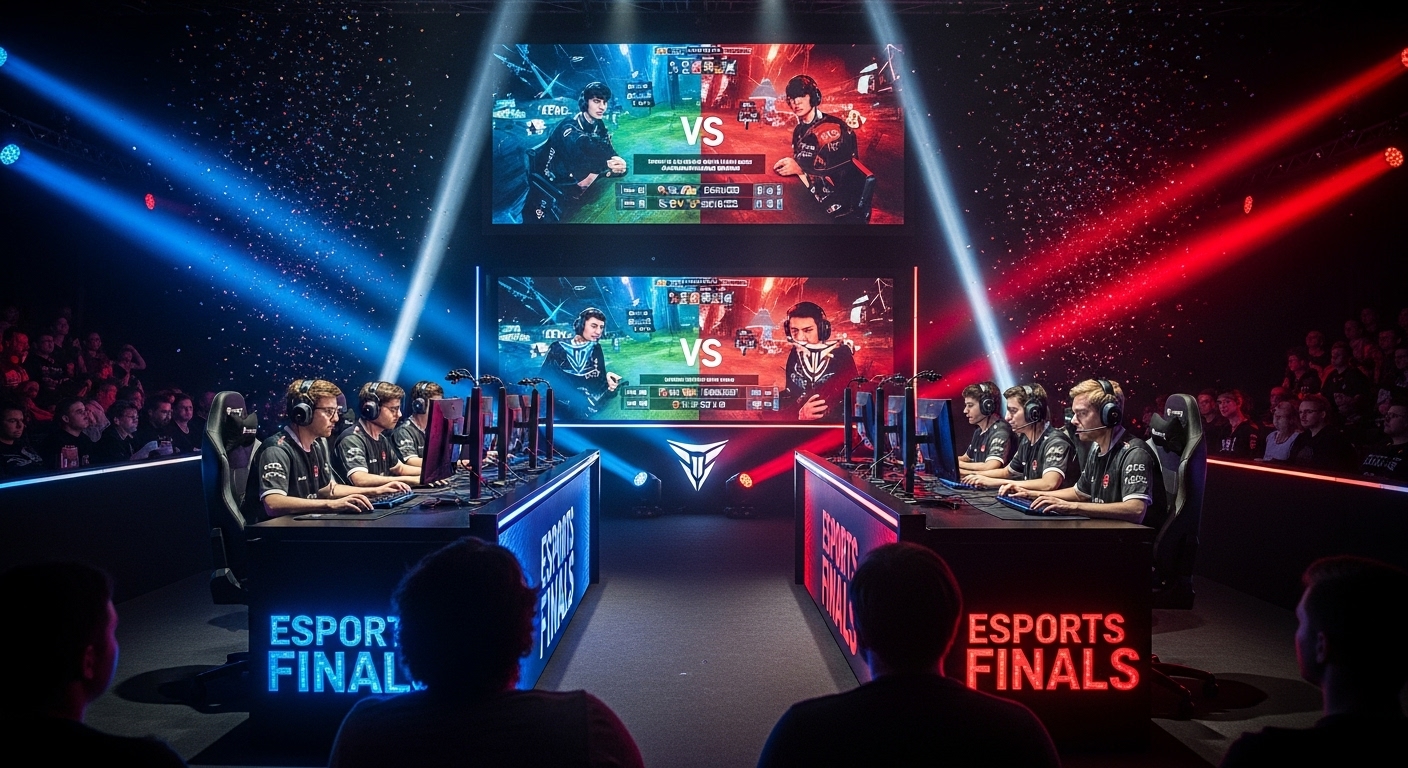
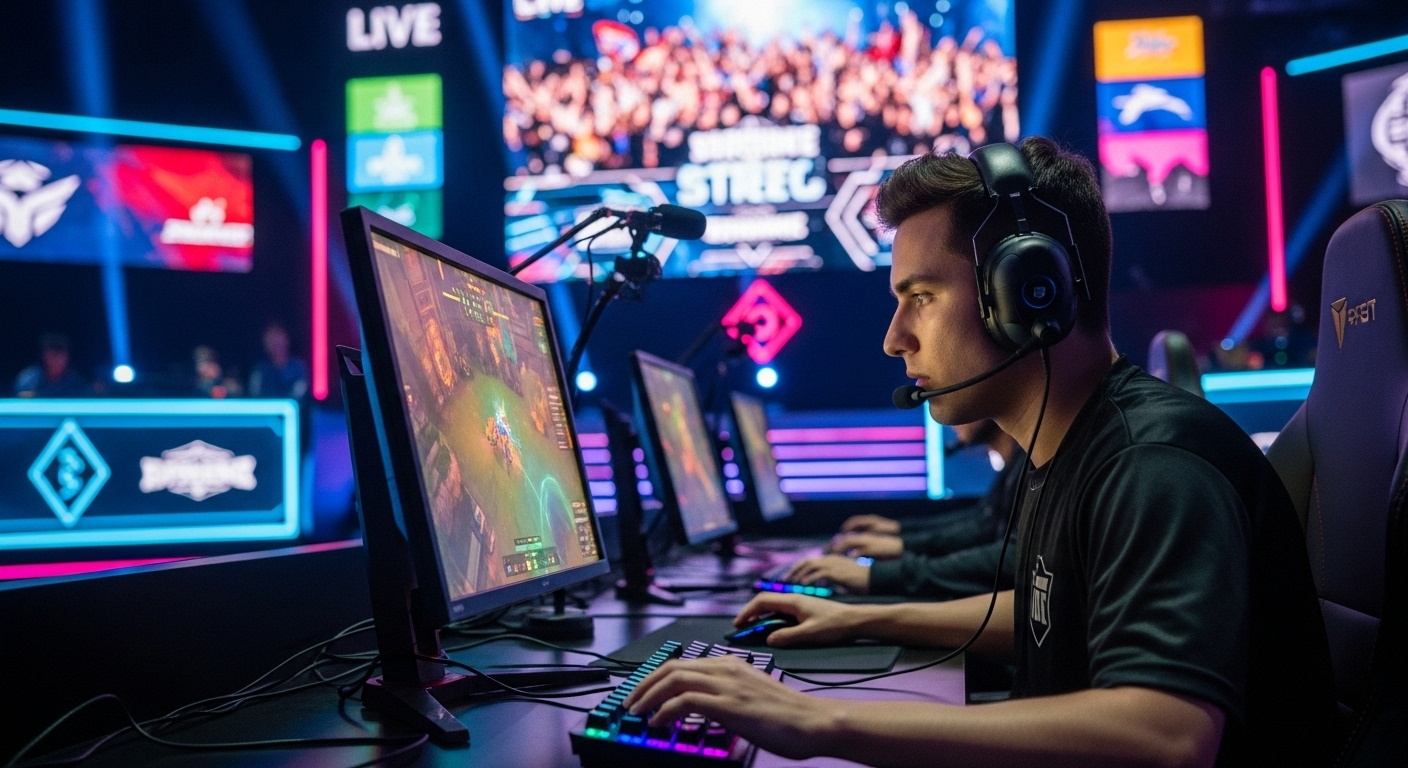
Esports has transformed the world of gaming into a competitive arena where skill, strategy, and teamwork are celebrated on a global stage. What was once considered a hobby is now a serious industry, attracting millions of fans and professional players worldwide.
What Exactly is Esports?
Esports, or electronic sports, refers to organized, competitive video gaming. Players or teams compete in games ranging from strategy and first-person shooters to multiplayer online battle arenas. Unlike casual gaming, esports demands precision, quick thinking, and collaboration, making it a serious pursuit for professional athletes in the digital world.
The Explosive Growth of Esports
The esports industry has seen rapid expansion in recent years. International tournaments offer multi-million-dollar prize pools, attracting elite players and fans from all corners of the globe. Streaming platforms allow audiences to watch live matches, follow favorite players, and engage with communities, turning esports into a powerful form of entertainment and cultural influence.
Careers Beyond Playing
Esports is more than just playing games—it’s a full-fledged career path. Professional players train rigorously to compete at the highest level. Beyond playing, opportunities exist in coaching, analytics, broadcasting, content creation, and event management. The industry has created jobs that combine gaming expertise with professional skills, proving that esports is a sustainable and dynamic career option.
Technology Driving the Game
Advanced technology is at the heart of esports. High-performance computers, gaming consoles, and specialized peripherals are crucial for competitive play. Reliable internet infrastructure enables smooth online matches, while streaming platforms connect fans to events in real-time. Emerging technologies like virtual reality and augmented reality are set to redefine esports experiences, creating immersive gameplay like never before.
Building Communities Through Esports
Esports is built on community and interaction. Fans connect through live streams, social media, and gaming forums, forming supportive networks that celebrate achievements and share strategies. This sense of belonging enhances the gaming experience and strengthens the culture surrounding esports.
The Future of Esports
The future of esports is bright and full of potential. With continued innovation, increased investment, and wider global recognition, esports is moving toward mainstream acceptance. Educational programs, inclusive tournaments, and integration with traditional sports are shaping a future where competitive gaming is recognized as a legitimate and enduring form of entertainment.
Conclusion
Esports is no longer just a pastime—it’s a global phenomenon that combines skill, strategy, technology, and community. As the industry continues to grow, it will keep redefining competition, entertainment, and human connection in the digital era. The world of esports is here to stay, and its influence will continue to expand across generations of players and fans alike.