Introduction
Professional gaming has grown into a global industry, offering fame, fortune, and opportunities for talented players. However, behind the glamour of esports tournaments, live streams, and sponsorships lies a demanding environment that can take a toll on mental health. Long hours of practice, high-pressure competition, and constant public scrutiny make professional gaming uniquely challenging from a psychological perspective.
This blog explores the mental health aspects of professional gaming, examining the pressures players face, common psychological challenges, and strategies to maintain well-being while competing at the highest level.
The Pressure of Performance
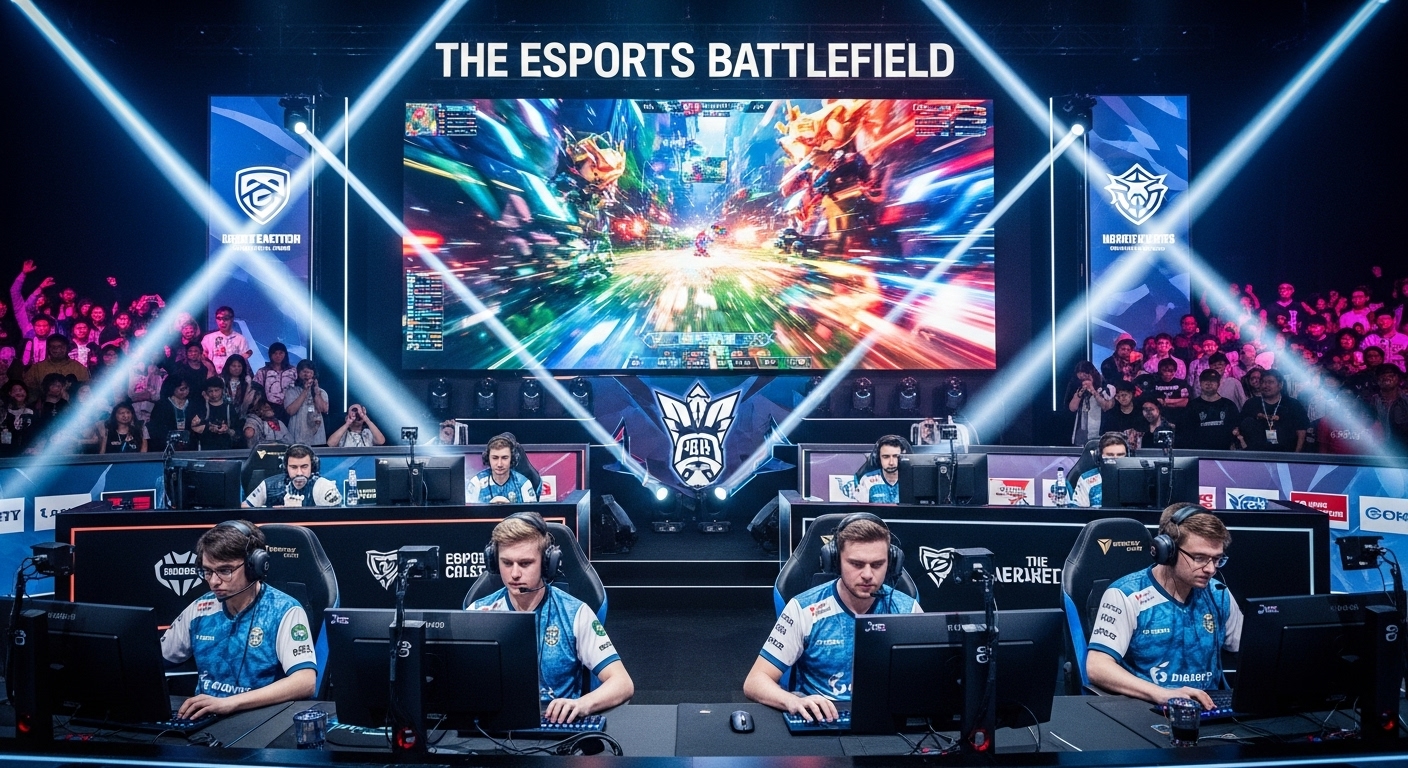
Performance pressure is one of the most significant stressors in professional gaming. Players are expected to consistently perform at peak levels during practice sessions and live tournaments, where split-second decisions can determine wins or losses.
High expectations from sponsors, teams, and fans add to the strain. Many players experience anxiety, burnout, or self-doubt when they fail to meet personal or external expectations. Unlike traditional sports, professional gamers often face public critique on streaming platforms, forums, and social media, amplifying pressure and affecting self-esteem.
Long Hours and Physical Strain
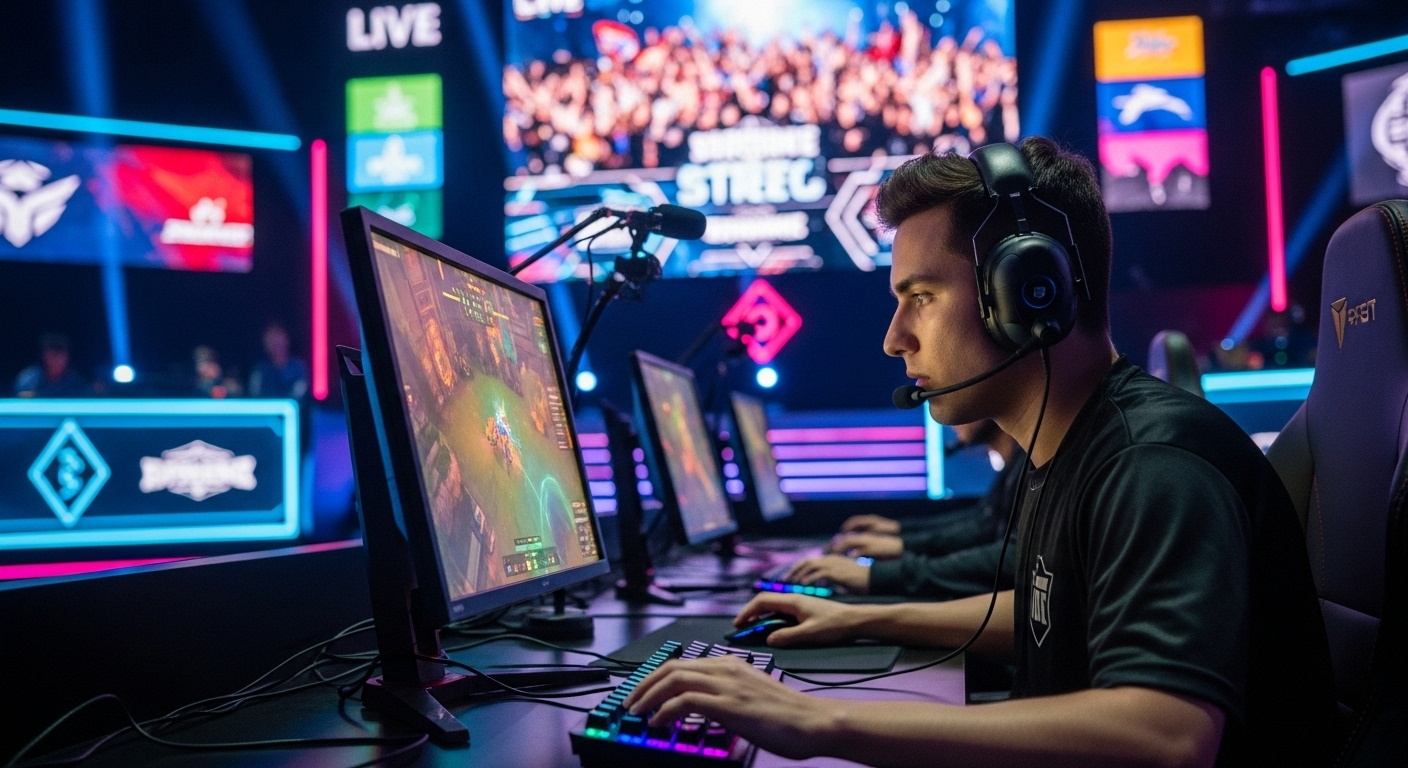
Professional gamers often practice between eight and twelve hours daily to maintain competitive skills. These long hours can lead to physical and mental fatigue, exacerbating stress and impacting overall health.
Sitting for extended periods, repetitive hand movements, and screen exposure can contribute to musculoskeletal issues, eye strain, and disrupted sleep patterns. Over time, physical strain can negatively affect mental well-being, creating a cycle of exhaustion, reduced focus, and frustration during competition.
Burnout in Esports
Burnout is a common phenomenon in professional gaming, characterized by emotional exhaustion, reduced motivation, and diminished performance. It often occurs when players face prolonged periods of high-intensity practice and competition without adequate rest or mental recovery.
Burnout can manifest as irritability, lack of focus, or withdrawal from social interactions. Many professional players step away from competition temporarily to recover, emphasizing the importance of recognizing early warning signs and prioritizing mental health.
Anxiety and Depression
Competitive gaming can contribute to anxiety and depression due to the combination of performance pressure, public scrutiny, and personal challenges. Players may experience:
- Performance Anxiety: Fear of making mistakes during critical matches.
- Social Anxiety: Discomfort with public appearances, interviews, and streaming interactions.
- Depression: Feelings of sadness or hopelessness after repeated losses or prolonged stress.
These conditions are increasingly recognized in the esports community, prompting teams and organizations to provide mental health support and resources for players.
Online Harassment and Toxicity
Professional gamers often face harassment and toxic behavior from online communities. Negative comments, threats, and personal attacks on social media or streaming platforms can severely affect mental health.
Constant exposure to online toxicity can lead to stress, anxiety, and lowered self-esteem. Managing public interactions and setting boundaries is essential for maintaining emotional well-being. Many players work with mental health professionals or use coping strategies to navigate the challenges of online harassment.
The Role of Team Dynamics
Team dynamics play a significant role in professional gamers’ mental health. Positive relationships with teammates, coaches, and support staff can provide a buffer against stress, while toxic environments or conflicts can exacerbate mental strain.
Effective communication, mutual respect, and constructive feedback contribute to a healthy competitive environment. Conversely, criticism without support or internal team tension can increase stress levels, reduce performance, and lead to long-term psychological challenges.
Mental Health Support in Esports
In recent years, esports organizations have recognized the importance of mental health support for players. Measures include:
- Access to Psychologists and Counselors: Teams provide professional support to manage stress, anxiety, and performance pressure.
- Mental Skills Training: Programs focus on focus, confidence, and emotional regulation during competition.
- Wellness Initiatives: Encouraging regular breaks, physical exercise, proper sleep, and nutrition to support overall well-being.
- Peer Support: Mentorship and open communication within teams help players navigate challenges collaboratively.
These initiatives are essential for maintaining peak performance while safeguarding players’ mental health.
Balancing Competition and Personal Life
Maintaining balance between professional gaming and personal life is critical. Players are encouraged to set boundaries, schedule downtime, and engage in hobbies outside gaming. Social support from family and friends plays a vital role in emotional resilience.
Developing a structured routine, including rest periods, physical activity, and mental relaxation, can prevent burnout and improve both performance and long-term well-being. Mindfulness practices, meditation, and mental resilience exercises are also increasingly used by professional gamers to manage stress.
The Stigma Around Mental Health in Gaming
Despite growing awareness, mental health stigma persists in esports. Some players may feel pressured to appear strong or unaffected, fearing judgment from peers, fans, or sponsors.
Addressing stigma involves promoting open dialogue, educating teams and fans, and normalizing the use of mental health resources. Recognizing that mental well-being is as important as physical skill is crucial for sustainable careers in professional gaming.
Looking Ahead: The Future of Mental Health in Esports
The future of professional gaming includes a stronger emphasis on mental health support. Organizations are increasingly integrating wellness programs, psychological support, and structured schedules to prevent burnout.
Esports leagues and tournaments may implement regulations encouraging rest periods, limiting excessive practice hours, and providing resources for coping with stress and online harassment. As awareness grows, the industry is likely to see healthier, more sustainable careers for professional gamers.
Conclusion
Professional gaming offers exciting opportunities, fame, and rewards, but it also brings significant mental health challenges. Performance pressure, long hours, burnout, online toxicity, and anxiety are realities that many players face.
By recognizing these challenges and implementing support systems, esports organizations can create healthier environments for players. Mental health care, structured routines, team support, and personal balance are key to sustainable success in competitive gaming. Understanding the mental health side of professional gaming is essential for both players and fans, ensuring that esports remains a thriving and positive industry for years to come.