In the past decade, esports has transitioned from a niche hobby to a global phenomenon, transforming the way people perceive competitive gaming. Once considered a pastime for a small community of enthusiasts, esports now commands massive audiences, significant investment, and a professional ecosystem comparable to traditional sports. Its rapid growth reflects broader shifts in technology, culture, and entertainment, highlighting the intersection of digital innovation and human competition. This article explores the rise of esports, its impact on players and audiences, technological advancements, and its role in shaping the future of entertainment.
Understanding Esports
Esports, short for electronic sports, refers to organized, competitive video gaming where individuals or teams compete in tournaments for recognition, prizes, and professional rankings. Unlike casual gaming, esports demands skill, strategy, teamwork, and high-level performance under pressure. Popular esports titles span genres such as multiplayer online battle arenas, first-person shooters, real-time strategy games, and sports simulations.
Esports has grown beyond casual competition to include professional leagues, live events, online streaming, and sponsorship deals. Top-tier players are now recognized as athletes, and their performance is analyzed, coached, and supported much like professional sports. The professionalization of esports has opened pathways for careers in gaming, media, event management, and technology.
The Rise of Esports: From Hobby to Global Stage
Esports’ rise is rooted in the proliferation of online gaming and digital communities. Early competitive gaming communities formed around titles such as StarCraft, Counter-Strike, and Warcraft, where players competed in small tournaments or local events. These gatherings, initially limited in scale, laid the foundation for larger, organized competitions.
Streaming platforms and video-sharing services further accelerated esports’ growth by allowing audiences to watch live gameplay from anywhere in the world. As viewership expanded, sponsors and investors recognized the potential of esports as a marketable and profitable entertainment sector. Today, global esports tournaments attract millions of viewers, with prize pools reaching millions of dollars.
Popular Esports Genres
Esports encompasses a wide range of game genres, each requiring distinct skills and strategies. Multiplayer online battle arenas (MOBAs) such as League of Legends and Dota 2 emphasize teamwork, map control, and tactical decision-making. First-person shooters (FPS) like Counter-Strike: Global Offensive and Call of Duty demand reflexes, precision, and strategic positioning.
Real-time strategy (RTS) games challenge players to manage resources, plan long-term strategies, and adapt to opponents’ actions. Sports simulation games, including FIFA and NBA 2K, replicate real-world sports, allowing players to compete in virtual versions of popular athletic events. The diversity of esports genres ensures wide appeal and attracts audiences with varied interests.
Esports as a Career
Esports offers a viable career path for talented players, coaches, analysts, and content creators. Professional players dedicate hours to training, analyzing gameplay, and refining strategies, similar to traditional athletes. Successful esports players often achieve celebrity status, with dedicated fan followings, sponsorship deals, and brand endorsements.
Beyond playing, careers in coaching, management, event organization, broadcasting, and marketing have emerged, providing opportunities within the broader esports ecosystem. Universities and institutions now offer esports scholarships and programs, reflecting the growing recognition of gaming as a professional discipline.
The Role of Streaming Platforms
Streaming platforms have revolutionized esports by enabling fans to watch live matches, interact with players, and engage with communities. Platforms allow professional tournaments to reach global audiences instantly, creating a shared, interactive experience. Live commentary, analytics, and audience participation enhance engagement and foster a sense of connection among viewers.
Streaming has also empowered amateur players and content creators to build personal brands, attract sponsorships, and participate in the esports ecosystem. The democratization of content creation has expanded esports’ reach, allowing diverse voices and talent to thrive in the industry.
Esports Events and Tournaments
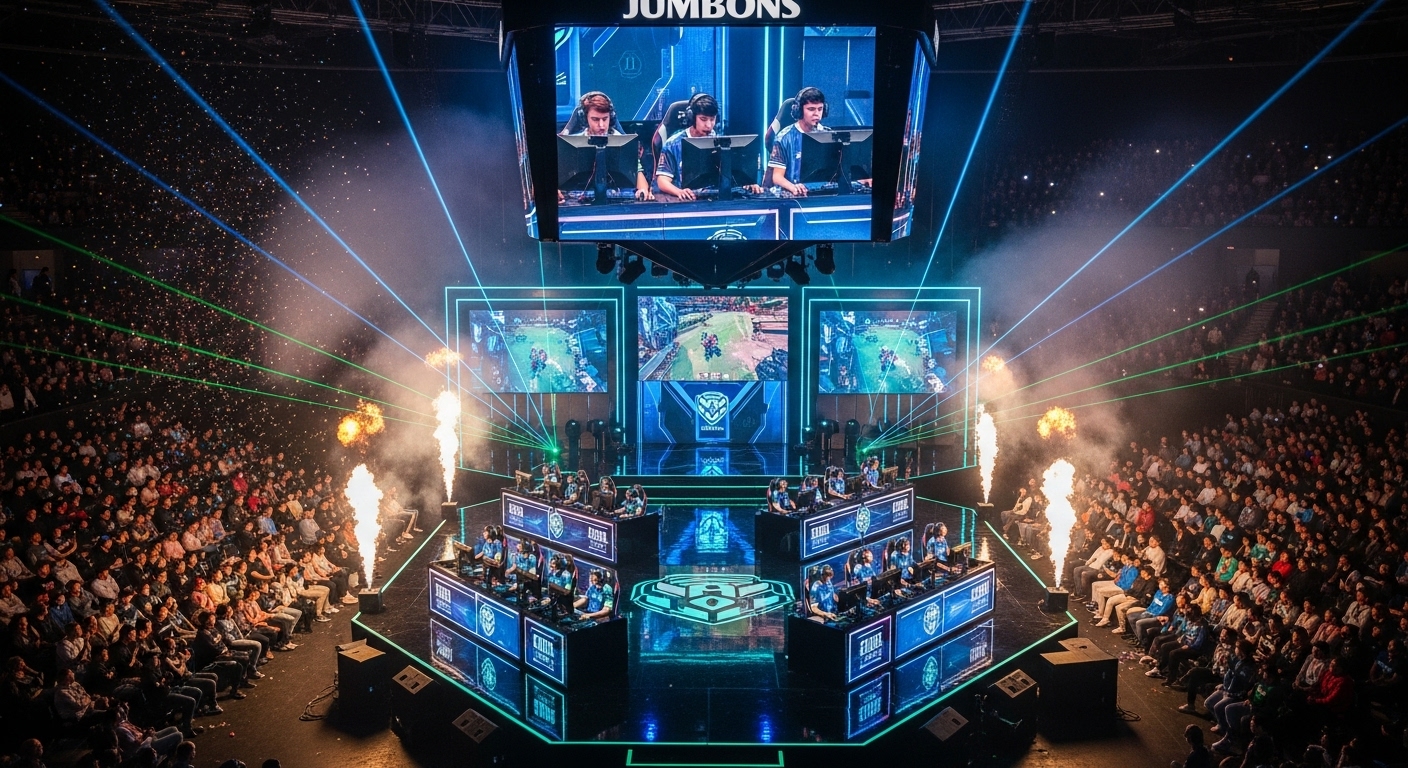
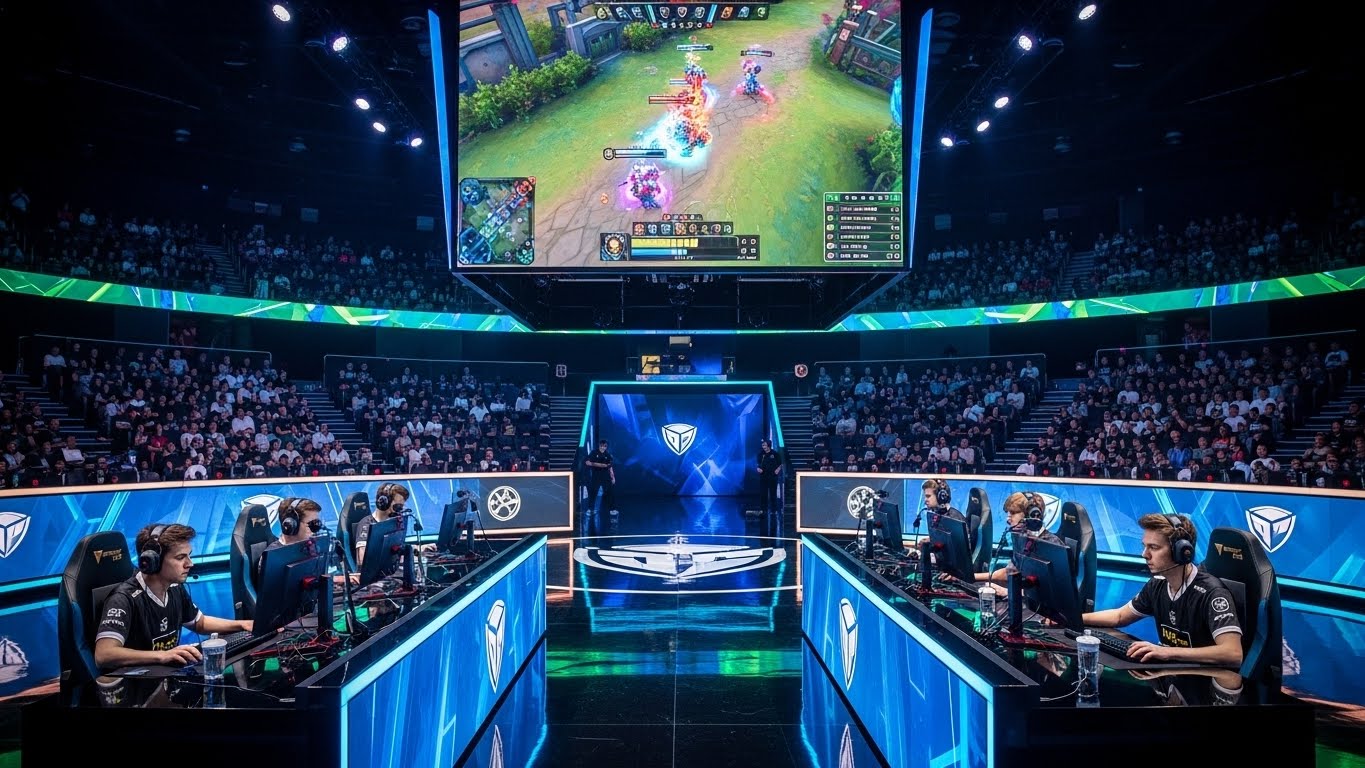
Esports events and tournaments are central to the industry’s appeal, combining competition, entertainment, and spectacle. Major events are hosted in stadiums or large arenas, often accompanied by live broadcasts, fan interactions, and immersive production. Tournaments such as The International, League of Legends World Championship, and EVO attract global audiences and feature prize pools that rival traditional sports.
These events foster community engagement, as fans gather online or in person to celebrate competition, cheer for their favorite teams, and share experiences. The professional organization, high stakes, and live performance elements contribute to the legitimacy and excitement of esports.
Technology and Innovation in Esports
Technological advancements have fueled esports growth and shaped the way games are played and consumed. High-performance computers, consoles, and peripherals enable players to execute precise actions and strategies. Advanced graphics, network optimization, and real-time analytics ensure fair play and immersive experiences.
Artificial intelligence and data analytics are increasingly used to enhance training, develop strategies, and improve player performance. AI-driven coaching tools analyze gameplay patterns, identify weaknesses, and suggest improvements, giving players a competitive edge. Technology also enables spectator experiences such as virtual reality viewing, interactive dashboards, and real-time statistics.
Esports and Global Culture
Esports has a significant cultural impact, influencing entertainment, media, and social interaction. Gaming communities transcend geographical boundaries, connecting players and fans from diverse backgrounds. Esports fosters collaboration, competition, and shared experiences, creating a global subculture centered around digital competition.
The cultural influence of esports extends to fashion, music, and lifestyle, as teams, players, and events inspire trends and identities. Esports celebrities and influencers contribute to the broader entertainment landscape, bridging gaming with mainstream media and pop culture.
The Economics of Esports
Esports is a multi-billion-dollar industry, driven by sponsorships, advertising, ticket sales, merchandising, and media rights. Game developers, tournament organizers, streaming platforms, and professional teams all contribute to the economic ecosystem. High-profile sponsorship deals from brands in technology, beverages, apparel, and entertainment reflect esports’ marketing potential.
Revenue streams also include digital content sales, in-game purchases, and subscription models, further diversifying income sources. The economic impact extends beyond professional players, supporting careers in production, marketing, journalism, and software development.
Challenges in Esports
Despite its growth, esports faces challenges. Mental health and burnout among professional players are pressing concerns, given the intense training schedules and competitive pressure. Issues related to cheating, hacking, and online harassment also threaten fairness and community integrity.
Regulatory and legal frameworks for esports are still developing, raising questions about contracts, player rights, and tournament governance. Ensuring inclusivity, diversity, and equal opportunities for underrepresented groups is another ongoing challenge. Addressing these issues is critical for the sustainable and ethical development of the industry.
The Future of Esports
The future of esports is promising, driven by technological innovation, growing audiences, and expanding professional opportunities. Virtual reality and augmented reality are expected to create more immersive and interactive competitive experiences. Cloud gaming will make high-quality esports accessible to a broader audience, eliminating hardware barriers.
Integration with mainstream sports, entertainment media, and global events will further enhance esports’ legitimacy and visibility. The continued professionalization of the industry, combined with technological advancement and global connectivity, suggests that esports will remain a major force in entertainment for years to come.
Conclusion
Esports has transformed competitive gaming into a global phenomenon that combines skill, strategy, entertainment, and technology. From humble beginnings in local tournaments to international championships with millions of viewers, esports reflects the evolution of digital culture and the growing significance of gaming in modern society.
The professionalization of players, the rise of streaming platforms, technological innovations, and the cultural impact of esports underscore its importance as a legitimate and influential form of entertainment. While challenges remain, including mental health concerns, regulation, and inclusivity, the continued growth and innovation within esports indicate a vibrant and promising future.
As technology advances and global audiences continue to embrace competitive gaming, esports will not only entertain but also inspire, connect, and redefine the boundaries of competition and digital culture. For players, fans, and creators, esports offers a dynamic and evolving landscape where skill, strategy, and creativity converge in ways that are shaping the future of entertainment.