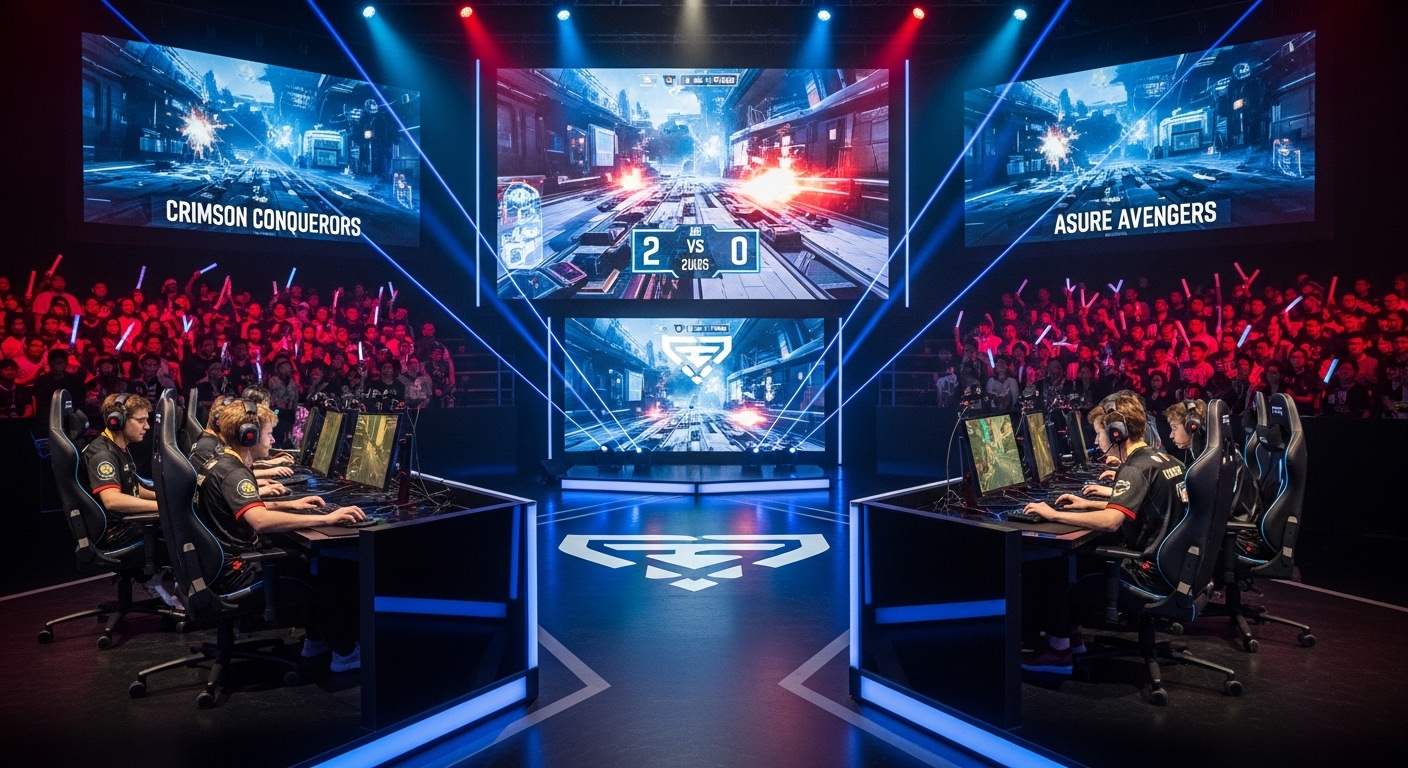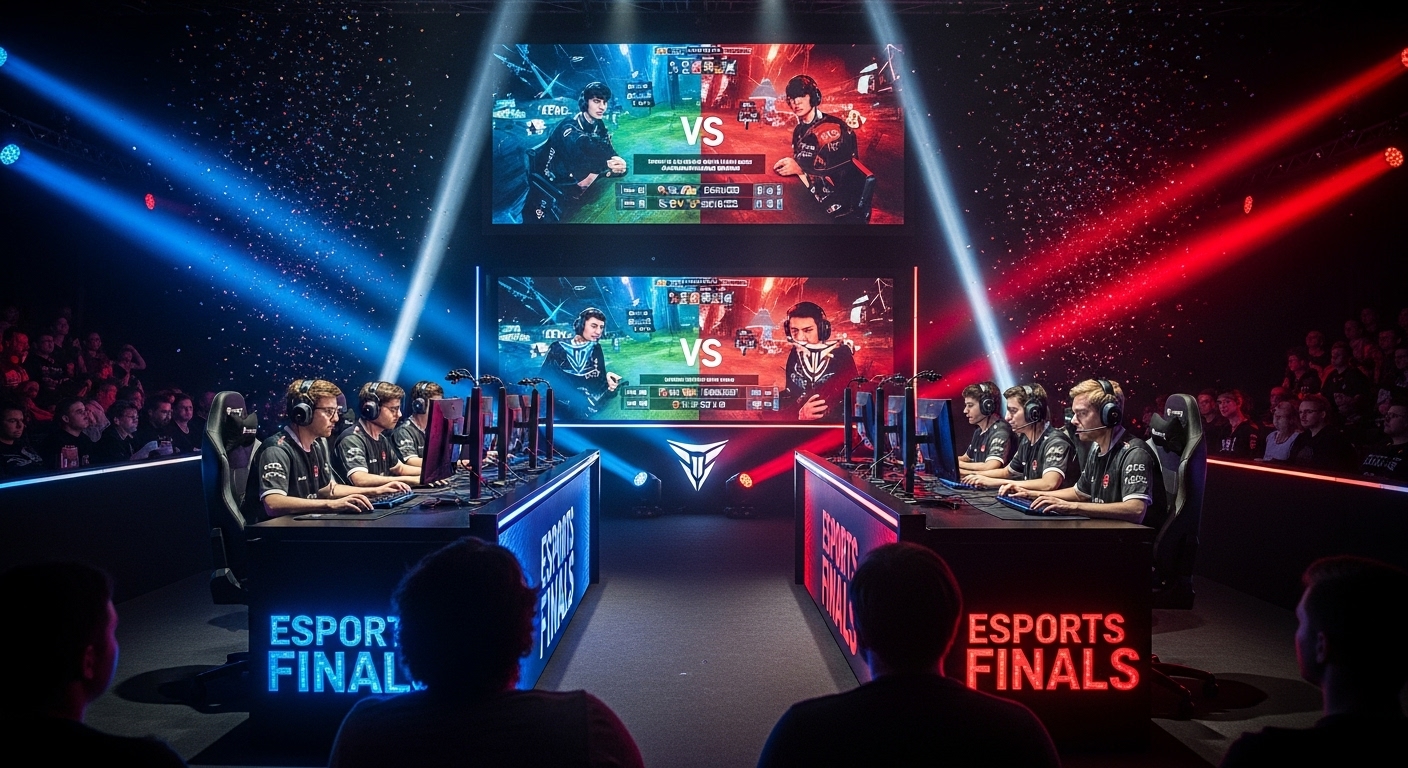

Esports — once a niche pastime of basement LAN parties and late-night forum threads — has exploded into a global industry. From stadium-filling tournaments to live-streamed spectacles watched by millions, competitive gaming now commands attention, ad dollars, sponsorship deals, and institutional investors. Riding this wave are thousands of startups: small, scrappy teams trying to carve out niches across every layer of the esports stack. This post explores why esports startups are proliferating, what kinds of businesses they’re building, the unique opportunities and risks they face, and practical advice for founders who want to jump in.
Why now? A convergence of forces
Several trends converged over the past decade to create a fertile environment for esports entrepreneurship.
First, global audience growth. Gaming audiences have ballooned — not just players, but viewers. Live streaming platforms and social networks made watching competitive gaming as easy as tuning into a livestream. That audience growth created demand for better viewing experiences, more content, and more ways to engage — and startups are good at building new, audience-first experiences.
Second, low distribution friction. Digital platforms for streaming, community-building, content distribution, and payment have drastically lowered barriers to entry. A creator or small team can launch a tournament platform, a content vertical, or an analytics tool with modest up-front costs. Cloud infrastructure, open-source tools, and indie game ecosystems make it easier and cheaper to prototype and scale.
Third, increasing mainstream legitimacy. Esports has matured: sponsors, brands, traditional sports organizations, and even universities now treat competitive gaming seriously. That legitimacy unlocked sponsorship deals and institutional investment. As the money flows in, founders see clear commercial pathways for monetization.
Fourth, fragmentation in the ecosystem. Esports isn’t one monolithic market — it’s a mosaic of titles (FPS, MOBA, fighting games, sports sims, mobile games), regions (North America, China, Korea, Europe, Southeast Asia, Latin America), and stakeholder groups (players, teams, leagues, brands, streamers, event organizers). That fragmentation creates many narrowly targeted problems ripe for startup solutions.
Finally, demographic tailwinds. Younger generations who grew up gaming are becoming the primary consumer cohort for entertainment and brands. Their tastes — interactive, social, digital-first — create demand for novel products and services that startups can deliver quickly.
Where startups are building: the esports value chain
Esports startups are attacking opportunities across a broad value chain. Here are the major buckets and what’s happening inside each.
1. Competition infrastructure
This includes tournament platforms, match-making services, automated brackets, and tools for organizers. Startups here solve scheduling, anti-cheat, payouts, and integration with streaming. The appeal: tournaments are the heartbeat of esports and there’s huge demand for streamlined, repeatable tech to run competitions at scale.
2. Player & team services
From coaching marketplaces and performance analytics to health & wellness apps for pro players, startups are building support systems to improve player performance and longevity. Services also include player representation platforms, contract management, and talent discovery tools.
3. Broadcasting & content tools
Startups that help produce better livestreams, overlays, low-latency interactions, and fan-engagement layers thrive here. This also includes highlight reels, automated video editing, clip discovery, and platforms that aggregate match content across titles.
4. Fan engagement & community
Community-first startups build social features, fan tokens, fantasy esports, loyalty programs, and in-stream interactivity that deepen engagement between fans and teams, players, or events.
5. Sponsorship & monetization tech
Tools that connect brands with creators and teams, provide analytics to prove ROI, or automate ad insertion and influencer campaigns fall here. Startups are packaging sponsorship sales and program management for a fragmented market.
6. Analytics & data
Game telemetry, scouting databases, match analytics, and predictive tools help coaches, teams, and broadcasters. Data startups aggregate disparate sources and create actionable dashboards.
7. Hardware & peripherals
Though dominated by established players, specialized peripherals, mobile accessories for gamers, and tournament-ready portable setups still attract entrepreneurs who can innovate on design or cost.
8. Game-adjacent experiences
This bucket includes event production services, merchandise platforms, AR/VR fan experiences, and physical venues tailored to esports. It’s where the digital meets the IRL.
Business models that work (and why)
Esports startups typically mix multiple revenue streams. Here are common models and why they’re attractive:
- SaaS (Subscription / Licensing): Competition platforms, analytics dashboards, and team management tools sell subscriptions to organizers, teams, and power users. Predictable recurring revenue makes SaaS attractive to investors.
- Marketplace / Take-rate: Coaching marketplaces or talent platforms take a cut of transactions. Marketplaces scale with liquidity and can grow quickly if they solve a clear matchmaking problem.
- Ad & Sponsorship Revenue: Platforms with large engaged audiences can monetize through ad sales, sponsorship integrations, or branded content. The key is measurable engagement metrics.
- Transaction Fees & Payouts: Platforms that handle prize pools, betting (if legal), or merchandise capture fees on each transaction.
- Freemium + Microtransactions: Fan-engagement apps or tools often use freemium models where core features are free and premium experiences or virtual goods generate revenue.
- Event Revenue (Tickets & Merch): Startups running live events or pop-up experiences sell tickets, VIP packages, and merchandise.
- Enterprise Contracts: Selling customized integrations or services to large teams, leagues, or platform holders can provide big, one-off deals that bootstrap growth.
Combining models — e.g., subscription for organizers + revenue share on ticket sales — can reduce dependence on any single income source.
Funding patterns & investor interest
Investors that fund esports startups range from traditional VCs to strategic corporate partners (brands, legacy sports teams), accelerators, and angel investors with gaming experience. Funding often follows audience or monetization clarity:
- Audience-first startups (content platforms, fan engagement) can attract advertising and strategic partnerships early because their metrics are straightforward: viewers, engagement, time spent.
- Infrastructure and tools with clear unit economics (per-event fees, per-seat licenses) are attractive to VCs targeting SaaS-like recurring revenue.
- Hardware and venue startups often need more capital and face longer timelines; they typically seek institutional rounds or strategic corporate backing.
Investors also look for defensibility — network effects, exclusive partnerships with leagues or publishers, or deep data moats. However, the space can be risky because platform owners (game publishers) wield significant control and can change rules or vertically integrate features, undermining startups that depend on them.
Relationship with game publishers: cooperation, competition, and dependence
A paradox of esports startups is their dependence on game publishers, who own the core IP, game servers, and competitive rules. That relationship can be collaborative or adversarial:
- Collaborative scenarios: Publishers often partner with startups to expand viewership, create grassroots ecosystems, or tap into niche markets. Strategic partnerships can provide distribution, official branding, and access to game telemetry.
- Adversarial scenarios: Publishers can also compete — they might add native tournament features, create their own official league, or control monetization. This risk makes it crucial for startups to design offerings that complement publisher goals or to negotiate clear, long-term partnerships.
Successful startups often minimize single-publisher dependence by supporting multiple titles or building services that apply across games (e.g., broadcasting tools, community infrastructure).
Regional considerations: not one market but many
Esports markets are highly regional. What works in North America (sponsorship-led, franchised leagues) may not translate to Southeast Asia (mobile-first, grassroots monetization) or China (platform-dominated, heavyweight publishers). Startups must adapt to local consumer behaviors, payment methods, and regulatory frameworks. Market entry strategy should consider:
- Platform preferences (mobile vs PC vs console)
- Payment systems (microtransactions, local wallets)
- Regulatory environments (age limits, gambling laws, foreign investment rules)
- Cultural engagement (what drives fandom in each region)
Localized operations, partnerships with local event organizers, and region-specific content strategies are common ways startups scale globally.
Talent, team composition, and culture
Esports is both tech and culture. Founders need to balance product development skills with deep cultural understanding of the gaming community. Hiring the right people matters:
- Domain experts — ex-pros, analysts, tournament organizers, and streamers who understand user needs and have community credibility.
- Technical talent — engineers who can build low-latency systems, handle video streaming pipelines, and integrate with game APIs.
- Partnership/sales — people who can close sponsorship deals, negotiate with publishers, and manage community partnerships.
- Design & community — designers and community managers who craft experiences that resonate authentically (not as brand-first, but fan-first).
A common mistake: assembling an entirely corporate team that fails to speak the language of gamers. Authenticity matters more than polished marketing in these communities.
Challenges & pitfalls: what keeps founders awake at night
Startups in esports face several thorny problems:
1. Platform/publisher control
If your product depends on a single game, a publisher’s API change or a licensing decision can kill you. Hedging by supporting multiple titles or securing publisher partnerships is critical.
2. Monetization vs. community trust
Aggressive monetization (paywalls, intrusive ads) can destroy community goodwill. Startups must balance revenue goals with authentic community engagement.
3. Fragmentation & discovery
With so many titles and platforms, finding a critical mass of users for any one product is hard. Network effects are slow to build when audiences are distributed.
4. Regulatory ambiguity
Areas like in-game betting, tokenization, NFTs, or esports gambling fall into uncertain legal territory in many jurisdictions. Missteps can be costly.
5. Talent retention
Pro players and creators can be transient. Startups built around specific personalities must plan for churn and diversify their partnerships.
6. Capital intensity (for hardware & venue startups)
Physical infrastructure and events require more capital and operational sophistication than pure software startups.
Smart product strategies for sustainable growth
Here are strategies that successful esports startups often use:
- Start narrow, then expand: Launch in one title or region to build a strong use-case and community, then generalize the platform for additional games.
- Focus on metrics beyond vanity: DAU/MAU and engagement are important, but revenue per user, churn, and pipeline (for B2B) matter more for long-term viability.
- Design for integrations: Build modular APIs and integrations so publishers, teams, and platforms can plug your tech into existing workflows.
- Win with community-first features: Features that empower creators, reward early adopters, and create shared experiences often outcompete purely transactional services.
- Play nice with publishers: Seek partnerships early, offer clear value (e.g., audience growth, monetization channels), and be transparent about data usage.
- Leverage creators as distribution: Partnerships with streamers and content creators accelerate user acquisition and add social proof.
Case study snapshots (genericized)
Below are anonymized, composite case studies that illustrate common patterns.
Case A: Competition-as-a-Service
A small team launched a tournament platform aimed at amateur players of a mid-tier PC title. They started by running weekly community cups, integrated with a popular streaming platform, and added automated bracket management and payout processing. By offering a white-label version for community organizers and charging a subscription plus per-event fee, they secured predictable revenue. Their eventual expansion added more titles, and they struck a partnership with a regional publisher to run official community qualifiers — the publisher gained grassroots reach; the startup gained legitimacy and users.
Case B: Coaching & Analytics Marketplace
Another startup built a matchmaking marketplace connecting aspiring players with coaches and analysts. They bundled automated match uploads, highlight reels, and performance charts. Coaches monetized their time; the platform took a commission. To differentiate, the company partnered with former pro players to create vetted coaching tracks. By focusing on trust (vetted coaches, transparent ratings) and user outcomes (measurable skill improvements), the marketplace scaled across regions.
Case C: Fan Engagement Layer
A social app let fans participate in synchronized watch parties, earn badges for live engagement, and access real-time polls tied to broadcasts. Monetization came from branded micro-events and a premium tier that unlocked exclusive content. The product succeeded because it layered on top of existing livestreams rather than trying to replace the viewing platform.
These composites show the recurring theme: startups succeed when they solve a clear pain point, build community trust, and create multiple monetization levers.
Emerging trends to watch
Several trends are shaping the next wave of esports startups:
- Mobile-first esports: Mobile gaming dominates many regions. Startups building low-latency mobile competition tools, monetization suited to wallets, and mobile-friendly viewing experiences will find big opportunity.
- Creator economy integration: Tools that let creators monetize deeply (subscriptions, micro-events, direct commerce) while providing fans with unique experiences will grow.
- Quantified performance & wellness: As players and teams professionalize, demand for health, training, and analytics tools that increase longevity and performance will rise.
- Cross-title platforms: Aggregation layers that let fans discover content across many titles and platforms can simplify fandom and unlock ad/sponsorship scale.
- Immersive experiences (AR/VR): As hardware matures, immersive viewing experiences for fans and hybrid IRL/online events could create new offerings.
- Web3 & tokenization (cautiously): Fan tokens, NFTs, and tokenized economies promised to reshape fan engagement. The hype cycle was uneven, and regulatory uncertainty is high — startups will need to be cautious, legal-first, and clearly value-driven to succeed here.
Practical advice for founders
If you’re thinking about starting an esports company, here are pragmatic tips:
- Understand the audience before you code: Spend time in community channels, watch streams, and talk to players and organizers. Authentic product-market fit comes from lived understanding.
- Design for redundancy: Avoid single-publisher single-point-of-failure. Build modular products that can be adapted to other titles or use cases.
- Ship fast, iterate with creators: Launch MVPs to a small group of creators or organizers. Their feedback is gold and often sharper than analytics.
- Prioritize partnerships: Publishers, platforms, leagues, and teams can accelerate distribution. But negotiate clear terms and keep options open.
- Measure LTV and CAC rigorously: Esports audiences can be passionate but fickle. Understand economics early and optimize acquisition.
- Be community-first: Practices that feel authentic to fans (transparent roadmaps, community moderators, creator revenue shares) build stickiness.
- Hire domain-savvy people early: A few hires with esports credibility will help you avoid cultural missteps and open doors to partnerships.
- Legal & compliance matter: If you touch payments, tokens, betting, or minors, get legal counsel early. Regulatory headaches are expensive and slow-growing startups down.
- Plan for content & growth: Even the best tool needs promotional channels. Plan creator partnerships, content strategies, and event activations to drive traction.
- Set clear exit options: Publishers and large tech platforms often acquire successful niche tools. Know whether you want to stay independent or build to be acquired.
The broader social and cultural impact
Esports startups aren’t just commercial ventures; they shape what modern fandom looks like. They professionalize pathways for players, create livelihood opportunities for creators, and redefine how sports, entertainment, and tech intersect. Startups that prioritize inclusion, healthy competition, and sustainable monetization can help ensure esports continues to grow responsibly. Conversely, those chasing quick monetization risk alienating the very communities that made the ecosystem vibrant.
Looking ahead: what the next decade might bring
Predicting the future is always speculative, but observing the current trajectory allows some educated guesses.
- Greater consolidation: Expect a mix of consolidation (larger companies acquiring successful niche tools) and continued innovation in edge areas. Companies that enable creators and teams will be particularly attractive acquisition targets.
- Hybrid experiences: As IRL events return and technology for remote engagement improves, hybrid events that blend live arenas with deep online interactivity will become common.
- Professionalization of the middle tier: Beyond elite pro teams, the middle tier of semi-pro and amateur ecosystems will grow. Tools that support that tier (scheduling, payments, coaching) will be in demand.
- Data-driven competition: Teams and coaches will increasingly use analytics and AI to scout talent and optimize strategies. Startups that provide accessible, actionable analytics will find buyers.
- Regulation and standardization: Expect more formal rules around gambling, minors, and monetization in various regions. Startups that build compliance into their stacks will have an edge.
Conclusion: a vast playground — pick your corner and play
The rise of esports startups is one of the clearest examples of how culture and technology create business opportunity. There is no single “winning” model — the space is too diverse and fast-changing. Instead, successful startups combine deep cultural insight, smart product design, flexible monetization, and strong partnerships. Whether you’re building a tournament engine, a coaching marketplace, a next-gen broadcast tool, or a fan engagement layer, the playbook is the same: start small, iterate with the community, and keep options open.
For founders, the message is hopeful but pragmatic: the opportunity is huge, but so are the challenges. If you prioritize community trust, design for publisher realities, and keep your unit economics honest, esports can be a playground where innovative startups become foundational pieces of a multi-billion-dollar industry.