
Introduction
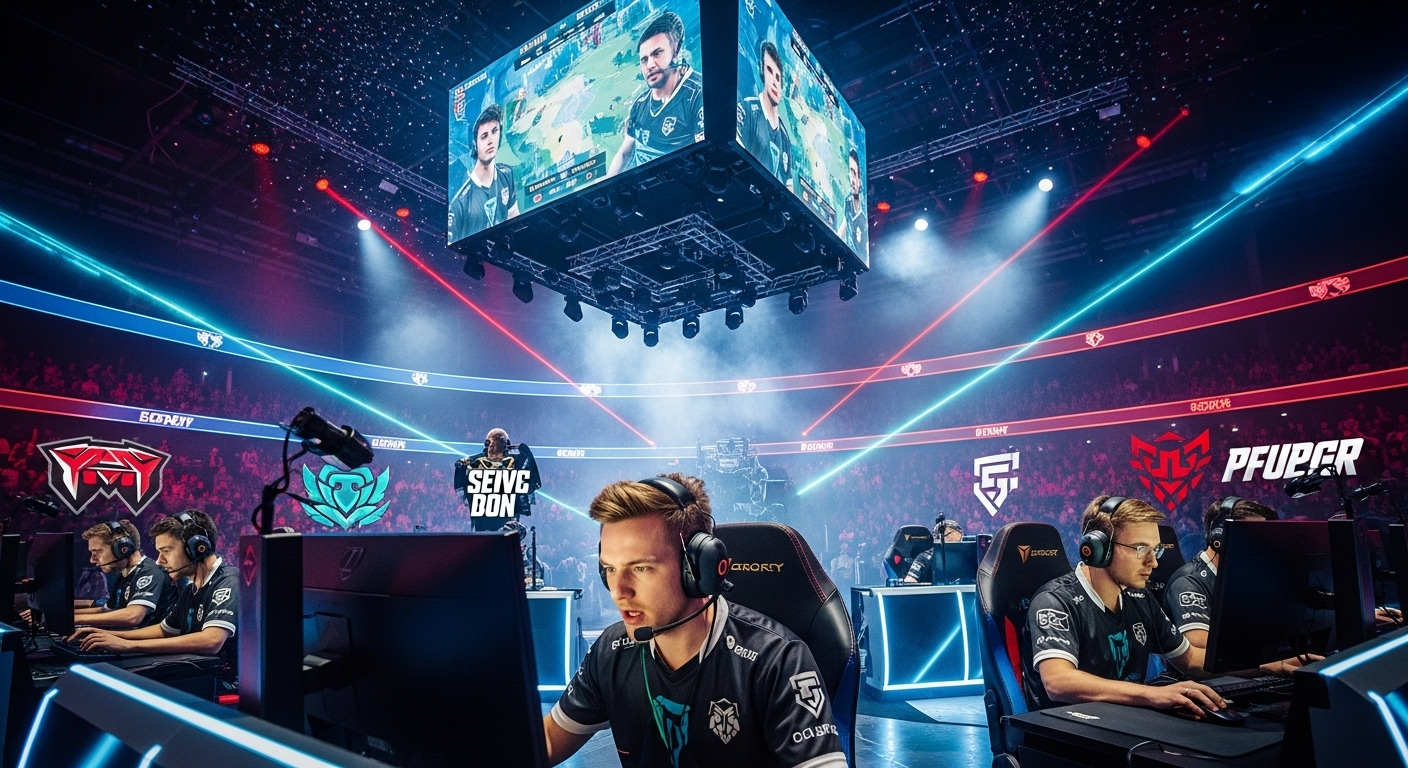
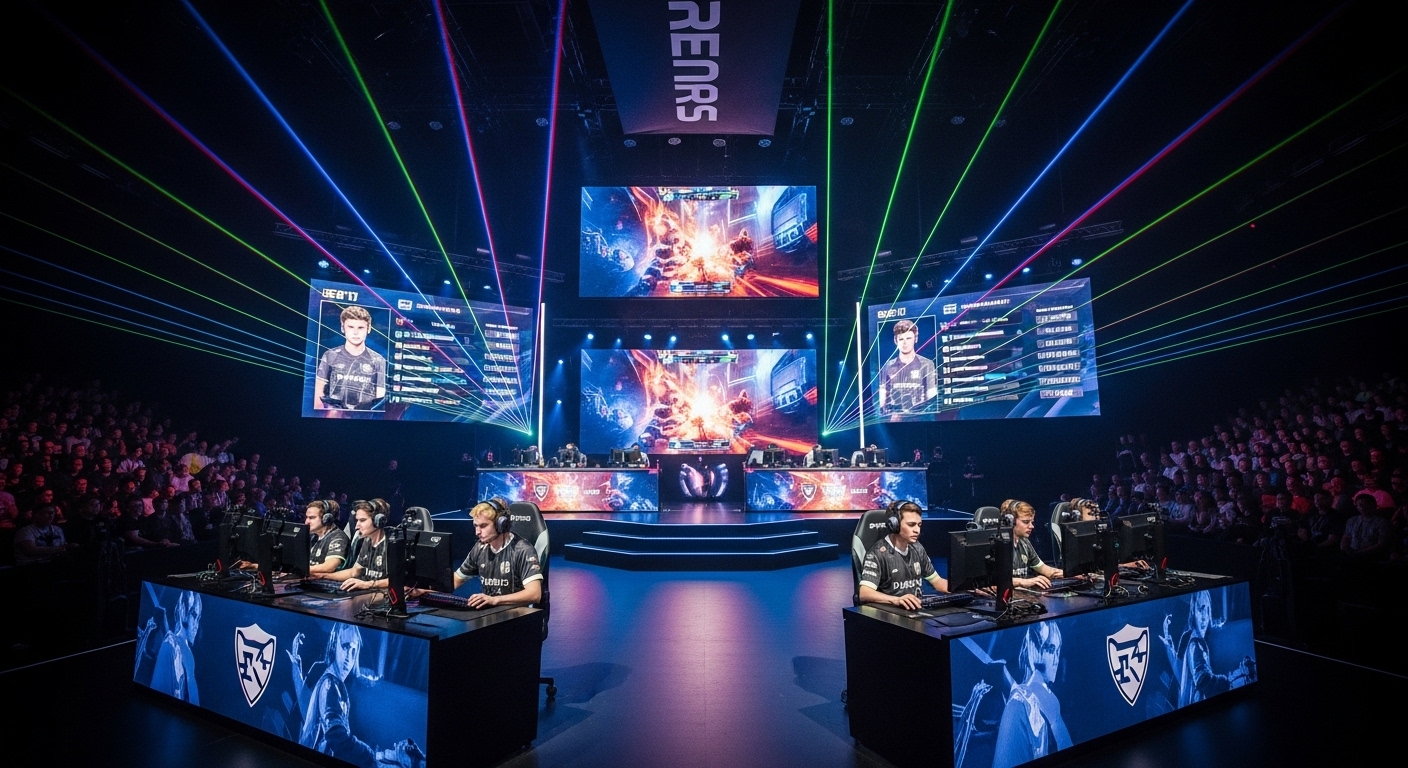
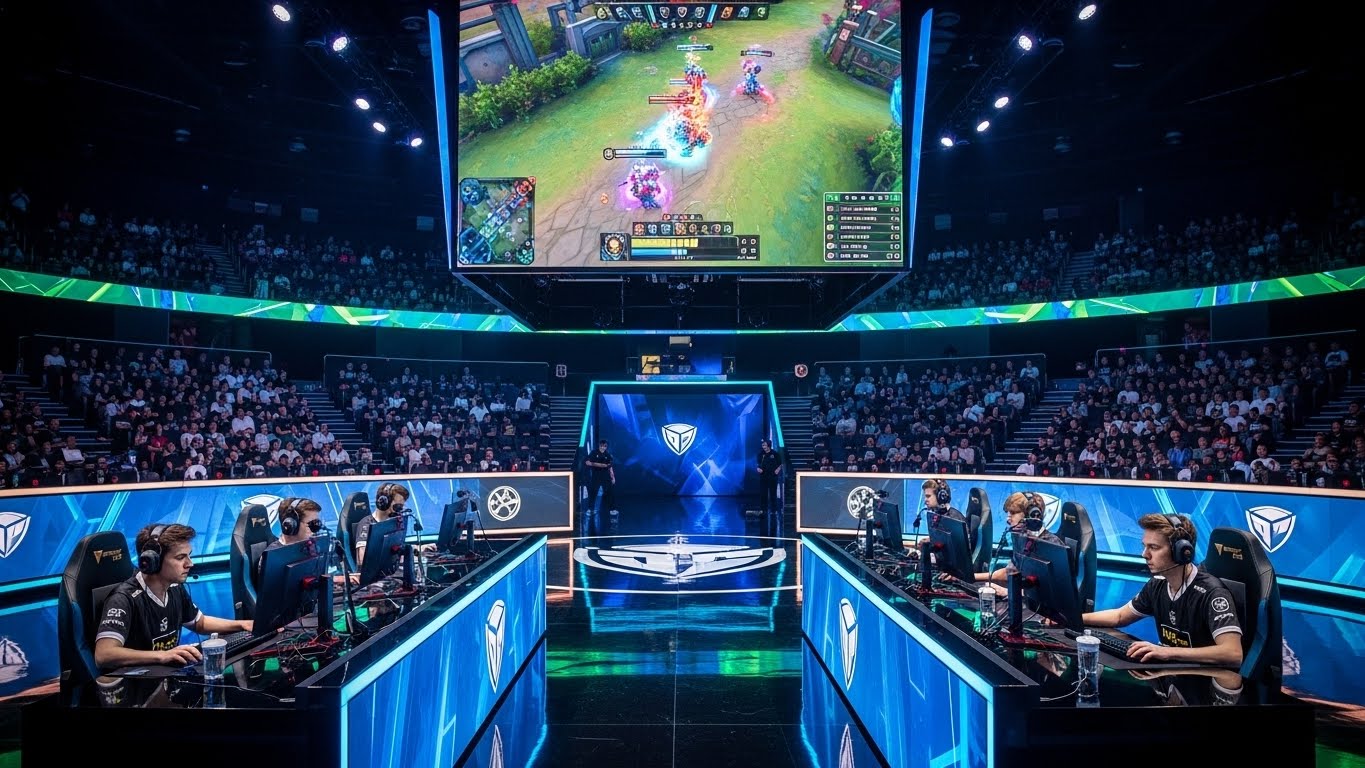
In the last two decades, the world has witnessed a digital revolution that has reshaped entertainment, competition, and culture. Among the most striking transformations is the rise of esports — organized, competitive video gaming that now stands shoulder-to-shoulder with traditional sports in terms of viewership, investment, and influence. What was once seen as a pastime for a small group of enthusiasts has evolved into a billion-dollar industry commanding global audiences, major sponsorships, and professional athletes. Esports has transcended the screen, becoming a cultural and economic powerhouse.
This blog explores the fascinating journey of esports — its history, growth, structure, cultural impact, challenges, and future.
The Origins of Esports
Though esports feels like a product of the 21st century, its roots stretch back to the early days of gaming in the 1970s and 1980s. The earliest recorded competitive gaming event took place at Stanford University in 1972. Students competed in a game called Spacewar! for a prize of a year’s subscription to Rolling Stone magazine. It may seem humble by today’s standards, but it marked the beginning of a new form of competition — one based on skill, reflexes, and strategy in a digital environment.
The 1980s saw a surge in arcade culture. Titles like Pac-Man, Donkey Kong, and Space Invaders became iconic, and local arcades transformed into informal arenas where players challenged each other for high scores. In 1980, Atari hosted the Space Invaders Championship, attracting over 10,000 participants across the United States — a remarkable milestone for that era.
By the 1990s, gaming had moved from arcades to home consoles and PCs, paving the way for more organized and accessible competitive play. Titles such as Street Fighter II, Quake, and StarCraft fostered early gaming communities that would eventually evolve into the professional esports scene we know today.
The Early Competitive Scene: LAN Parties and Pioneers
Before online multiplayer gaming became widespread, competitive gamers gathered physically for LAN (Local Area Network) parties. These gatherings allowed players to connect their computers and play together in real time without the limitations of early internet speeds. LAN events like the QuakeCon in 1996 and the Cyberathlete Professional League (CPL) helped establish the foundation for organized esports tournaments.
South Korea played a crucial role in professionalizing esports. During the late 1990s, as broadband internet became more available, gaming cafes known as PC bangs spread across the country. StarCraft: Brood War emerged as a national obsession. The South Korean government even recognized esports as a legitimate industry, establishing the Korea e-Sports Association (KeSPA) in 2000. This institutional support led to the development of dedicated esports television channels and full-time professional teams — a model that influenced global esports infrastructure for years to come.
The 2000s: The Birth of Global Esports
The early 2000s marked a period of global expansion. Online connectivity enabled players from around the world to compete without geographic barriers. Games like Counter-Strike, Warcraft III, and Halo 2 became staples of early esports competition.
Organizations such as Major League Gaming (MLG) in North America and the World Cyber Games (WCG) helped turn gaming tournaments into international spectacles. These events drew sponsorships from major brands, offered prize pools reaching hundreds of thousands of dollars, and began attracting mainstream attention.
Esports was no longer confined to basements and small LAN events — it was entering arenas, broadcast on television, and discussed in mainstream media.
The Streaming Revolution
One of the biggest catalysts for esports’ explosion was the rise of streaming platforms. Before streaming, fans could only watch matches in person or through limited TV coverage. The launch of platforms like Twitch in 2011 changed everything.
Twitch provided a space where anyone could broadcast gameplay live to a global audience. This not only democratized content creation but also created an ecosystem where fans could engage directly with players, teams, and communities. Esports tournaments found a permanent home online, allowing millions to tune in live without needing cable TV.
Games such as League of Legends, Dota 2, and Counter-Strike: Global Offensive built massive audiences. The accessibility of streaming allowed esports to flourish globally, transcending language and geography.
The Rise of Esports Giants
Certain titles have defined esports over the years, creating passionate fan bases and massive economies around them.
League of Legends
Riot Games’ League of Legends (LoL), released in 2009, became one of the most influential esports titles ever. Its professional scene includes regional leagues around the world, culminating in the annual League of Legends World Championship. These events fill massive stadiums, with millions watching online.
Dota 2
Valve’s Dota 2, a spiritual successor to the Warcraft III mod Defense of the Ancients, has set records for prize pools, particularly through its The International tournament. The International’s community-funded model allows fans to contribute directly to the prize pool, which has surpassed tens of millions of dollars.
Counter-Strike: Global Offensive
Few games have maintained competitive relevance as long as Counter-Strike. Known for its tactical depth and team coordination, it remains a cornerstone of the esports world. Major tournaments, like the ESL Pro League and PGL Majors, continue to draw millions of viewers.
Fortnite and Battle Royale Games
The emergence of Fortnite brought esports to an even younger and more mainstream audience. The Fortnite World Cup showcased the potential for massive individual success stories, such as 16-year-old Kyle “Bugha” Giersdorf winning $3 million in 2019.
These games have not only defined esports genres but also shaped how teams, sponsors, and audiences interact with competitive gaming.
The Professionalization of Esports
Modern esports mirrors traditional sports in many ways. Teams have coaches, analysts, nutritionists, and psychologists. Players train rigorously, sometimes practicing for 10 or more hours a day. Major organizations such as Team Liquid, Cloud9, and Fnatic operate across multiple games, similar to sports franchises.
Sponsorship and brand involvement have also evolved. Global corporations like Intel, Red Bull, Mercedes-Benz, and Nike have invested in esports, recognizing the immense marketing potential of its young and tech-savvy audience.
Esports athletes now sign contracts, receive salaries, and have career pathways similar to professional footballers or basketball players. Universities have even started offering esports scholarships, and dedicated esports arenas have been built in cities like Los Angeles, Shanghai, and London.
The Cultural Impact of Esports
Esports is more than competition — it’s a cultural movement. It reflects the digital age’s values of interactivity, community, and creativity. For many, esports represents a new kind of sport where physical ability meets mental acuity, teamwork, and strategy.
Breaking Stereotypes
For years, gaming carried a stigma of isolation or laziness. Esports has helped shatter those misconceptions. Professional gamers exhibit intense discipline, teamwork, and quick thinking. The industry has proven that gaming can lead to legitimate careers — not just as players, but as casters, analysts, coaches, designers, and event organizers.
Global Community
Esports brings together people from all walks of life. A player in Brazil can compete with someone in Korea or Germany, creating a shared international experience. Language barriers fade as communities communicate through gameplay, memes, and fandom.
Influence on Pop Culture
Gaming aesthetics and esports culture have influenced music, fashion, and entertainment. Pop stars perform at esports events, designers collaborate with game franchises, and gaming slang has entered everyday vocabulary. For younger generations, esports stars hold the same cultural weight as athletes or movie icons.
Challenges Facing the Esports Industry
Despite its massive success, esports faces significant challenges that it must address to sustain growth.
Player Burnout
Professional players often face intense schedules, long practice hours, and the stress of constant competition. Burnout is a real issue, with many top players retiring young. Teams and organizers are beginning to prioritize player well-being, but more work remains.
Financial Stability
While top-tier esports thrive, smaller leagues and lesser-known titles struggle with sustainability. Prize money and sponsorships are heavily concentrated at the top, leaving lower-tier professionals with financial uncertainty.
Governance and Regulation
Esports lacks a unified global governing body. This leads to inconsistencies in rules, tournament standards, and player protections. Issues such as cheating, match-fixing, and doping scandals have also highlighted the need for stronger oversight.
Diversity and Inclusion
Although esports has a global reach, representation issues persist. Women and minority players still face barriers, harassment, and underrepresentation. The industry is slowly improving, with more inclusive initiatives and organizations pushing for change.
The Role of Technology
Technology is the backbone of esports. High-performance computers, low-latency networks, and powerful graphics engines have made competitive gaming possible at the highest level.
Virtual reality (VR), augmented reality (AR), and cloud gaming are expected to push esports into new frontiers. The metaverse concept — where digital spaces become interconnected — may redefine how esports events are held and experienced. Fans could someday attend virtual arenas using VR headsets, cheering alongside avatars from around the world.
Artificial intelligence is also becoming a tool for training and analytics, helping teams optimize strategies and understand opponents better.
Esports Education and Career Opportunities
Esports is creating diverse career paths beyond playing. Broadcasting, event management, marketing, coaching, and game design are integral parts of the ecosystem.
Universities around the world now offer degrees and courses in esports management and digital media. High schools are forming esports clubs to develop teamwork and technical skills. Governments in countries such as China, South Korea, and the United States have recognized esports as an industry that fosters innovation and employment.
The Economics of Esports
Esports has become a multibillion-dollar industry driven by sponsorships, media rights, merchandise, and live events. Prize pools can reach astronomical figures, but the true value lies in audience engagement.
The global esports audience has surpassed 500 million viewers, and major tournaments draw numbers rivaling traditional sports events. For example, the League of Legends World Championship often surpasses the Super Bowl in online viewership.
Brands see esports as a gateway to younger demographics, particularly millennials and Gen Z, who prefer digital platforms over traditional media. As such, advertising models and fan monetization strategies are rapidly evolving.
Esports and Traditional Sports: A New Rivalry or Partnership?
Traditional sports organizations initially viewed esports as competition, but many now see it as a complementary opportunity. Football clubs like Paris Saint-Germain, Manchester City, and FC Barcelona have launched their own esports divisions. The NBA created the NBA 2K League, blending real and virtual sports ecosystems.
Both industries share similarities in structure, fan engagement, and global branding. Esports events now take place in the same arenas that host basketball and football games, blurring the lines between the physical and digital worlds.
The Future of Esports
The future of esports appears boundless. With rapid technological evolution and increasing mainstream acceptance, it is poised to become an even greater cultural force.
We may see integration between esports and emerging technologies like blockchain, allowing players and fans to own in-game assets or participate in decentralized tournament systems. Virtual environments could revolutionize how audiences experience live matches, offering interactivity never before possible.
Moreover, the next generation of players, raised in a digital-first environment, will likely view esports not as an alternative to sports, but as an integral part of global entertainment.
As traditional broadcasting continues to decline, esports’ adaptability to online formats ensures it will remain relevant for decades. The industry’s success lies not just in competition, but in its ability to connect people across borders through passion, creativity, and technology.
Conclusion
Esports has come a long way from humble beginnings in university basements and arcades. Today, it stands as one of the most dynamic, inclusive, and fast-growing industries in the world. It merges skill, strategy, technology, and culture into a spectacle that transcends generations and nationalities.
The story of esports is ultimately the story of human connection in a digital age. It shows how competition can thrive beyond physical arenas, how communities can form across continents, and how technology can create new avenues of expression and achievement.
As esports continues to evolve, one truth remains: it is no longer the future of entertainment — it is the present. And it is here to stay.