Introduction
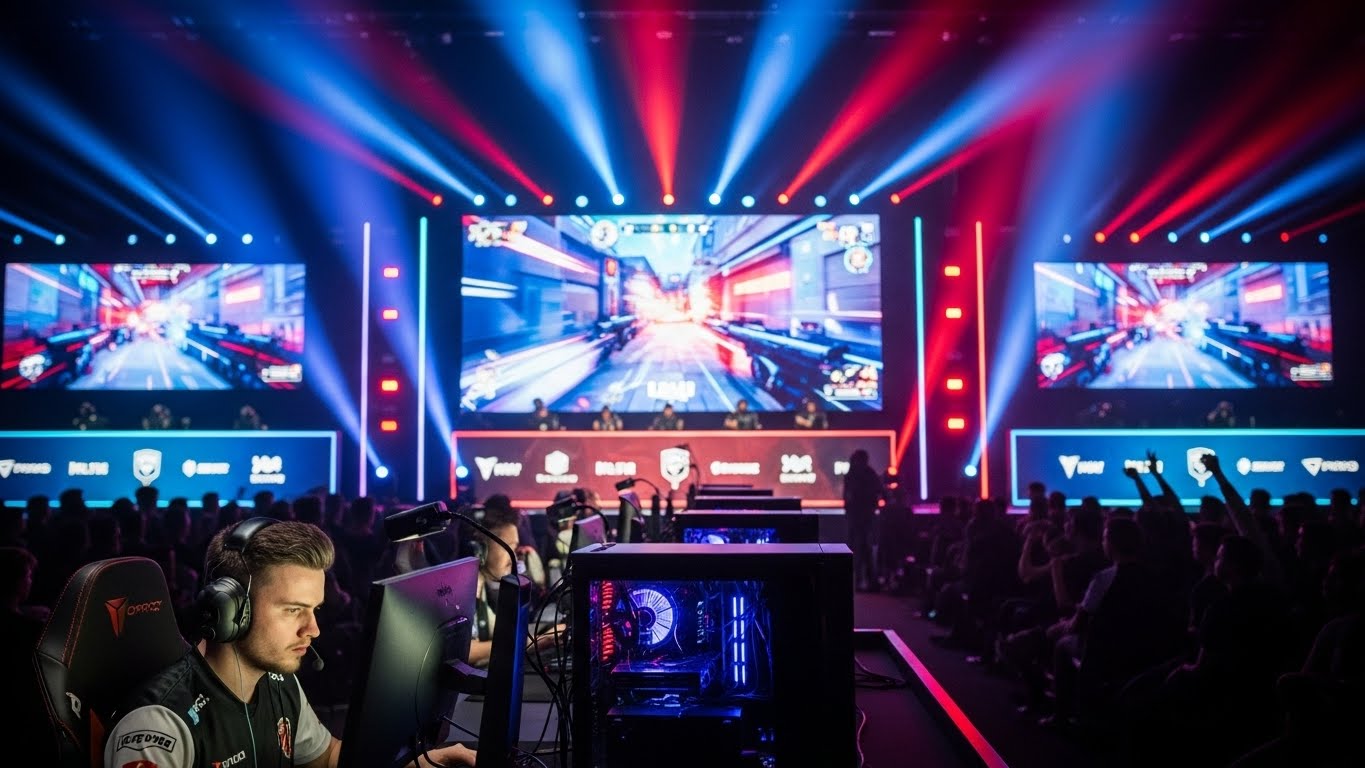
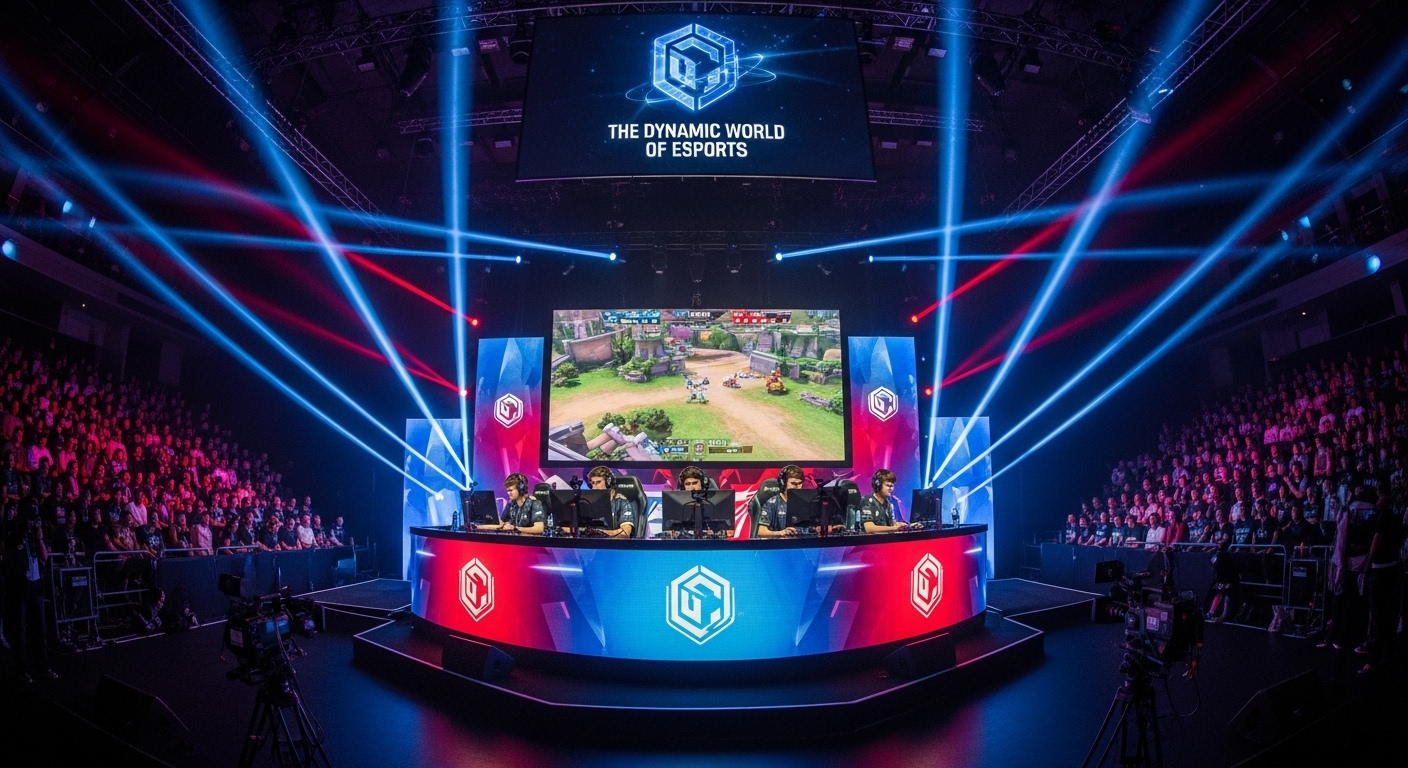
In the modern world of entertainment, sports, and technology, esports has emerged as one of the most influential industries on the planet. Once dismissed as a niche pastime for gaming enthusiasts, esports has transformed into a global cultural and economic powerhouse. It has not only redefined how people view competition but has also revolutionized the idea of what it means to be an athlete in the digital era. Millions of players and fans worldwide now engage with esports tournaments, streaming platforms, and professional leagues. With billion-dollar investments, sponsorships, and international recognition, esports has become an integral part of contemporary digital culture.
The Origins of Esports
The concept of competitive gaming dates back to the early 1970s when video games first gained popularity in arcades and universities. The first known video game competition took place in 1972 at Stanford University, where students competed in the game Spacewar!. The prize was a year’s subscription to a magazine, but the event was symbolic—it marked the birth of esports.
During the 1980s, arcade games like Pac-Man and Donkey Kong ignited a wave of competitive gaming. High-score competitions began appearing in magazines, and players started becoming local celebrities in their gaming communities. However, esports as we know it truly began to take shape in the 1990s, when home consoles and personal computers became more accessible. Games like Street Fighter II and StarCraft brought multiplayer battles to a larger audience, setting the stage for organized tournaments.
The Growth of Competitive Gaming
The 2000s marked a pivotal era for esports. High-speed internet connections allowed players to compete globally without leaving their homes. Games such as Counter-Strike, Warcraft III, and Dota became staples of the early esports scene. Online communities flourished, and players began forming teams, clans, and leagues.
Korea became the first country to embrace esports as a legitimate profession. The South Korean government recognized esports players as athletes, and national television networks started broadcasting tournaments. The StarCraft leagues in Korea drew millions of viewers, inspiring other regions to take esports seriously.
This era also saw the foundation of major esports organizations, including the Cyberathlete Professional League (CPL) and Major League Gaming (MLG). These organizations provided a structure for tournaments, rules, and sponsorships, laying the groundwork for the massive global scene that would follow.
The Rise of Streaming and Global Viewership
The introduction of live streaming platforms completely transformed esports. In the past, fans had limited access to watch tournaments, but platforms like Twitch and YouTube Gaming changed that forever. Anyone with an internet connection could now watch their favorite players compete live, interact with them in real time, and become part of a growing online community.
Streaming also created new celebrities in the gaming world. Players like Faker, Ninja, and Shroud became household names, not just for their skill but for their personalities and ability to engage with fans. Esports went from being a specialized interest to mainstream entertainment, attracting millions of viewers for major tournaments such as The International (Dota 2) and League of Legends World Championship.
Today, esports tournaments regularly draw audiences that rival or even surpass traditional sports. For instance, the 2019 League of Legends World Championship attracted over 100 million viewers—comparable to the Super Bowl. The accessibility of streaming has made esports a truly global phenomenon, uniting fans from every continent.
The Professionalization of Esports
As viewership increased, so did investment. Esports evolved into a structured industry with teams, sponsors, salaries, and contracts. Professional players now train full-time, with schedules similar to traditional athletes. Teams hire coaches, analysts, and psychologists to optimize performance.
Major corporations such as Intel, Red Bull, and Mercedes-Benz have invested heavily in esports sponsorships. Traditional sports organizations also entered the scene, with football clubs like Paris Saint-Germain, FC Barcelona, and Manchester City forming their own esports teams. This crossover between traditional sports and esports has helped legitimize the industry further.
Prize pools have grown dramatically as well. Games like Fortnite, Dota 2, and PUBG offer multi-million-dollar rewards for their top tournaments. The 2021 Dota 2 International had a prize pool exceeding $40 million, making it one of the richest sporting events in history.
Diversity of Games in Esports
Esports is not limited to one type of game. The industry spans a wide variety of genres, each with its own competitive scene and fan base.
- Multiplayer Online Battle Arenas (MOBAs): Games like League of Legends, Dota 2, and Smite dominate the scene. These games require strategic thinking, teamwork, and split-second decision-making.
- First-Person Shooters (FPS): Counter-Strike: Global Offensive, Valorant, and Call of Duty are among the most popular. FPS games test reaction time, precision, and tactical communication.
- Battle Royale Games: Titles like Fortnite and PUBG brought new life to esports with large-scale survival-based gameplay.
- Sports Simulations: Games like FIFA, NBA 2K, and Rocket League offer familiar sports experiences with a digital twist.
- Fighting Games: The Street Fighter and Tekken franchises continue to thrive with dedicated global communities.
Each of these genres contributes to the diversity and richness of esports culture, ensuring that fans and players of all preferences have something to enjoy.
The Economic Impact of Esports
The esports industry has grown into a multi-billion-dollar sector encompassing advertising, sponsorships, merchandise, and media rights. The ecosystem involves not only players and teams but also event organizers, broadcasters, developers, and fans.
Cities around the world are now hosting esports arenas and events, generating tourism and business opportunities. For example, countries such as South Korea, China, and the United States have invested heavily in infrastructure to support esports tournaments. Esports tourism has become a reality, with fans traveling internationally to attend major events.
Moreover, universities have started offering esports scholarships and degrees related to game design, broadcasting, and management. This academic integration demonstrates how deeply esports has influenced education, technology, and business sectors alike.
The Role of Technology in Esports
The advancement of technology has been central to esports’ success. High-performance computers, low-latency internet, and advanced graphics have elevated the quality of gameplay and broadcasting. Virtual reality (VR) and augmented reality (AR) are also shaping the future of esports by offering immersive experiences for players and viewers.
Artificial intelligence (AI) and data analytics are being used to improve player performance and strategize effectively. Coaches can analyze heat maps, reaction times, and movement patterns to enhance team coordination. Similarly, fans benefit from improved viewing experiences, such as real-time stats, interactive replays, and 3D visualizations.
The integration of blockchain and digital assets is another emerging trend. Some esports organizations use NFTs and cryptocurrencies for ticketing, collectibles, and fan engagement, marking a new era of digital ownership in gaming.
Esports and Youth Culture
Esports has become deeply embedded in youth culture. For millions of young people, gaming is more than entertainment—it’s a form of identity, creativity, and community. Unlike traditional sports, esports allows participation regardless of physical ability, gender, or location, offering a more inclusive platform for competition and expression.
Young players look up to esports professionals as role models, much like how previous generations idolized football or basketball stars. This has created new pathways for career growth, including content creation, coaching, event management, and broadcasting.
Schools and youth programs worldwide are introducing esports clubs and leagues, promoting teamwork, communication, and strategic thinking. This has helped parents and educators view gaming in a more positive light, understanding its educational and developmental value.
Challenges Facing Esports
Despite its success, esports faces several challenges that must be addressed for sustainable growth. One major issue is player burnout. The intense training schedules, long hours, and pressure to perform can take a toll on mental and physical health. Many players retire young due to stress or repetitive strain injuries.
Another concern is the lack of standardized regulations. Different tournaments and games have varying rules regarding contracts, cheating prevention, and player rights. Establishing a unified governing body could help professionalize esports further and ensure fair treatment of players.
Toxicity and harassment in online communities also remain serious problems. While many organizations are taking steps to promote inclusivity and sportsmanship, more work needs to be done to create safe environments for all participants.
Finally, there is the question of long-term sustainability. Esports relies heavily on specific games maintaining popularity. If a game loses its audience, its esports scene can quickly collapse. Diversification and better support from developers are essential to maintaining balance in the industry.
The Globalization of Esports
Esports has become a truly international phenomenon. Every region contributes uniquely to its growth. Asia remains the hub of esports excellence, with countries like South Korea, China, and Japan producing elite players and massive audiences. North America and Europe have built strong infrastructures and world-class teams, while regions like the Middle East, Africa, and South America are rapidly emerging as new hotspots.
Global tournaments now feature players from dozens of countries, breaking down cultural and linguistic barriers. Esports unites people through a shared passion, promoting cross-cultural understanding and global cooperation. This global appeal is one of esports’ greatest strengths and ensures its continued expansion.
The Future of Esports
Looking ahead, esports is poised for even greater heights. The rise of mobile gaming is opening doors for players in regions where PCs and consoles are less accessible. Games like Mobile Legends, PUBG Mobile, and Free Fire have attracted massive competitive scenes, particularly in Asia and Latin America.
Virtual reality esports could redefine immersion, allowing players to physically engage in matches within 3D environments. Additionally, advancements in AI-driven training, cloud gaming, and 5G connectivity will make esports more inclusive and interactive.
There is also a growing possibility of esports becoming part of the Olympic Games. The International Olympic Committee has already begun exploring virtual sports, and inclusion in such events would further legitimize esports on a global scale.
Cultural Influence of Esports
Esports has influenced modern culture in numerous ways. It has shaped fashion, music, and entertainment, with collaborations between game developers, clothing brands, and musicians. Esports athletes now appear in commercials, music videos, and talk shows. Gaming-inspired art and storytelling have become mainstream, celebrating the creativity and passion of the community.
Moreover, esports promotes values such as teamwork, persistence, and innovation. It encourages players to think strategically, adapt quickly, and communicate effectively—skills that extend beyond gaming into everyday life and professional development.
Conclusion
Esports represents the fusion of technology, creativity, and competition in its purest form. What started as a small gathering of enthusiasts has evolved into one of the largest global industries of the twenty-first century. It has broken barriers, created careers, and inspired millions to pursue their passions in new and innovative ways.
As technology continues to evolve, esports will undoubtedly expand into new territories and redefine entertainment for future generations. It stands not just as a game but as a movement—a testament to human ingenuity, digital culture, and the endless pursuit of excellence.
Esports has proven that competition can exist beyond physical boundaries, that teamwork can transcend continents, and that passion can create an entirely new world of possibilities. In every sense, it is more than just playing games—it is the future of global sport.