Introduction: The Digital Revolution of Competition
In the early 2000s, very few could have imagined that competitive video gaming would one day rival traditional sports in scale, revenue, and global appeal. Esports, a term once unfamiliar to mainstream audiences, now represents one of the fastest-growing entertainment industries in the world. What began as small-scale gaming tournaments held in dimly lit basements and LAN cafes has transformed into a billion-dollar ecosystem encompassing professional players, massive live audiences, global sponsorships, and elite-level competition. The journey of Esports is not merely about video games—it’s about the cultural shift in how people view play, community, and performance.
The Roots of Competitive Gaming
Before the term “Esports” even existed, competitive gaming had already begun to sprout. In the late 1970s and early 1980s, arcade competitions like Space Invaders and Pac-Man Championships laid the groundwork for what would eventually become organized electronic competition. These early events were often casual and local, offering small prizes or simply bragging rights. As video games evolved with the rise of home consoles and PC gaming in the 1990s, players found new ways to challenge one another through online connections. Titles such as Quake, StarCraft, and Counter-Strike became the foundation of early professional gaming scenes.
LAN tournaments and internet cafes played a critical role in bringing players together physically to test their skills. In these spaces, community and rivalry intertwined. Players didn’t just compete for money—they competed for recognition. The sense of identity, of being part of something bigger than oneself, was born in these grassroots settings. This was the soil from which the modern Esports industry would grow.
The Early 2000s: Professionalization Begins
The early 2000s marked a turning point in the history of Esports. Broadband internet became more widespread, gaming communities expanded, and technology advanced rapidly. Professional leagues began to take shape. Games like StarCraft in South Korea and Counter-Strike in Europe became national obsessions. South Korea, in particular, became a global epicenter of Esports, with televised matches drawing millions of viewers and professional players attaining celebrity status.
At this stage, Esports began to shed its niche image. The emergence of major tournaments such as the World Cyber Games and Major League Gaming introduced structured formats, sponsorship deals, and large-scale production. These events proved that gaming was not only entertainment but also a legitimate form of competition that demanded strategy, teamwork, and individual skill.
The Rise of Streaming and Audience Growth
One of the most transformative developments for Esports came in the 2010s with the rise of live streaming. Platforms such as Twitch and YouTube Gaming allowed players to broadcast matches to global audiences in real time. This revolution democratized viewership. Anyone, anywhere, could watch their favorite teams and players compete, learn their tactics, and engage directly with the community.
Streaming also created a new class of celebrity—the streamer. While professional Esports players were the stars of organized competition, streamers bridged the gap between entertainment and education. Their charisma, skill, and personality helped attract millions of followers, introducing gaming to mainstream culture. As audiences grew, brands and investors began to notice the potential. Esports viewership skyrocketed, rivaling even the most popular traditional sports events in some regions.
The Business of Esports: Big Money, Big Ambitions
By the mid-2010s, Esports had become a global industry worth hundreds of millions of dollars annually. Prize pools reached astonishing figures. Games like Dota 2, through its tournament The International, offered multi-million-dollar rewards funded by fans themselves. The business side of Esports became increasingly sophisticated, involving sponsorship deals, merchandising, advertising, and media rights.
Major corporations—from tech giants to energy drink brands—entered the space, recognizing the power of the gaming demographic. Esports organizations began operating like traditional sports franchises, complete with coaches, analysts, training facilities, and wellness programs. Teams such as Team Liquid, Cloud9, and Fnatic became household names among gaming fans, each cultivating massive followings across social media.
The competitive landscape also diversified. Beyond shooters and strategy games, genres like fighting games, sports simulators, and battle royales carved out their niches. Titles such as League of Legends, Fortnite, Overwatch, and Valorant became the pillars of new competitive eras, each fostering its unique ecosystem and fanbase.
The Globalization of Esports
Esports has transcended borders in ways few industries have managed. Unlike traditional sports, which often face logistical challenges due to geography, Esports operates in a digital environment where global participation is seamless. Players from Asia, North America, Europe, and South America regularly face off in international tournaments broadcast to millions.
Countries like China and South Korea have integrated Esports into their national identity. Governments in these regions recognize it as a legitimate sport, even offering visas for professional players. Western nations soon followed suit, with universities offering Esports scholarships and schools establishing competitive gaming clubs. The global nature of the internet has made it possible for fans from all corners of the world to unite under a shared passion, creating a truly universal culture.
The Cultural Impact: Changing Perceptions of Gaming
Perhaps one of the most fascinating aspects of Esports’ rise is how it has transformed public perception of gaming. Once dismissed as a pastime for teenagers, video gaming is now seen as a viable career path. Esports players, commentators, and analysts enjoy celebrity status. Tournaments fill stadiums, and millions watch online, cheering for their favorite teams with the same enthusiasm found in football or basketball arenas.
This cultural shift has also changed the way people view skill and discipline in gaming. Professional players train for hours each day, maintaining strict regimens that include physical exercise, strategy sessions, and teamwork development. The level of dedication required to compete at the top level rivals that of traditional athletes.
Additionally, Esports has played a role in redefining social interaction. Online communities and fandoms have replaced the isolated gamer stereotype. Esports fans form friendships, attend events, and participate in discussions that span cultures and languages. This interconnectedness has made gaming one of the most inclusive entertainment spaces in the world.
The Role of Technology: Driving the Esports Ecosystem
Technological innovation has been the lifeblood of Esports. High-performance gaming PCs, ultra-fast internet connections, and advanced broadcasting tools have made professional competition more accessible and visually engaging. Game developers now design with Esports in mind, ensuring balance, spectator-friendly interfaces, and replay systems for analysis.
Virtual reality and augmented reality are poised to push the boundaries even further, offering immersive competitive experiences that blend physical and digital play. Artificial intelligence is also beginning to impact Esports, from strategic coaching tools to audience analytics that tailor viewing experiences to individual preferences. The marriage of gaming and technology continues to drive innovation at a pace few other industries can match.
The Educational and Career Landscape
As Esports has grown, so too have opportunities for education and employment. Universities and colleges worldwide have begun offering degrees and courses in Esports management, game design, and digital marketing. These programs prepare students not just for playing professionally but for working in the surrounding industries—production, coaching, event management, and media.
High schools now include Esports teams as part of their extracurricular programs. These initiatives teach teamwork, communication, and problem-solving skills. For many young players, Esports represents a modern form of discipline that combines creativity with competition.
The professional structure of the industry also provides diverse career paths. Beyond players, there are roles for analysts, shoutcasters, editors, sponsors, and brand managers. The ecosystem functions much like any other major entertainment industry, with multiple layers of opportunity and specialization.
Challenges and Criticisms
Despite its meteoric rise, Esports faces challenges that could shape its future trajectory. One major issue is player burnout. The pressure to perform at the highest level, combined with intense practice schedules, can lead to physical and mental exhaustion. Unlike traditional sports, Esports lacks a long-established support structure for player health and longevity, though this is slowly improving.
Another concern is financial sustainability. While top-tier tournaments boast massive prize pools, smaller leagues and players often struggle with unstable income. The industry’s heavy reliance on sponsorships and advertising can make it vulnerable to market fluctuations. Additionally, issues such as cheating, match-fixing, and toxicity within online communities continue to pose problems that organizations must address.
There’s also the debate over regulation. As Esports grows globally, the need for standardized rules and player protections becomes increasingly urgent. Different regions operate under different systems, leading to inconsistencies that can affect fairness and professionalism. However, ongoing efforts by international federations and organizations suggest progress is being made toward a unified Esports framework.
Women in Esports: Breaking Barriers
For decades, the gaming industry has been perceived as male-dominated. However, women have been steadily gaining recognition and visibility within Esports. Female players, streamers, and commentators are building their presence in major titles, challenging stereotypes and inspiring a new generation of gamers.
Organizations and tournaments dedicated to promoting diversity are growing. Women-focused leagues, inclusivity campaigns, and mentorship programs are working to create a more balanced landscape. The goal is not merely representation but equality—ensuring that talent, not gender, determines success.
The increasing participation of women in Esports also highlights broader social progress. It reinforces the idea that gaming is for everyone, and that digital competition can serve as a bridge across gender, race, and cultural divides.
The Spectator Experience: From Screens to Stadiums
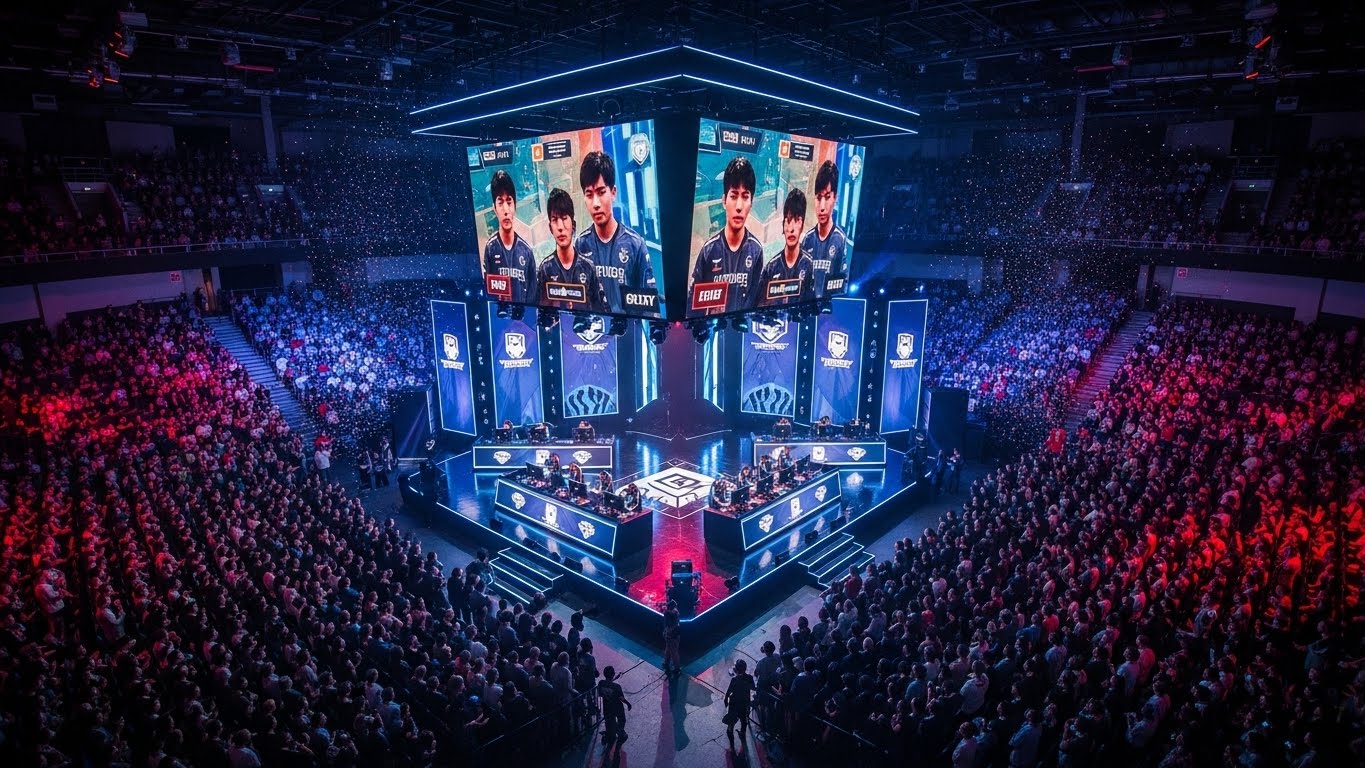
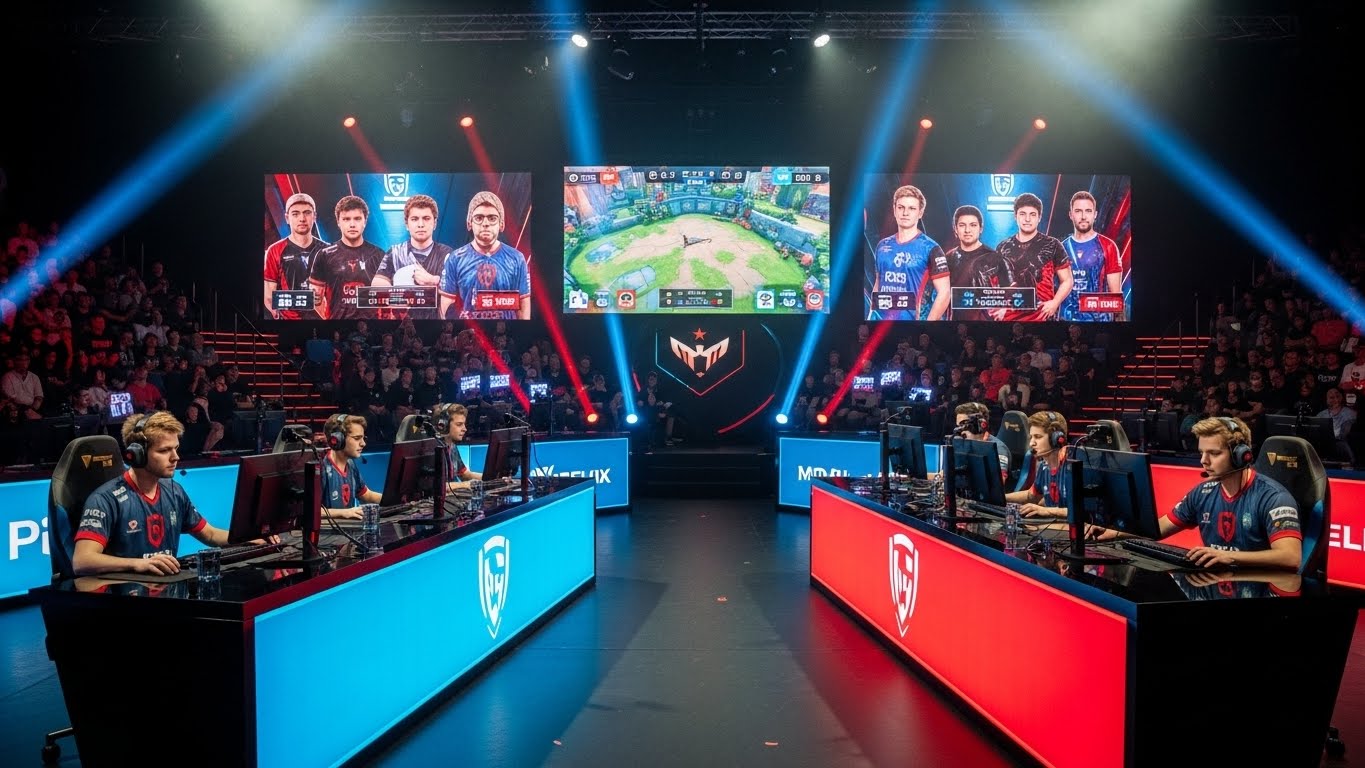
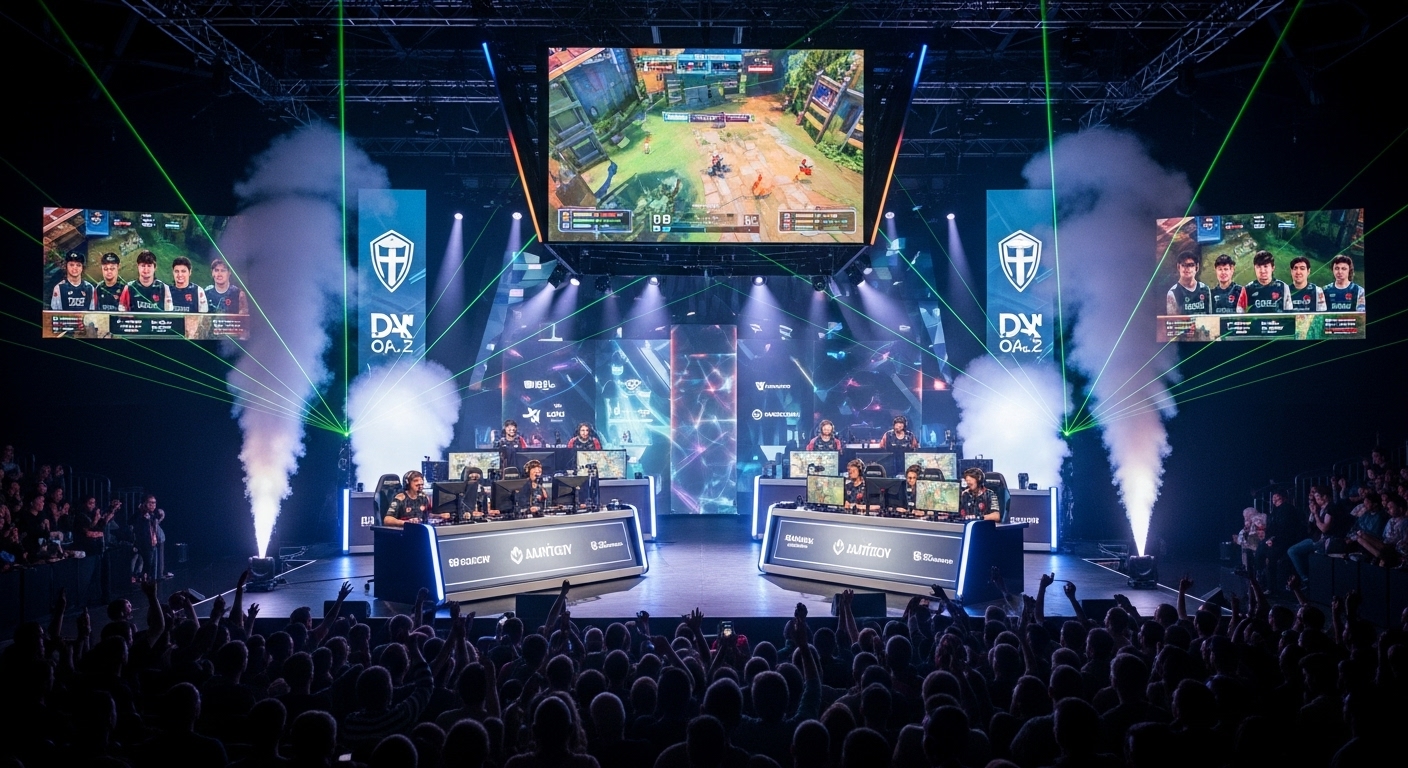
One of the most striking developments in modern Esports is the spectacle it has become. Massive arenas host live tournaments with elaborate stage setups, pyrotechnics, and high-definition displays. Events like the League of Legends World Championship or the Fortnite World Cup attract tens of thousands of in-person fans, with millions more tuning in online.
The energy in these venues rivals that of any major sporting event. Fans chant, wave banners, and celebrate every victory and defeat. The combination of digital gameplay and real-world emotion creates an atmosphere that’s both futuristic and deeply human.
Esports has also influenced how entertainment is produced. High-quality broadcasts, live commentary, instant replays, and interactive overlays have set new standards for viewer engagement. Fans can follow every click, every strategy, and every moment of triumph or despair in vivid detail.
The Future of Esports: Where the Game Goes Next
Looking ahead, the potential for Esports appears limitless. The industry continues to evolve alongside technology and cultural trends. Mobile gaming is expanding access, especially in regions like South Asia and Africa, where smartphones are the primary gaming platform. Cloud gaming promises to eliminate hardware barriers entirely, allowing anyone with an internet connection to compete.
Esports is also exploring new territories such as the metaverse, where virtual environments could host persistent competitive worlds. These innovations blur the lines between game, sport, and experience, creating entirely new forms of interaction and storytelling.
As traditional sports organizations invest in Esports divisions and media giants secure broadcasting rights, the boundary between physical and digital competition will continue to fade. Esports is not just a trend—it’s a permanent pillar of modern culture.
Conclusion: A New Era of Play
Esports has come a long way from the arcades of the 1980s and the LAN parties of the 1990s. It has become a global phenomenon, reshaping entertainment, technology, and culture. What began as a hobby has matured into a profession, a community, and an art form.
At its core, Esports represents the universal human desire to compete, connect, and create. It’s proof that passion, when combined with technology, can transform pixels into purpose. As the industry continues to grow, one thing is certain—the game has only just begun.