Esports, short for electronic sports, has experienced an unprecedented rise over the past two decades, transforming from a niche pastime into a global phenomenon. What was once a small community of competitive gamers has now expanded into a multi-billion-dollar industry that captivates millions of fans, attracts sponsorships from top-tier companies, and generates immense media attention. This article explores the journey of esports, from its humble beginnings to its current status as one of the most significant segments of the entertainment industry. We will also look at the future of esports and the key factors that are likely to shape its development in the coming years.
The Birth of Esports: From Arcade Games to Competitive Play
Esports’ origins can be traced back to the 1970s and 1980s when competitive gaming first began to take shape in arcades. Early games such as Pong, Space Invaders, and Pac-Man set the stage for a culture of competitive play, but it wasn’t until the 1990s that esports truly started to evolve into the form we recognize today.
The 1990s saw the rise of real-time strategy (RTS) games like Warcraft and StarCraft, along with first-person shooters (FPS) such as Doom and Quake, which became staples in the growing competitive gaming scene. It was during this time that the first esports tournaments began to appear, with organizations like Cyberathlete Professional League (CPL) and ESL (Electronic Sports League) hosting competitions for players to compete for both fame and prizes.
However, esports was still relatively small in scope and largely confined to gaming enthusiasts, with most tournaments being held locally or regionally. The audience was limited, and sponsorship deals were few and far between. Despite this, the foundation for modern esports was being built.
The Rise of Online Gaming and Streaming Platforms
The next phase in esports’ evolution came with the widespread adoption of high-speed internet. As more people gained access to the internet, online multiplayer games became a major factor in the development of esports. Games like Counter-Strike, League of Legends, and Dota 2 were pivotal in turning competitive gaming into a global spectacle. These games offered players the opportunity to compete in large-scale, online tournaments with competitors from all over the world.
This era also saw the rise of streaming platforms, which allowed fans to watch their favorite players and teams compete in real-time. The launch of Twitch in 2011 played a crucial role in the democratization of esports content, providing a platform for both professional players and amateur enthusiasts to broadcast their gameplay. By offering live streams, commentary, and community interaction, Twitch created a thriving ecosystem for esports to flourish.
As viewership of esports grew, so did its credibility as a legitimate form of entertainment. Traditional media outlets began to take notice, and soon networks like ESPN and TBS started airing esports events, further elevating the status of competitive gaming.
The Economic Impact of Esports
By the mid-2010s, esports had transformed from a niche hobby to a multi-billion-dollar industry. Sponsorships from major brands, partnerships with tech companies, and the introduction of major leagues and tournaments made esports one of the most lucrative forms of entertainment. The esports industry’s revenue is derived from a combination of sources, including:
- Sponsorships: Major companies like Intel, Coca-Cola, Red Bull, and Nike began to invest heavily in esports, sponsoring teams, events, and individual players. Sponsorship deals help fund tournaments and provide valuable marketing opportunities for both brands and esports organizations.
- Media Rights: With the growth of streaming platforms like Twitch, YouTube, and Facebook Gaming, esports organizations began securing media rights deals for the live broadcasting of tournaments. This helped boost the industry’s financial prospects, as media companies paid for the exclusive rights to broadcast tournaments to a global audience.
- Prize Money: High-stakes tournaments, such as The International (Dota 2’s annual championship), League of Legends World Championship, and Overwatch League, offer multi-million-dollar prize pools, attracting the best players from around the world. These massive prize pools have contributed to the increasing recognition of esports as a legitimate sport.
- Merchandise: As esports teams and players gained popularity, merchandise sales became a significant revenue stream. Fans could purchase jerseys, hats, and other team-branded gear, further solidifying the connection between players and their fanbase.
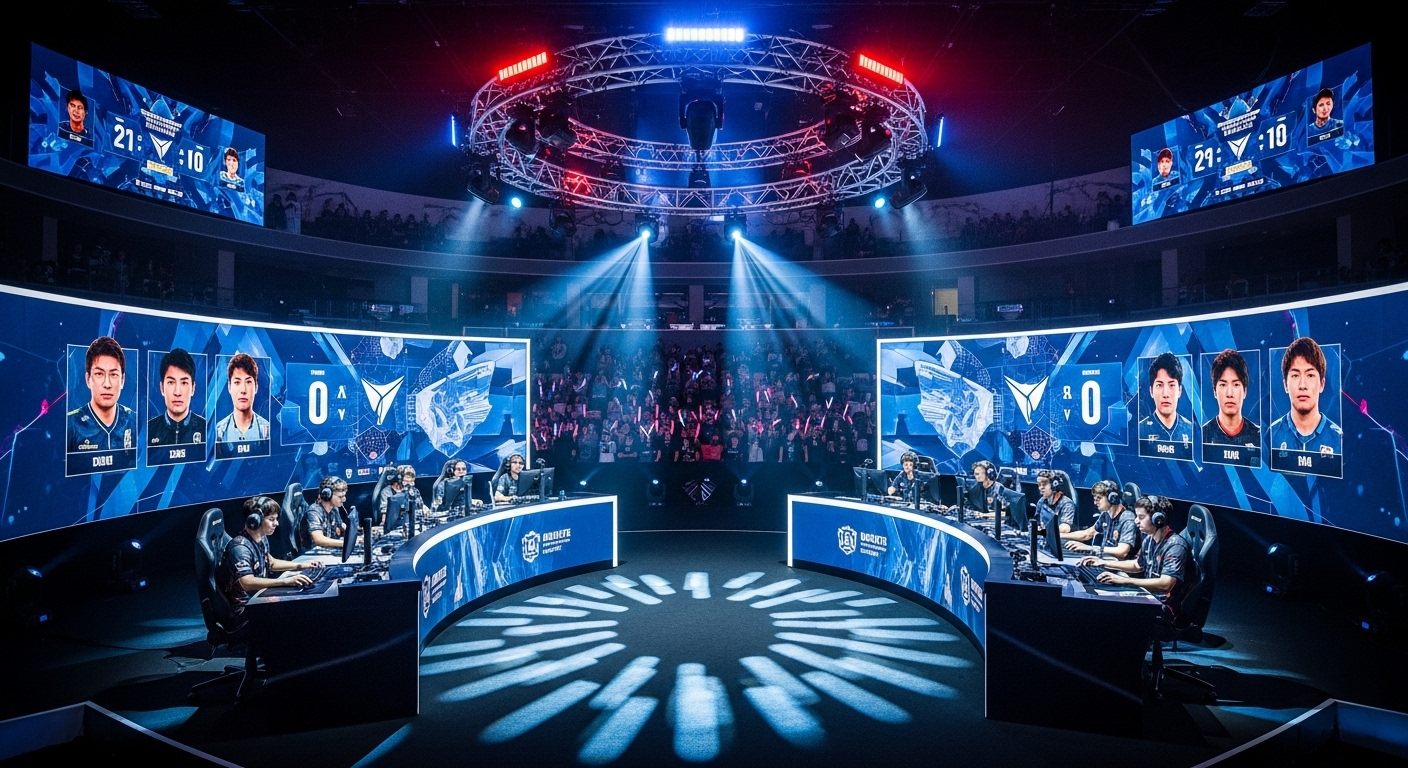
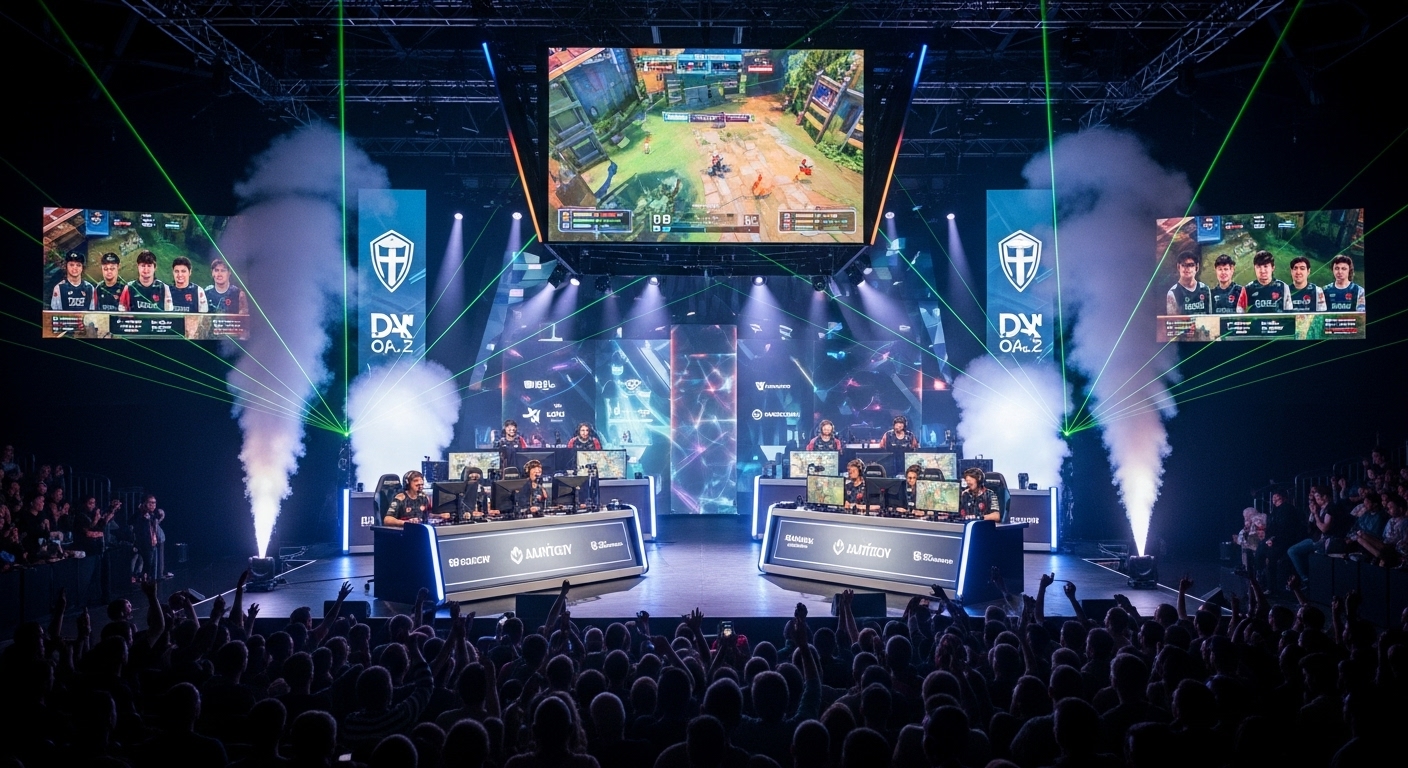
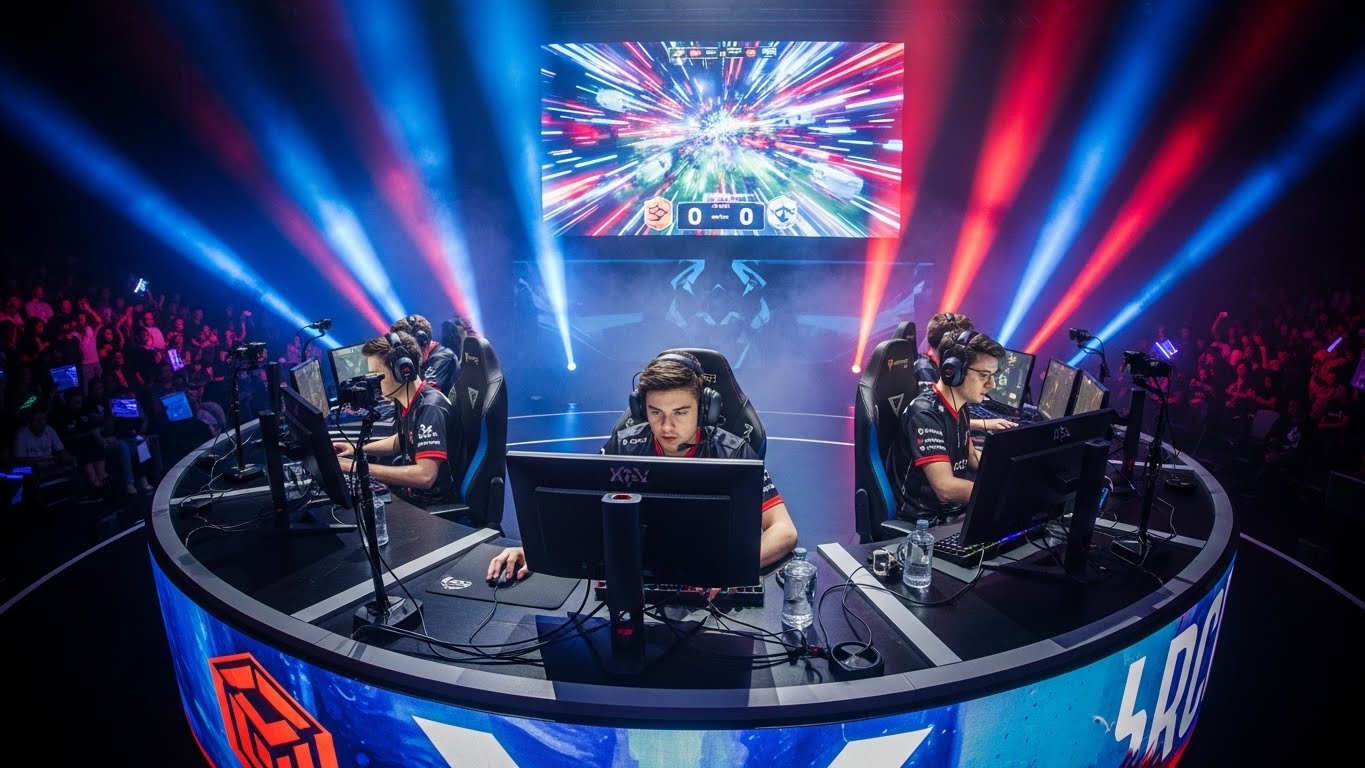
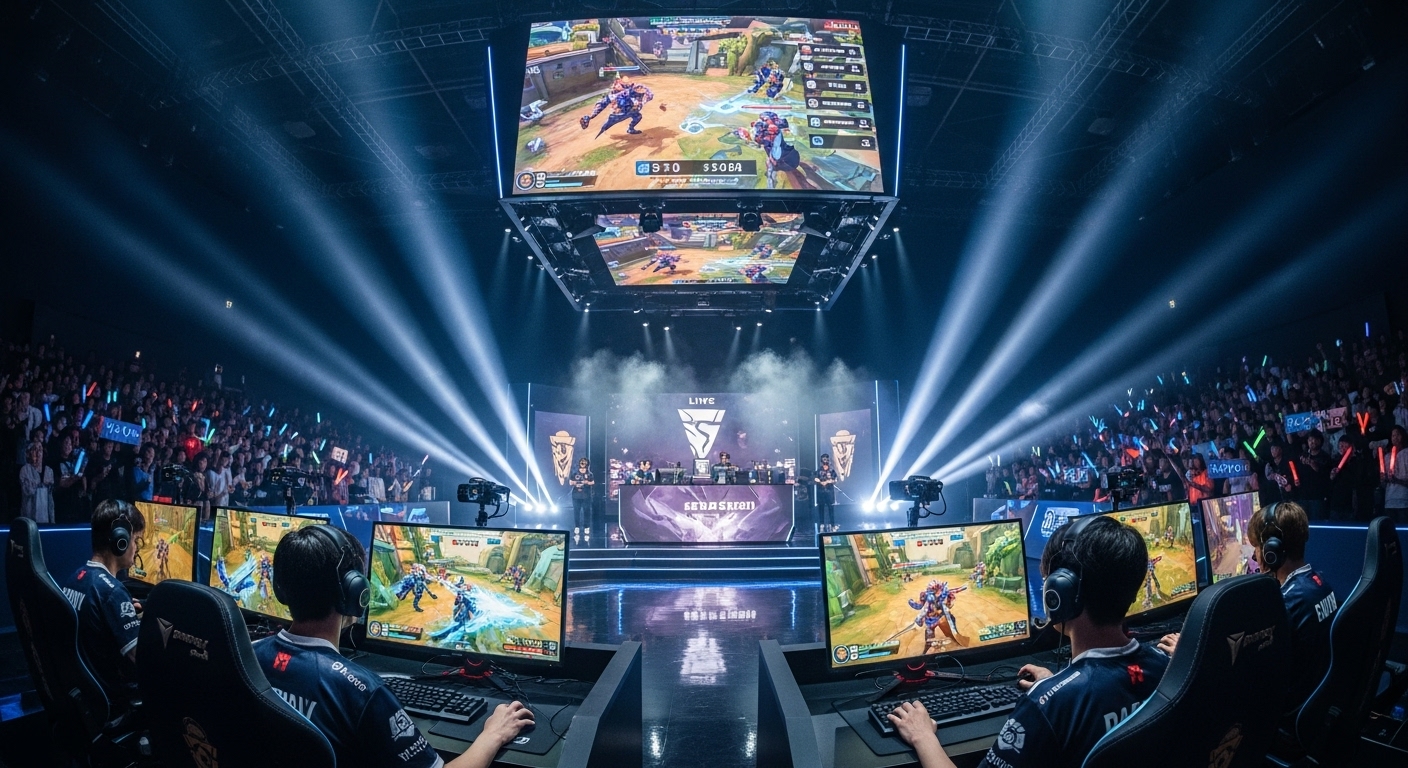
- Live Events: Live esports events, including LAN (Local Area Network) tournaments and sold-out arenas, have become key revenue sources. The production value of these events has reached the level of traditional sports, with large-scale stadiums hosting competitions, complete with high-tech lighting, sound, and on-stage commentary.
Esports as a Career Path: Professional Players, Coaches, and Analysts
One of the most significant changes in the esports landscape has been the emergence of professional esports players, coaches, analysts, and content creators. In the early days, esports was primarily a hobby pursued by passionate gamers, but today, it has become a full-fledged career option.
Professional Players
Esports players are the stars of the industry. They train for hours each day, honing their skills to compete at the highest level. Esports has developed a unique infrastructure around its players, with some teams offering full-time contracts, salaries, and benefits similar to traditional sports leagues.
Top players are often sponsored by major brands and regularly participate in high-profile tournaments. Players can also make substantial money through streaming platforms, where they interact with fans, earn donations, and generate revenue through advertisements and subscriptions.
Coaches and Analysts
As the skill level of players has increased, so has the demand for coaches and analysts who help guide teams to success. Coaches are responsible for strategy, training regimens, and team dynamics, while analysts provide in-depth game knowledge and post-match analysis. These roles are now essential parts of professional esports teams, with many organizations employing entire support staffs to optimize player performance.
Content Creators
In addition to professional players, esports content creators play a vital role in the ecosystem. Streamers, YouTubers, and social media influencers contribute to the growth of the community by producing engaging content such as tutorials, highlight reels, and behind-the-scenes footage. They also help to build the brand of esports organizations and provide valuable marketing channels for sponsors.
Esports and Traditional Sports: The Blurring of Lines
One of the most exciting aspects of esports is its increasing crossover with traditional sports. In recent years, esports organizations have adopted models similar to those in traditional sports, with franchised leagues, team owners, and large-scale sponsorship deals.
For instance, the Overwatch League and Call of Duty League both operate on a franchise model, similar to that of the NBA or NFL. These leagues feature city-based teams, creating a sense of regional pride among fans. Major sports organizations have also taken note of esports’ popularity, with entities like The New England Patriots and The Dallas Mavericks investing in esports teams and events.
Moreover, traditional sports networks, such as ESPN and Turner Sports, have begun to broadcast esports tournaments alongside conventional sports events, further legitimizing esports as a form of competitive entertainment.
The Global Impact of Esports: A Cultural Movement
Esports is not just a hobby for some—it has become a global cultural movement. With tournaments held across the world, esports has helped bring together diverse communities of players, fans, and content creators from different countries and backgrounds.
In countries like South Korea, esports is recognized as a professional sport, with dedicated arenas, television broadcasts, and government support for players. Similarly, in regions like North America and Europe, esports continues to grow, with countries like the United States and the United Kingdom hosting large-scale events that attract fans from around the world.
Esports’ global reach has also given rise to new forms of cultural exchange. International tournaments bring together players from different regions, and the growing esports fanbase has helped spread gaming culture across the globe. Esports has become a way for people to connect, collaborate, and share experiences, fostering a sense of community among gamers worldwide.
The Future of Esports: Innovation, Growth, and Challenges
As esports continues to evolve, several key trends are likely to shape its future:
Virtual Reality (VR) and Augmented Reality (AR)
The future of esports could be revolutionized by VR and AR technologies. These innovations offer new ways for players to engage with games and create immersive experiences for spectators. As VR technology becomes more advanced, it may open up new opportunities for esports tournaments, allowing fans to feel like they are in the arena with the players.
Mobile Esports
Mobile gaming is rapidly gaining traction, especially in regions with widespread mobile phone usage. Games like PUBG Mobile, Clash Royale, and Arena of Valor have proven that competitive gaming can thrive on mobile platforms. Mobile esports will likely continue to grow as more gamers around the world embrace mobile gaming, creating a new frontier for esports competitions.
Mainstream Acceptance and Inclusion
As esports becomes more widely recognized, its legitimacy as a sport will continue to increase. Over time, esports could be included in major international competitions such as the Olympics, which would further cement its place as a mainstream form of entertainment. Additionally, the industry will likely continue to evolve with an emphasis on diversity and inclusion, promoting opportunities for players of all genders, backgrounds, and skill levels.
Legal and Ethical Considerations
With the rise of esports comes the need for regulation and governance. Issues like cheating, match-fixing, and player health will continue to challenge the industry. As esports becomes more established, regulatory bodies will likely emerge to address these concerns, ensuring fair play and player safety.
Conclusion
Esports has come a long way since its early days as a hobby for gamers, and its future looks brighter than ever. With continued growth in viewership, increased sponsorship, and the integration of new technologies, esports is poised to become one of the leading forms of entertainment in the coming decades. Whether you’re a player, a fan, or simply someone fascinated by the impact of gaming on culture, esports offers a thrilling glimpse into the future of entertainment.
As the industry matures, it’s clear that esports is not just a trend—it’s a cultural shift that is here to stay. With its global community, cutting-edge technology, and growing mainstream appeal, esports will undoubtedly continue to shape the way we think about competition and entertainment in the digital age.