Introduction: The Emergence of Esports
Esports, short for electronic sports, has rapidly transformed from a niche hobby to a globally recognized phenomenon. What started in the 1990s as casual competitions among friends has evolved into a multi-billion-dollar industry that captivates millions of viewers worldwide. The rise of esports has revolutionized the way people perceive gaming, turning it into a legitimate form of competition on par with traditional sports. Today, esports isn’t just about playing video games—it’s a full-fledged ecosystem encompassing professional players, teams, sponsors, events, and a passionate fan base.
As esports continues to gain traction, its influence is felt in various sectors, from entertainment to technology and even education. The rapid growth of the industry and its ability to attract massive audiences have made it one of the most exciting and dynamic fields of the 21st century. In this blog post, we’ll explore the factors behind the rise of esports, the key elements that make it a global phenomenon, and its future prospects.
The Rise of Esports: From Casual Play to Global Competitions
The early roots of esports can be traced back to the late 20th century, when competitive gaming started to take shape in arcades and small local tournaments. However, it wasn’t until the 2000s, with the advent of online multiplayer games, that esports began its rapid growth. Games like StarCraft, Warcraft III, and Counter-Strike provided the foundation for competitive gaming, as players could now compete against one another from different locations across the globe.
As internet speeds improved and online platforms like Twitch and YouTube gained popularity, the gaming community began to form around these virtual spaces. By the mid-2000s, major esports tournaments such as the World Cyber Games and the Electronic Sports World Cup were born, further legitimizing competitive gaming as an industry. The development of esports was propelled forward by these large-scale events, which attracted sponsorships from big brands and created professional opportunities for players.
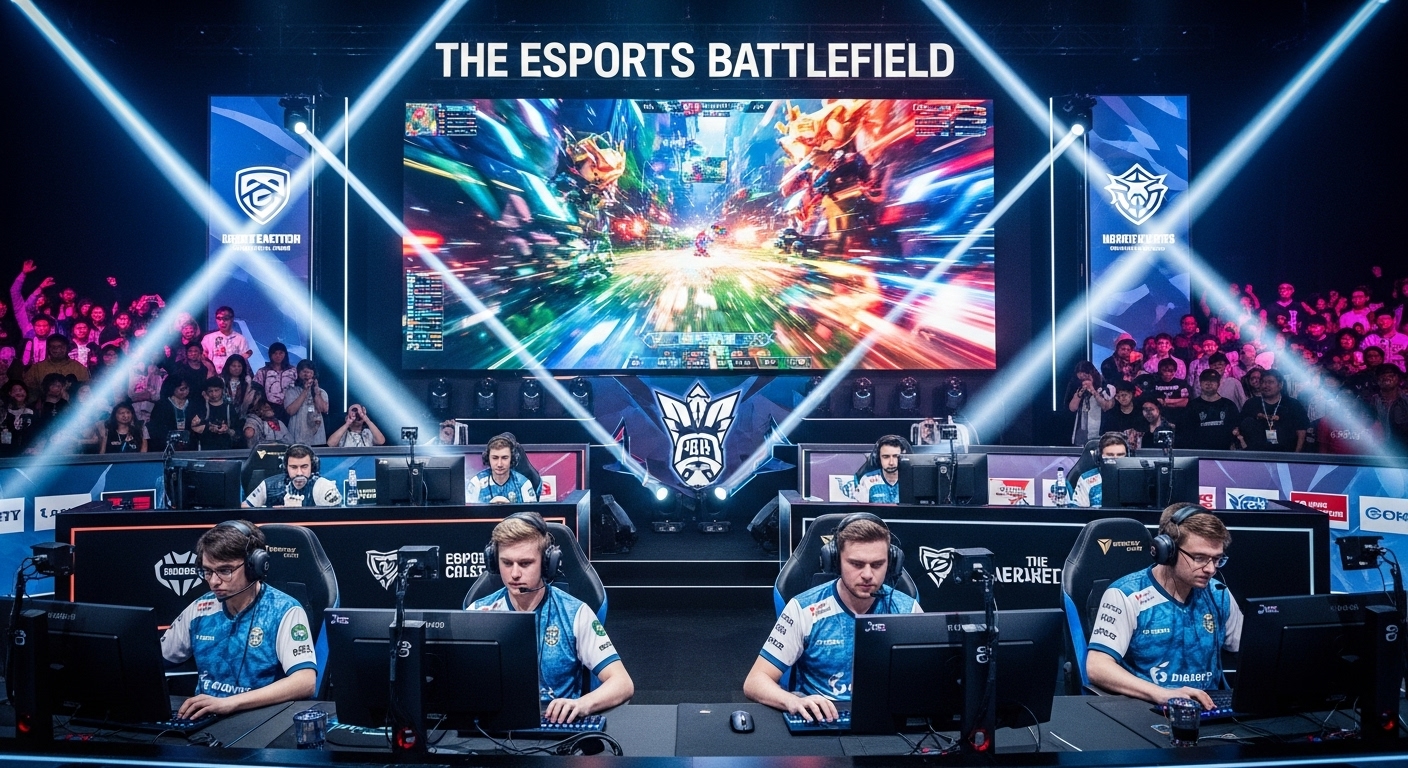
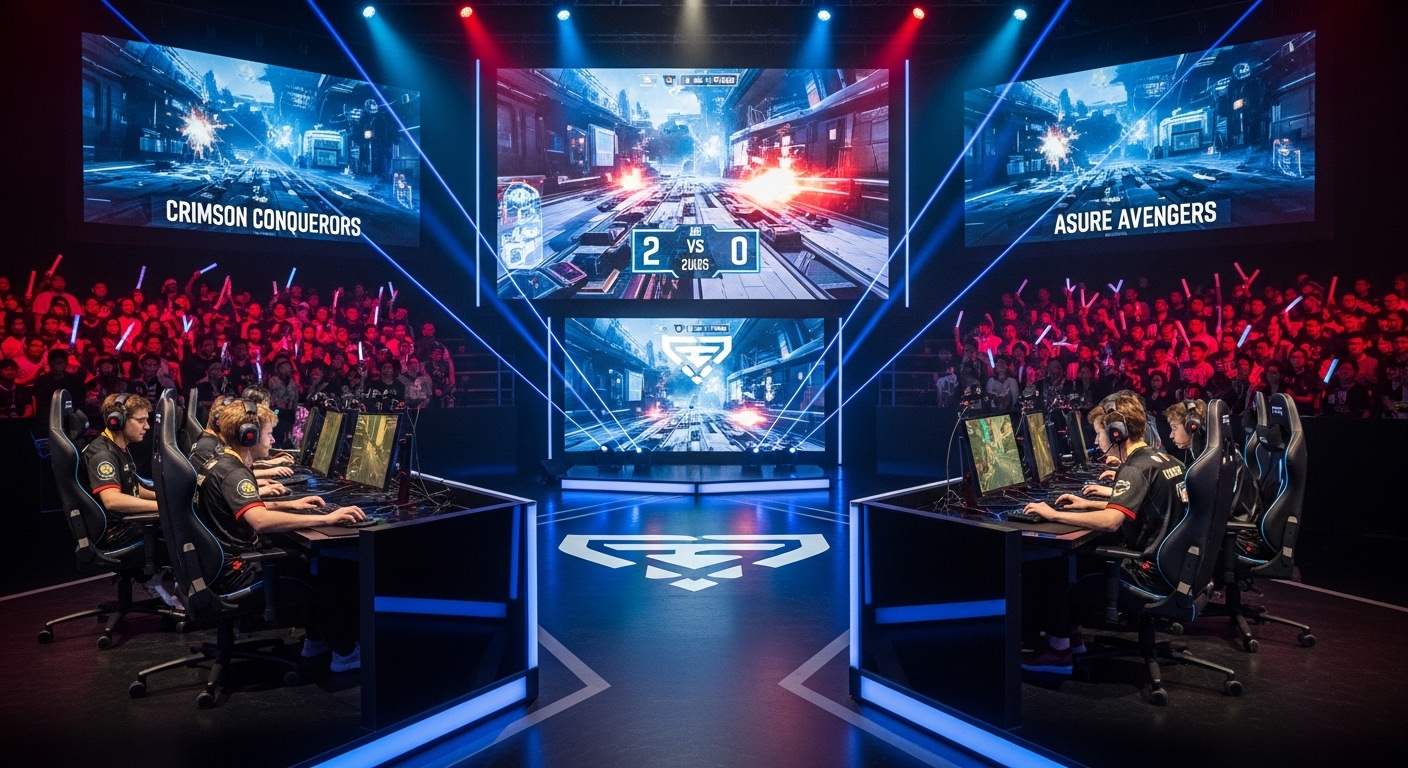
By the 2010s, esports had firmly established itself as a major entertainment industry. Games like League of Legends, Dota 2, Overwatch, and Fortnite brought competitive gaming into the mainstream, with millions of fans tuning in to watch high-stakes tournaments. The prize pools for these events have skyrocketed, with major tournaments offering millions of dollars in prizes. The most iconic events, such as The International and League of Legends World Championship, now rival traditional sports events in viewership and media coverage.
The Players: From Casual Gamers to Global Icons
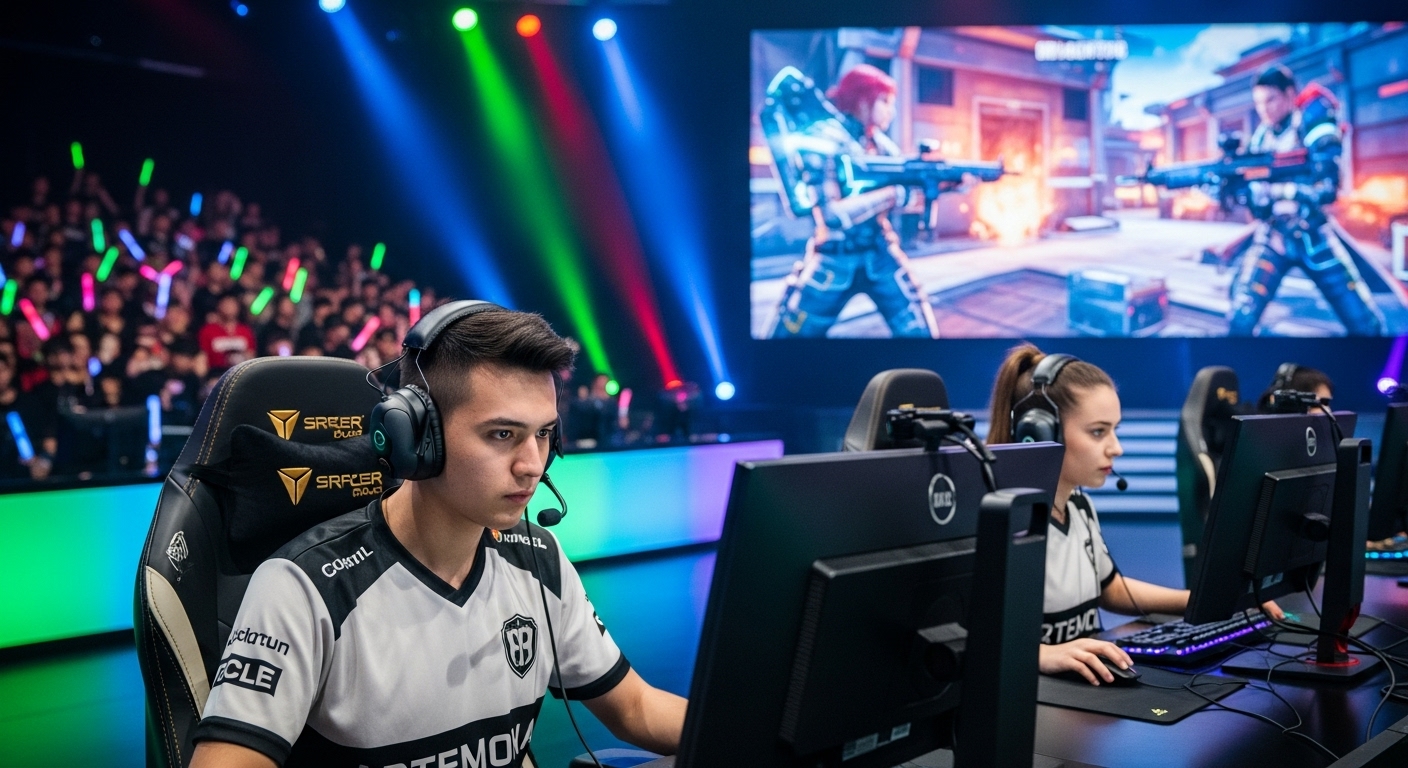
At the heart of esports are the players—the athletes who train rigorously to compete at the highest levels. While traditional athletes rely on physical strength and skill, esports professionals hone their reflexes, strategic thinking, and coordination in virtual environments. Becoming a professional esports player is no easy feat. Players typically start at a young age, spending years mastering their craft and rising through the ranks in online competitions.
Professional esports players have a level of dedication and discipline comparable to that of athletes in traditional sports. They spend hours every day practicing, studying game mechanics, and working on team dynamics. In many games, success requires not just individual skill but also teamwork and communication. Esports teams often employ coaches, analysts, and psychologists to ensure their players perform at their best.
As esports has grown, many players have achieved celebrity status. Some, like Faker (Lee Sang-hyeok), Ninja (Tyler Blevins), and shroud (Michael Grzesiek), have become household names. These players are not only revered for their in-game abilities but also for their ability to engage with fans through live streams and social media. In fact, live streaming platforms like Twitch have allowed players to build personal brands and expand their reach beyond tournaments. For some, streaming becomes a primary source of income, while others continue to compete professionally.
The Global Community: Connecting Fans and Players Across Borders
One of the most remarkable aspects of esports is its ability to bring together fans from all corners of the world. Unlike traditional sports, where geographical boundaries play a significant role in determining fan bases, esports communities transcend national borders. Gamers from different countries, cultures, and backgrounds can compete and interact with each other in real-time, fostering a unique sense of global unity.
Streaming platforms like Twitch, YouTube Gaming, and Facebook Gaming have made it easier for fans to engage with their favorite players, watch live streams, and participate in community-driven events. These platforms provide a space for fans to chat, share their thoughts, and even influence the content that creators produce. The interaction between players and their audiences has become a key feature of the esports experience, making it more immersive and personal than traditional sports.
Esports is also a powerful tool for socialization and community building. Online multiplayer games provide an avenue for people to form friendships, collaborate in teams, and share experiences. Whether through in-game communication or social media platforms, esports fans and players form tight-knit communities that often extend beyond the digital world. This sense of belonging has contributed to the rise of esports, creating a social ecosystem that is as much about shared experiences as it is about competition.
Esports as a Career: Opportunities Beyond Playing
While many people think of esports primarily in terms of professional players, the industry offers a wide range of career opportunities. The rapid growth of esports has created demand for professionals in areas such as event management, broadcasting, marketing, coaching, and game development. For individuals passionate about gaming, there are now numerous pathways to turn a hobby into a career.
Game developers, for example, play a crucial role in shaping the competitive landscape. Companies like Riot Games, Blizzard Entertainment, and Valve Corporation develop the titles that power the esports industry. As esports continues to grow, there will be an increasing need for professionals who can create and refine games that are both fun to play and balanced for competitive play.
On the business side, esports has opened doors for individuals in marketing, sponsorship management, and content creation. Teams and players need social media managers, content producers, and graphic designers to maintain their online presence and engage with fans. Meanwhile, brands are eager to tap into the lucrative esports market, leading to the rise of sponsorships, advertisements, and merchandising opportunities.
Perhaps most notably, colleges and universities are beginning to recognize esports as a legitimate career path. Many institutions now offer scholarships for esports athletes and degree programs in esports management, game design, and digital marketing. This academic recognition of esports provides students with the skills and credentials necessary to pursue careers in the industry, from managing teams to organizing large-scale tournaments.
The Business of Esports: Sponsorships, Tournaments, and Broadcasting
Esports is a thriving business, with billions of dollars in revenue generated each year. The industry’s financial growth is driven by a combination of sponsorship deals, broadcasting rights, ticket sales, and merchandise. Major brands, including Coca-Cola, Intel, Mercedes-Benz, and Nike, have all invested heavily in esports, seeing it as a lucrative opportunity to reach a young, tech-savvy audience.
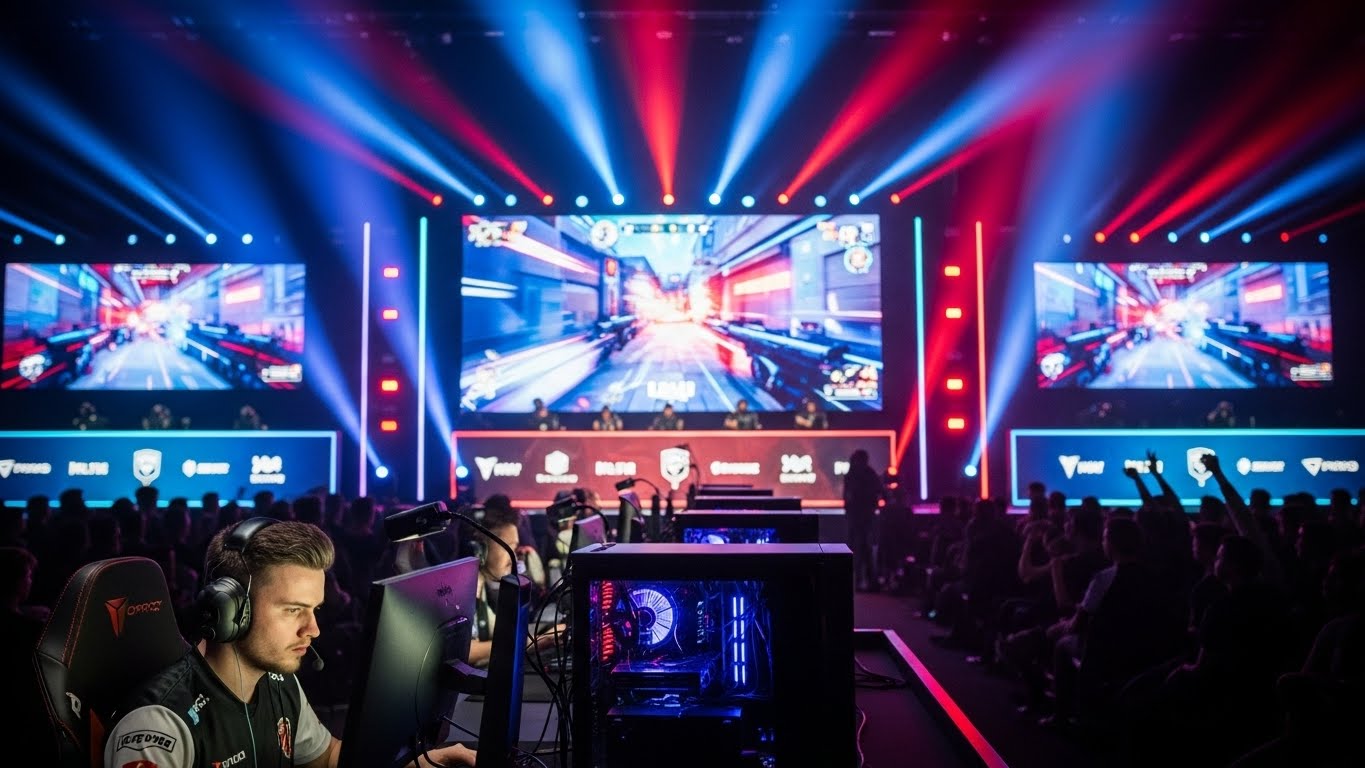
Sponsorships are a significant source of revenue for esports teams and tournaments. Companies pay to have their logos featured on jerseys, advertisements, and event stages. In return, they gain access to a massive global audience of gamers and fans who are highly engaged with the esports ecosystem. The relationship between brands and esports teams is symbiotic, with both benefiting from the visibility and exposure that esports provides.
Broadcasting rights have also become a key revenue stream for the esports industry. Major tournaments like The International and League of Legends World Championship are broadcasted live on streaming platforms like Twitch and YouTube, with millions of viewers tuning in to watch the action. In some cases, esports events are even broadcast on traditional television networks, further solidifying the industry’s mainstream appeal.
The Future of Esports: What Lies Ahead?
As esports continues to grow, its future looks incredibly promising. Advances in technology, such as virtual reality (VR) and augmented reality (AR), have the potential to revolutionize the way we experience esports. These technologies could create more immersive and interactive experiences for players and viewers alike, blurring the lines between the digital and physical worlds.
Esports will likely continue to expand its global reach, with new regions and countries embracing competitive gaming. China, South Korea, and North America are already major hubs for esports, but the industry is growing rapidly in Europe, Latin America, and Southeast Asia. As internet infrastructure improves in developing nations, esports will become even more accessible, helping to create a truly global esports community.
The future of esports will also depend on the continued integration of traditional sports. Already, some major sports organizations have invested in esports teams and tournaments, recognizing the crossover potential between the two industries. In the coming years, we may see more collaborations between esports and traditional sports leagues, helping to bring esports into even more mainstream audiences.
Conclusion: Esports Is Here to Stay
Esports has come a long way from its humble beginnings as a pastime for gamers. Today, it is a global industry that rivals traditional sports in terms of revenue, viewership, and cultural impact. Whether through watching tournaments, supporting favorite teams, or pursuing a career in the industry, esports offers something for everyone.
The rise of esports is not just about the games themselves, but the communities, opportunities, and cultural shifts it has created. As the industry continues to evolve, there’s no telling how far esports will go. One thing is for certain: esports is not a passing trend. It is a revolution in the world of competition and entertainment, and it is here to stay.