Introduction: From Bedroom Screens to World Stages
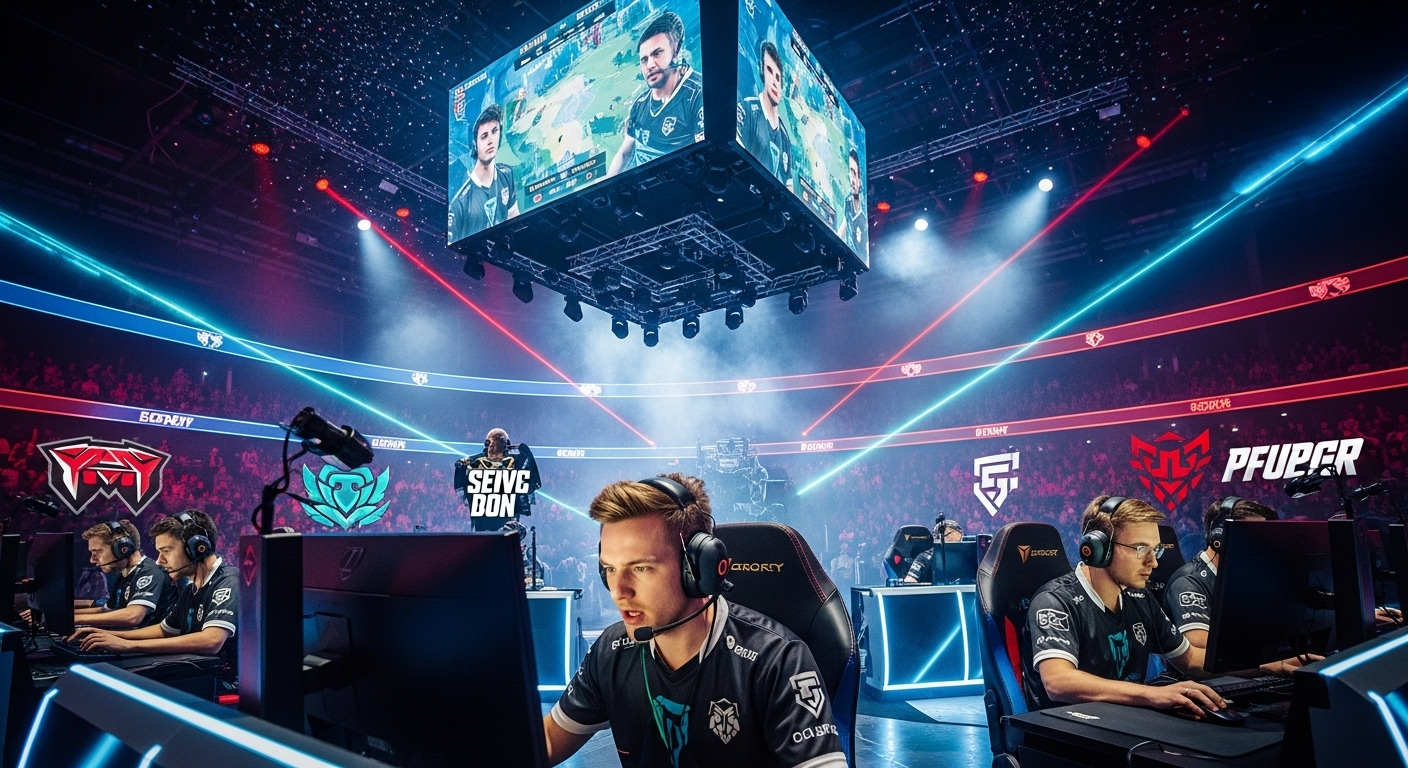
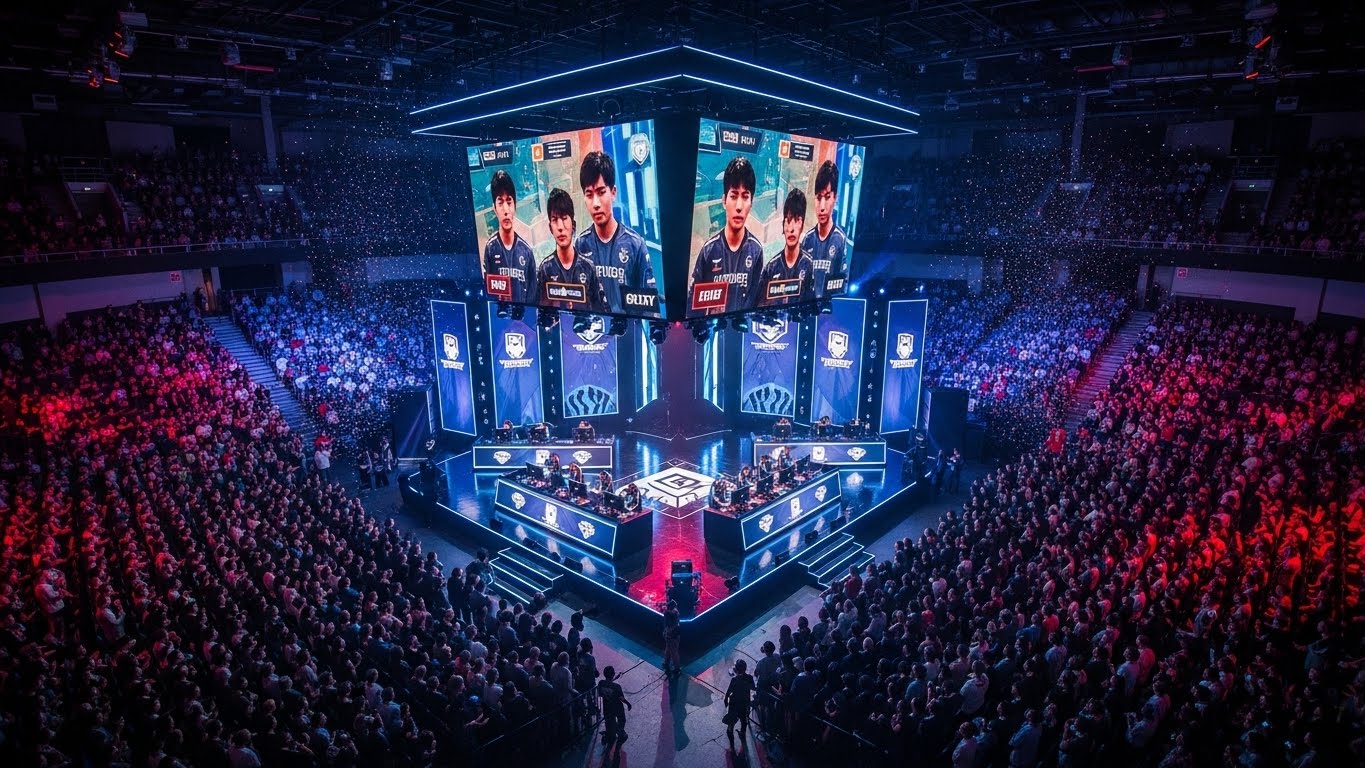
Esports, once dismissed as a niche hobby for a small group of gamers, has grown into one of the most influential entertainment industries of the modern era. What began in bedrooms and internet cafés has transformed into packed arenas, multimillion-dollar tournaments, and a global audience rivaling traditional sports. Esports is no longer just about playing video games; it is about competition, community, culture, and opportunity. This blog explores the evolution of esports, its ecosystem, its impact on society, and what the future holds for this digital phenomenon.
Understanding Esports: More Than Just Gaming
Esports, short for electronic sports, refers to organized competitive video gaming where players or teams compete against each other in professional leagues and tournaments. Unlike casual gaming, esports demands high levels of skill, strategy, teamwork, and discipline. Popular genres include multiplayer online battle arenas, first-person shooters, real-time strategy games, and sports simulations. What sets esports apart is its structured competitive environment, complete with professional teams, coaches, analysts, referees, and governing bodies.
The Early Days: Humble Beginnings of Competitive Gaming
The roots of esports can be traced back to the late twentieth century when arcade competitions and local tournaments first appeared. Early competitions were small and informal, often organized by gaming enthusiasts rather than corporations. As personal computers and home consoles became more accessible, competitive gaming slowly gained momentum. The rise of the internet played a crucial role, allowing players to compete online and spectators to watch matches remotely. These early foundations set the stage for the explosive growth that would follow.
The Esports Ecosystem: Players, Teams, and Organizations
At the heart of esports are the players, many of whom dedicate their lives to mastering a single game. Professional esports players often train for long hours each day, refining mechanics, studying strategies, and maintaining mental focus. Surrounding them are teams and organizations that function much like traditional sports clubs. These organizations provide salaries, training facilities, coaching staff, and brand management. Sponsors, advertisers, tournament organizers, and broadcasters all form interconnected parts of a complex and rapidly evolving ecosystem.
Technology as the Backbone of Esports
Technology is the driving force behind esports. High-speed internet, powerful gaming hardware, advanced software, and streaming platforms make competitive gaming possible on a global scale. Live streaming has revolutionized how fans engage with esports, allowing millions to watch matches in real time, interact with commentators, and support their favorite teams. Innovations such as virtual reality, artificial intelligence, and data analytics are further enhancing gameplay, training methods, and viewer experiences.
Esports and Youth Culture
Esports has become deeply embedded in youth culture, shaping how younger generations consume entertainment and form communities. Unlike traditional sports, esports is highly accessible; anyone with a gaming device and internet connection can participate or spectate. This inclusivity has helped esports resonate with diverse audiences across different countries and backgrounds. Esports communities thrive on social interaction, shared passion, and digital identity, making them powerful cultural spaces for self-expression and belonging.
The Business of Esports: Money, Media, and Marketing
The financial growth of esports has been nothing short of remarkable. Revenue streams include sponsorships, advertising, media rights, merchandise, ticket sales, and in-game purchases. Major brands from technology, fashion, automotive, and food industries have entered the esports space, recognizing its marketing potential. Media coverage has expanded beyond niche platforms to mainstream outlets, further legitimizing esports as a serious business and entertainment industry.
Education and Career Opportunities in Esports
Esports has opened doors to a wide range of career paths beyond professional play. Opportunities exist in coaching, event management, broadcasting, content creation, game design, marketing, and sports psychology. Educational institutions in many regions now offer esports-related programs and scholarships, acknowledging its academic and professional relevance. These developments highlight esports as a viable and sustainable career ecosystem rather than a fleeting trend.
Health, Discipline, and Mental Strength
While esports does not involve traditional physical exertion, it demands exceptional mental stamina, reflexes, and coordination. Professional players must maintain healthy routines to avoid burnout, repetitive strain injuries, and mental fatigue. Teams increasingly emphasize physical fitness, proper nutrition, and mental health support as essential components of success. This holistic approach challenges outdated stereotypes and demonstrates that esports requires discipline comparable to any high-performance profession.
Global Impact and Cultural Exchange
Esports transcends geographical boundaries, bringing together players and fans from around the world. International tournaments foster cultural exchange, mutual respect, and global competition. Language barriers are often overcome through shared gameplay experiences and visual communication. Esports has become a digital meeting ground where cultural differences blend into a shared passion for competition and skill.
Challenges Facing the Esports Industry
Despite its growth, esports faces several challenges. Issues such as player burnout, lack of standardized regulations, cheating, and financial sustainability for smaller teams remain concerns. Additionally, inclusivity and diversity within esports continue to be areas requiring improvement. Addressing these challenges is essential for long-term stability and credibility. Industry leaders, developers, and communities must work together to create fair, transparent, and supportive environments.
The Future of Esports: What Lies Ahead
The future of esports appears promising and dynamic. As technology advances, esports experiences are likely to become more immersive and interactive. Integration with emerging technologies could redefine how games are played and watched. Esports may also continue to blend with traditional sports, entertainment, and education, further expanding its reach. With increasing acceptance and innovation, esports is poised to remain a defining element of digital culture.
Conclusion: A New Era of Competition and Connection
Esports represents a powerful shift in how competition, entertainment, and community are experienced in the digital age. From its modest beginnings to its current global influence, esports has proven that virtual competition can be just as meaningful and impactful as physical sports. It has created opportunities, connected cultures, and redefined what it means to be an athlete in the modern world. As esports continues to evolve, it stands not only as an industry but as a cultural movement shaping the future of play, passion, and performance.