Introduction: The Rise of a New Arena
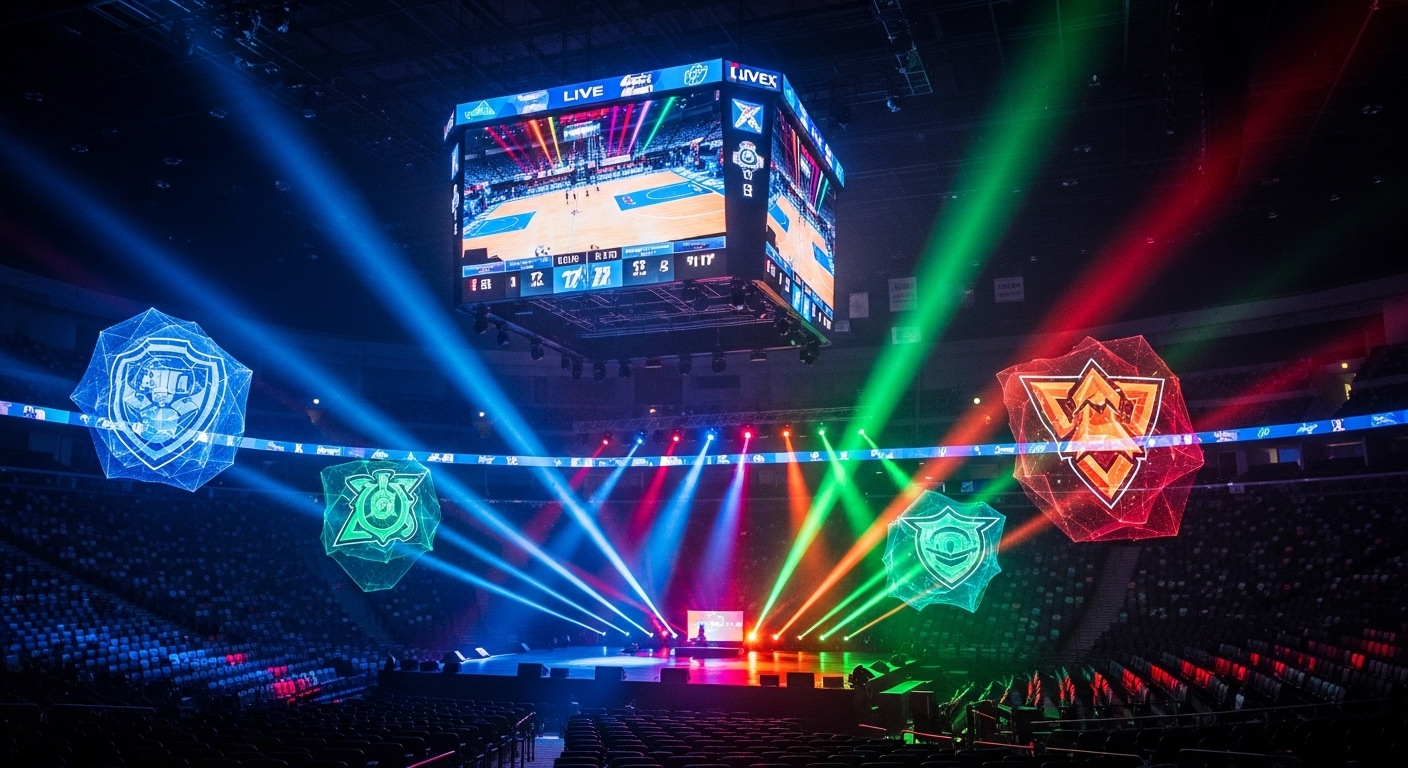
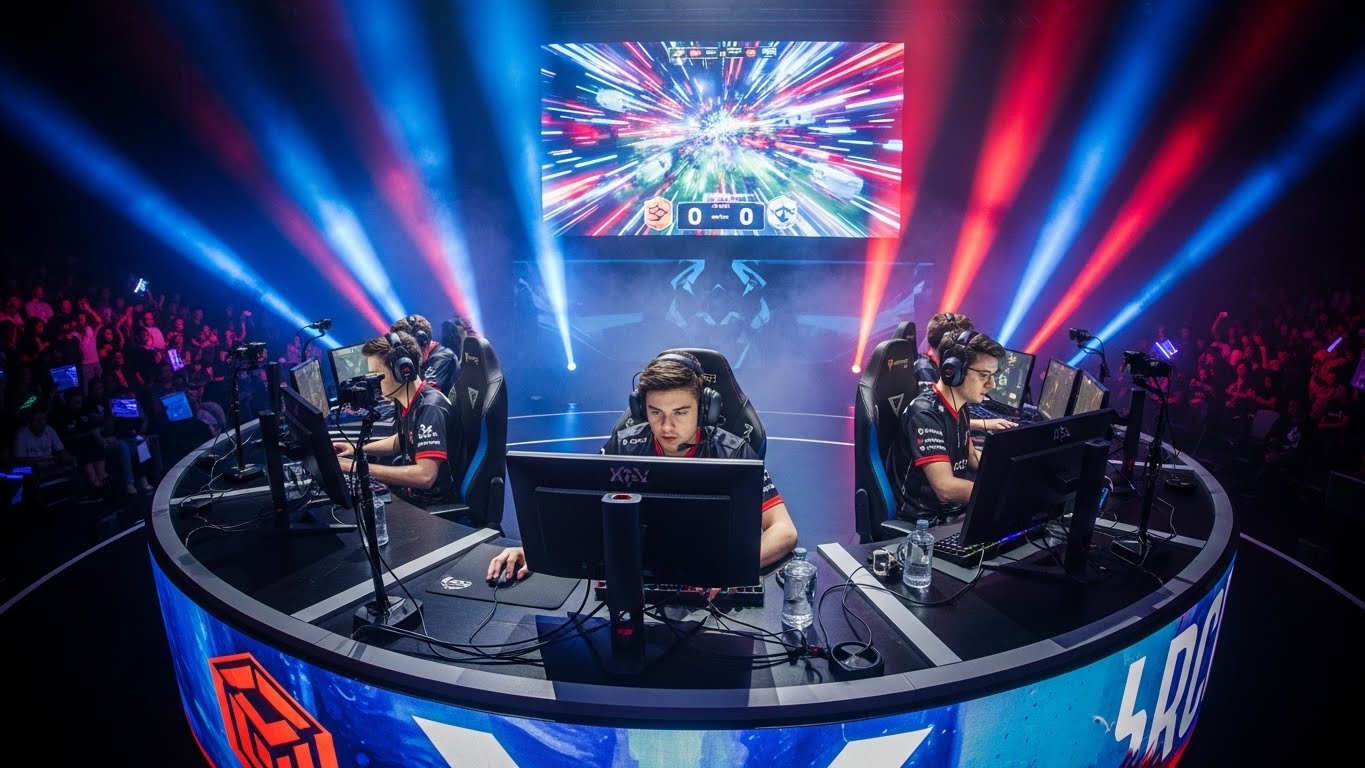
Not long ago, competitive gaming was seen as a niche hobby enjoyed by a small group of enthusiasts. Today, esports stands as one of the fastest-growing sectors in global entertainment, commanding massive audiences, lucrative sponsorships, and professional recognition. What began in bedrooms and internet cafés has evolved into sold-out arenas, multimillion-dollar prize pools, and careers that rival those of traditional athletes. Esports is no longer just about games; it is about culture, community, and a new definition of competition.
Understanding Esports Beyond Gaming
Esports, short for electronic sports, refers to organized competitive video gaming where individuals or teams face off in structured tournaments. Unlike casual gaming, esports involves rigorous practice schedules, strategic planning, coaching staff, and professional leagues. Popular genres include multiplayer online battle arenas, first-person shooters, real-time strategy games, and sports simulations. What separates esports from traditional gaming is its professional ecosystem, complete with contracts, transfers, analytics, and global fan bases.
A Brief History of Competitive Gaming
The roots of esports stretch back several decades. Early video game competitions took place in arcades during the late twentieth century, where players competed for high scores and local bragging rights. As home consoles and personal computers became widespread, organized tournaments grew in scale. The advent of high-speed internet transformed everything, allowing players from different countries to compete in real time. Streaming platforms later accelerated this growth, turning competitive matches into spectator events watched by millions worldwide.
The Games That Built the Industry
Certain titles played a critical role in shaping esports into a mainstream phenomenon. Multiplayer strategy and shooter games introduced complex mechanics that rewarded skill, teamwork, and decision-making. These games provided the depth necessary for long-term competition and spectator appeal. Developers also began designing games with esports in mind, incorporating ranked systems, spectator modes, and balance updates to maintain competitive integrity.
Esports Athletes: Training, Discipline, and Skill
Professional esports players are often misunderstood as simply playing games all day. In reality, their routines closely resemble those of traditional athletes. Training sessions can last eight to twelve hours a day, focusing on mechanics, strategy, communication, and mental resilience. Many teams employ coaches, analysts, and sports psychologists to optimize performance. Reaction time, hand-eye coordination, and strategic thinking are honed through relentless practice, making esports a demanding profession.
The Business of Esports
Esports has grown into a powerful economic engine. Revenue streams include sponsorships, advertising, media rights, merchandise, and ticket sales. Major brands from technology, fashion, food, and automotive industries have entered the space, recognizing the value of a young and engaged audience. Professional teams operate as businesses, managing budgets, marketing strategies, and player development programs. The financial stakes continue to rise as investors and media companies compete for a share of the market.
Global Reach and Cultural Impact
One of esports’ most remarkable qualities is its global nature. Players from different continents compete on equal footing, connected by the internet and a shared passion for gaming. International tournaments showcase cultural diversity while fostering mutual respect and collaboration. Esports has also influenced fashion, music, and language, shaping youth culture in ways similar to traditional sports and pop entertainment.
Streaming and the Power of Community
Streaming platforms have been instrumental in the growth of esports. Fans can watch live matches, follow their favorite players, and interact with communities in real time. This direct connection between players and audiences creates a sense of intimacy rarely found in traditional sports. Viewers are not just spectators; they are active participants who shape trends, support teams, and contribute to the overall ecosystem.
Education and Career Opportunities
As esports matures, educational institutions have begun to recognize its potential. Universities now offer scholarships, degree programs, and training facilities dedicated to esports. Career opportunities extend far beyond playing professionally. Roles in coaching, event management, broadcasting, marketing, game development, and data analysis are increasingly in demand. Esports has become a legitimate career path for individuals with diverse skill sets.
Health, Wellness, and Challenges
Despite its success, esports faces important challenges. Long hours of practice can lead to physical strain, mental fatigue, and burnout. The industry is increasingly aware of these issues, promoting healthier routines that include physical exercise, proper nutrition, and mental health support. Maintaining competitive integrity, preventing cheating, and ensuring fair treatment of players are ongoing concerns that require constant attention.
Esports and Traditional Sports: A Shared Future
Rather than competing with traditional sports, esports often complements them. Many sports organizations have launched their own esports divisions, recognizing the overlap in fan bases. The skills required for esports, such as teamwork, discipline, and strategic thinking, mirror those found in physical sports. This convergence suggests a future where digital and physical competitions coexist and learn from one another.
The Role of Technology in Shaping Esports
Advancements in technology continue to push esports forward. Improved graphics, faster internet connections, and more powerful hardware enhance both gameplay and viewing experiences. Innovations such as virtual reality and artificial intelligence hold the potential to redefine competitive gaming entirely. As technology evolves, so too will the ways players compete and fans engage.
The Future of Esports
Looking ahead, esports shows no signs of slowing down. Expanding audiences, increased investment, and broader acceptance indicate a bright future. Emerging regions are developing their own leagues and talent, further globalizing the industry. As regulations, player welfare standards, and professional structures improve, esports is poised to become an enduring pillar of global entertainment.
Conclusion: More Than a Game
Esports represents a fundamental shift in how competition, entertainment, and community intersect in the digital age. It challenges outdated notions of sports and opens doors to new forms of expression and connection. From humble beginnings to a global phenomenon, esports has proven that passion, skill, and dedication transcend physical boundaries. As pixels turn into powerhouses, esports continues to redefine what it means to compete, inspire, and belong in a rapidly changing world.