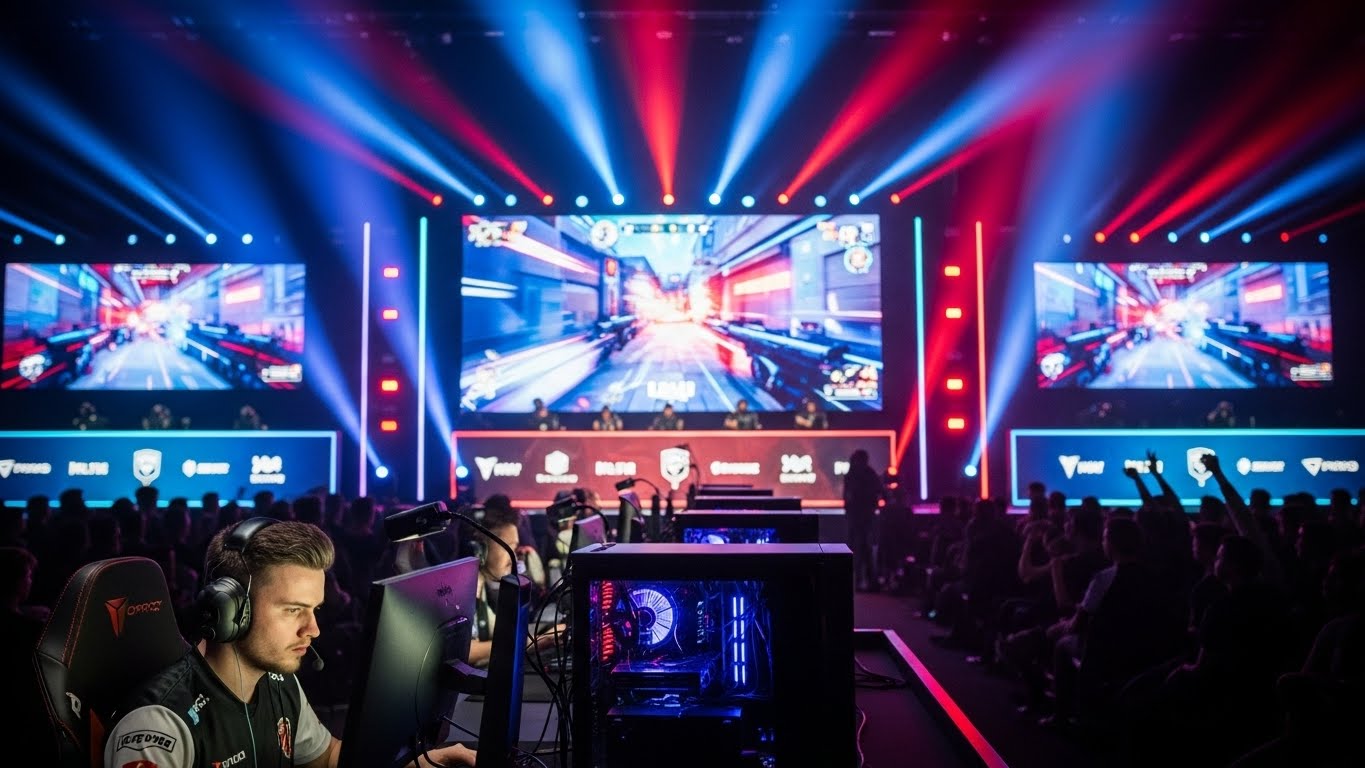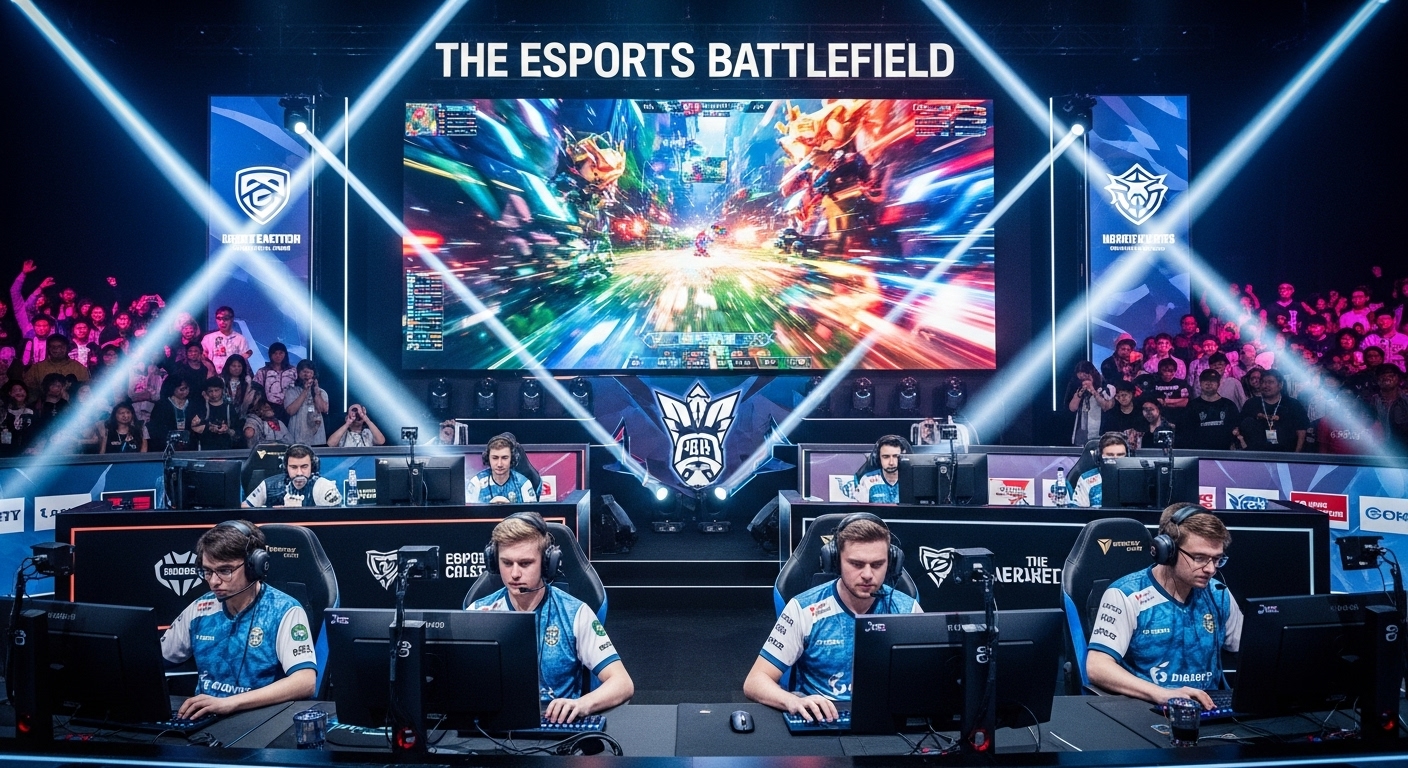
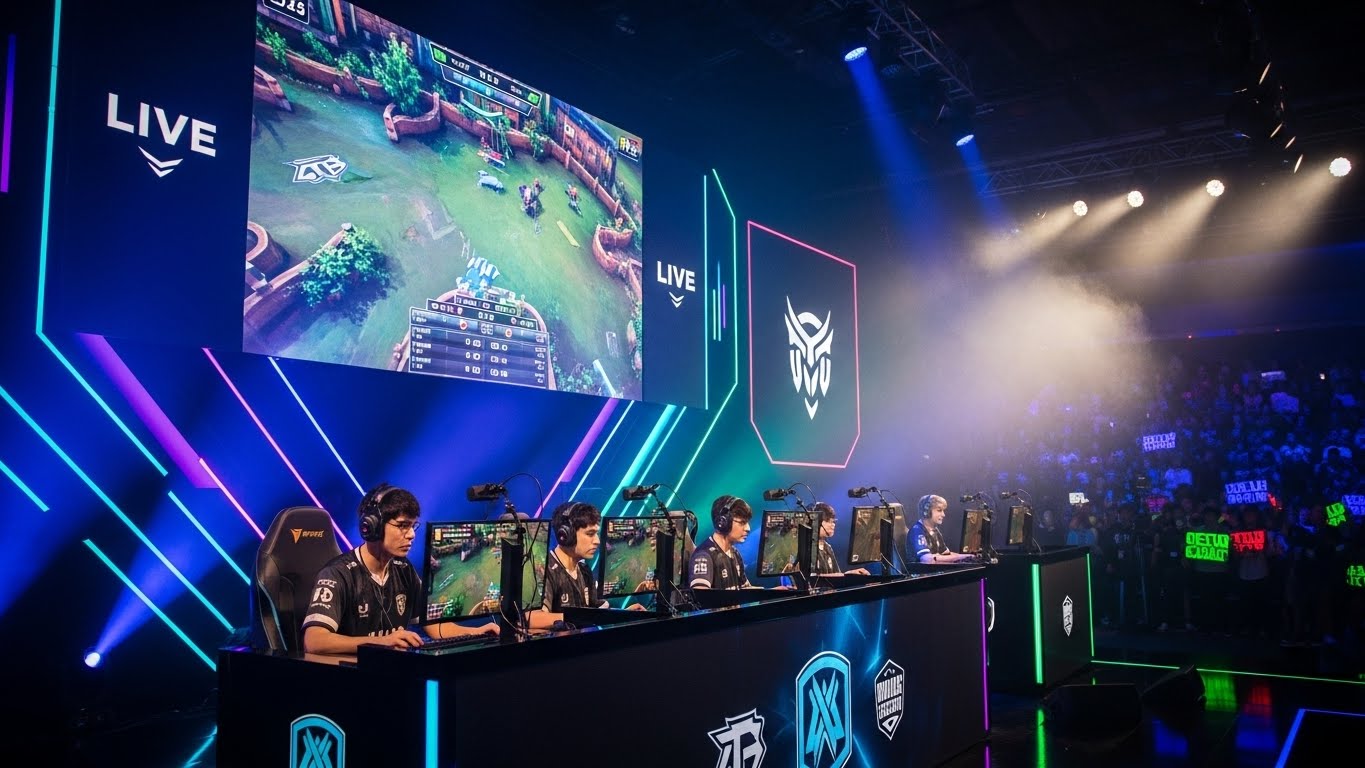
Esports has undergone a remarkable transformation over the last decade. What was once considered a hobby for a small niche group of players has evolved into a global phenomenon. From humble beginnings in local tournaments to sold-out arenas and multi-million-dollar sponsorship deals, esports has become one of the fastest-growing sectors in the entertainment industry. In this blog, we will dive into the rise of esports, the factors fueling its growth, and what the future holds for competitive gaming.
The Origins of Esports: From Casual Competitions to Professional Leagues
The history of esports can be traced back to the early days of video gaming. In the 1970s, competitive gaming was mostly confined to arcade games like Pong and Space Invaders. Players would compete for high scores, and local tournaments, while small, began to form. However, it wasn’t until the 1990s that the concept of organized competitive gaming really started to take off.
The First Major Tournaments
In 1997, one of the first notable esports events, Red Annihilation, took place. It was a Quake tournament with a prize pool of $20,000, a sum that was unheard of at the time. The tournament garnered attention not only for the prize money but also for the professionalism with which it was organized. This was a precursor to the global esports phenomenon we know today.
As the internet began to expand in the late 1990s and early 2000s, so did the opportunities for online multiplayer gaming. Games like StarCraft, Warcraft III, and Counter-Strike became cornerstones of competitive gaming, and the first real online tournaments began to emerge.
The Rise of Streaming and Digital Platforms
One of the key factors in the explosive growth of esports has been the rise of streaming platforms. With the advent of platforms like Twitch and YouTube Gaming, esports has found a new way to connect with its audience. Before the rise of live streaming, esports was largely confined to those who could attend live events or watch tournament broadcasts on television.
Twitch: The Epicenter of Esports Streaming
Twitch, launched in 2011, quickly became the leading platform for live gaming content. It allowed players to stream their gameplay to audiences around the world, creating a new form of entertainment. Viewers were not just watching games; they were actively participating in the experience by chatting with players, engaging with fellow fans, and discovering new content in real-time.
The success of Twitch had a ripple effect on the entire gaming industry. Esports tournaments now became accessible to anyone with an internet connection, dramatically increasing their reach. Today, Twitch boasts millions of daily active users, and esports-related content is one of the most-watched categories on the platform.
YouTube Gaming and Other Platforms
While Twitch is the dominant force in live gaming content, YouTube Gaming and Facebook Gaming are also players in the streaming space. YouTube Gaming provides on-demand content in addition to live streams, offering another way for esports fans to engage with their favorite games and players. Each of these platforms has contributed to the broader exposure of esports, attracting millions of viewers, subscribers, and advertisers.
The Evolution of Esports Leagues and Tournaments
Esports tournaments have evolved from small, grassroots competitions to massive, professionally organized events with international appeal. These tournaments have become the backbone of the esports ecosystem, attracting millions of viewers and offering multi-million-dollar prize pools.
The Role of Professional Esports Teams
Esports has moved beyond individual players to include well-established professional teams. These teams, often sponsored by major brands, compete in organized leagues, with players training for hours each day to perfect their skills. Teams like Cloud9, Team Liquid, and Fnatic have become household names within the esports community, drawing in fans who follow their journey through league seasons, tournaments, and global competitions.
Much like traditional sports, esports teams operate under strict contracts, have dedicated coaching staff, and participate in rigorous training schedules. Some of the most successful esports organizations field teams across a variety of games, including League of Legends, Dota 2, Counter-Strike: Global Offensive, and Overwatch. These teams are not only professional players but also influencers, marketing their brands and attracting fans from all over the world.
Major Tournaments and Championships
Esports tournaments have become monumental events. One of the most prestigious tournaments is The International, the annual Dota 2 competition, which boasts one of the largest prize pools in the history of esports. In 2020, the total prize pool for The International was over $40 million, with the winning team taking home more than $15 million. This is just one example of how lucrative esports can be for top-tier players and organizations.
Another iconic esports tournament is the League of Legends World Championship. Since its debut in 2011, the tournament has grown into one of the biggest events in esports, attracting millions of viewers worldwide and offering millions in prize money. These tournaments have transformed esports into a spectator sport, with dedicated fanbases and an atmosphere similar to that of traditional sporting events.
Leagues like the Overwatch League
Esports leagues such as the Overwatch League and the Call of Duty League have brought a sense of structure to the industry. Modeled after traditional sports leagues like the NBA and NFL, these leagues feature city-based teams and regular season play, culminating in playoffs and championship matches. These leagues not only provide a more sustainable path for esports organizations but also help increase the visibility of competitive gaming to a broader audience.
The Global Appeal of Esports
One of the most fascinating aspects of esports is its global appeal. Unlike many traditional sports that are limited by geographic boundaries, esports has an international fanbase that transcends borders, languages, and cultures.
The Dominance of Asia in Esports
Asia, particularly countries like South Korea, China, and Japan, has been at the forefront of the esports revolution. South Korea, for instance, has long been considered the esports capital of the world. Games like StarCraft and League of Legends have been wildly popular in South Korea, with professional players regarded as national celebrities. In fact, the South Korean government has even recognized esports as a legitimate career path, offering financial support and training programs to help nurture the country’s top esports talent.
China is another major player in the esports scene. The country is home to some of the largest esports tournaments and organizations in the world. With a population of over 1.4 billion people and a rapidly growing middle class, China is a massive market for esports. Chinese teams and players have consistently performed well on the global stage, particularly in Dota 2 and League of Legends, where they have had significant success in international competitions.
Western Growth and the Rise of North America
While Asia has been the dominant force in esports, North America and Europe have also witnessed significant growth in the industry. The League of Legends World Championships and Overwatch League have attracted large audiences in North America, with major sponsors and investors getting involved in the scene. Teams based in the United States, like Cloud9 and TSM, have helped build the foundation for esports in the West, while European organizations like Fnatic and G2 Esports continue to gain prominence.
The rise of mobile esports in countries like India and Southeast Asia is also contributing to the global expansion of the esports industry. With smartphones becoming more accessible and powerful, mobile games such as PUBG Mobile, Free Fire, and Mobile Legends have sparked competitive scenes that have captivated millions of players and fans across the world.
The Economic Impact of Esports
Esports has become a billion-dollar industry, and its economic impact continues to grow. According to recent reports, the global esports industry is expected to generate over $1.5 billion in revenue by 2023, driven by advertising, sponsorships, media rights, and ticket sales.
Sponsorships and Advertising
Sponsorships are a crucial part of the esports ecosystem. Major global brands like Intel, Coca-Cola, and Mercedes-Benz have partnered with esports organizations and events to reach younger, tech-savvy audiences. These partnerships help fund tournaments and team operations, while also boosting brand visibility in the gaming community.
Esports’ digital nature also makes it an attractive platform for advertisers. Brands can target specific gaming communities, track real-time engagement, and measure the effectiveness of their campaigns more accurately than in traditional sports. As a result, the advertising potential in esports is enormous, making it a lucrative opportunity for both brands and streamers.
The Growth of Esports Media
As esports grows, so does its media presence. Streaming platforms like Twitch have helped establish esports as a mainstream form of entertainment, but traditional media is also taking notice. Networks like ESPN and TBS have aired major esports events, recognizing the demand for competitive gaming content. As the visibility of esports continues to increase, we can expect even more media companies to get involved.
Merchandising and Fan Engagement
Merchandising has also become a key revenue stream for esports organizations. Fans are eager to support their favorite teams by purchasing jerseys, hats, and other branded merchandise. The rise of digital items like in-game skins and collectibles has also added another layer to esports revenue, as fans buy and trade virtual goods associated with their favorite players and teams.
Challenges and Opportunities in Esports
Despite the rapid growth and success of esports, the industry faces several challenges. One of the biggest concerns is the well-being of players. Many professional gamers start their careers at a young age, and the intense pressure to perform can lead to burnout and mental health issues. Organizations are increasingly recognizing the importance of player health and implementing wellness programs to ensure the longevity of their players’ careers.