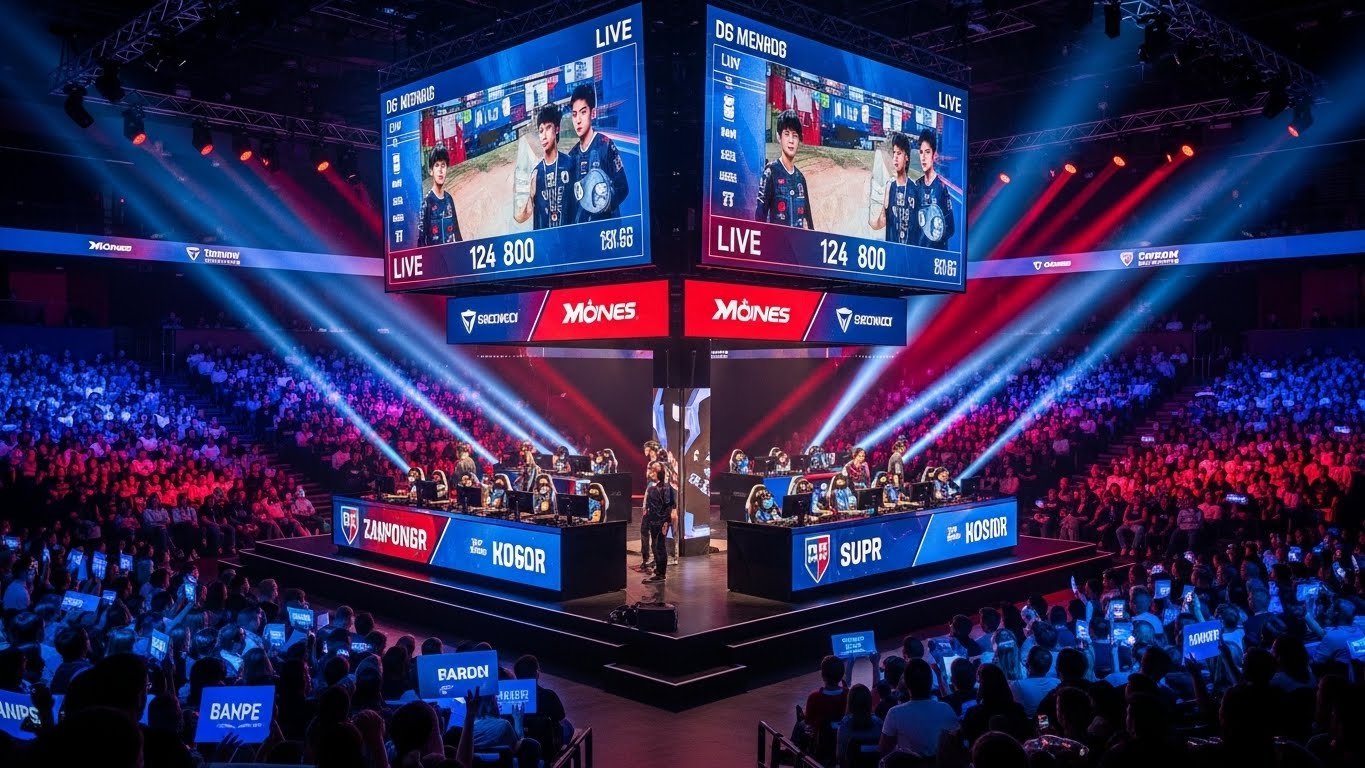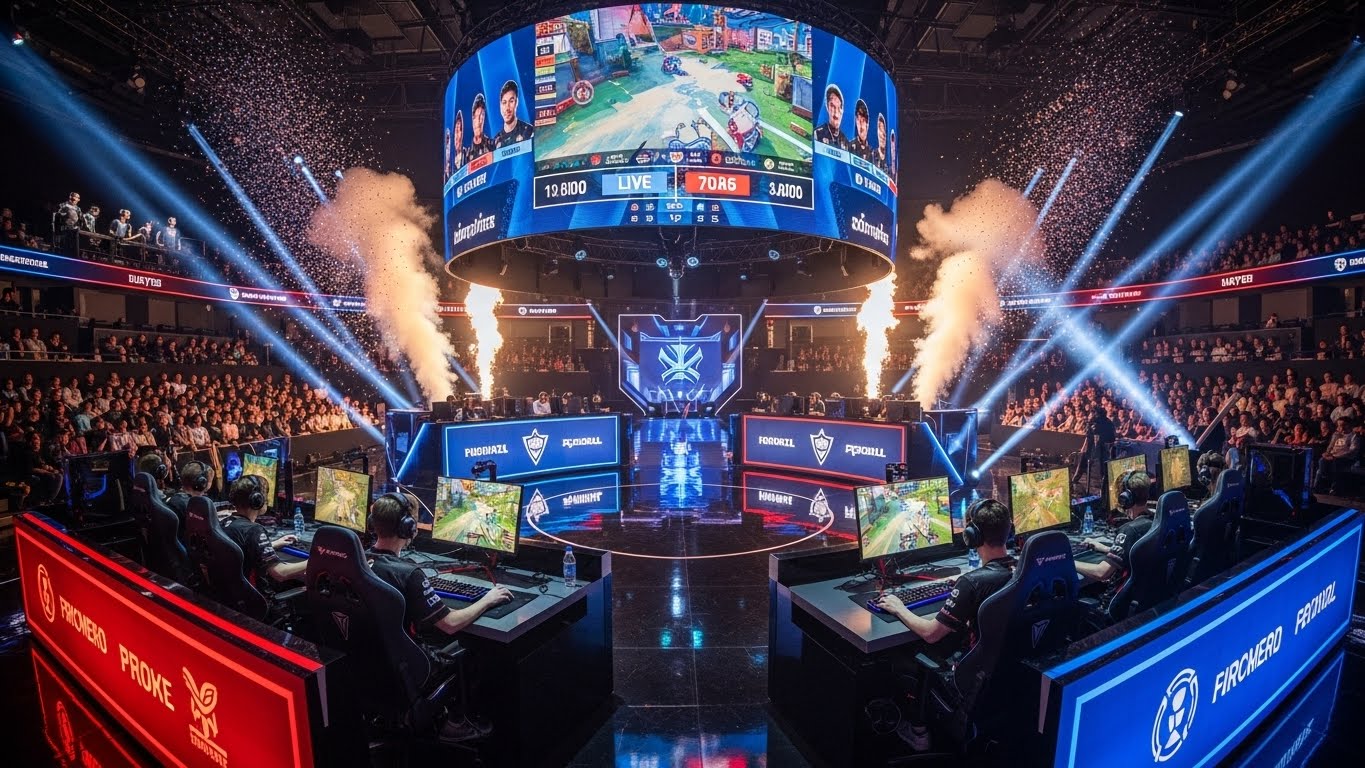
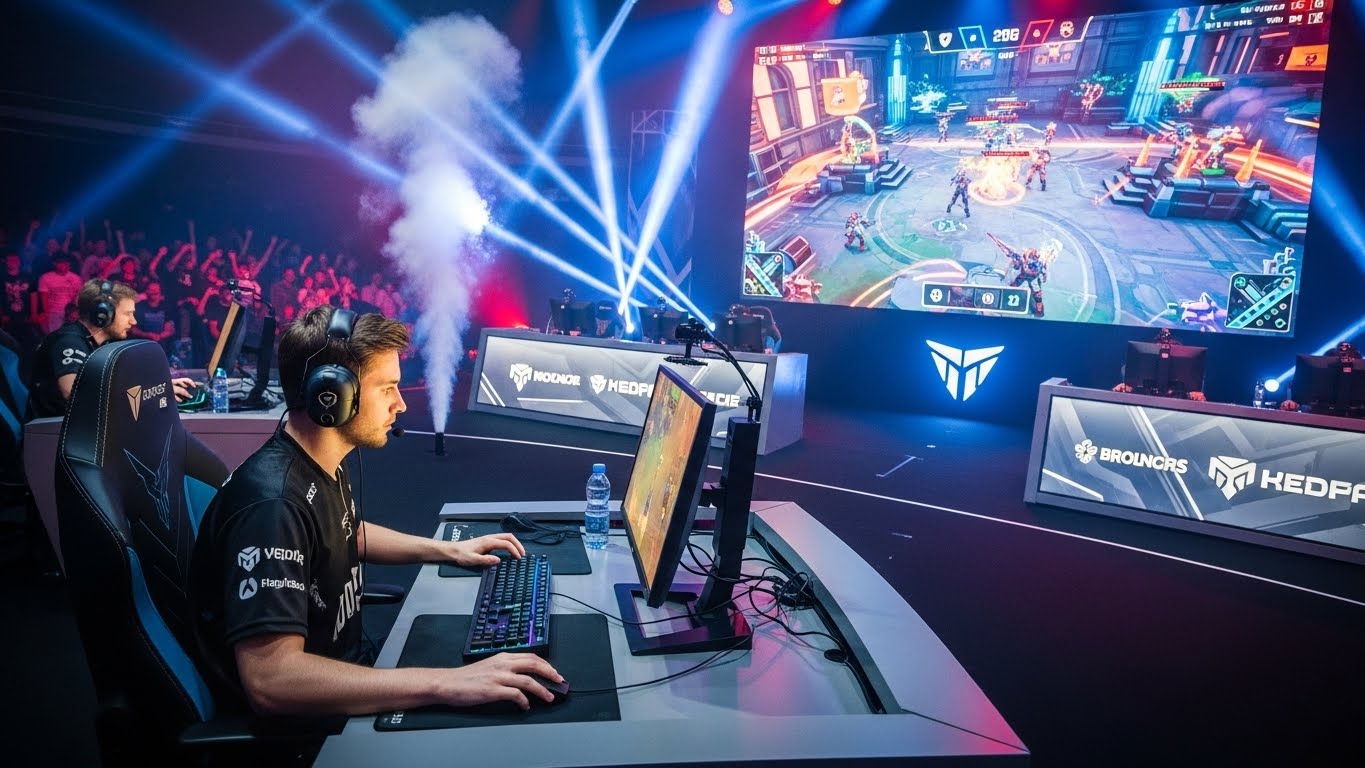
Esports, the world of competitive video gaming, has rapidly transformed from a niche hobby into a global industry worth billions of dollars. What began as casual tournaments in arcades and small communities has evolved into professional leagues, international championships, and a cultural phenomenon that attracts millions of fans worldwide. This blog will explore the rise of esports, its professional ecosystem, its influence on culture, and the challenges and opportunities that lie ahead.
The Origins of Competitive Gaming
The concept of competitive gaming dates back decades. In the early 1970s, games like Pong and Space Invaders sparked friendly competitions among enthusiasts. One of the earliest documented gaming tournaments took place in 1972 at Stanford University for the game Spacewar!. These early competitions were modest but set the stage for organized gaming contests.
In the 1980s, arcade gaming gained momentum. Players competed for high scores in games like Pac-Man, Donkey Kong, and Galaga, creating a community of dedicated competitors. Home consoles in the late 1980s and early 1990s, including the Nintendo Entertainment System, allowed competitive gaming to reach living rooms, setting the stage for a new era of gaming culture.
The Internet Era and Global Connectivity
The 1990s introduced a significant shift in competitive gaming through the rise of the internet. Online multiplayer games such as Quake, Counter-Strike, StarCraft, and Warcraft allowed players from different regions to compete against each other. This era also saw the birth of early esports leagues and online communities where players could share strategies, organize competitions, and develop rivalries that fueled the competitive spirit.
South Korea became a pivotal hub during this era, particularly with the popularity of StarCraft. Competitive gaming received national recognition, with televised tournaments and professional players becoming household names. This helped solidify esports as a serious and respected pursuit in certain regions of the world.
The Emergence of Professional Esports
The 2000s marked the formalization of esports as a professional industry. Tournaments began offering substantial prize pools, attracting talented players from around the globe. Professional teams emerged, mirroring traditional sports organizations with managers, coaches, analysts, and training schedules. Esports was no longer just about casual competition; it became a career path for those with the talent, dedication, and strategic mindset to succeed.
Streaming platforms such as Twitch and YouTube Gaming revolutionized the way fans engage with esports. Players could broadcast their gameplay live, interact with audiences, and build personal brands. These platforms provided an alternative path to recognition, allowing talented players to rise to prominence even without formal tournament participation.
Popular Esports Games
Several games have shaped the esports landscape. Multiplayer online battle arena (MOBA) games like League of Legends and Dota 2 dominate with massive global tournaments and millions of viewers. First-person shooters (FPS) such as Counter-Strike: Global Offensive, Call of Duty, and Valorant are competitive staples known for their fast-paced action and strategic depth.
Real-time strategy (RTS) games, fighting games, and sports simulations also have significant followings. Each genre brings unique skills, strategies, and fan communities, contributing to the diversity and richness of esports culture. These games not only provide entertainment but also challenge players’ reflexes, teamwork, and strategic thinking.
The Esports Ecosystem
The esports industry functions as a complex ecosystem involving players, teams, sponsors, event organizers, and fans. Professional teams are at the core, consisting of players who specialize in specific games and compete in leagues and tournaments worldwide. These teams operate like traditional sports clubs, with structured training, coaching staff, and performance analysis.
Sponsors play a critical role in sustaining the ecosystem. Major companies from technology, energy drinks, apparel, and lifestyle industries invest in esports, recognizing the potential to reach younger, tech-savvy audiences. Sponsorships fund tournaments, provide team salaries, and support marketing efforts, fueling the growth of the industry.
Fans are arguably the most important component. Esports enthusiasts are highly engaged, attending live events, watching online streams, following players on social media, and actively participating in discussions. The community aspect of esports fosters a sense of belonging and loyalty that drives the industry forward.
Esports as a Career
Esports has created career opportunities far beyond playing professionally. While top players earn substantial salaries and prize money, other career paths include coaching, content creation, event management, broadcasting, marketing, and game development. Esports professionals develop skills such as strategic thinking, teamwork, communication, and brand management, which are valuable in many industries.
Universities and colleges have recognized esports’ potential as an educational and professional field. Many institutions now offer varsity esports programs, scholarships, and training facilities. Students can pursue careers as professional players or work behind the scenes, contributing to the industry’s growth in multiple ways.
The Influence of Technology
Technology drives the esports revolution. High-performance gaming PCs, consoles, and fast internet connections enable seamless competitive experiences. Advances in graphics, game design, and online infrastructure ensure that esports remains exciting and accessible.
Streaming technology and broadcasting innovations have transformed esports into a spectator sport. High-definition streams, real-time statistics, and interactive features allow fans to engage deeply with the games. Emerging technologies such as virtual reality and augmented reality are beginning to expand the possibilities of competitive gaming, offering immersive experiences for both players and spectators.
Esports and Traditional Sports
Esports has begun intersecting with traditional sports, creating unique collaborations. Many professional sports organizations have invested in esports teams to engage younger audiences and expand their brand. Basketball, football, and soccer leagues have organized competitive tournaments for their digital game versions, bridging the gap between traditional sports and esports.
Unlike traditional sports, esports can transcend geographical limitations. Fans worldwide can watch live events online, participate in online communities, and support teams virtually. This global reach allows esports to attract diverse audiences, giving it an advantage over many traditional sports in terms of accessibility and fan engagement.
Challenges in Esports
Despite its growth, esports faces several challenges. The health and well-being of players are major concerns. Long hours of practice, high-pressure competition, and repetitive physical movements can lead to stress, burnout, and injuries. Maintaining physical and mental health is essential for sustaining a career in esports.
Ethical issues such as cheating, match-fixing, and player misconduct also pose challenges. Tournament organizers and governing bodies must implement regulations to ensure fair play, maintain integrity, and protect both players and fans. Balancing commercial growth with ethical standards remains a critical challenge for the industry.
The Future of Esports
The future of esports is promising and full of potential. As technology advances, esports will become more immersive, interactive, and integrated into mainstream entertainment. Virtual reality tournaments, innovative game genres, and global competitions will likely redefine the esports experience.
Esports will continue to expand its cultural influence, shaping media, education, and entertainment. Its ability to connect fans globally, create new career paths, and foster community engagement ensures that it will remain a significant part of modern culture for years to come.
Conclusion
Esports has grown from modest beginnings into a global powerhouse, influencing culture, technology, and entertainment. What started as casual competitions in arcades has evolved into professional leagues, international tournaments, and a multi-billion-dollar industry. With professional players, global audiences, sponsorships, and educational programs, esports has proven that competitive gaming is more than a hobby—it is a legitimate career, a cultural movement, and a transformative force in the world of sports and entertainment.
The future of esports promises even greater innovations, global reach, and opportunities. As technology continues to advance and audiences grow, esports will remain at the forefront of entertainment, inspiring players, fans, and creators around the world. Competitive gaming has truly become a global phenomenon, and its journey is only just beginning.