Esports has rapidly grown from a small hobby into a global phenomenon, transforming the way people play, watch, and think about video games. What started as casual gaming among friends has become a professional and highly competitive industry with millions of fans worldwide.
The Rise of Esports
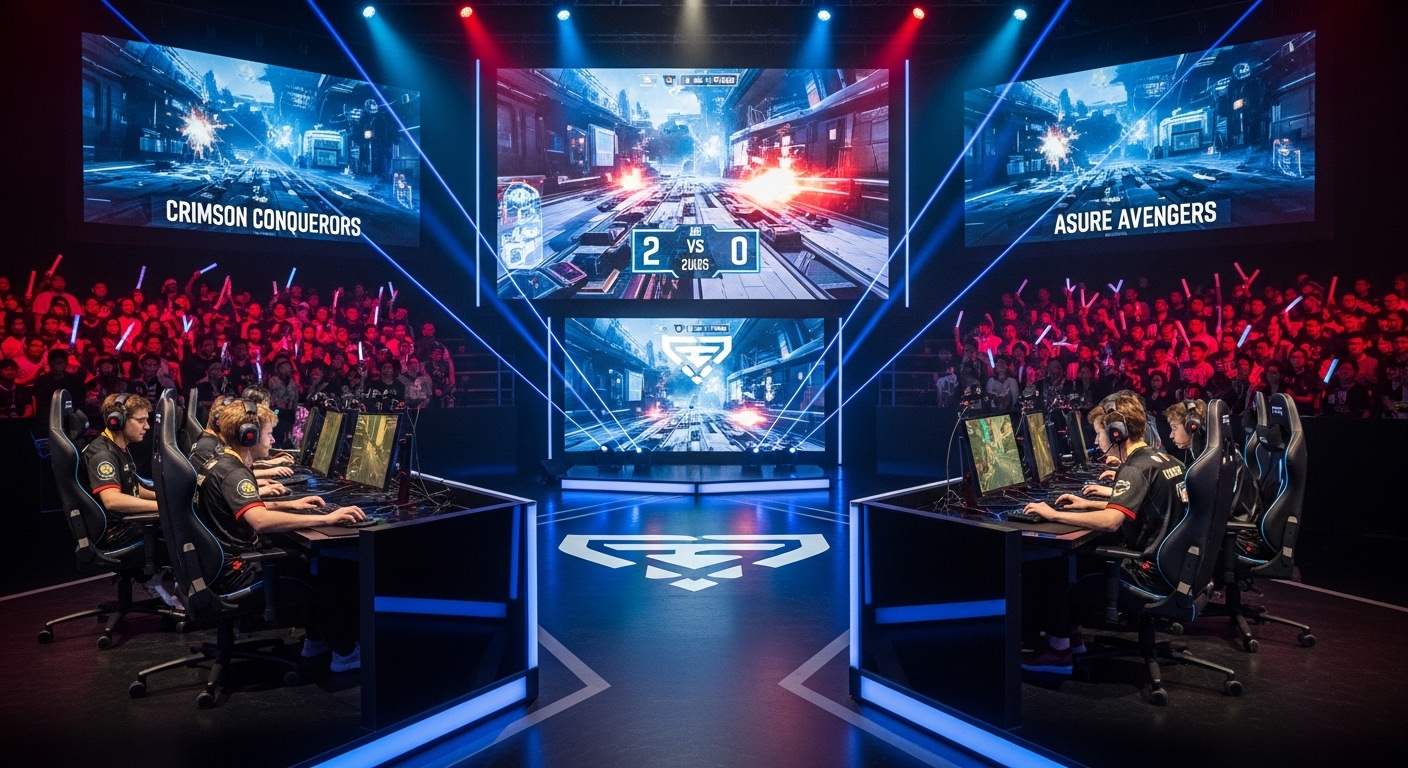
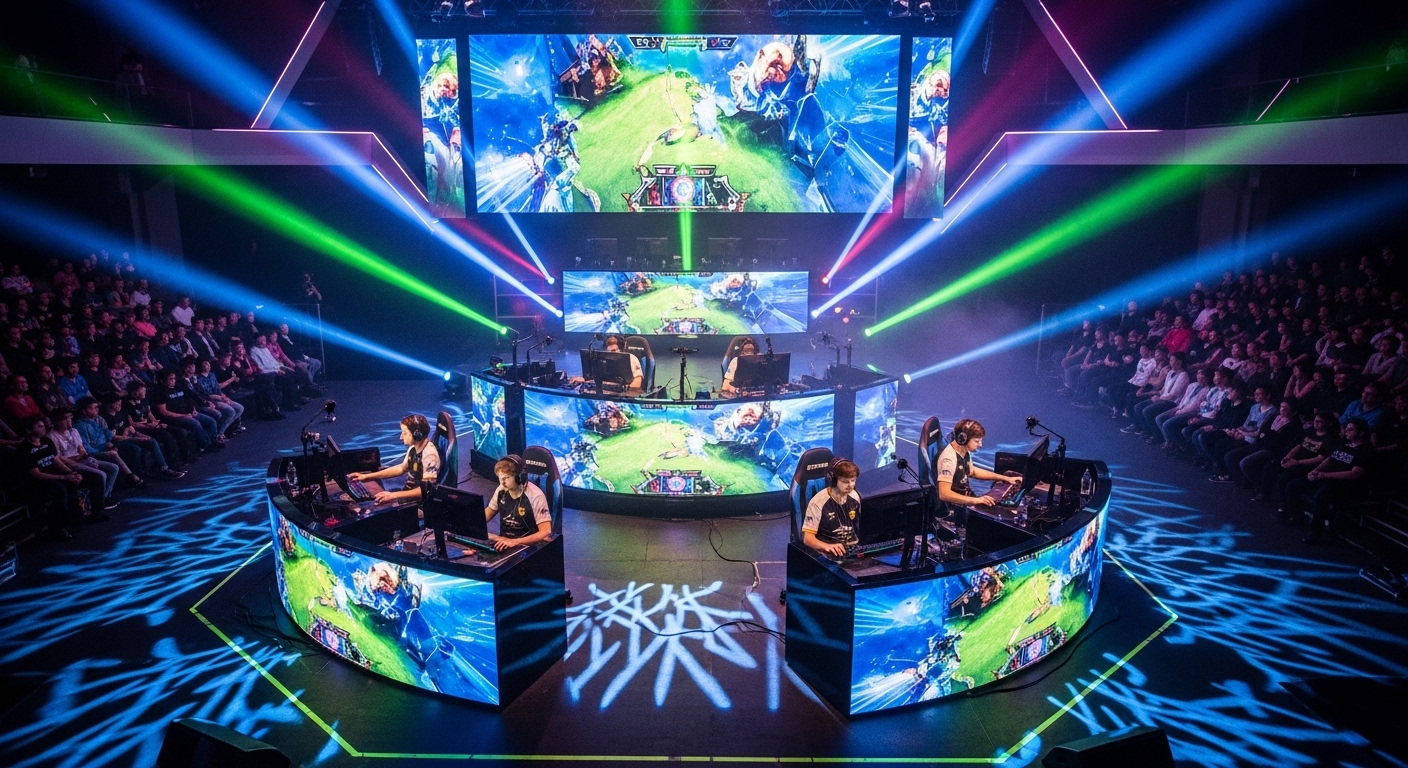
Esports began with small competitions in arcades and local gaming tournaments. Over time, it evolved into organized professional leagues featuring high-stakes competitions. Games like League of Legends, Dota 2, Counter-Strike: Global Offensive, and Valorant have become central to the esports world, attracting players and spectators from around the globe. Technology, high-speed internet, and streaming platforms have made it possible for millions of people to watch these competitions live, breaking down barriers and making esports accessible to anyone with a computer or console.
Professional Players and Careers
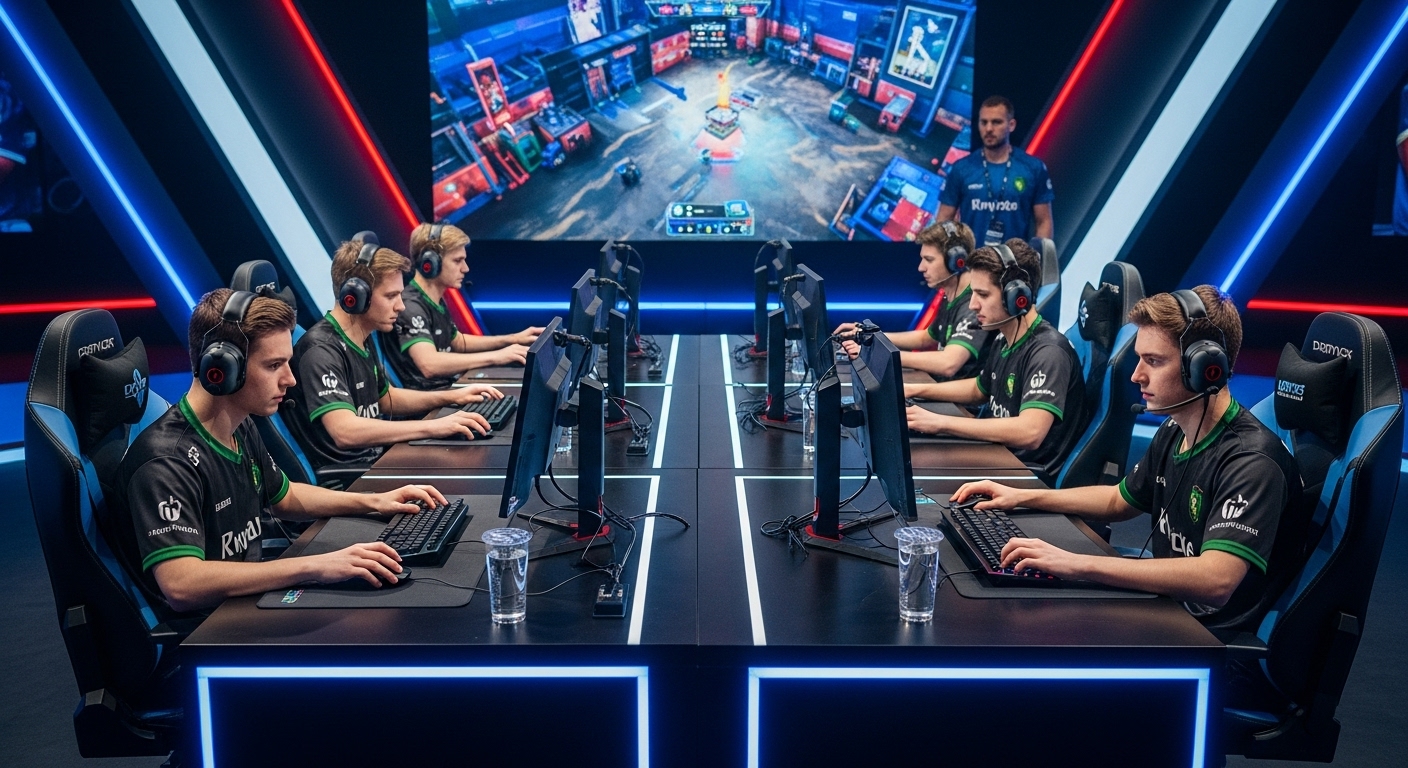
Esports is no longer just a hobby—it is a legitimate career path. Professional players spend hours every day practicing, strategizing, and improving their skills. The best players earn significant incomes through tournament winnings, sponsorships, and streaming revenue. Beyond players, the industry also offers careers in coaching, content creation, event management, marketing, and game development, making esports a diverse and dynamic field with opportunities for many skill sets.
Spectatorship and Community
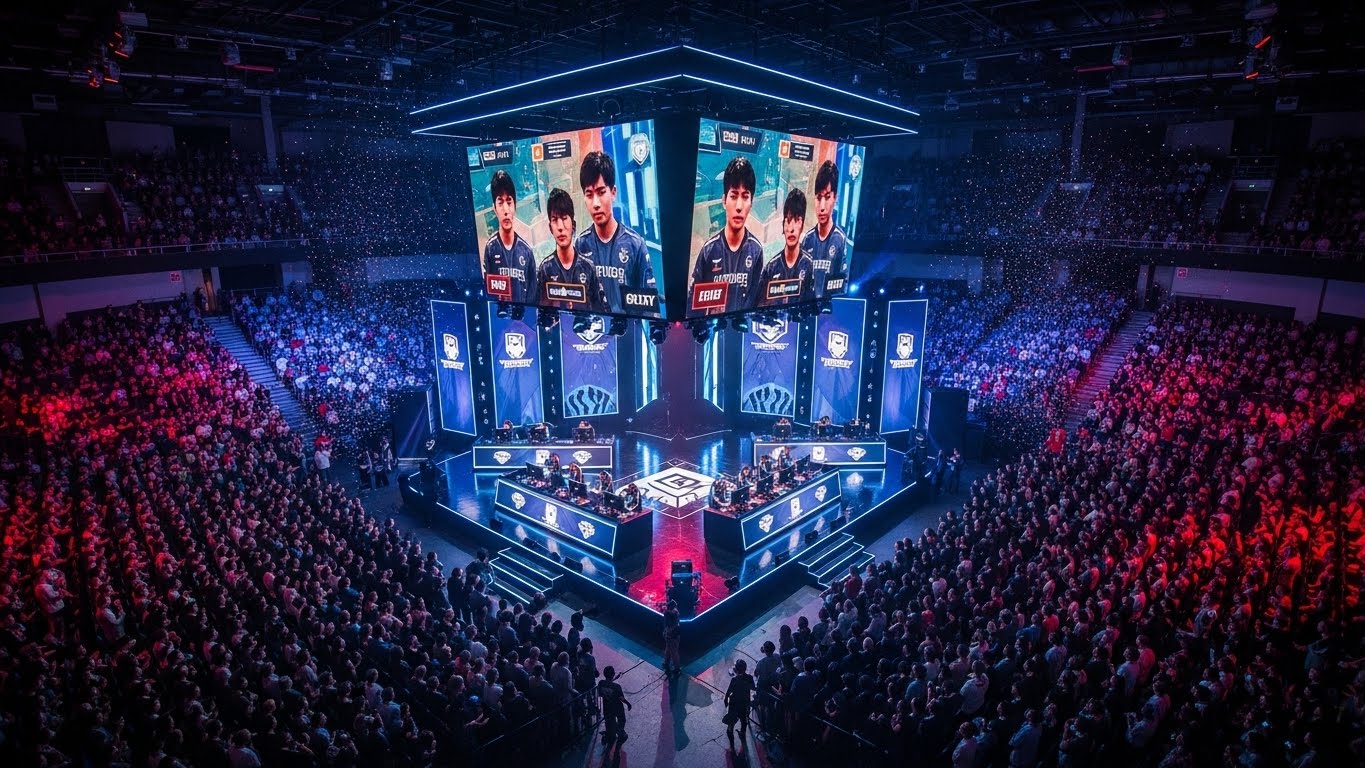
One of the unique aspects of esports is the strong connection between players and fans. Esports tournaments are grand events, drawing millions of viewers worldwide. Fans follow their favorite teams and players, discuss strategies, and celebrate victories together. Unlike traditional sports, esports allows audiences to interact directly with players through live streams, social media, and community platforms, creating an engaged and passionate fanbase.
Cultural Impact
Esports has had a significant cultural impact. It has challenged traditional ideas of competition, brought people together across borders, and promoted creativity and innovation. Esports also encourages teamwork, strategic thinking, and problem-solving, skills that are valuable both in gaming and in life. Additionally, it has sparked conversations about digital wellness, balancing gaming with daily life, and the importance of mental and physical health for players.
The Future of Esports
The future of esports is promising. Emerging technologies like virtual reality, augmented reality, and cloud gaming are likely to enhance the gaming experience further. Educational institutions are beginning to offer esports programs and scholarships, nurturing the next generation of competitive gamers. As the industry continues to grow, esports will become an even more integral part of entertainment, technology, and culture worldwide.
Conclusion
Esports is more than just competitive gaming—it is a global movement that combines skill, strategy, and community. From small tournaments to international events, esports has proven that gaming can be both a serious profession and a source of entertainment for millions. With its continued growth, esports is set to shape the future of competition, media, and culture for years to come.