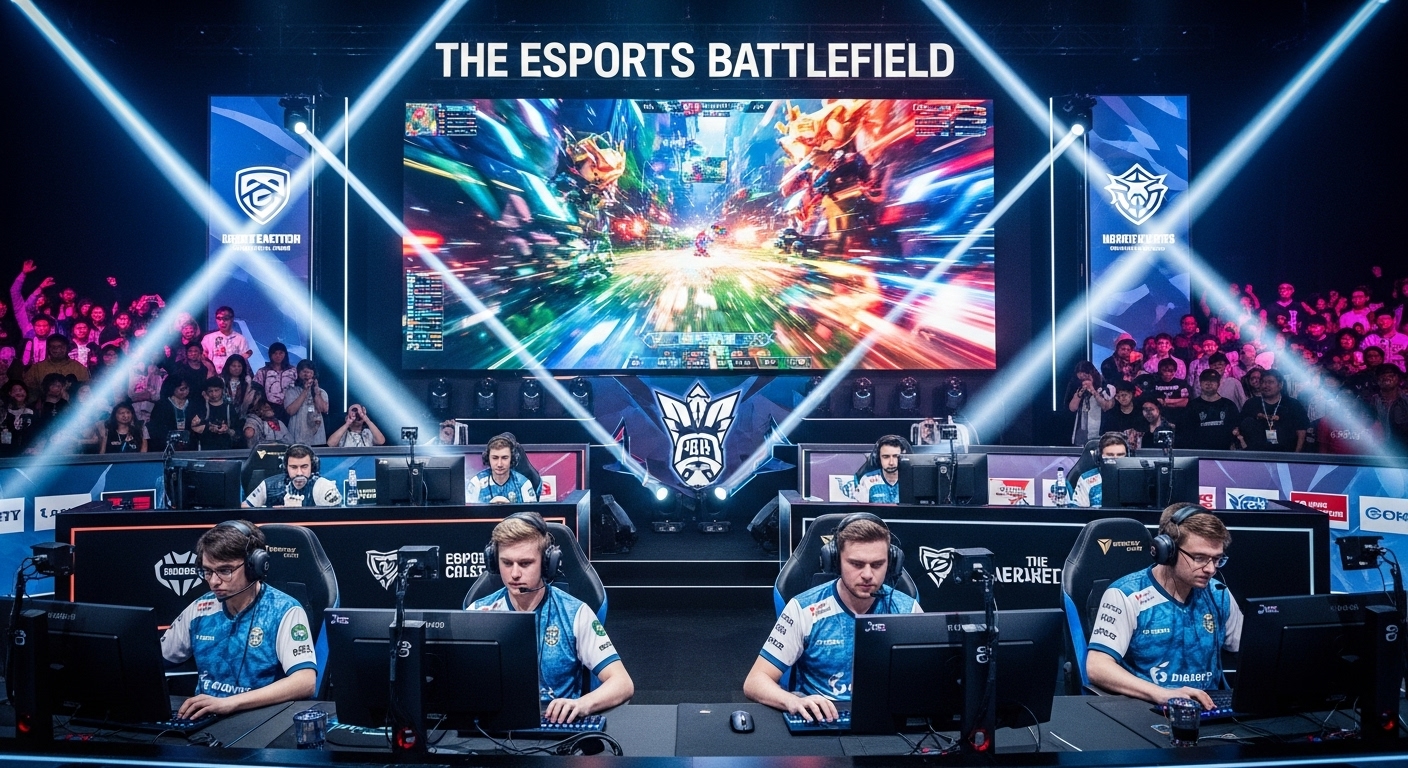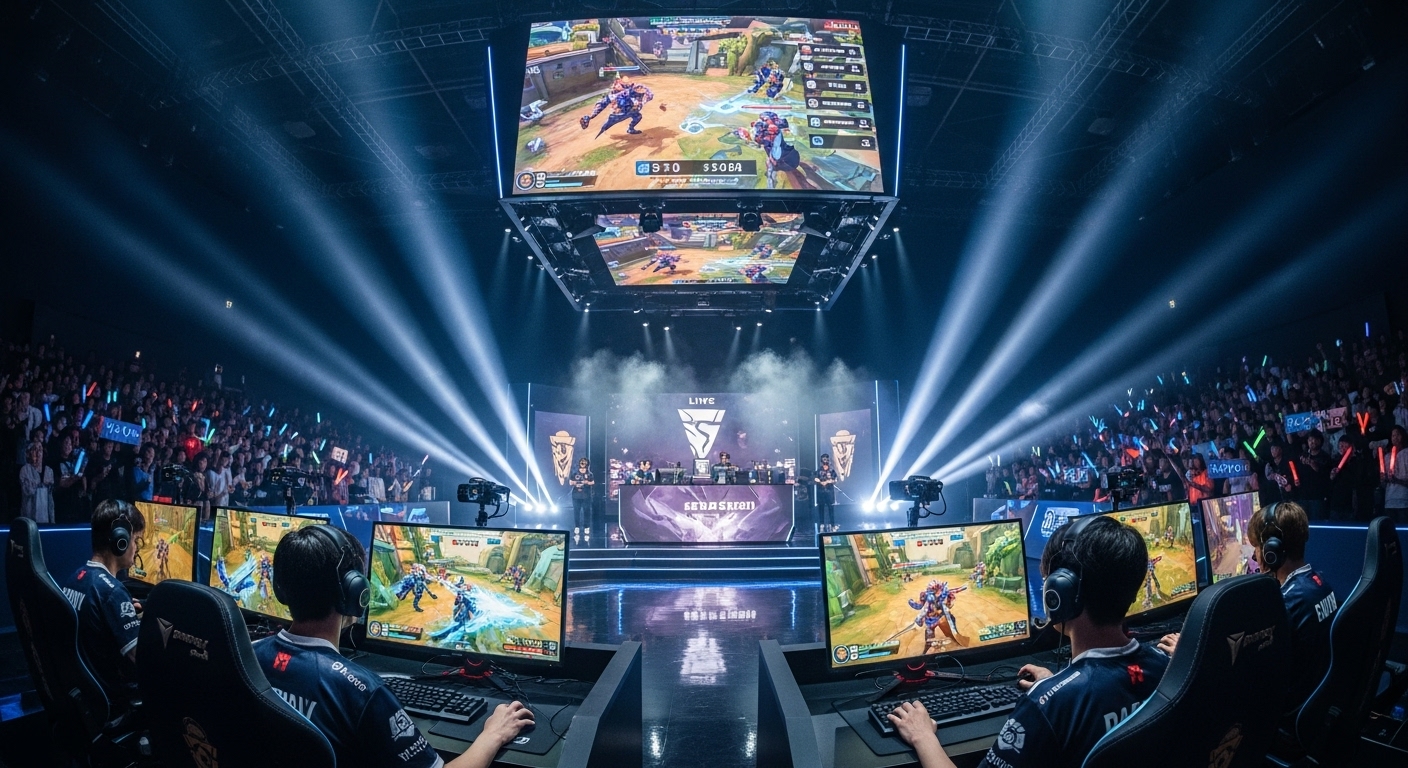

Esports, or electronic sports, has emerged as one of the most transformative developments in modern entertainment. What began as casual multiplayer competitions among friends has grown into a professional, global industry attracting millions of fans, professional players, and major corporate investments. Esports now rivals traditional sports in popularity and cultural impact, changing how people view competition, teamwork, and digital interaction. This blog explores the history, rise, infrastructure, fan culture, challenges, and future of esports.
The Origins of Esports
The concept of competitive gaming dates back to the early days of video games. During the 1970s and 1980s, games like Pong, Space Invaders, and Pac-Man inspired local competitions in arcades and school tournaments. These competitions were small in scale, often involving only high scores or limited prizes, but they established a community of players who enjoyed testing their skills against others.
The 1990s marked a turning point as multiplayer-focused games began gaining popularity. Titles like Street Fighter II, Doom, and Quake introduced direct competition between players, giving rise to the first organized tournaments. One of the landmark events during this period was the Red Annihilation Quake tournament in 1997, which drew players from across the country and offered a significant prize. These events highlighted the potential of competitive gaming as more than just a pastime—it could become a spectator sport.
The Explosion of Esports in the 21st Century
The 2000s and 2010s saw esports evolve from niche hobby to professional industry. Online multiplayer games such as League of Legends, Dota 2, Counter-Strike: Global Offensive, and Overwatch offered complex gameplay that required strategy, teamwork, and skill. These games were perfect for competitive play and set the stage for international tournaments.
The introduction of streaming platforms revolutionized how fans engaged with esports. Platforms like Twitch and YouTube Gaming allowed audiences to watch live matches, interact with professional players, and join virtual communities. The accessibility of streaming made esports visible to millions worldwide, giving rise to a new type of celebrity—professional gamers who are followed as passionately as traditional athletes.
Large-scale tournaments became the hallmark of this new era. Dota 2’s The International set a precedent with prize pools reaching tens of millions of dollars, drawing global attention. Similarly, League of Legends World Championship became a yearly spectacle watched by millions, proving that esports could attract an audience comparable to traditional sports events.
Professional Infrastructure in Esports
Modern esports operates with the sophistication of traditional sports. Professional leagues, such as the Overwatch League, Call of Duty League, and League of Legends Pro League, feature city-based teams, regular seasons, playoffs, and championship events. Players sign contracts and are supported by coaches, analysts, and even mental health professionals to maintain peak performance.
Training in esports mirrors traditional sports preparation. Players engage in strategy sessions, practice matches known as scrims, and physical fitness routines to prevent injuries. Mental preparation is equally important, with many organizations providing psychological support to manage stress and maintain focus during high-pressure tournaments.
The business side of esports has grown alongside its competitive side. Sponsorships, media rights, merchandise, and streaming partnerships provide substantial revenue streams. Companies such as Intel, Red Bull, and Coca-Cola sponsor teams and events, while traditional sports organizations increasingly invest in esports franchises. This professional infrastructure ensures the sustainability of esports as a legitimate career path.
Esports and the Global Fanbase
One of esports’ most unique characteristics is its diverse and engaged fanbase. Unlike traditional sports, where fans are often tied to local teams, esports fans follow games, players, or teams based on personal interest. The digital nature of esports allows global participation, enabling fans to watch live streams, discuss strategies online, and attend international tournaments virtually or in person.
Esports fans are not passive observers—they actively participate in the ecosystem. They create content, share gameplay strategies, engage in online discussions, and even influence the development of games through feedback. Games like Fortnite, Valorant, and League of Legends encourage community participation, blurring the line between player and spectator.
The inclusivity of esports sets it apart from traditional sports. Geographic, gender, and socioeconomic barriers are lower, allowing players from around the world to compete professionally. This global accessibility has cultivated a multicultural fanbase, fostering collaboration and competition across borders.
The Cultural Impact of Esports
Esports has had a profound influence on entertainment, gaming culture, and digital media. Major tournaments now resemble live concerts, with stage designs, lighting, and musical performances enhancing the spectator experience. These events have become cultural touchpoints, merging gaming, music, fashion, and digital content creation.
The rise of esports has also influenced the gaming industry. Developers are designing games with competitive play in mind, ensuring balanced mechanics, spectator-friendly modes, and long-term engagement. This focus on esports-ready titles has elevated the quality of modern games and encouraged innovation in gameplay design.
Esports has become a vehicle for storytelling and branding as well. Teams, players, and events are marketed in ways similar to traditional sports, creating narratives that fans can follow. These narratives, combined with interactive content and media coverage, strengthen community loyalty and enhance the overall entertainment value.
Challenges in the Esports Industry
Despite its growth, esports faces several challenges. Player health and well-being remain a major concern. Long hours of practice and competition can lead to physical problems such as eye strain, repetitive strain injuries, and back issues. Mental health is also critical, as the competitive environment can cause stress, anxiety, and burnout.
Inclusion and diversity are additional challenges. While the industry has made strides in gender and racial representation, esports remains male-dominated, and more work is needed to create safe and welcoming spaces for underrepresented groups. Establishing standards for conduct, training, and participation is essential for long-term growth.
Fair play and integrity are also critical issues. Cheating, match-fixing, and unethical behavior threaten the credibility of esports. Establishing transparent rules, governing bodies, and enforcement mechanisms is necessary to maintain trust among players, fans, and sponsors.
The Future of Esports
The future of esports is filled with potential. Emerging technologies such as virtual reality, augmented reality, and cloud gaming promise new ways for players and fans to engage. Mobile esports is expanding rapidly, especially in regions where console and PC gaming are less accessible. This accessibility broadens the audience and creates new markets for competitive gaming.
Educational initiatives are also growing. Universities now offer scholarships for esports athletes, and programs in esports management, game design, and digital marketing are preparing students for careers in the industry. This formalized education contributes to the professionalization of esports and provides structured pathways for talent development.
Esports will likely continue merging with mainstream entertainment. As digital platforms, media, and live events converge, the distinction between traditional sports, music, and gaming will blur. This integration will create new forms of content, interactive experiences, and community-building opportunities.
Conclusion: Esports as a Global Phenomenon
Esports has transformed from a niche hobby into a global industry that influences culture, entertainment, and technology. It provides new career paths, engages diverse communities, and challenges traditional notions of competition. With its growing professional infrastructure, passionate fanbase, and innovative approach to entertainment, esports is redefining the meaning of sports in the digital age.
As technology advances and audiences expand, esports will continue to evolve, offering immersive, competitive, and interactive experiences. The journey of esports is far from complete, and its impact will be felt across gaming, entertainment, and global culture for years to come. For players, fans, and investors, esports represents a dynamic and exciting frontier that continues to push the limits of what digital competition can achieve.