Esports is no longer the shy kid sitting in the corner with a worn-out controller and a dream. It has grown into a global phenomenon that fills massive stadiums, launches careers, and transforms digital play into thunderous spectacles. From small LAN parties in dark rooms lit by blue monitors to multibillion-dollar stages filled with laser shows and roaring fans, esports has reinvented the meaning of sportsmanship and entertainment. It stands proudly at the intersection of performance, culture, competition, and technology, reshaping how we view games and the people who master them.
Gaming once lived in a private corner of childhood recreation. Today, it commands the world’s attention as skilled players become icons and masterminds behind keyboards. Esports sparks imagination by proving that reflexes can be just as legendary as a slam dunk or a bicycle kick and that a virtual battlefield can hold more drama than a championship boxing match. With every click and every calculated play, this new arena evolves.
From Arcade Battlegrounds to Global Competitions
Back in the era of beeping arcade machines, a gamer’s biggest trophy was bragging rights written in glowing initials at the top of a high-score leaderboard. Those were the prehistoric times of esports. The journey progressed from arcades to early online competitions and then formal tournaments. Titles like StarCraft, Counter Strike, and Warcraft III became battlegrounds for legendary clashes that would shape future generations of competitive gaming.
As internet speeds improved and online platforms expanded, the barriers that once separated players by geography dissolved instantly. Suddenly, a teenager in Seoul could face off against a challenger in Stockholm, as if the two sat across the room from one another. Leagues and teams began to form, spectators gathered in live chats, and digital warriors developed fanbases as passionate as any football or cricket follower.
The transformation was not slow. It developed with jet speed once streaming platforms emerged. Live gameplay turned into full-scale broadcasting. Millions watched in real time as players clicked their way into digital history. Corporate sponsors and investors quickly saw potential in this new competitive entertainment. Money flowed, audiences multiplied, and tournaments achieved prestige once reserved only for traditional sports.
Esports as a Career and a Calling
Parents used to tell their children that video games were a distraction from real life. Now, some kids grow up wanting to be esports champions with the same fire dreamers have for becoming astronauts or surgeons. Professional esports athletes live a life filled with structure and discipline. Their training involves deep strategy knowledge, reaction time sharpening, physical health work, emotional stamina building, and coordinated teamwork.
Coaches analyze matches frame by frame like chess masters studying their opponents’ moves. Analysts break down strategies, while content creators work behind the scenes to amplify fan engagement. Players often join professional organizations that provide salaries, housing, nutrition guidance, and health management. No one laughs anymore when someone claims gaming can be a career. The esports industry stands proudly as a legitimate livelihood.
Though glorified with fame and roaring audiences, the esports life also demands great sacrifice. Long hours of practice can push players toward mental fatigue, hand strain, or burnout. The pressure to perform in front of millions becomes heavy on young shoulders. Yet passion keeps these competitors going. They thrive on that electric moment when thousands cheer their name during a pivotal match.
Titles That Built Esports Legends
Games themselves are the DNA of esports. They shape arenas, birth strategies, and worship heroes. Every top-tier title that becomes a global esport has something unique to offer. Some rely on team synergy while others crown solo virtuosos. Some are fast like lightning, others are calculated like a general’s war map.
Multiplayer online battle arena games have become a cornerstone. They merge teamwork with genius decision making, and watching them feels like observing wizards battle with spells of speed and cunning. Tactical shooters demand perfect accuracy and nerve control. One wrong peek around a corner can cost a team entire rounds. Then there are fast-paced fighting games where every combo is a display of reflex artistry, turning players into modern gladiators.
Sports simulations also remind audiences that traditional sports can evolve without grass fields and physical collisions. Racing titles replace burnt rubber with pixel sparks. Strategy games turn armies into moving sculptures of logic. And battle royale games create cinematic chaos where only one survives. Each game writes its own chapter in esports history and invites audiences to fall in love with a particular playstyle.
The Spectacle of Live Events
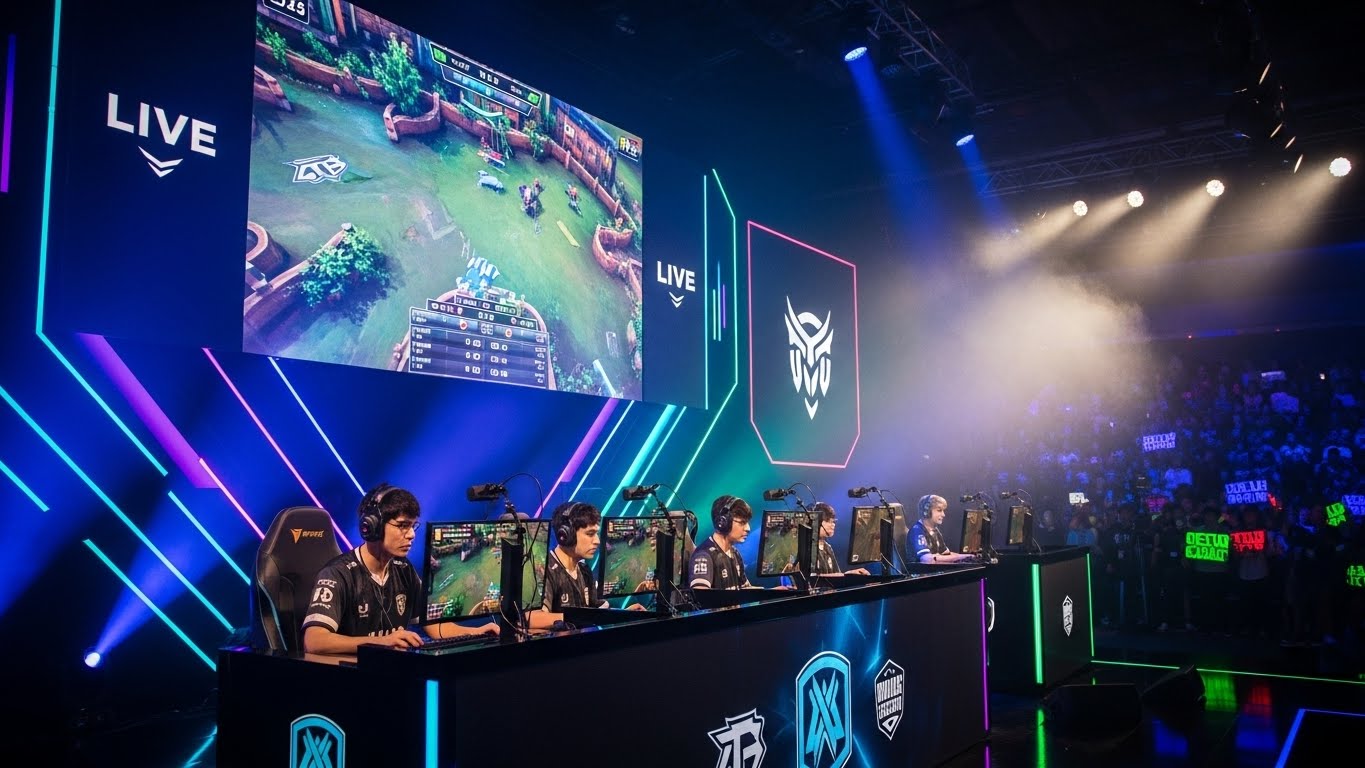
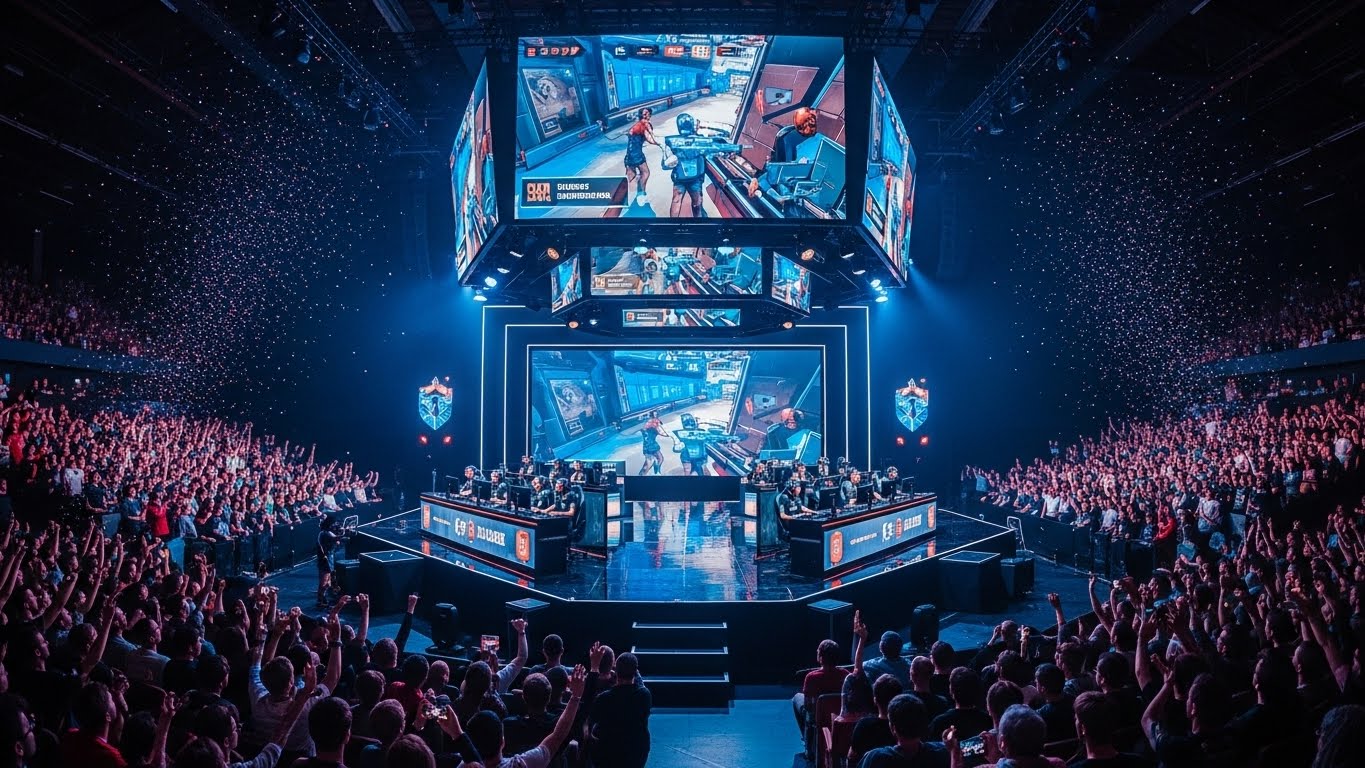
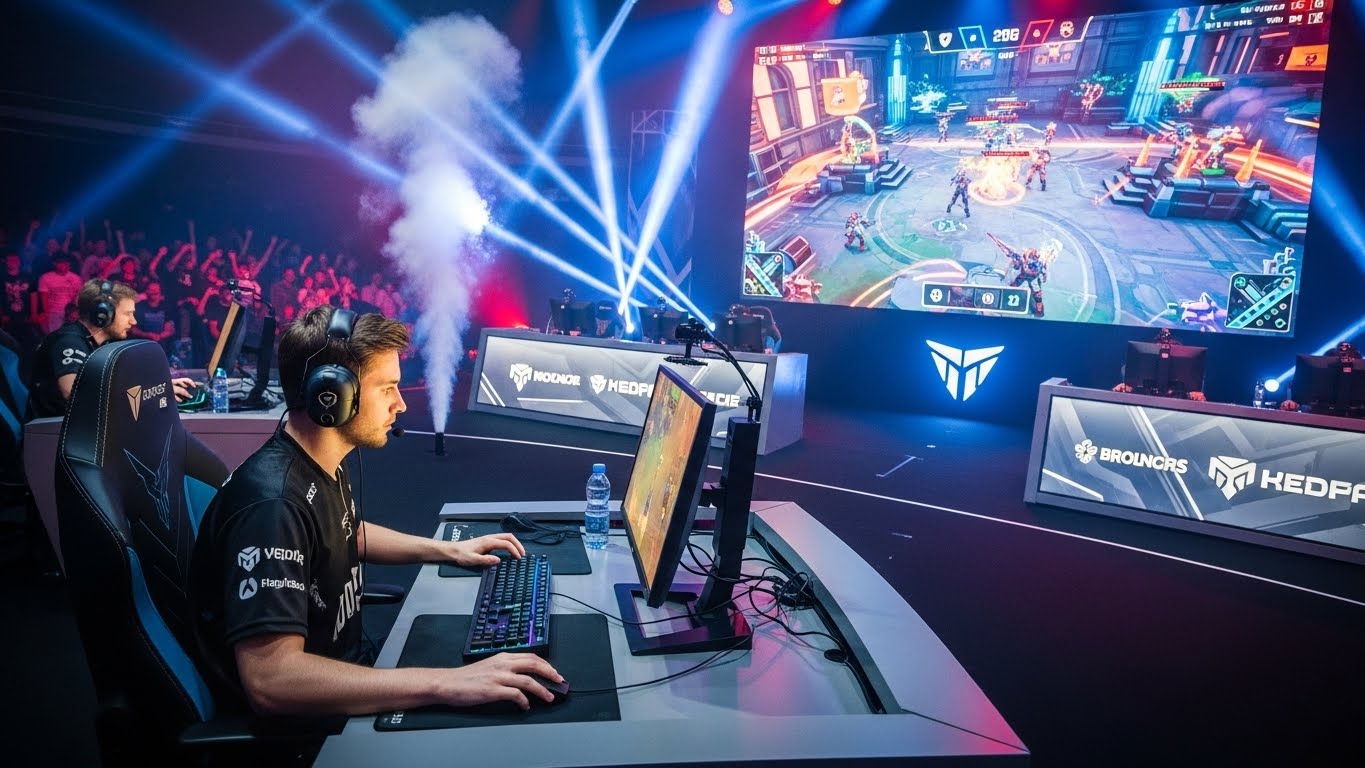
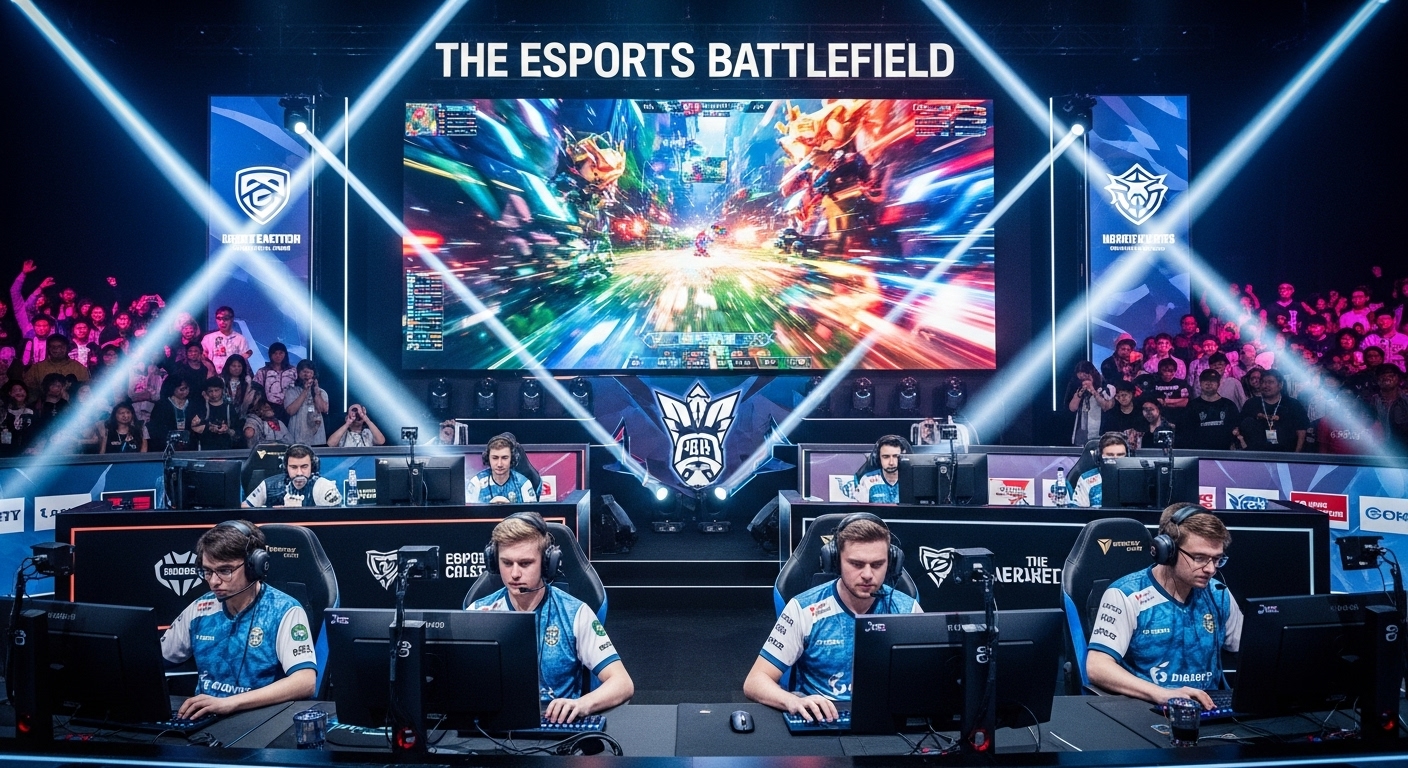
Nothing beats the thrill of watching esports unfold on colossal stages where digital showdowns are transformed into real-world celebrations. Arena giants glow with colorful lights dancing across massive screens. Fans wave banners with their favorite teams’ emblems. Shouts fill the air like booming fireworks of excitement. Even though players sit calmly behind keyboards or controllers, the audience reacts as if a meteor has struck the earth every time a winning play lands.
The atmosphere resembles a carnival of modern ambition. Commentators roar with intense enthusiasm as they narrate every crucial detail. Cosplayers stroll around celebrating the characters and worlds every game builds. Merch shops glow like treasure chests waiting to be looted. Media teams swarm the environment to capture every unforgettable moment. A live esports event is not just watching games, it is taking part in a cultural festival woven from imagination and digital might.
Streaming and the Global Audience Revolution
The growth of esports owes much gratitude to the rise of live streaming culture. When broadcasters began showcasing gameplay to audiences across the world, esports became accessible to anyone with a phone or computer. Watching skilled gamers compete suddenly turned into an addictive craze, and fans multiplied rapidly.
Streaming also opened the door to personalities who built relationships directly with viewers. These creators became influencers that shape trends, teach tactics, and cultivate communities. Every chat message, every virtual cheer, becomes a heartbeat of the ecosystem. Streaming blurred the line between athletes and audiences, creating interactive entertainment like nothing before it.
Today, fans from every continent can support their favorite player while munching on snacks in bed or while commuting on a train. They witness victories live and celebrate with memes and reactions that spread across the internet. Esports spectators may not smell stadium popcorn, but they feel equally connected to every intense moment.
Cultural Impact and Identity in Esports
Esports means more than competition. It represents a reflection of society’s evolving identity. Gaming has become a language spoken across borders and accents without misinterpretation. Players from different nations, genders, and backgrounds come together in pursuit of something bigger than themselves. Virtual friendships form, transcending the traditional limitations of distance and culture.
Fans proudly embrace gamer identities. They wear jerseys, collect digital items, and passionately defend their favorite teams. Memes born inside esports communities sometimes escape into the wider world, shaping digital humor and expression. Esports also gives a platform to underrepresented voices, proving that skill and creativity are what truly matter.
Virtual sports build confidence and empower people who may feel invisible elsewhere. In a game, anyone can become a star. Anyone can conquer dragons, destroy towers, or plant a winning defusal. Esports embraces diversity like a lantern shining in a field of possibility.
Technology as the Powerhouse Behind Esports
Esports rides on the back of rapid technological evolution. High-end gaming computers, advanced controllers, ultra-clear displays, and lightning-fast internet have turned gaming from hobby into sport. Hardware companies innovate relentlessly to give players sharper tools that convert millisecond precision into fame.
Virtual reality and augmented reality hint at a new frontier. Imagine cheering as players physically dodge attacks while wearing futuristic headsets, blurring lines between physical sport and digital competition. Sophisticated software tools allow match highlights and analytics to appear instantly. Production crews mix technology like alchemists turning electrons into magic.
Technology not only fuels performance but shapes the visual spectacle that spectators enjoy. Cameras swoop around digital maps like cinematic drones. Instant replays zoom into heroic moments so fans can feast their eyes again. Technology transforms esports into multi-sensory art.
Economy and Industry Growth
Behind the shining lights and brilliant graphics stands a titan-sized economy. Sponsorships, merchandise, advertising, media rights, and team investments all drive financial power into esports. Major companies treat esports as prime territory for brand exposure to future generations. Fans support their favorite organizations by purchasing jerseys or exclusive digital gear.
Prize pools in major tournaments reach heights once unimaginable. Small teams rise from community-driven ambitions to become powerhouses. Academies nurture young talent just like youth sports leagues. Esports organizations develop not just players but staff roles in media production, events, marketing, psychology, management, and technology. It provides professional opportunities that extend far beyond the player seats.
Challenges Esports Must Face
Like every successful industry, esports faces struggles and areas of concern. One of the biggest is player health. The pressure to remain relevant can lead competitors down dangerous paths of exhaustion. Without proper balance, mental health declines. The solution lies in proper wellness initiatives, sports psychologists, and protective structures enforced by organizations.
Ethics and fair play also remain critical. Cheating has always lurked inside competitive gaming, threatening the integrity of tournaments. Strong anti-cheat systems, regulation bodies, and strict enforcement are constantly needed. Toxicity in gaming communities must be tamed, encouraging respect and support rather than harassment.
Inclusivity remains a mission that must never lose priority. Gaming belongs to everyone, regardless of gender, race, age, disability, or identity. The industry needs to ensure all players feel welcome to pick up their controller and join the arena.
The Future of Esports and Unwritten Legends
Esports continues to surge into a future full of limitless potential. More schools now offer esports programs, preparing students for careers in competitive gaming, broadcasting, and technology. Universities provide scholarships to talented players just like they do for traditional athletes. National and international organizations consider including esports as part of global athletic events, echoing a dawn of recognition.
Technological advancements will revolutionize how we watch and play. Innovations could bring fully immersive experiences where fans step virtually into the match to witness each play as though standing inside the battlefield themselves. Gaming worlds might grow into spectator hubs where fans gather digitally with avatars to watch finals like citizens in a virtual metropolis.
The future also promises new titles and genres that will steal the world’s attention. Each fresh game could birth fresh champions and fresh fandoms. Esports isn’t a trend that will vanish, but a cultural force that continues to evolve, expand, and inspire the world.
A Celebration of Digital Champions
Esports is a celebration of skill, strategy, and community. It proves that passion can thrive in virtual landscapes and that champions come in every form. The cheers of fans, the adrenaline in every match, the creative teamwork, the cinematic plays, and the dreams rising from living rooms into stadium spotlights all form a tapestry of excitement and sport.
People who once whispered proudly about their favorite games now shout with pride. The digital realm has become a home for competition as fierce as any sport and as vibrant as any festival. Esports inspires young heroes to realize that every click holds potential, every match writes a story, and every moment in the arena matters.