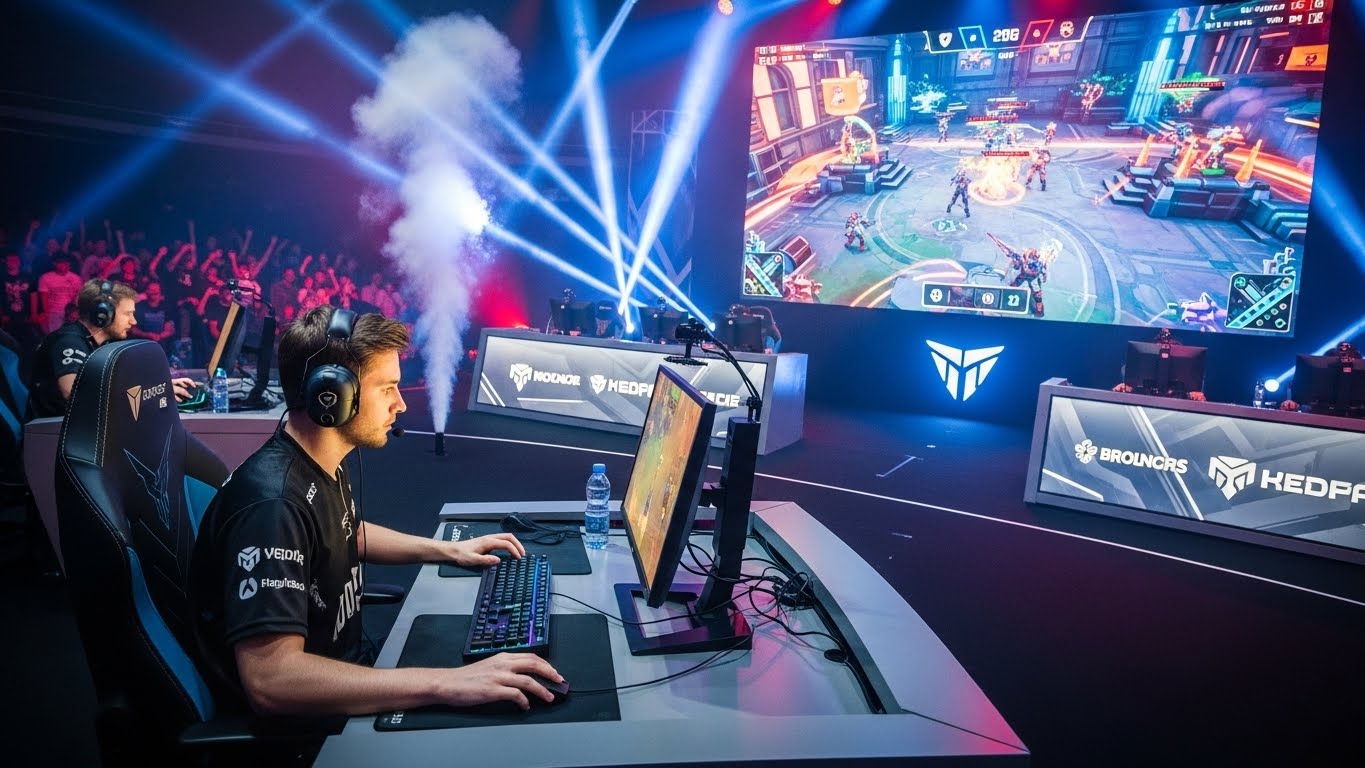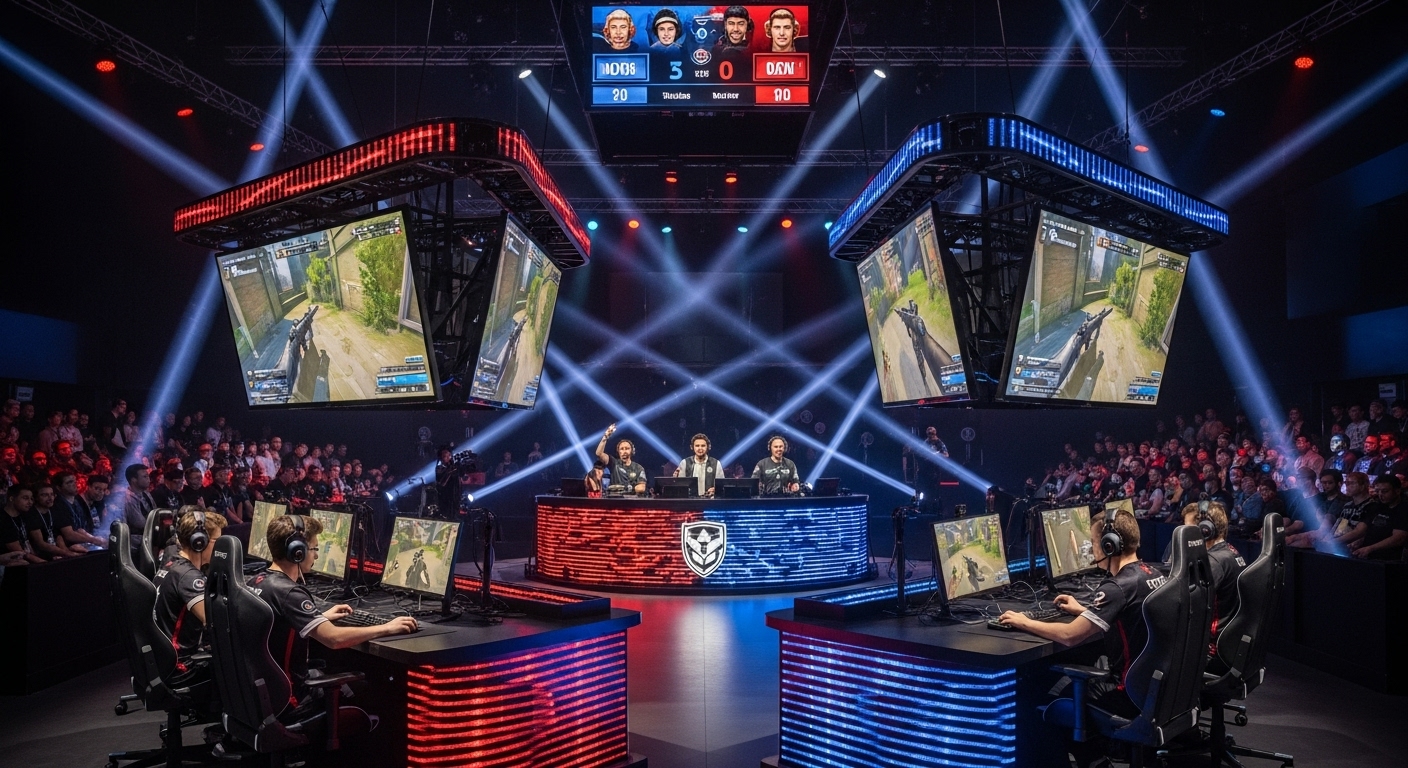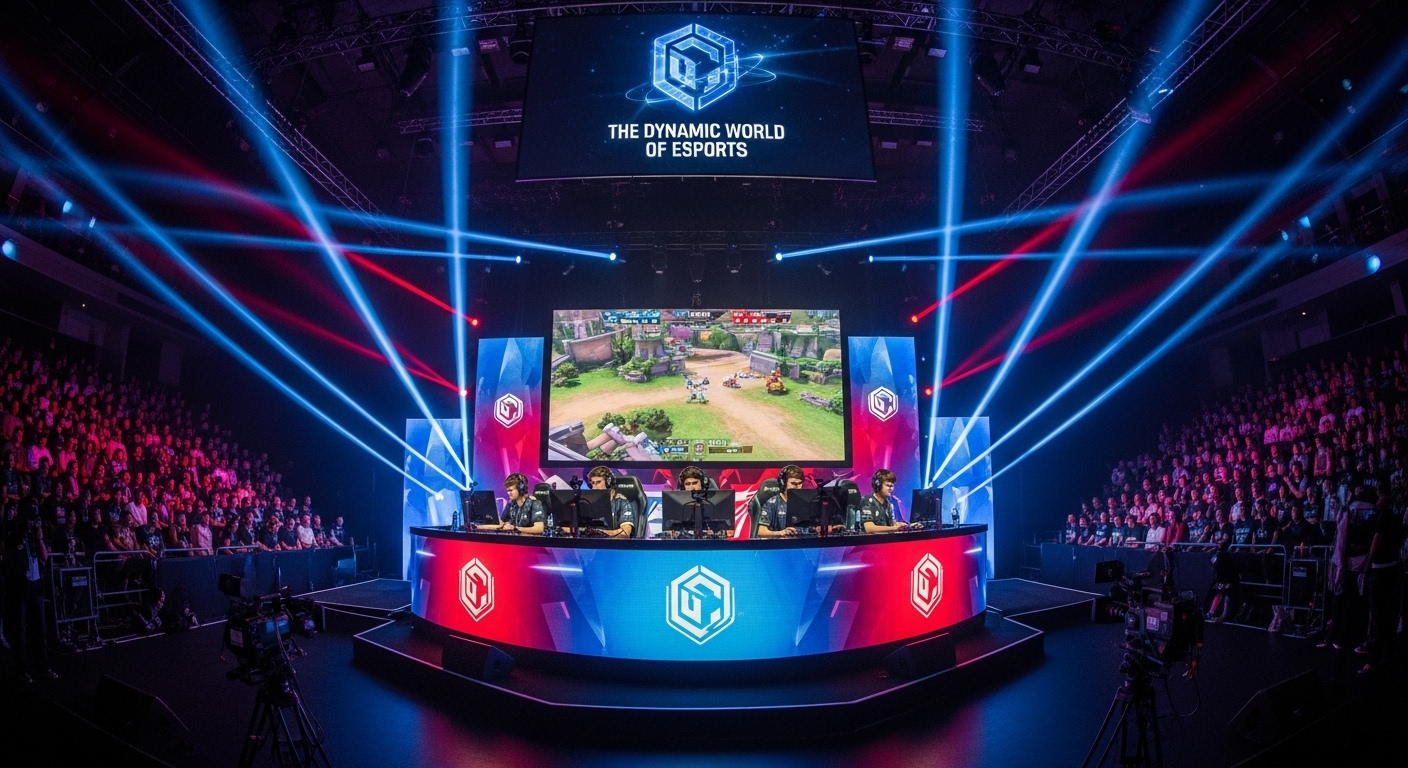
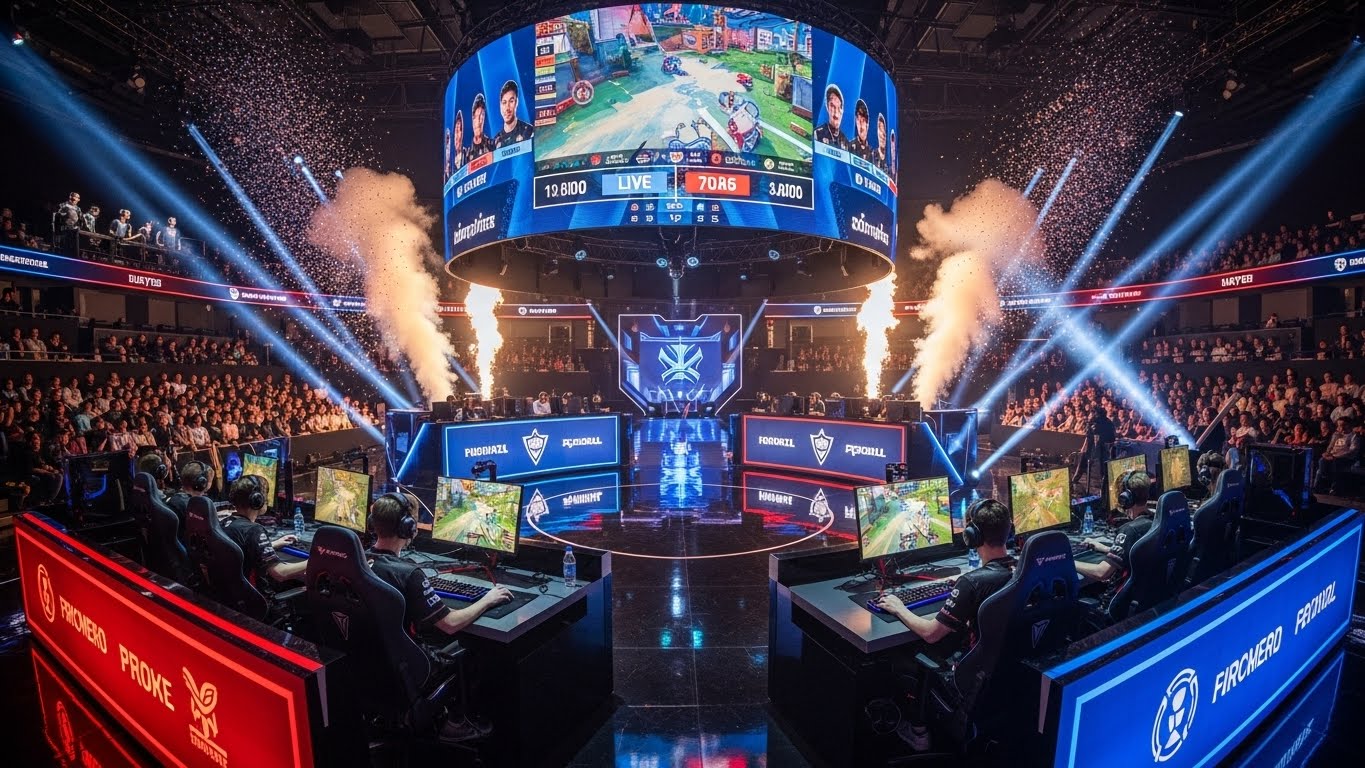
Esports, or competitive video gaming, has evolved from a niche hobby into a global phenomenon. What was once considered a pastime for teenagers in basements has now become a professional industry with millions of viewers, substantial prize pools, and global recognition. This blog explores the growth, influence, and cultural impact of esports, examining its significance in entertainment, education, and social development.
The Evolution of Esports
The concept of competitive gaming dates back decades, with early arcade competitions and local tournaments setting the stage for what esports has become today. Games like Street Fighter, StarCraft, and Counter-Strike were among the pioneers that drew players together in competitive settings. Over time, improvements in internet connectivity, streaming platforms, and gaming technology allowed esports to transcend local competitions and reach global audiences.
Today, esports includes a wide range of game genres, from real-time strategy to first-person shooters, multiplayer online battle arenas, and sports simulations. Major tournaments, such as world championships for League of Legends, Dota 2, and Call of Duty, attract millions of viewers and offer prize pools that rival traditional sports events. The evolution of esports highlights its shift from casual entertainment to a professional, structured, and highly competitive industry.
The Economic Impact of Esports
Esports has grown into a billion-dollar industry with diverse revenue streams. Sponsorships, advertising, ticket sales, merchandise, and streaming platforms contribute to its financial ecosystem. Professional esports organizations operate much like traditional sports franchises, with managers, coaches, marketing teams, and brand partnerships.
In addition to professional teams, esports has created opportunities for content creators, commentators, analysts, and influencers. Platforms like Twitch and YouTube Gaming allow individuals to build careers by streaming gameplay, sharing insights, or producing educational content. The economic impact of esports is not limited to players; it extends to communities, technology companies, and media industries, making it a multifaceted global enterprise.
Esports and Skill Development
Playing competitive video games involves more than just reflexes. Esports requires strategic thinking, teamwork, communication, and problem-solving skills. Many professional players spend hours each day analyzing gameplay, studying opponents, and refining tactics. This level of discipline mirrors the training regimen of athletes in traditional sports.
Esports also develops cognitive abilities such as decision-making under pressure, multitasking, and spatial awareness. Players must process multiple streams of information simultaneously and respond accurately in real time. These skills are transferable beyond gaming, contributing to success in academic, professional, and personal contexts.
The Rise of Esports Education
As esports continues to grow, educational institutions are recognizing its potential. Universities and colleges now offer esports scholarships, courses, and degree programs that focus on game design, esports management, and digital media. Students can pursue careers as professional players, coaches, analysts, or even in marketing and business management within the esports industry.
Esports education promotes teamwork, leadership, and technological literacy. It encourages students to think critically and develop problem-solving strategies in dynamic environments. Moreover, organized esports programs in schools foster inclusivity by providing platforms for students with diverse backgrounds and abilities to collaborate, compete, and thrive.
Esports as a Global Cultural Phenomenon
Esports transcends geographical and cultural boundaries. Online tournaments and streaming platforms connect players and fans from around the world, creating a shared global culture. Languages, borders, and time zones are no longer barriers to participation or viewership. Fans can watch international competitions live, interact with players, and become part of a worldwide community.
This global nature of esports has also influenced traditional entertainment. Celebrities, musicians, and sports figures now engage with esports communities, while mainstream media covers esports events as major cultural spectacles. Esports has become a symbol of digital connectivity, demonstrating the power of technology to unite people through shared interests.
The Social Impact of Esports
Esports offers a sense of belonging and community for many individuals. Online gaming communities provide social interaction, collaboration, and mentorship. Players often form friendships and teams that extend beyond the game, creating lasting personal connections.
Additionally, esports has become a platform for social advocacy. Many tournaments and organizations support charitable causes, mental health awareness, and inclusivity campaigns. By promoting positive engagement and community involvement, esports demonstrates that digital interactions can foster meaningful relationships and social development.
Professional Esports: Training and Dedication
Contrary to the stereotype that gamers are casual or lazy, professional esports requires rigorous training. Elite players maintain strict schedules, balancing practice, physical fitness, and mental well-being. Teams employ coaches, analysts, and psychologists to optimize performance, similar to traditional sports teams.
The competitive nature of esports demands resilience and adaptability. Players face intense pressure, public scrutiny, and the constant need to improve their skills. This professional approach emphasizes discipline, perseverance, and strategic thinking, qualities that resonate with traditional notions of athletic excellence.
Women in Esports: Breaking Stereotypes
Historically, esports has been male-dominated, but female participation is steadily increasing. Women are challenging stereotypes and gaining recognition as professional players, commentators, and content creators. Organizations are creating inclusive tournaments and leagues to encourage female participation and visibility.
Representation is crucial. When women succeed in esports, it inspires younger generations to pursue their passion without fear of discrimination or bias. The growing presence of women in esports promotes diversity, equity, and inclusivity, enriching the industry with varied perspectives and experiences.
Technology Driving Esports Forward
Technology has been central to esports’ growth. High-speed internet, powerful gaming hardware, and advanced software make online competitions possible and enjoyable for both players and viewers. Streaming platforms enable real-time broadcasting, audience engagement, and monetization.
Emerging technologies such as virtual reality and artificial intelligence are further transforming esports. VR esports tournaments are becoming feasible, creating immersive experiences for players and audiences alike. AI-powered analytics help teams refine strategies, predict opponents’ moves, and enhance training methods. Technology continues to expand the possibilities of esports, making it a dynamic and evolving industry.
Health Considerations in Esports
While esports offers numerous benefits, it also presents health challenges. Extended screen time, sedentary behavior, and stress can impact physical and mental health. Professional players often experience fatigue, eye strain, and repetitive stress injuries.
To mitigate these risks, esports organizations are promoting physical fitness, regular breaks, and mental health support. Many professional players incorporate exercise routines, mindfulness practices, and nutrition plans into their schedules. Recognizing and addressing these health concerns ensures that esports can be sustainable and beneficial for participants.
The Future of Esports
The future of esports is filled with potential. As technology advances, competitions will become more immersive, interactive, and accessible. The integration of esports with virtual reality, augmented reality, and blockchain technology may create new ways for fans to participate and engage with games.
Esports will continue to influence culture, education, and social interaction. Its growth suggests that it will not only coexist with traditional sports but also redefine the concept of competition, entertainment, and community in the digital age. The possibilities are limitless, driven by innovation, creativity, and the passion of players and fans worldwide.
Conclusion: Esports as a Transformative Force
Esports is more than competitive gaming; it is a global movement shaping entertainment, education, and social connection. Its rise demonstrates the power of technology to create communities, foster skills, and drive economic growth. From professional tournaments to educational programs, esports provides opportunities for personal and collective development.
By embracing esports, society recognizes the value of digital innovation, teamwork, and strategic thinking. It challenges traditional perceptions of competition, opening doors for diverse participation and fostering global connectivity. As esports continues to grow, it promises to remain a transformative force in the modern world, inspiring passion, resilience, and creativity in ways that go far beyond the screen.