Introduction
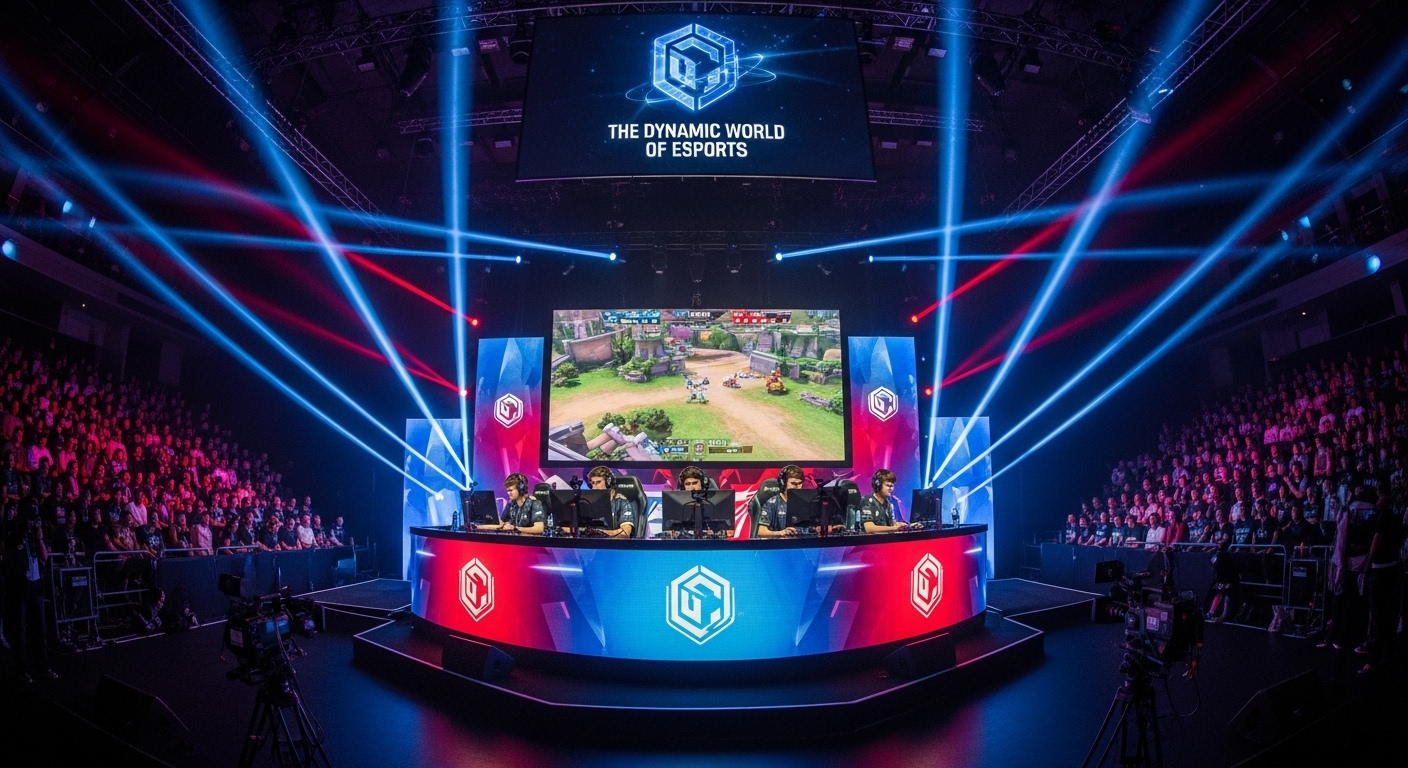
Esports, short for electronic sports, has evolved into one of the most powerful forces in modern entertainment. Once viewed as a niche activity for gaming enthusiasts, it has now grown into a global industry that attracts millions of viewers, sponsors, and professional players. Esports combines technology, talent, and teamwork to create a competitive experience that rivals traditional sports in both excitement and popularity.
The Beginning of Esports
The history of esports dates back to the early days of video gaming. In the 1980s and 1990s, friendly competitions were organized in arcades and gaming clubs where players tested their skills for fun and local recognition. With the growth of internet connectivity, gaming transitioned from casual play to global online competition. Titles such as Counter-Strike, StarCraft, and Warcraft III paved the way for organized tournaments and professional leagues. These early steps formed the foundation of the massive esports culture that exists today.
The Rise of Professional Gaming
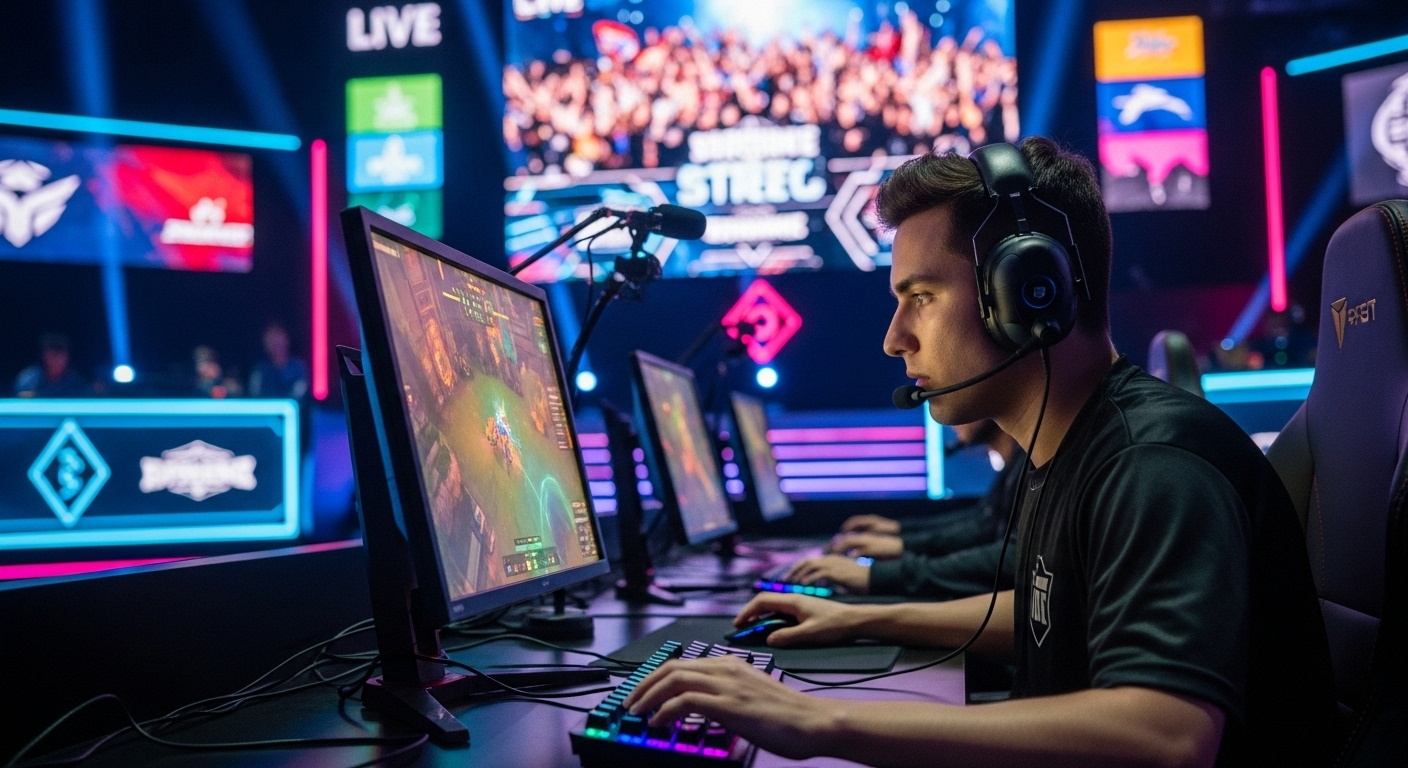
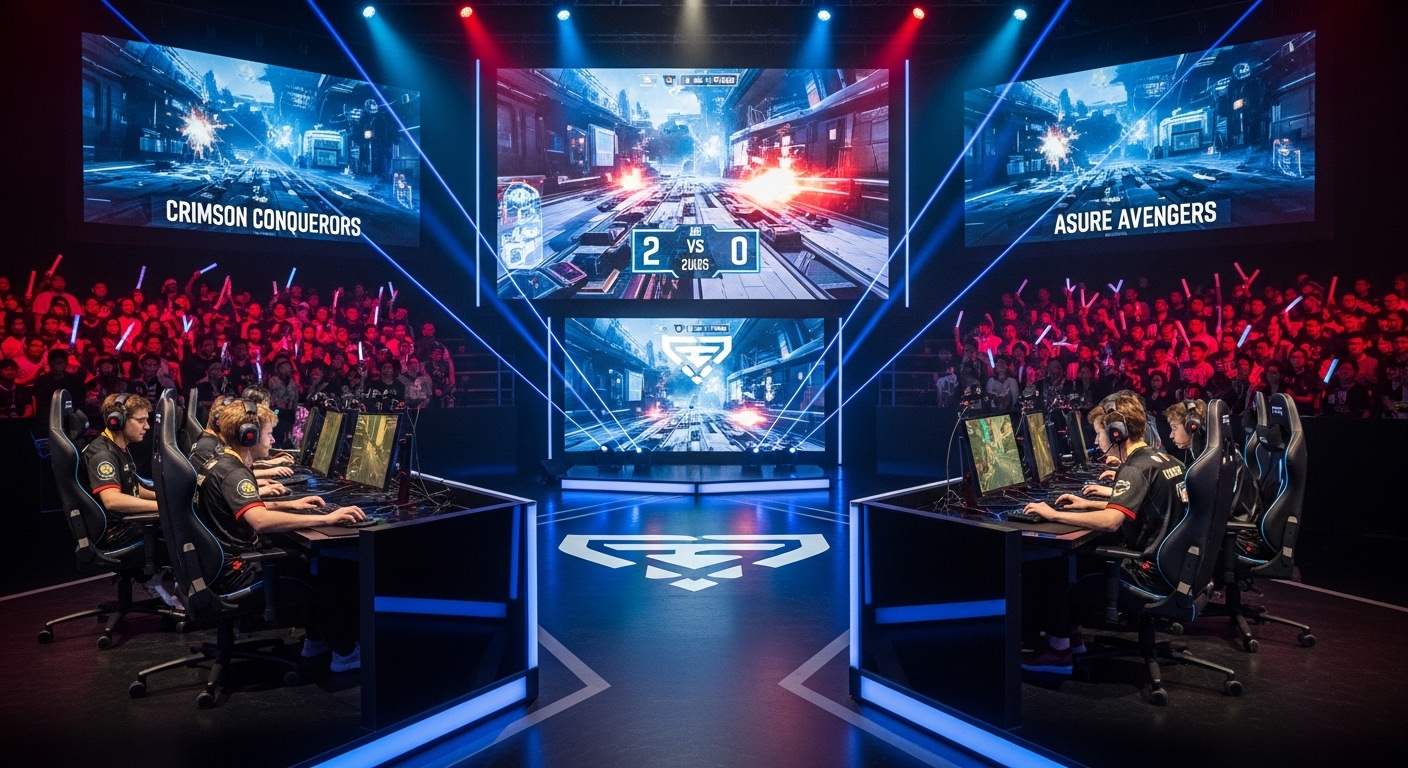
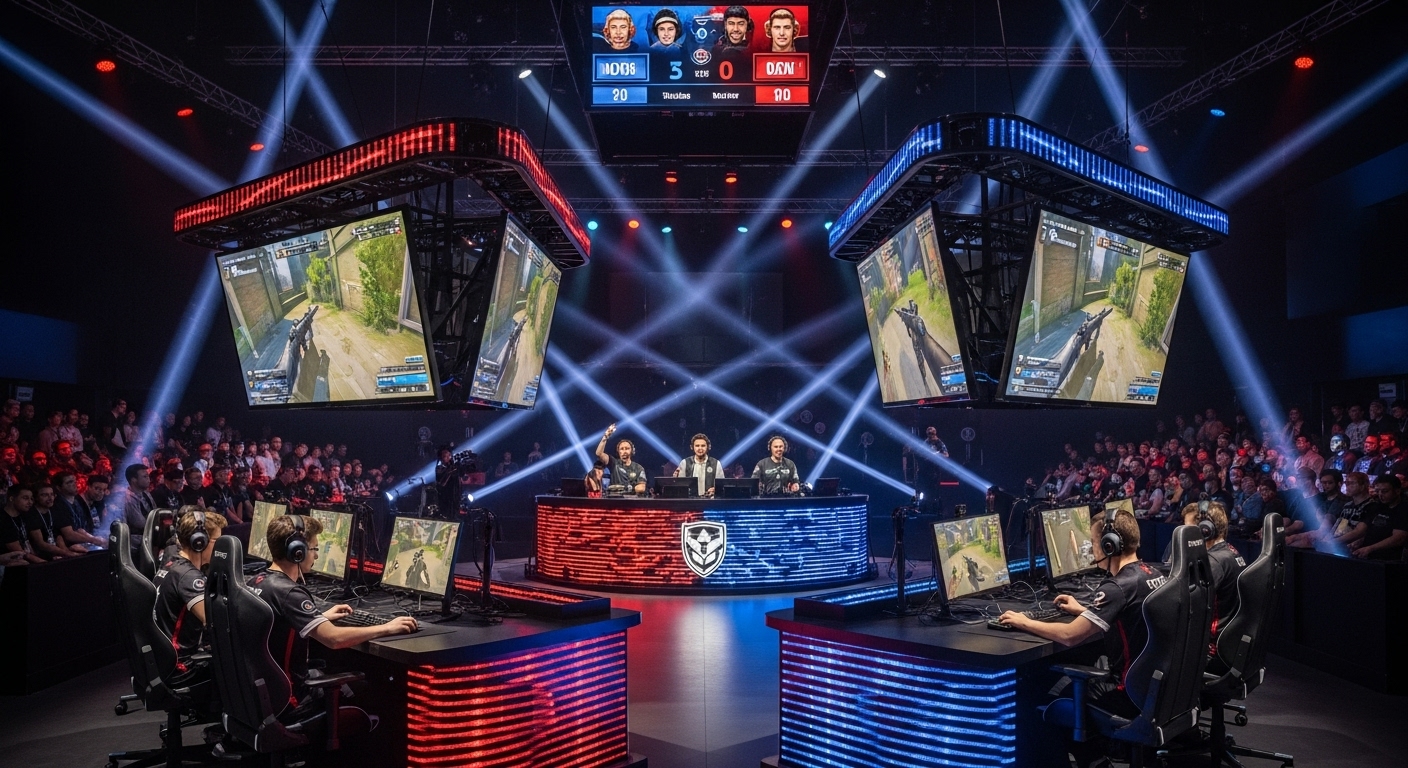
Esports has transformed from small community events into massive international championships. Professional players now compete in games like League of Legends, Dota 2, Valorant, and Fortnite, where victory can mean fame, sponsorships, and multi-million-dollar prize pools. Esports organizations sign top talent, manage teams, and build dedicated training programs much like traditional sports clubs. The level of skill, strategy, and discipline required to succeed has elevated esports into a respected form of competition.
Technology Driving the Growth
Technology has been the engine powering esports’ rapid expansion. High-speed internet, advanced gaming hardware, and real-time streaming platforms have made competitive gaming accessible to anyone with a passion for it. Viewers can now watch their favorite players live from anywhere in the world, turning gaming into a shared experience that connects global audiences. The use of virtual reality and artificial intelligence is also shaping the future of how games are played and experienced.
Career Opportunities in Esports
Esports is no longer just about playing games; it has become a vast industry offering diverse career paths. Professional players, analysts, commentators, coaches, event organizers, and content creators all play important roles in shaping the esports ecosystem. Educational institutions have even introduced esports programs and scholarships, helping young talents develop both their gaming and professional skills. This recognition has made esports a legitimate and sustainable career choice for many.
The Cultural Influence of Esports
Beyond competition, esports has become a cultural movement that influences fashion, music, and media. It fosters teamwork, communication, and problem-solving skills among players. It also promotes diversity and inclusion by bringing people from different backgrounds together through a shared passion for gaming. Esports has helped erase boundaries between countries and cultures, uniting people under the banner of digital competition.
Challenges Facing the Industry
Despite its success, esports faces several challenges that need continuous attention. Player burnout, cyberbullying, lack of standardized regulations, and financial stability are areas that organizations are working to improve. Ensuring fair play, mental well-being, and equal opportunities for all participants will be essential to the long-term health of the industry. With increasing awareness and professional support systems, these challenges are gradually being addressed.
The Future of Esports
The future of esports looks brighter than ever. With advancements in technology and growing mainstream acceptance, esports will continue to evolve and reach new heights. Virtual reality, augmented reality, and enhanced gaming experiences will make competitions more immersive and engaging. As global investment increases, esports will likely become an integral part of education, entertainment, and digital culture in the years to come.
Conclusion
Esports is more than just gaming—it is the future of competitive entertainment. It has created opportunities, inspired millions, and redefined what it means to be an athlete in the digital age. As technology continues to advance, esports will stand as a symbol of innovation, creativity, and unity. The world is witnessing not just the growth of a sport but the rise of a global empire built on skill, strategy, and passion.