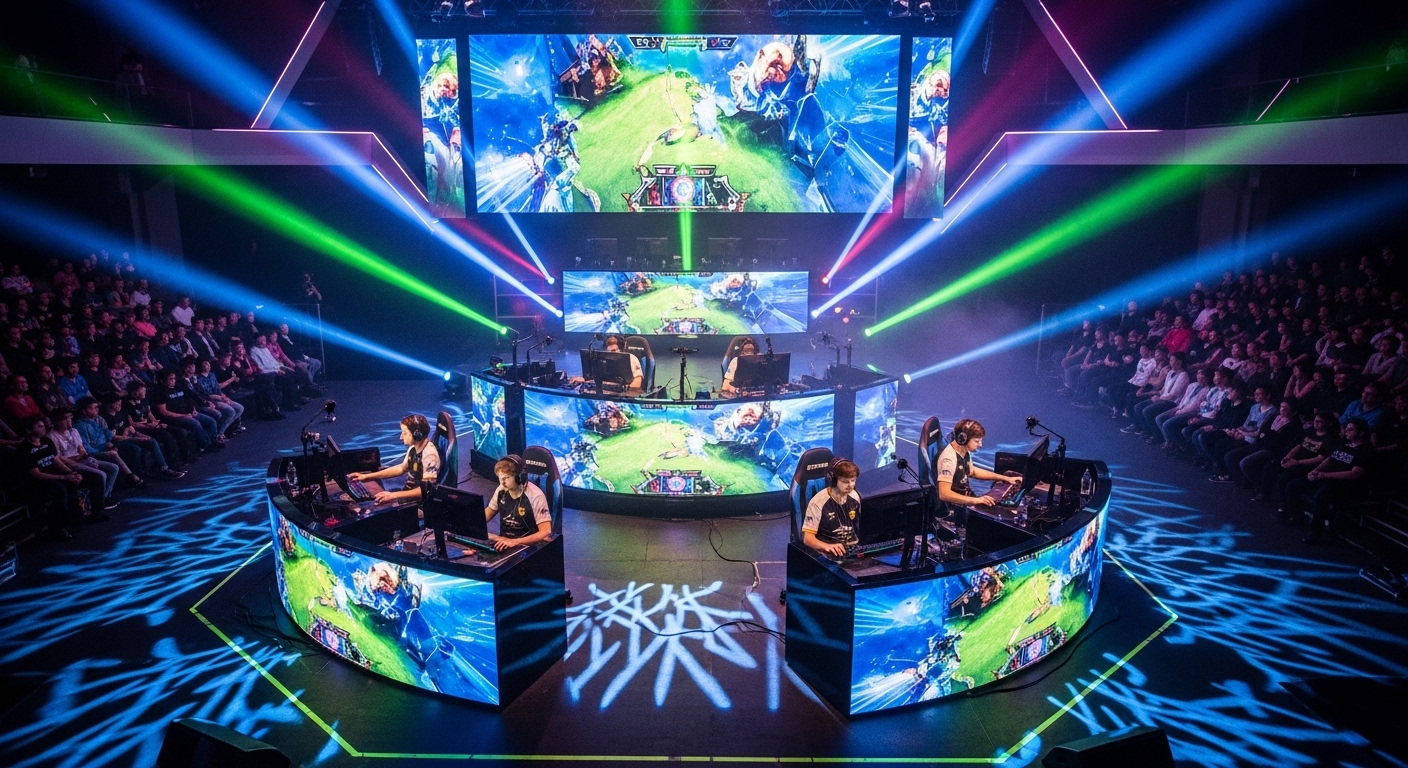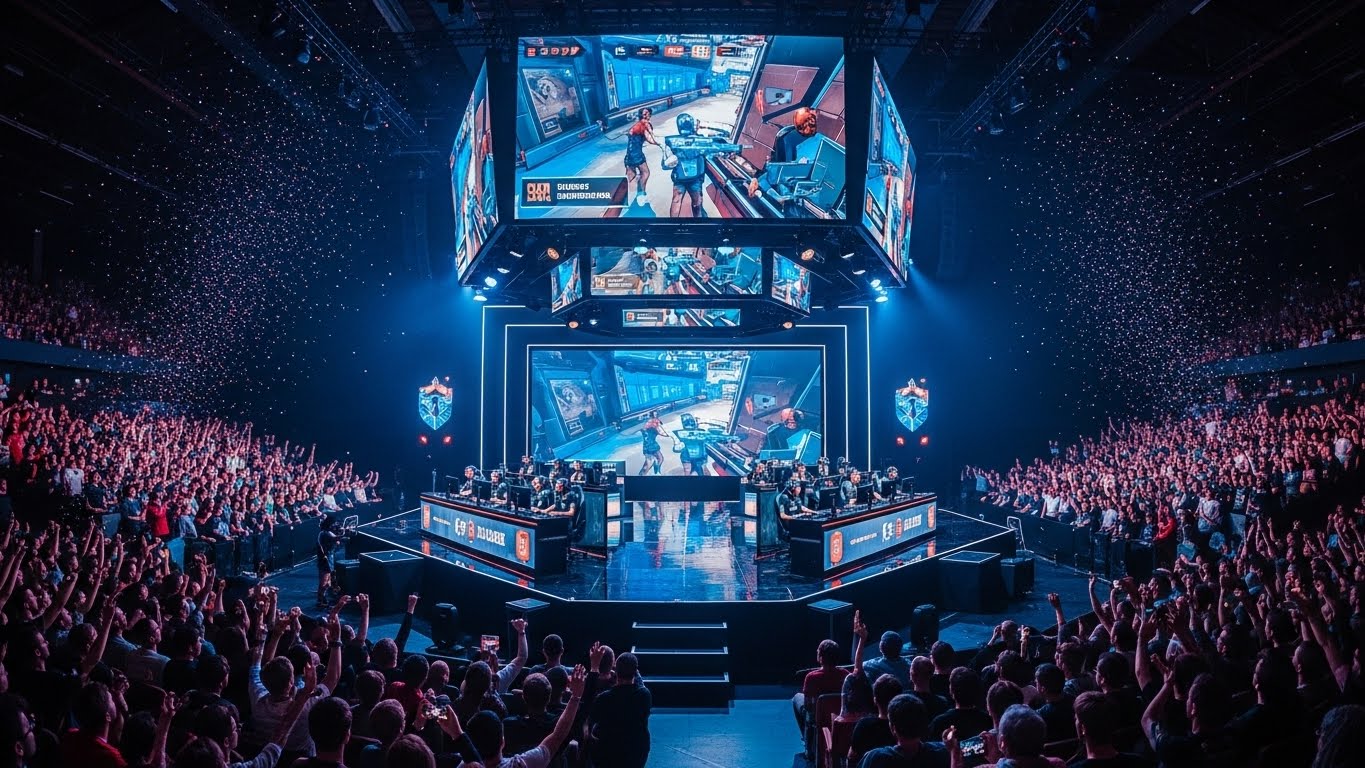
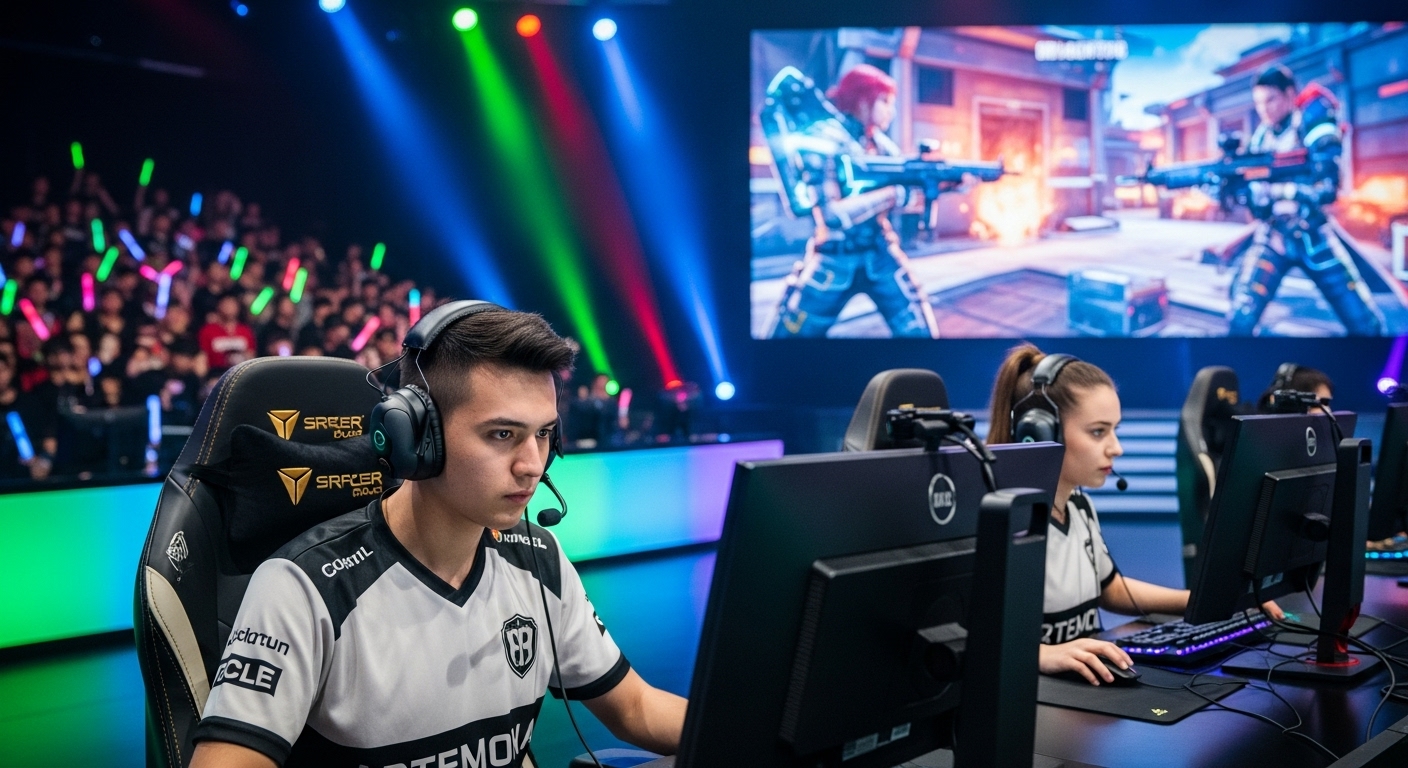
Esports has evolved from casual gaming into a global phenomenon, redefining competition, entertainment, and career opportunities in the digital age. It has transformed how people play, connect, and engage with technology, creating a vibrant industry that impacts millions worldwide.
The Growth of Esports
What started as small-scale tournaments among friends has grown into international competitions watched by millions. Esports covers a wide range of game genres, including first-person shooters, strategy games, battle arenas, and sports simulations. High-speed internet, live streaming platforms, and advanced gaming hardware have propelled esports into mainstream culture, turning it into a global entertainment powerhouse.
Professional Players and Careers
Esports has become a legitimate career path. Top players dedicate hours daily to training, developing strategies, and improving teamwork. Professional leagues offer sponsorships, contracts, and substantial prize pools, allowing players to earn recognition and income from their skills. The professionalization of esports demonstrates that gaming requires discipline, focus, and dedication, just like traditional sports.
Technology at the Core
Technology is the backbone of esports. High-performance computers, low-latency networks, and advanced software enable smooth and competitive gameplay. Virtual arenas, live commentary, and real-time analytics enhance both player performance and audience engagement. Innovations in virtual reality and artificial intelligence are further shaping immersive experiences for both players and spectators.
Building Communities
Esports creates strong global communities. Online tournaments and multiplayer platforms allow people from different cultures and backgrounds to connect, compete, and collaborate. Fans share strategies, celebrate victories, and participate in online discussions, creating a sense of belonging. Esports demonstrates how digital platforms can foster meaningful social interaction.
Economic and Cultural Impact
The esports industry contributes significantly to the economy. Sponsorships, advertising, merchandise, and live events generate revenue, while creating new opportunities in coaching, content creation, and game development. Culturally, esports influences fashion, entertainment, and media trends, shaping the digital lifestyle of younger generations and redefining entertainment consumption.
Skill Development Through Esports
Competitive gaming builds a variety of skills. Strategy games enhance problem-solving and critical thinking, while fast-paced games improve reflexes and coordination. Team-based games teach communication, collaboration, and leadership, and competing under pressure strengthens mental resilience. Esports proves that gaming can be both entertaining and educational.
The Future of Esports
Esports is set to continue its upward trajectory. With the rise of virtual reality, augmented reality, and cloud gaming, competitions will become more immersive and accessible. Esports may further integrate into mainstream sporting events, educational programs, and professional training. The industry is poised to redefine how people experience competition, entertainment, and technology.
Conclusion
Esports is more than digital competition—it is a cultural and professional movement. By combining skill, strategy, and technology, it connects millions of players and fans worldwide, shaping the future of entertainment and career opportunities. As esports grows, it demonstrates the immense potential of gaming to inspire, engage, and unite people in the digital era.