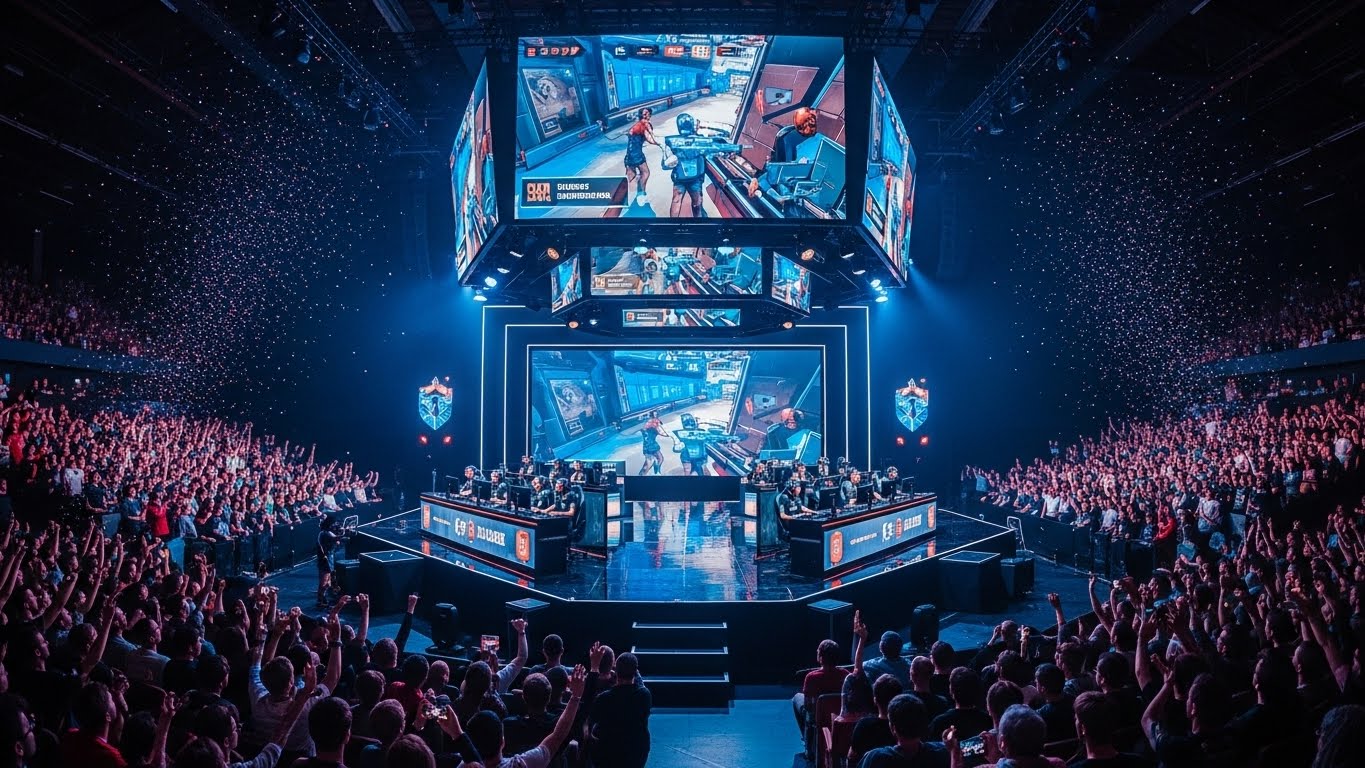
Esports has transformed from a grassroots community activity into a multi-billion-dollar global industry. Professional teams now operate much like traditional sports organizations, with star players, coaches, sponsorship deals, fan engagement strategies, and diversified revenue streams. Unlike its early days, where prize money was often the only form of income, esports teams today have built robust business models to ensure sustainability and growth.
But how exactly do esports teams make money? The answer isn’t simple—it involves a mix of sponsorships, media rights, merchandise, content creation, investments, and tournament earnings, among other avenues. In this article, we’ll break down the key revenue streams for esports teams, analyze how much each contributes to their financial ecosystem, and explore the challenges and opportunities ahead.
1. Sponsorships & Brand Partnerships – The Backbone of Esports Revenue
For most professional esports teams, sponsorships represent the largest share of revenue. According to industry reports, sponsorships can account for 50–70% of a team’s income.
Why Brands Invest in Esports
Brands are increasingly attracted to esports because:
- Young Audience – Esports reaches the coveted 18–34 age demographic, which is highly engaged and difficult to reach through traditional media.
- Digital-First Engagement – Esports fans are active on platforms like Twitch, YouTube, and TikTok, offering brands innovative ways to connect.
- Global Reach – Esports events attract millions of viewers worldwide, breaking geographical boundaries.
Types of Sponsorships
- Jersey/Brand Placement: Similar to traditional sports, logos appear on team jerseys and merchandise.
- Product Integration: For example, gaming chair companies like Secretlab or headset brands like HyperX often sponsor teams.
- Exclusive Partnerships: Energy drink brands (Red Bull, Monster) or hardware giants (Intel, ASUS, Razer) form long-term partnerships.
- In-Game Collaborations: Some games allow branded in-game content tied to specific teams or tournaments.
Example: Team Liquid has partnerships with Alienware, Honda, and Monster Energy, showcasing how diverse sponsorship portfolios can be.
2. Media Rights & Broadcasting Deals
Broadcasting rights are another major revenue source. Just as traditional sports leagues sell TV rights, esports organizations sell streaming and media distribution rights.
How Media Rights Work in Esports
- Tournament Organizers sell broadcasting rights to streaming platforms (e.g., Twitch, YouTube, Facebook Gaming).
- Teams indirectly benefit when leagues they are part of negotiate lucrative deals.
- Exclusive contracts drive competition between platforms, increasing payouts.
Example: Activision Blizzard sold media rights for the Overwatch League to YouTube in a deal reportedly worth $160 million. Teams participating in the league received a share of the revenue.
Although esports media rights aren’t yet as massive as the NFL or Premier League, they’re steadily growing as demand for live esports content increases.
3. Prize Money from Tournaments
Prize pools often grab headlines, but they’re not the most reliable revenue stream for teams.
The Reality of Tournament Winnings
- Only top-tier teams consistently win significant prize money.
- For mid- or lower-tier teams, relying on tournament winnings is unsustainable.
- Prize pools are also heavily skewed toward the winners.
Example: The International 2019 (Dota 2) had a record-breaking $34 million prize pool. Team OG walked away with $15.6 million, but hundreds of other teams earned little to nothing.
Thus, while tournament winnings boost prestige and help cover expenses, they are not the primary source of income.
4. Merchandise Sales & Apparel Lines
Esports teams are increasingly building lifestyle brands, creating clothing lines that extend beyond jerseys.
Merchandise Categories
- Team Jerseys & Hoodies: The most common merchandise.
- Limited Edition Collabs: Partnerships with streetwear brands or fashion designers.
- Accessories: Hats, mousepads, phone cases, etc.
Why It Works
Fans want to represent their favorite teams much like soccer or basketball fans do. Exclusive drops and stylish designs also appeal to non-gaming audiences.
Example: 100 Thieves has positioned itself as both an esports team and a streetwear brand, often selling out apparel drops in minutes. Their success shows how merchandise can transform into a significant revenue driver.
5. Content Creation & Digital Platforms
Esports organizations are not just teams; they’re also media companies. Many invest heavily in content creation, using platforms like YouTube, Twitch, and TikTok to generate ad revenue and sponsorship opportunities.
Content Formats
- Player Streams – Individual players often stream, generating subscriptions, donations, and ad revenue.
- Team Documentaries – Behind-the-scenes content builds brand loyalty.
- Lifestyle Content – Expands beyond gaming to music, vlogs, and entertainment.
Example: FaZe Clan is a pioneer in this space, turning itself into a hybrid of an esports organization, media company, and cultural brand. Their YouTube channels collectively rack up millions of views per month, attracting advertisers and sponsors.
In many cases, content monetization rivals or even exceeds esports competition revenue.
6. Franchise Leagues & Revenue Sharing
Some esports titles operate on a franchise model similar to the NBA or NFL. Teams buy into leagues for large fees but then benefit from revenue sharing.
How Franchise Models Work
- Teams pay buy-in fees (often tens of millions).
- Revenue from sponsorships, media rights, and ticket sales is pooled and shared.
- This creates more financial stability compared to open tournament systems.
Examples:
- Overwatch League (OWL) and Call of Duty League (CDL) adopted franchising.
- Riot Games’ League of Legends regional leagues also follow a franchise-like system.
While controversial due to high entry costs, franchising has provided long-term revenue security for top-tier teams.
7. Investments & Venture Capital
Many esports organizations receive outside funding from investors, venture capital firms, or even celebrities. While not direct “revenue,” this funding provides liquidity for expansion.
Celebrity & Corporate Investors
- Drake and Scooter Braun invested in 100 Thieves.
- Michael Jordan invested in Team Liquid’s parent company.
- Traditional sports franchises (e.g., NBA’s Golden State Warriors) have esports divisions.
These investments help teams build facilities, hire staff, and grow brand value, though they also raise pressure to deliver returns.
8. Live Events & Ticket Sales
Live esports events attract thousands of fans, similar to concerts or sports matches. Teams and organizers monetize these through ticket sales, VIP experiences, and event merchandise.
Example: League of Legends Worlds Finals regularly fill stadiums with 20,000+ fans, and millions more watch online. While teams don’t always directly control ticketing revenue, hosting branded fan events around tournaments creates new income streams.
9. Digital Goods & In-Game Revenue Sharing
Some game publishers share in-game revenue with teams.
Examples:
- Valve’s Dota 2 Battle Pass contributes to The International prize pool, with a portion benefiting teams.
- Riot Games introduced team-branded skins in League of Legends, where a percentage of sales goes to the respective teams.
- Epic Games has partnered with Fortnite teams and creators for custom skins and emotes.
This model is becoming increasingly important as it allows fans to directly support teams inside the games they love.
10. Esports Academies & Training Programs
Some teams are monetizing by creating academies, bootcamps, and training programs for aspiring players. These initiatives provide:
- Coaching services
- Educational content
- Community memberships
It’s a way to diversify income while also scouting potential future talent.
11. Challenges in Revenue Generation
While esports teams have multiple revenue streams, they also face unique challenges:
- High operational costs (player salaries, staff, facilities).
- Uncertain profitability – Many teams operate at a loss, relying on long-term investment.
- Dependency on publishers – Unlike traditional sports, game publishers own the IP and control leagues.
- Unpredictable sponsorship cycles – Economic downturns can affect brand spending.
12. The Future of Esports Team Revenue
The esports industry is still evolving. Here are some trends shaping the future:
- Increased revenue from digital goods – Publisher partnerships will grow.
- NFTs & Blockchain – Potential new fan engagement and monetization models.
- More global franchising – Stability through shared revenue systems.
- Crossover with entertainment – Esports teams will become lifestyle brands spanning gaming, fashion, music, and media.
Conclusion
Esports teams generate revenue through a diverse ecosystem: sponsorships, media rights, merchandise, content creation, prize money, digital goods, and more. While sponsorships remain the backbone of the industry, teams are rapidly expanding into new areas, blurring the lines between sports, entertainment, and digital culture.
The path to profitability is still challenging, but as esports continues to grow, so too will the sophistication of its revenue models. The most successful teams will be those that treat themselves not just as competitive organizations, but as global entertainment brands with multiple touchpoints for fans and partners.