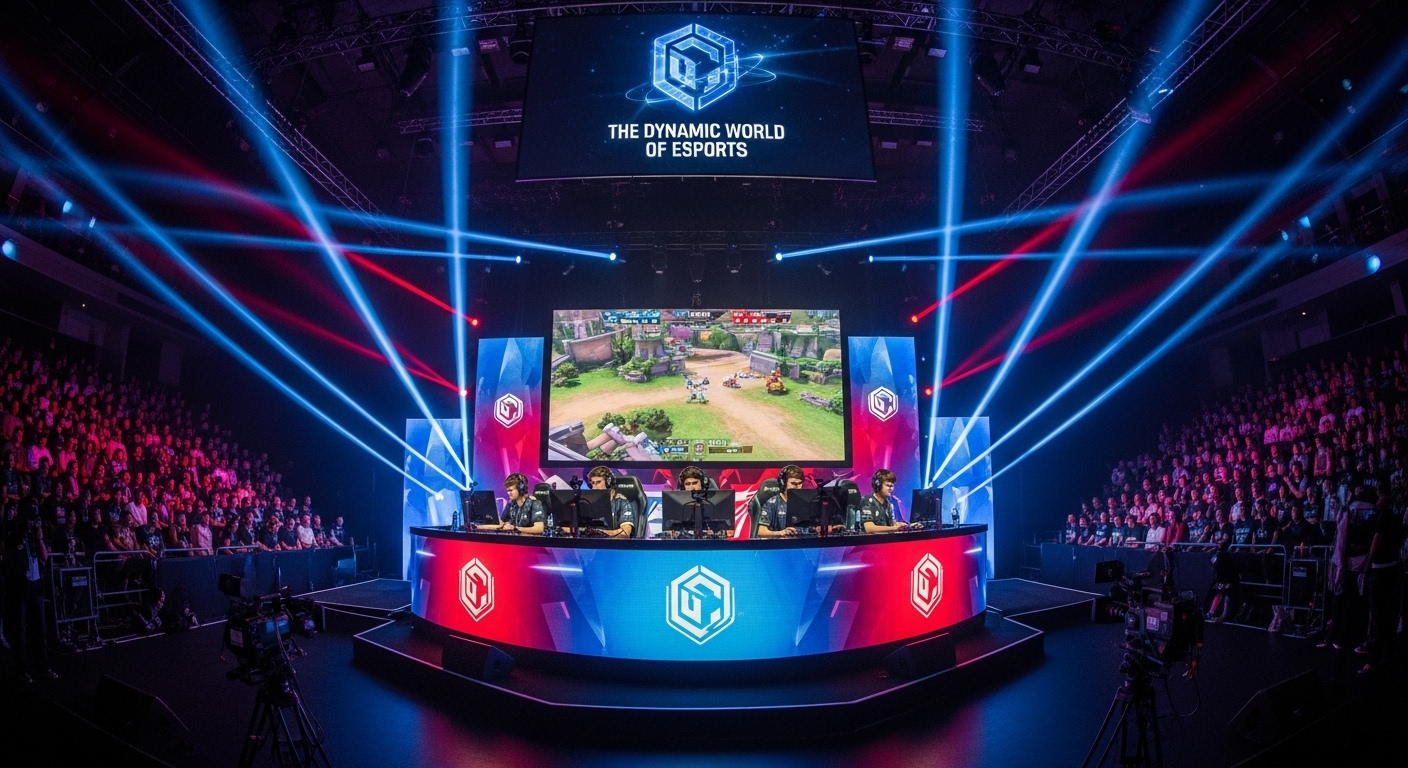
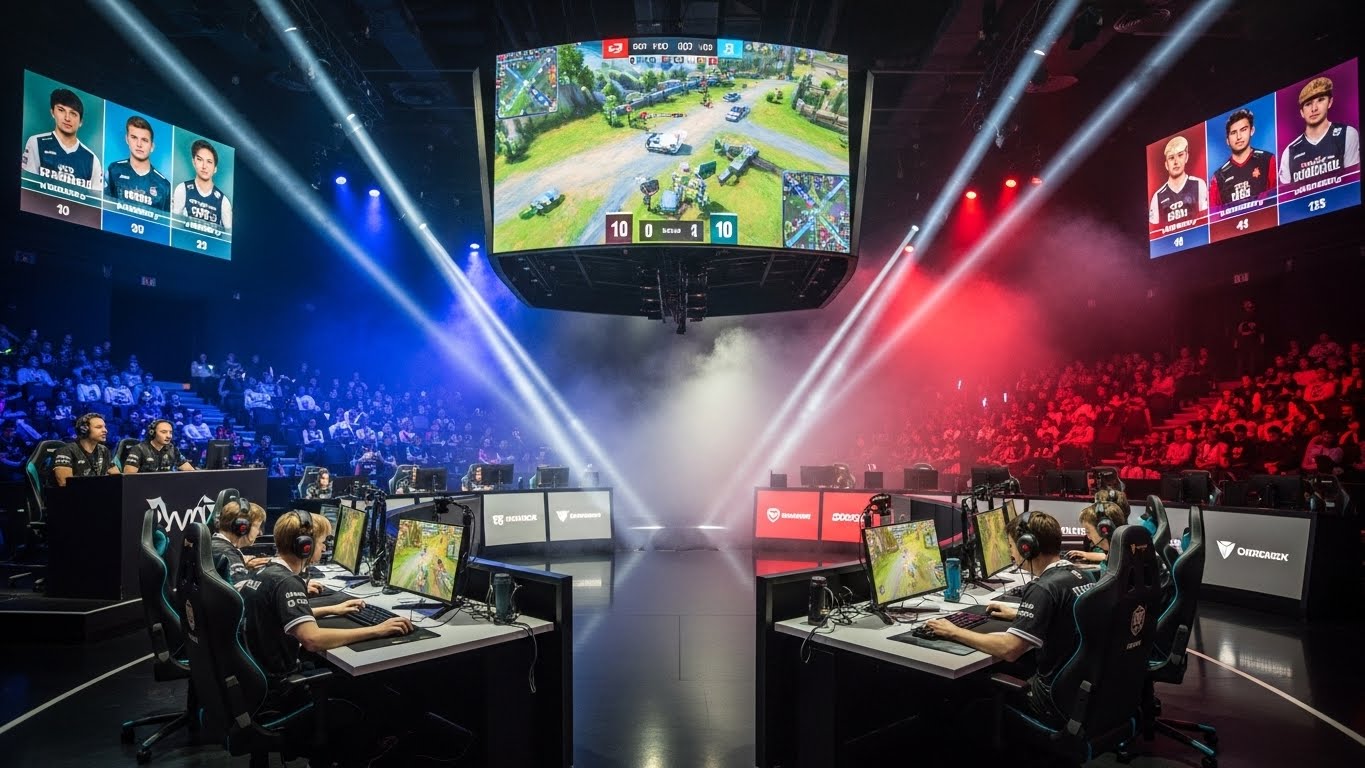
Esports, once seen as a niche hobby, has rapidly transformed into a global powerhouse, attracting millions of fans, players, and investors. What began as simple gaming competitions has evolved into a fully-fledged industry, rivaling traditional sports in terms of viewership, revenue, and cultural significance. Today, esports represents a thriving digital landscape, with its impact felt across entertainment, business, education, and beyond. In this blog, we explore the rise of esports, the factors driving its growth, and what the future holds for this rapidly expanding phenomenon.
What is Esports?
Esports, short for electronic sports, refers to organized, multiplayer video game competitions, particularly between professional players, individually or as teams. These competitions involve popular games like “League of Legends,” “Dota 2,” “Counter-Strike: Global Offensive,” “Fortnite,” and many others. Esports is much more than casual gaming. It has become a competitive sport where skilled players face off in tournaments for cash prizes, sponsorships, and a shot at fame.
The global reach of esports has led to the emergence of professional teams, dedicated esports leagues, sponsorship deals, and streaming platforms. Major esports events are now broadcasted to millions of viewers, and the esports industry is expected to continue growing at an impressive rate.
The Growth of Esports: From Hobby to Global Industry
Esports’ journey from a niche pastime to a global industry has been nothing short of remarkable. The origins of competitive gaming can be traced back to the 1970s and 1980s, when arcade games like “Pong” and “Space Invaders” started to gain popularity. However, it wasn’t until the late 1990s and early 2000s that esports began to take shape in a more formalized way.
The launch of games like “StarCraft” and “Counter-Strike” helped establish online gaming communities, and with the advent of broadband internet, players could compete against one another globally. By the mid-2000s, professional tournaments such as the World Cyber Games (WCG) and Major League Gaming (MLG) brought competitive gaming to a new level. These events attracted sponsors, players, and fans, setting the stage for the esports industry we know today.
The real breakthrough came with the rise of streaming platforms, particularly Twitch, which launched in 2011. Twitch allowed players to stream their gameplay live, creating an interactive experience where viewers could watch, chat, and support their favorite players in real time. This development marked the point where esports exploded in popularity, making it more accessible than ever before.
By 2020, the global esports market was valued at over $1 billion, with projections for continued growth in the years to come. Major esports leagues and tournaments now draw in massive audiences, both online and in-person. Esports stars have emerged as celebrities, with dedicated fanbases, sponsorships, and endorsements. The industry is also seeing the influx of traditional sports organizations, with major companies like the NBA, NFL, and FIFA investing in esports.
The Financial Impact of Esports
Esports is not only a cultural phenomenon but also a booming economic force. From tournament prize pools to sponsorship deals, the financial landscape of esports is growing exponentially. The 2019 “The International” Dota 2 tournament, for example, offered a staggering $34 million prize pool, highlighting the enormous financial stakes in the industry. Other major tournaments like the “League of Legends World Championship” and “Fortnite World Cup” also offer millions in prize money.
The growing interest in esports has attracted corporate sponsorships from a wide range of industries. Tech giants such as Intel, Nvidia, and Microsoft, as well as non-tech companies like Coca-Cola, Red Bull, and Nike, have signed multi-million-dollar deals with esports teams and tournaments. These partnerships help fund tournaments, teams, and events while offering brands access to a highly engaged, digitally-savvy audience.
In addition to tournament sponsorships, esports has become a lucrative business for media companies. Streaming platforms such as Twitch and YouTube Gaming have created new avenues for monetizing esports content through advertisements, subscriptions, and donations. Pro gamers and content creators have also turned streaming into full-time careers, earning money through subscriptions, sponsorships, and tips from their viewers.
The esports industry is further bolstered by a growing market for esports-related merchandise, from team jerseys to gaming peripherals, which helps fuel the ecosystem and support the financial structure of professional gaming.
The Role of Technology in Esports
One of the key drivers behind the growth of esports is the rapid advancement of technology. The gaming experience has evolved significantly over the past few decades, and technology plays a pivotal role in this transformation. Powerful gaming PCs and consoles, high-speed internet connections, and advanced gaming peripherals have elevated the level of competition, allowing players to compete at a higher skill level.
In addition to hardware, software has also played a crucial role in the rise of esports. Games are now more complex, with improved graphics, mechanics, and in-game physics. This has led to the development of more strategic, team-oriented gameplay, making esports competitions more exciting for both players and viewers.
Moreover, streaming technology has transformed how esports events are consumed. High-definition video, live streaming, and interactive features such as chat and live polling have created an immersive experience for fans. Spectators can now follow tournaments from anywhere in the world, watching their favorite players and teams compete in real-time. The integration of social media platforms also allows fans to engage with players and teams on a more personal level, strengthening the bond between players and their audiences.
In the future, innovations such as virtual reality (VR) and augmented reality (AR) could further revolutionize the esports landscape, offering fans and players new ways to experience gaming events and competitions.
Esports as a Career
For many, esports has evolved from a casual hobby to a viable career path. Professional gamers, streamers, and content creators can earn substantial incomes by participating in tournaments, streaming their gameplay, and securing sponsorships. In fact, top esports players can earn millions of dollars annually through prize money, sponsorships, and merchandise sales.
However, becoming a professional esports player is not easy. The competition is fierce, and players must dedicate countless hours to practice, strategy development, and game analysis. Like traditional athletes, pro gamers train for several hours each day to hone their skills, maintain peak performance, and stay ahead of their competition.
In addition to professional players, the esports industry has created a range of other career opportunities. Coaches, analysts, event organizers, content creators, and broadcasters all play a vital role in the ecosystem. Esports organizations also employ support staff such as managers, psychologists, and nutritionists to help players perform at their best.
Esports has even made its way into educational institutions, with some universities offering esports scholarships, team programs, and specialized courses in game design and esports management. This has opened the door for aspiring players to receive formal training and financial support, further legitimizing esports as a career option.
The Global Appeal of Esports
One of the most remarkable aspects of esports is its global appeal. Unlike traditional sports that are often confined by geographical boundaries, esports has a universal reach. Thanks to the internet, players from different countries can compete against each other in real time, and fans can tune in to watch from anywhere in the world.
Esports has found a particularly strong following in Asia, where countries like South Korea, China, and Japan have long been at the forefront of competitive gaming. South Korea, in particular, has been instrumental in shaping the esports landscape, with games like “StarCraft” and “League of Legends” becoming national pastimes. The country has established a robust infrastructure for esports, with dedicated esports arenas, broadcasting channels, and government support for the industry.
In North America and Europe, esports has gained significant traction, especially among younger audiences. The rise of mobile gaming, particularly in regions like Southeast Asia and Latin America, has expanded the global reach of esports even further. Mobile esports tournaments like “PUBG Mobile” and “Arena of Valor” have attracted millions of viewers and players, demonstrating that esports is not limited to PC or console gaming.
The Future of Esports
The future of esports looks incredibly promising. As the industry continues to grow, new games, technologies, and opportunities will emerge. With the increasing integration of virtual reality (VR) and augmented reality (AR), esports events could become even more immersive and interactive for both players and spectators. Additionally, the rise of mobile gaming and esports is opening up new markets and demographics, expanding the global reach of competitive gaming.
Esports will likely continue to forge partnerships with traditional sports organizations, leading to further mainstream recognition and collaboration. As esports becomes more embedded in popular culture, we can expect to see even greater integration with other entertainment industries such as music, fashion, and digital media.
Conclusion
Esports has come a long way from its humble beginnings, becoming a global industry that is reshaping the way we think about sports, entertainment, and career opportunities. With its rapid growth, massive fan base, and evolving technology, esports is poised to continue its dominance in the digital age. Whether you’re a player, a fan, or someone looking to explore career opportunities in the esports space, it’s clear that competitive gaming is more than just a game—it’s a cultural phenomenon that has only just begun to make its mark on the world.