Esports, or electronic sports, has become one of the most exciting and fast-growing sectors in the entertainment and sports industries. What was once a niche pastime for passionate gamers has evolved into a multi-billion-dollar industry that is reshaping the way we view competition and entertainment. Today, esports is not just a trend but a legitimate form of sport that attracts millions of viewers, players, and sponsors from all around the world.
In this blog post, we will explore the rise of esports, how it has transitioned from a niche interest to a mainstream phenomenon, and the future potential of this growing industry.
The Birth of Esports: Humble Beginnings
The origins of esports date back to the early 1990s when competitive gaming was more of a local, community-based activity. Tournaments were often small and informal, taking place in arcades or in people’s homes. However, as the internet began to take off in the late 1990s, the concept of online multiplayer games started to gain popularity, and competitive gaming began to take shape.
One of the earliest examples of competitive gaming was the Red Annihilation tournament held in 1997 for the game Quake. This event marked one of the first major esports tournaments, attracting professional and amateur players alike. Though the prize pool was modest by today’s standards, the tournament helped lay the foundation for the esports industry we know today.
Throughout the 2000s, games like StarCraft, Warcraft III, and Counter-Strike solidified the foundation for competitive gaming, creating the first communities of professional players and fanbases. These games brought players together, either in-person or online, to battle it out in organized competitions. This period marked the birth of online tournaments, which would eventually grow into massive global events.
The Rise of Professional Esports
The true turning point for esports came with the rapid growth of broadband internet and the rise of streaming platforms like Twitch, which allowed people to watch others play video games in real-time. Esports grew from being a local phenomenon to becoming a global spectacle. As more games introduced professional, team-based formats, the infrastructure to support professional gaming began to take shape.
In 2011, League of Legends (LoL) was released, and it quickly became one of the most popular games for competitive play. LoL’s professional scene started gaining significant traction, and in 2013, Riot Games, the developer of LoL, hosted the first League of Legends World Championship. The tournament was an enormous success, attracting millions of viewers worldwide and marking a key milestone in the rise of esports.
Shortly thereafter, other games such as Dota 2, Counter-Strike: Global Offensive, and Overwatch began to build their own esports ecosystems. These games’ success helped to professionalize competitive gaming, creating career opportunities for players, coaches, analysts, and team managers.
The Role of Streaming Platforms in Esports Growth
Streaming platforms have played an essential role in the rise of esports. The launch of Twitch in 2011, followed by YouTube Gaming, made it easier for players to broadcast their gameplay and for fans to tune in and watch live events. Twitch, in particular, helped transform esports into a spectator sport, allowing millions of viewers to watch tournaments and live streams of popular games.
This shift from merely playing games to watching professional players compete has dramatically increased the popularity of esports. No longer confined to traditional sports like football or basketball, esports has found its place in homes around the world. In fact, some of the largest esports tournaments attract viewership numbers that rival those of traditional sports events.
The connection between streamers and their fans is another significant factor. Viewers can interact with players during live streams, creating a sense of community and connection. Popular streamers, such as Ninja, Shroud, and Pokimane, have millions of followers, and their influence extends far beyond gaming. This level of engagement has allowed esports to cultivate a dedicated fanbase, further driving its growth.
The Business of Esports: Sponsorships and Investments
Esports has become a highly lucrative business, with sponsorships, advertising, and broadcasting rights driving much of the industry’s revenue. Major brands from outside the gaming industry have recognized the value of esports as a marketing tool. Companies like Intel, Red Bull, Mercedes-Benz, and Coca-Cola have all partnered with esports organizations and tournaments, helping to fund the growing ecosystem.
One of the most significant developments in esports is the influx of investment from traditional sports organizations. Teams like the Dallas Cowboys, New York Yankees, and Paris Saint-Germain have invested in esports organizations and tournaments. This has led to the creation of esports teams with professional management structures, dedicated coaching staff, and advanced training facilities.
Additionally, esports tournaments offer massive prize pools that rival those of traditional sports. The International tournament for Dota 2 is a prime example, with the prize pool reaching over $40 million in recent years. This level of competition and financial backing has made esports a viable career path for top-tier players, offering them opportunities for fame and fortune similar to athletes in traditional sports.
Esports as a Spectator Sport
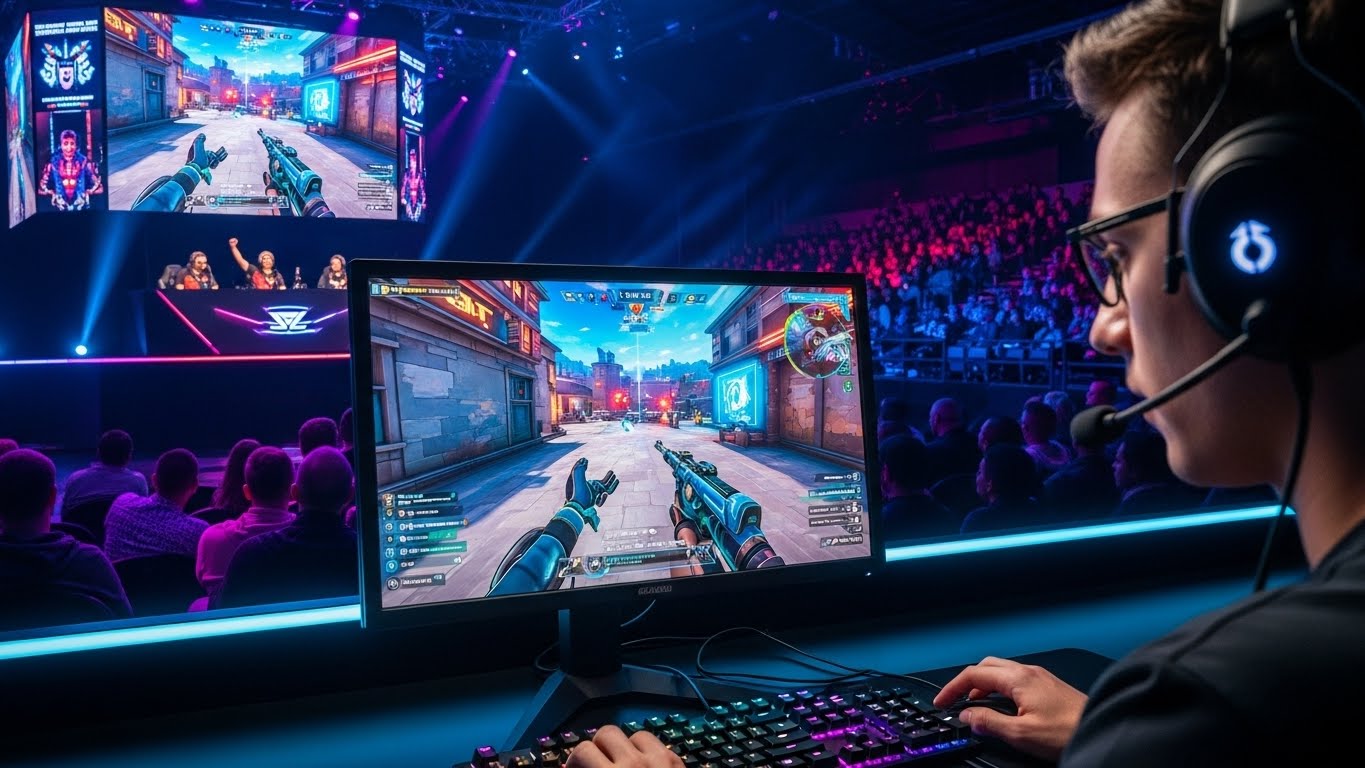
One of the most unique aspects of esports is its ability to captivate an audience. Fans watch esports not only to see high-level competition but also to engage with a global community of like-minded individuals. Much like traditional sports, esports events are broadcasted live, with commentators providing color and analysis to enhance the experience for viewers.
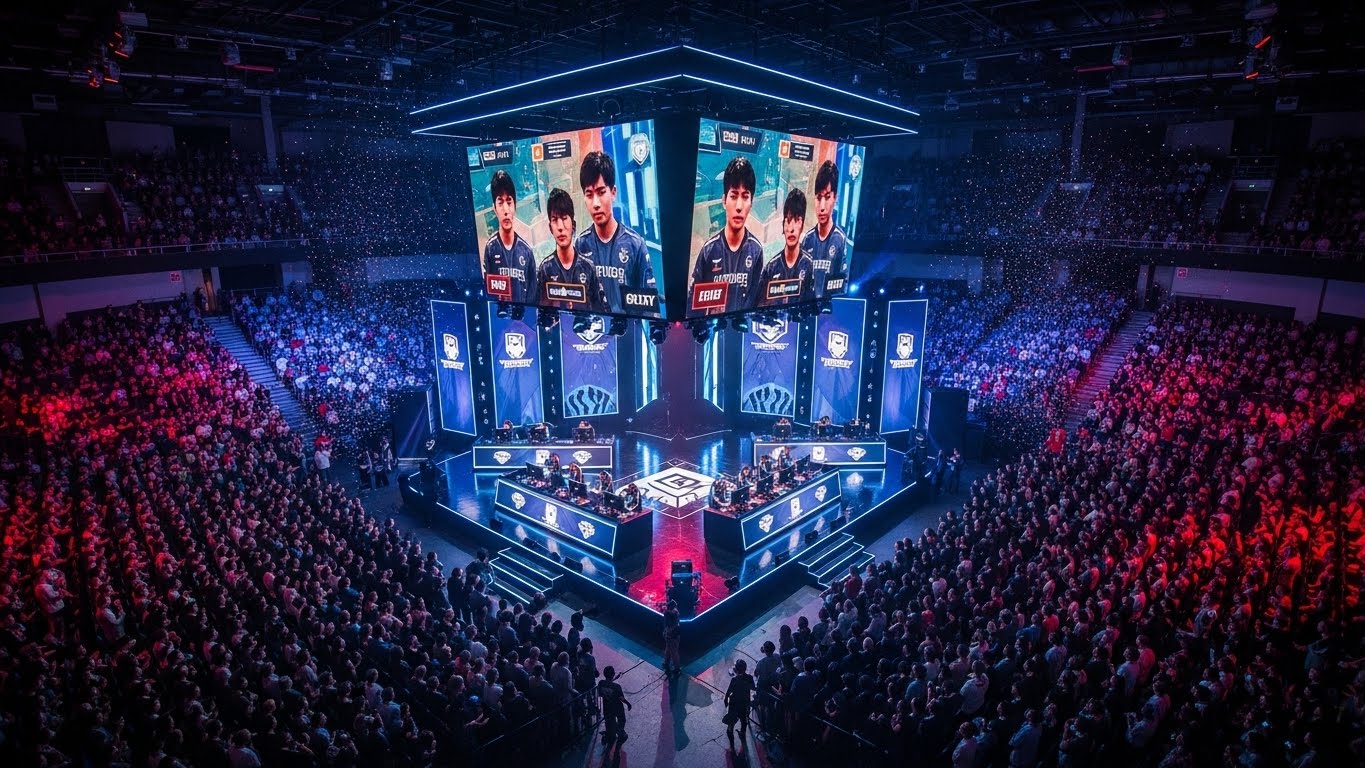
In major tournaments, the competition can be intense, with the best players from around the world battling for supremacy. Some esports events, like the League of Legends World Championship and The International, are held in large arenas and draw crowds that are comparable to those of traditional sports events. These tournaments are often streamed online and can attract millions of viewers, with some events drawing more viewers than the Super Bowl or World Series.
The rise of esports as a spectator sport has also led to the creation of esports leagues and dedicated venues. The Overwatch League and Call of Duty League are examples of franchises that resemble traditional sports leagues, complete with team owners, schedules, and playoffs. In addition, new stadiums and arenas are being built specifically for esports events, offering a live experience for fans and further legitimizing esports as a mainstream sport.
Esports and Global Reach
One of the reasons esports has become so popular is its global appeal. Unlike traditional sports, which may be limited by regional boundaries or language barriers, esports transcends borders. Professional players from all over the world can compete on equal footing, and fans from different countries can enjoy the same competitions in real-time.
Esports tournaments are often held in different regions, with major events taking place in cities like Los Angeles, Seoul, Paris, and Shanghai. This global nature has helped create a diverse and inclusive community where players, teams, and fans come together regardless of nationality, language, or background.
Moreover, the rise of mobile esports in regions like Southeast Asia and China has expanded the reach of esports even further. Mobile games like PUBG Mobile and Arena of Valor have millions of players and spectators, further contributing to the global nature of esports.
The Future of Esports: What’s Next?
The future of esports looks incredibly promising. As technology continues to evolve, esports is likely to benefit from new innovations that will enhance both player performance and the spectator experience.
One area to watch is the development of Virtual Reality (VR) and Augmented Reality (AR) technologies. These technologies could revolutionize the way esports is experienced, allowing players and fans to immerse themselves in a fully interactive, 3D environment. Imagine watching a League of Legends match where you can view the action from any angle, or even step into the game as a spectator, experiencing the action firsthand.
In addition, the growing trend of esports being included in the Olympics or other international sporting events could further legitimize esports as a global sport. The International Olympic Committee (IOC) has already expressed interest in the possibility of incorporating esports into the Olympics, which would mark a significant milestone in esports’ acceptance as a mainstream activity.
Finally, the professionalization of the esports industry will continue to improve, with better support for players’ mental health, career longevity, and financial stability. As esports matures, it will become even more structured, with dedicated leagues, organizations, and institutions to support players at all levels.
Conclusion
Esports has come a long way since its humble beginnings. From small local tournaments to massive global events, esports has transformed into a billion-dollar industry that attracts millions of fans worldwide. Its rapid growth is a testament to the increasing popularity of gaming and the shift towards digital entertainment.
As the industry continues to grow, it is clear that esports will play an even more significant role in shaping the future of both sports and entertainment. Whether you’re a player, fan, or investor, one thing is for sure: esports is here to stay, and its influence will only continue to grow in the years to come.