Esports, or competitive video gaming, has transformed from a niche hobby into a global industry attracting millions of fans, players, and sponsors worldwide. What was once seen as casual gaming has now become a serious profession, complete with training regimes, professional teams, and international tournaments with prize pools that rival traditional sports. The rise of esports represents a remarkable convergence of technology, entertainment, and competition. This blog explores the evolution, culture, and future of esports, shedding light on why it has become a major force in global entertainment.
The Origins of Esports
Competitive gaming is not a new concept. Even in the 1970s and 1980s, gamers competed in local arcades and early computer games. High-score competitions were popular, and communities formed around classic games such as Space Invaders and Pac-Man. The 1990s saw the first real tournaments emerge, especially with games like Street Fighter and StarCraft. These early competitions laid the foundation for what would eventually become professional esports.
With the arrival of high-speed internet and multiplayer gaming in the late 1990s and early 2000s, esports began to take shape as an international phenomenon. Games like Counter-Strike, Warcraft III, and Dota allowed players from different countries to compete against one another online. This ability to play globally sparked a competitive culture and set the stage for modern esports.
Why Esports is So Popular
The popularity of esports can be attributed to accessibility, interactivity, and excitement. Unlike traditional sports, competitive gaming does not require physical strength or specialized facilities. Anyone with a computer, console, or mobile device and a stable internet connection can participate. This inclusivity opens the door to millions of people worldwide.
Esports also thrives on interactivity. Fans can watch live streams, comment, and interact with players in real-time. Unlike traditional sports, where fans often remain spectators, esports communities engage with the action in ways that create strong social connections. Platforms like streaming services and social media have amplified this connection, allowing fans to feel like part of the experience.
Finally, esports delivers excitement through fast-paced gameplay, strategy, and unpredictability. High-level competitions are intense and require players to demonstrate incredible reflexes, coordination, and strategic thinking. This intensity keeps viewers engaged and invested in the outcome.
Diverse Game Genres in Esports
One of esports’ unique features is the wide variety of games that make up the competitive scene. Unlike traditional sports, which are mostly uniform, esports encompasses multiple genres, each with its own rules, strategies, and fanbase.
Multiplayer online battle arena games like League of Legends and Dota 2 emphasize teamwork, strategy, and coordination. First-person shooters such as Counter-Strike, Valorant, and Call of Duty test players’ reflexes, precision, and quick decision-making. Sports simulations like FIFA and NBA 2K allow fans to experience virtual versions of their favorite sports. Fighting games like Street Fighter and Super Smash Bros focus on skill, timing, and one-on-one combat.
This diversity ensures that esports appeals to a broad spectrum of players and fans. It allows people with different interests to find games and competitions that resonate with them, creating a rich and varied ecosystem.
The Professional Esports Athlete
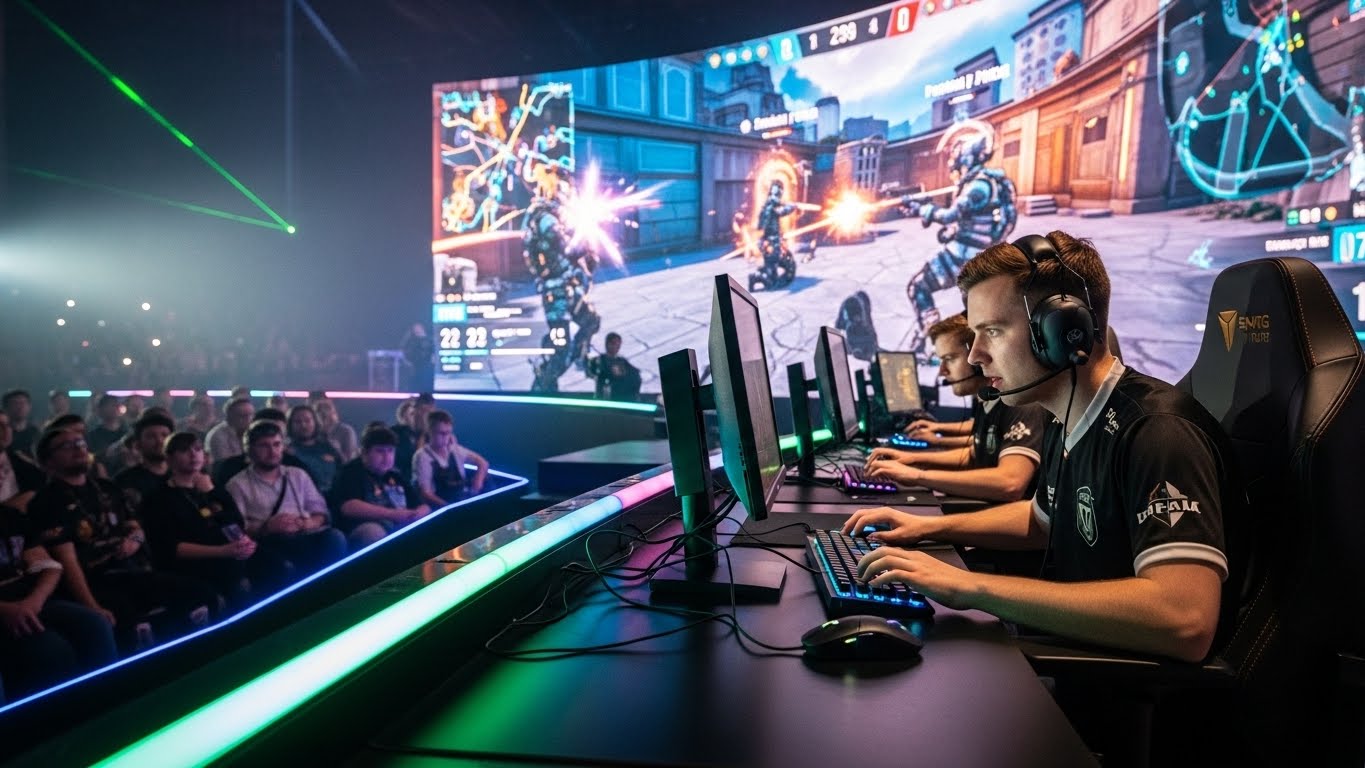
Professional esports players are highly skilled athletes, despite popular misconceptions about gaming being casual. They dedicate long hours to training, studying strategies, and improving their performance. Physical fitness, mental stamina, and hand-eye coordination are essential components of an esports player’s success.
Many professional players start young, often in their teens, and dedicate years to developing their skills. Teams employ coaches, analysts, and psychologists to support players, emphasizing not only technical ability but also mental health and team dynamics. Training regimens can be grueling, with players practicing for multiple hours a day to maintain their edge.
The life of an esports athlete is demanding. Competitions can be intense, and maintaining focus under pressure is crucial. Yet, the rewards are significant. Top players earn salaries, sponsorship deals, and international recognition. The respect for professional gamers continues to grow as the industry matures.
Esports Teams and Organizations
Esports teams function similarly to traditional sports clubs. They scout and recruit talent, provide resources and coaching, and develop brand identities that attract fans and sponsors. Well-known organizations become symbols of excellence in competitive gaming and inspire loyalty among supporters.
These teams often participate in multiple game titles, expanding their reach and influence. By securing sponsorships and partnerships, they invest in better facilities, training programs, and player support. This professional infrastructure has been instrumental in transforming esports into a sustainable industry with long-term growth potential.
Teams also play a key role in cultivating the culture of esports. They host events, engage with fans, and create content that strengthens the community around their brand. The identity of a team can be just as important as the skill of its players.
Tournaments and Competitive Events
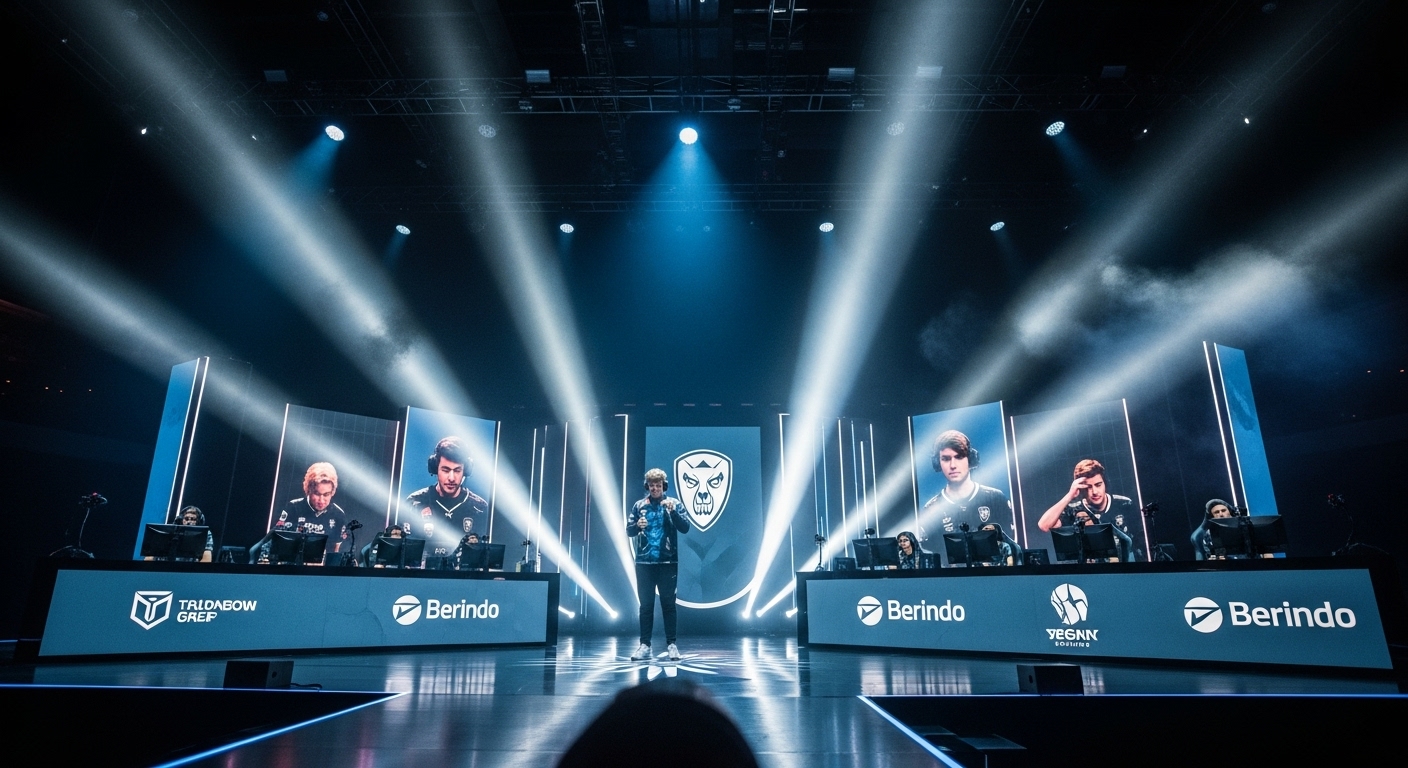
Esports tournaments are the pinnacle of competitive gaming. They range from small online competitions to large-scale international events with massive audiences. Major tournaments fill stadiums and draw millions of viewers online, offering substantial prize money to the winners.
The spectacle of an esports event is extraordinary. Fans cheer as their favorite teams compete, commentators provide in-depth analysis, and dramatic moments unfold on giant screens. These events are more than just competitions; they are cultural celebrations that bring together global communities of fans.
The financial stakes in esports tournaments are significant. Prize pools for some games reach millions of dollars, reflecting the dedication and talent of professional players. Tournaments also provide aspiring players with a pathway to professional careers, inspiring the next generation of esports athletes.
Streaming Platforms and Fan Engagement
Streaming platforms have been essential in the rise of esports. They allow fans to watch live matches, follow individual players, and engage with communities in real-time. Platforms like Twitch, YouTube Gaming, and other streaming services have revolutionized how audiences experience esports.
Streamers not only showcase their gameplay but also build personal connections with viewers. Fans interact with content creators, participate in chats, and join online communities that share their passion. This engagement creates a sense of belonging that strengthens the esports ecosystem.
Streaming also democratizes the industry. Anyone can create content and potentially reach a global audience. This accessibility allows new talent to emerge and adds diversity to the competitive landscape.
Economic Impact of Esports
Esports has a significant economic footprint. Sponsorships, advertising, media rights, merchandise, and ticket sales generate billions of dollars each year. Gaming companies benefit from increased interest in their titles, while brands reach young, engaged audiences that are difficult to access through traditional channels.
The industry also creates jobs beyond professional players. Coaches, analysts, event organizers, commentators, graphic designers, and content creators all contribute to the esports ecosystem. Educational institutions have started offering scholarships for esports athletes, recognizing the industry’s legitimacy and potential.
Esports’ economic impact extends globally, contributing to technological innovation, entertainment, and career opportunities. Its influence is comparable to traditional sports and continues to grow rapidly.
Challenges Facing Esports
Despite its success, esports faces significant challenges. Player burnout is a major concern due to long hours of practice, travel, and tournament pressure. Ensuring the mental and physical well-being of players is essential for the sustainability of the industry.
Fair play and integrity are also critical issues. Game developers must address cheating and balance problems, while teams and organizations enforce ethical conduct. Maintaining transparency and fairness is essential to retain the trust of fans and participants.
Additionally, as esports grows internationally, it faces regulatory and cultural challenges. Different countries have varying approaches to gaming, online platforms, and competition. Navigating these differences while expanding the global reach of esports requires careful planning and innovation.
The Future of Esports
The future of esports is bright and full of potential. Emerging technologies like virtual reality, augmented reality, and cloud gaming promise to make competitions more immersive and accessible. Esports could become part of mainstream sporting events and even be included in international multi-sport competitions.
Younger generations are growing up in a digital environment, where gaming is a natural form of entertainment. With increasing investments, expanding fan bases, and technological innovation, esports is poised to become one of the most influential sports of the twenty-first century.
The industry is also likely to continue diversifying. New games, genres, and formats will attract wider audiences, while streaming and social platforms will enhance fan engagement. The professionalization of esports, combined with global interest, ensures its place in the future of entertainment.
Conclusion
Esports has evolved from small gaming competitions into a global cultural and economic phenomenon. It combines strategy, skill, technology, and community, creating a unique form of entertainment that resonates with millions. Professional players, teams, tournaments, and fans have built an ecosystem that rivals traditional sports in complexity and impact.
The journey of esports is ongoing, and its influence continues to grow. With technological advancements, wider accessibility, and global interest, esports is not just a trend—it is the future of competitive entertainment. As the industry continues to evolve, it will redefine how we view sports, competition, and digital culture.