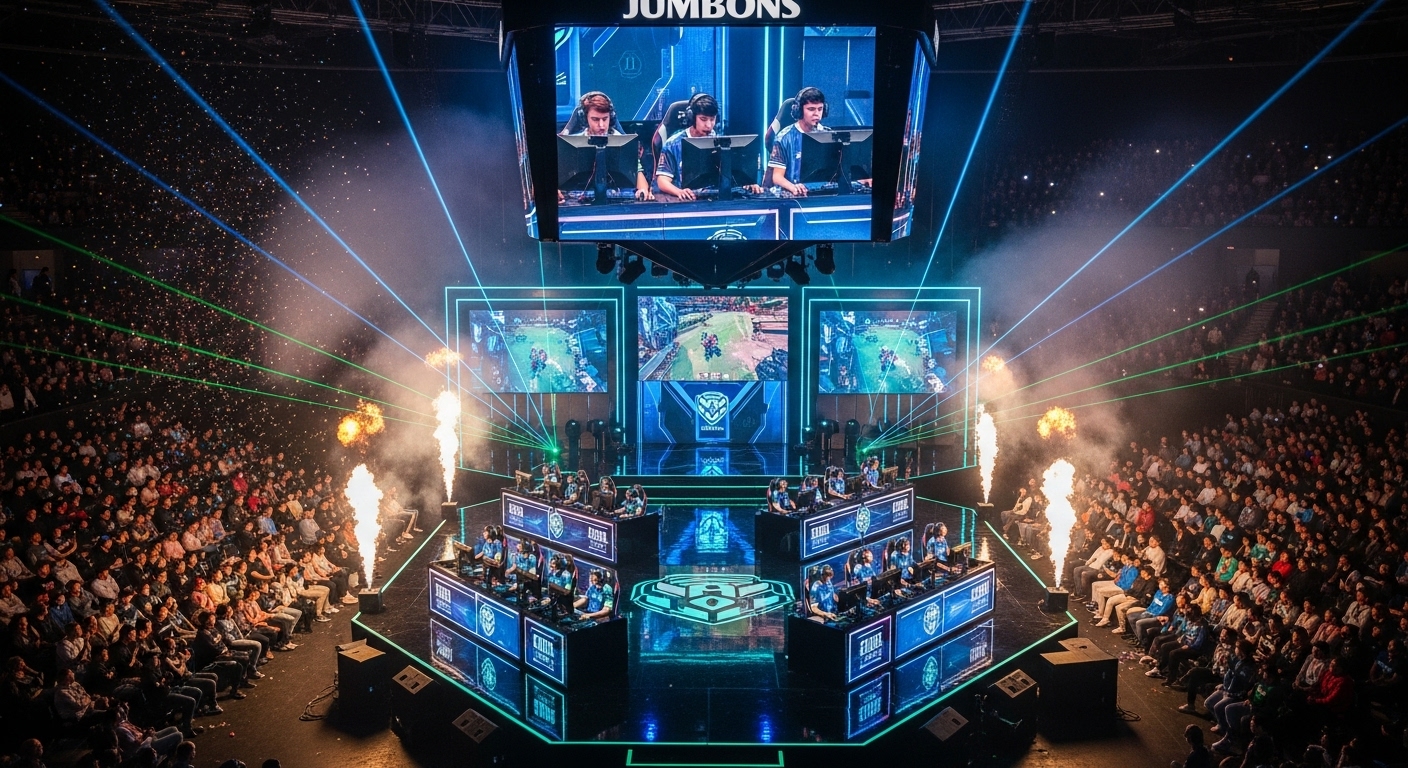
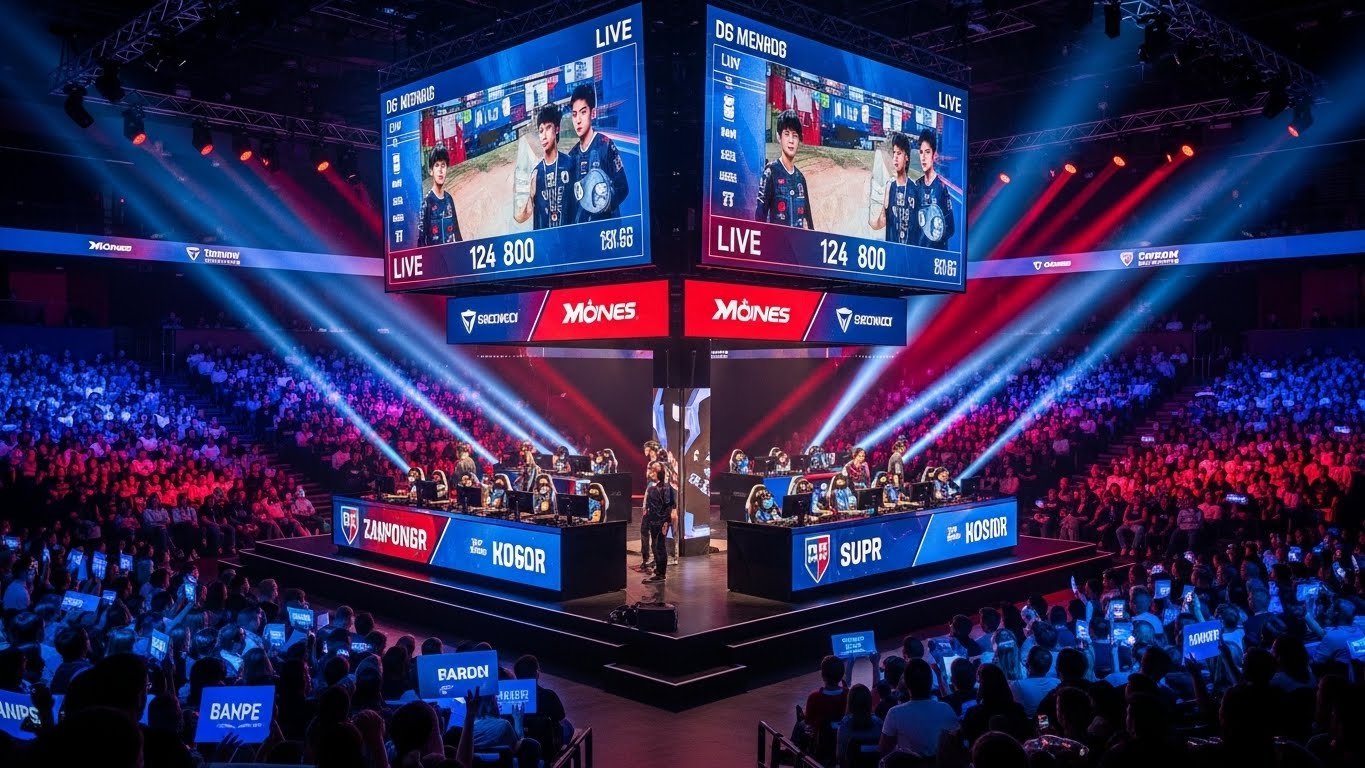
Esports, or electronic sports, has exploded in popularity over the past decade, evolving from a niche hobby to a global, multi-billion-dollar industry. What once began as competitive gaming in basement LAN parties and small tournaments has now blossomed into a massive enterprise, with millions of viewers, professional players, high-stakes tournaments, and corporate sponsorships. This digital revolution is reshaping the world of sports entertainment, bringing together a community of passionate players, fans, and investors. In this blog post, we will dive into the evolution of esports, its current status, and what the future holds for this rapidly growing industry.
What Exactly is Esports?
At its core, esports is the competitive side of video gaming. Unlike casual gaming, esports involves professional players, coaches, analysts, and organizations competing in structured leagues or tournaments for large sums of money and fame. The games played in esports vary widely, ranging from fast-paced shooters like Counter-Strike to strategy-heavy games like StarCraft or League of Legends. The appeal of esports lies in its competitive nature, where players use skill, strategy, and teamwork to outperform their opponents.
Esports can take place on various platforms, from PCs to consoles and even mobile devices. With major gaming titles spanning different genres—such as Multiplayer Online Battle Arenas (MOBA), First-Person Shooters (FPS), and Battle Royale games—there is something for everyone in the esports ecosystem.
The Early Beginnings: From LAN Parties to Tournaments
Esports didn’t emerge overnight. The seeds of competitive gaming were planted in the early days of video games, particularly during the rise of multiplayer gaming in the 1990s. One of the earliest examples of esports competition came in 1997 when the first Red Annihilation tournament for Quake took place. At the time, this was a modest event, but it marked a milestone in the development of esports as a competitive scene.
In the late 1990s and early 2000s, LAN (Local Area Network) parties were a common way for players to gather and compete. These informal events helped to build the foundation for what would later become organized, large-scale esports tournaments. With the improvement of internet connections in the early 2000s, players could now compete against each other online, and tournament organizers could host events with players from across the world. Early esports events, like the Cyberathlete Professional League (CPL) and World Cyber Games (WCG), began to establish a sense of professionalism within the scene, bringing players, fans, and sponsors together for a common cause.
The turning point came when South Korea embraced competitive gaming on a national level. StarCraft, a real-time strategy game, became the country’s favorite, and esports became a televised spectacle, drawing millions of viewers. The success of StarCraft tournaments in South Korea helped prove that esports had the potential to go mainstream.
The Explosion of Esports: From Niche to Global Phenomenon
By the mid-2010s, esports was no longer just a hobby or niche interest—it had become a global phenomenon. Several factors contributed to this explosion in popularity, with the growth of streaming platforms, high-quality game design, and corporate sponsorships at the forefront.
Streaming Platforms and the Rise of Online Viewership
One of the most significant developments that contributed to the rise of esports was the advent of live-streaming platforms, particularly Twitch. Launched in 2011, Twitch provided a dedicated platform for gamers to stream their gameplay live, attracting millions of viewers. As the viewership of these streams grew, so did the popularity of esports tournaments, as fans could watch the action unfold in real-time from anywhere in the world.
Twitch’s growth allowed fans to interact with their favorite streamers, players, and teams in ways that traditional sports fans couldn’t. The chat functions, donation features, and community-driven content added a layer of interactivity that made esports more personal and engaging for viewers. The platform’s success also helped to popularize other streaming sites, such as YouTube Gaming and Facebook Gaming, further expanding the reach of esports.
Sponsorships and Commercial Investment
As esports gained a larger audience, major companies and brands began to take notice. Traditional sports sponsors like Coca-Cola, Intel, and Red Bull began investing in esports events and teams. These sponsorships provided the financial backing needed to take esports to the next level, with high-profile tournaments offering substantial prize pools and exposure.
Esports also attracted venture capitalists and investors, who recognized the industry’s massive growth potential. In turn, this influx of investment allowed esports organizations to hire professional staff, expand their operations, and sign top-tier players. Teams began to resemble traditional sports franchises, with dedicated coaches, analysts, and management staff.
The value of esports as an industry was further solidified when major sports franchises, like the New York Knicks and Dallas Cowboys, began investing in esports teams and leagues. This crossover between traditional sports and esports has helped legitimize competitive gaming as a serious form of entertainment, with an increasing number of brands and investors getting involved in the sector.
Esports: The Athlete and the Organization
Esports is not just about the games; it’s about the players, the teams, and the organizations that make up the competitive ecosystem. Professional players have become celebrities in their own right, with large followings and lucrative endorsement deals. Top players often sign multi-million-dollar contracts with organizations and participate in global tournaments that offer prize pools worth millions of dollars.
The Role of Professional Teams and Leagues
Esports has evolved to the point where professional teams and organizations now resemble traditional sports franchises. These teams often operate in multiple games and have different levels of players, from rookies to seasoned veterans. In the most prominent esports titles, such as League of Legends, Dota 2, and Counter-Strike: Global Offensive, organizations have multiple teams competing in regional leagues and international tournaments.
Leagues such as the Overwatch League and Call of Duty League operate in a similar way to major sports leagues, with franchise-based systems where teams represent cities or regions. This model brings a sense of community and loyalty, similar to how fans support their favorite football or basketball teams.
These leagues are broadcasted to millions of viewers worldwide, providing a professional and polished viewing experience. Analysts, commentators, and color commentators provide in-depth coverage of the matches, much like traditional sports broadcasts, and events are often held in large, arena-style venues with sold-out crowds.
The Players: Training, Practice, and Mental Toughness
Becoming a top-tier esports player requires much more than just technical skill. Players are required to train for hours each day, practicing mechanics, strategies, and teamwork. Many esports athletes follow strict regimens, similar to professional athletes in traditional sports. They work with coaches who help them refine their skills and improve their overall performance.
Mental conditioning is also a crucial aspect of esports training. The pressure to perform in front of thousands of live viewers and millions of online fans can take a toll on players, so having access to sports psychologists and mental coaches has become a standard practice in the industry. Just like traditional athletes, esports players need to maintain focus, composure, and resilience during high-stakes matches.
The Esports Fanbase: A Global Community
Esports has cultivated a diverse and passionate fanbase, with millions of viewers tuning in to watch their favorite players and teams compete. One of the most unique aspects of esports is its accessibility; fans can watch tournaments and streamers from the comfort of their own homes, often interacting with others via social media platforms or live chat.
The audience for esports is predominantly young, with a significant portion of fans falling between the ages of 18 and 34. This demographic is highly engaged and tech-savvy, spending hours each day watching content, playing games, or engaging with fellow fans on platforms like Reddit, Discord, and Twitter.
Esports communities also create a sense of belonging. Fans follow their favorite teams, players, and streamers, participating in online discussions and attending events. The sense of camaraderie within these communities helps foster loyalty and engagement, contributing to the sustained popularity of esports.
The Future of Esports: Growth and Innovation
The future of esports looks incredibly promising. As technology continues to evolve, new developments in virtual reality (VR) and augmented reality (AR) could revolutionize how esports are played and viewed. Imagine being able to watch a match from the perspective of the player or immerse yourself in a fully interactive esports environment.
In addition, mobile gaming is expected to play a bigger role in the esports scene. With mobile esports tournaments growing in popularity, titles like PUBG Mobile and Clash Royale are attracting a new wave of fans and players. Mobile esports offer a more accessible entry point for aspiring gamers, making it possible for anyone with a smartphone to compete at a professional level.
Esports is also likely to continue integrating with traditional sports, with more crossover events and joint initiatives between digital and physical sports. We may see more college scholarships, university programs, and esports training academies, giving players the opportunity to develop their skills and eventually compete professionally.
Conclusion
Esports has undoubtedly carved out its place in the world of entertainment, with a global community, thriving industry, and an ever-expanding audience. The evolution of competitive gaming, from LAN parties to televised tournaments, has turned esports into a major cultural and commercial force. As technology advances and new opportunities arise, esports will continue to grow, offering exciting new experiences for players and fans alike.
What started as a niche hobby is now an established industry, and its influence on gaming, sports, and entertainment will only continue to expand. With its continued growth, esports will no longer be just a side activity—it will be a mainstream form of sports entertainment enjoyed by millions across the globe.