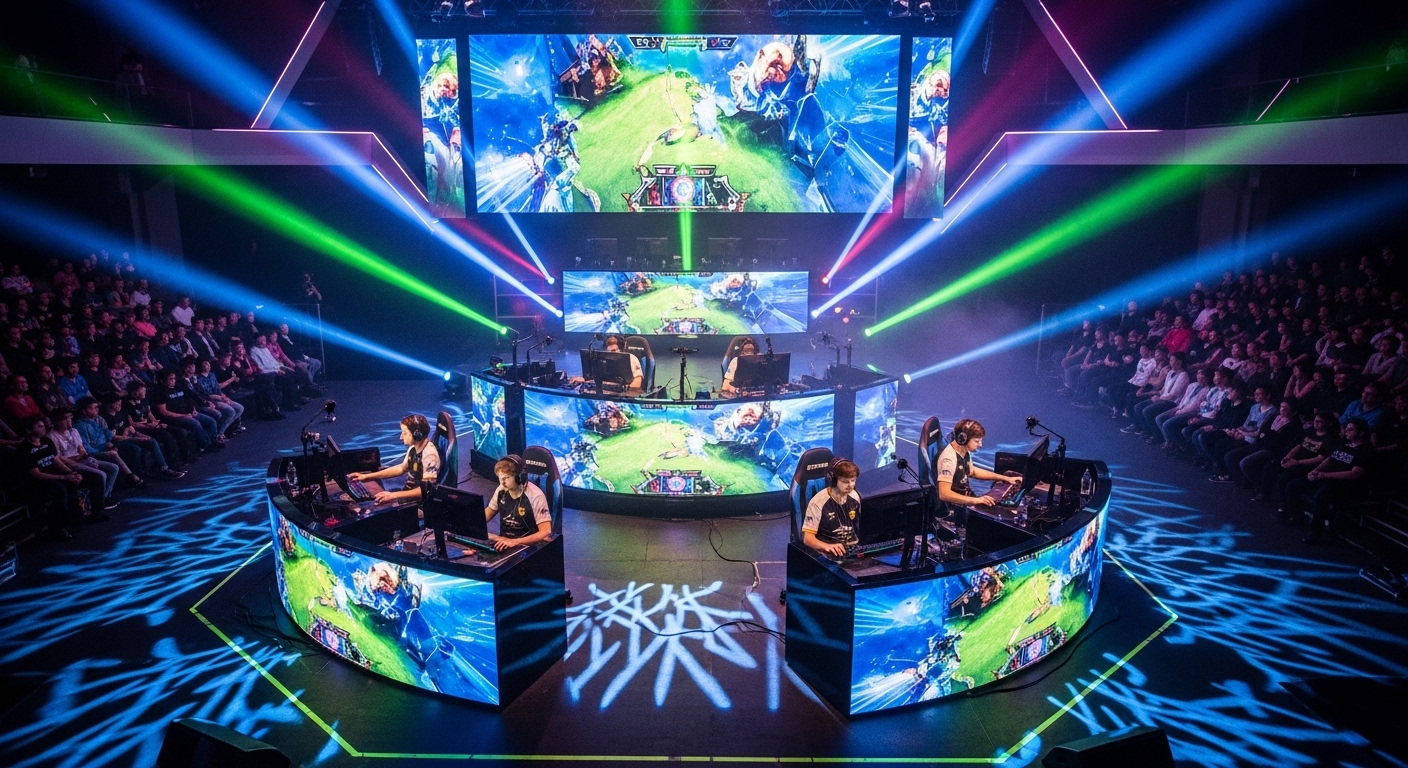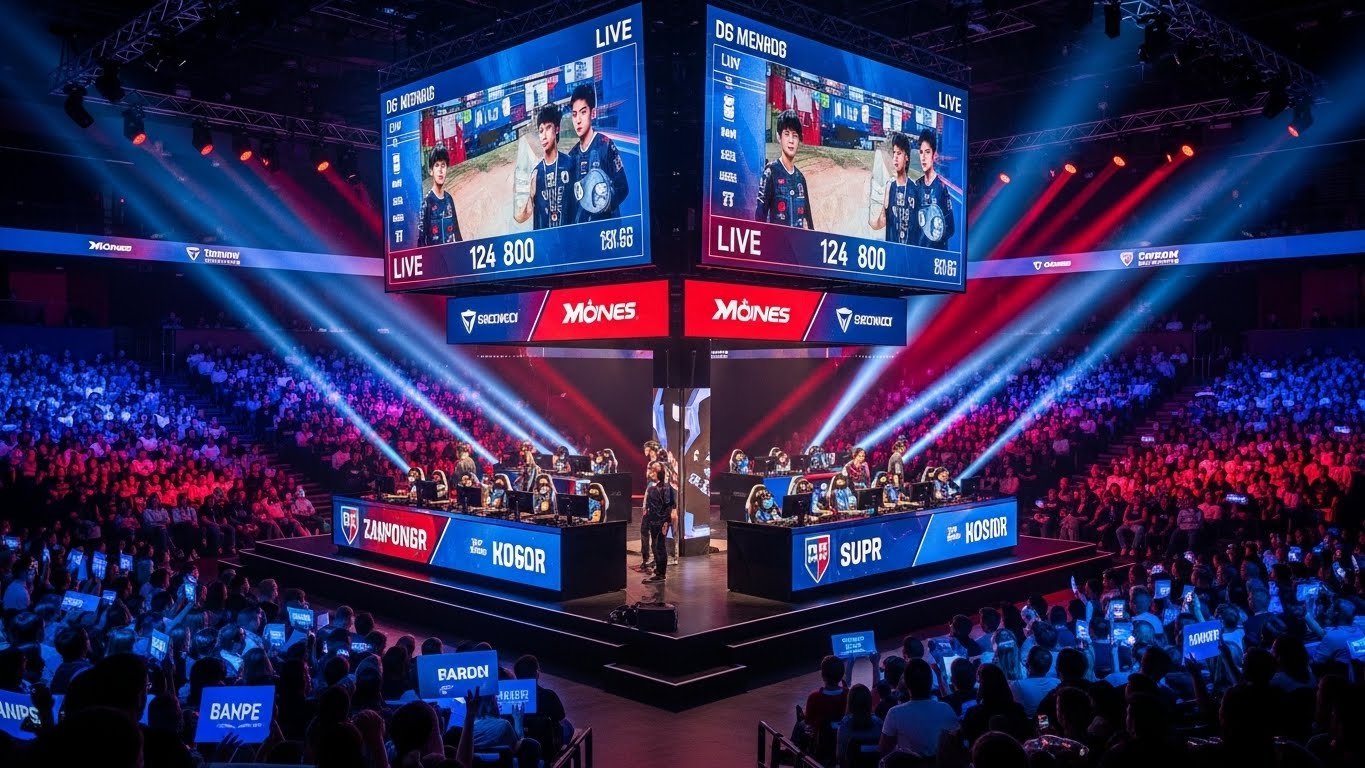
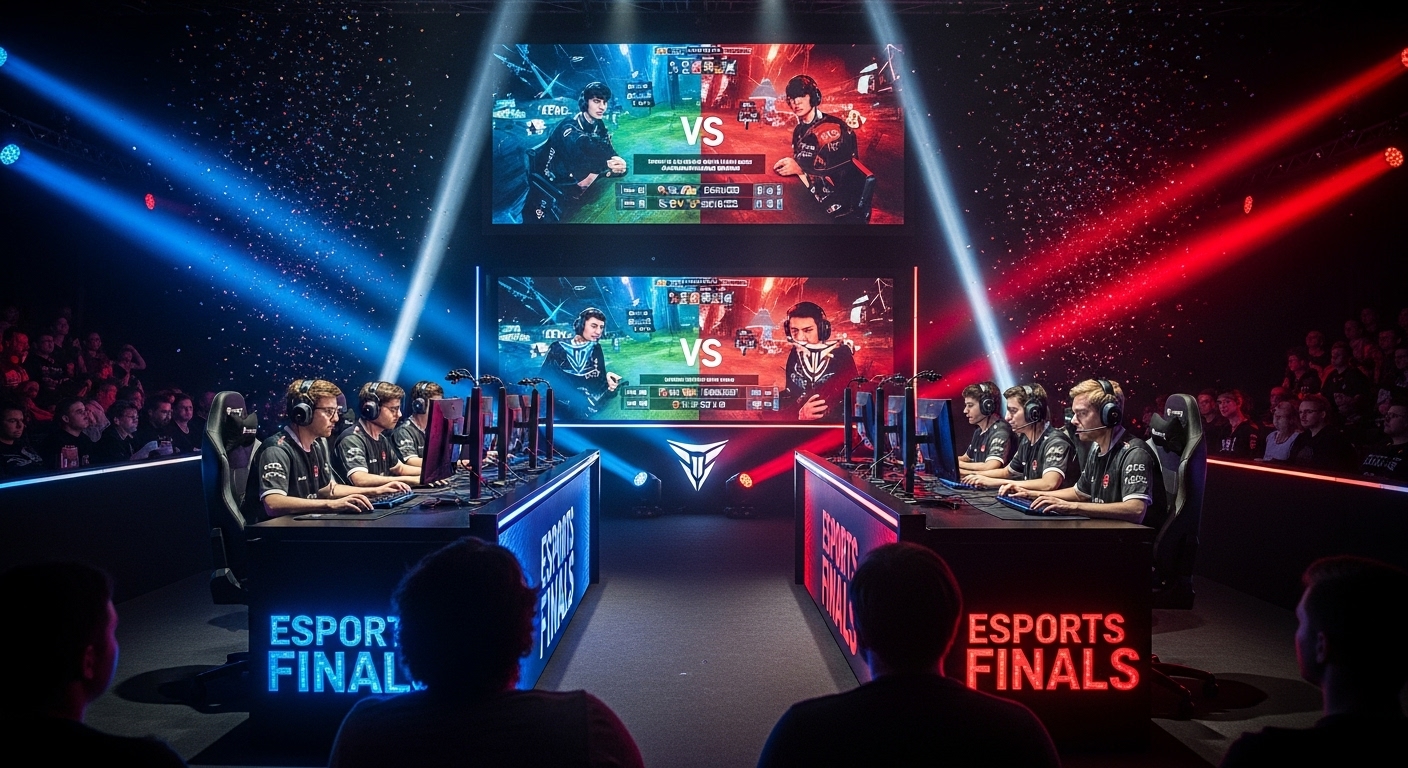
Over the past two decades, the world of esports has undergone an extraordinary transformation. What once began as small-scale gaming tournaments in local arcades or basements has evolved into a global cultural phenomenon, attracting millions of viewers and generating billions of dollars in revenue. Today, esports is not just a form of entertainment, but a legitimate career for thousands of players, analysts, coaches, and event organizers worldwide. In this blog, we’ll explore the evolution of esports, the growing global fanbase, and what the future holds for this ever-expanding industry.
The Origins of Esports: From LAN Parties to Global Tournaments
Esports, short for electronic sports, traces its origins to the early days of gaming. In the 1980s and 1990s, competitive gaming existed mostly in the form of local tournaments held in arcades or among groups of friends at home. Players would compete in games like Pong, Street Fighter, and Space Invaders, but these events were often small and informal. As the internet began to spread globally in the late 1990s, the foundation for modern esports was laid.
The real turning point came with the advent of multiplayer online games. Titles like Quake and StarCraft allowed players to compete against each other in real-time over the internet. The competitive nature of these games, combined with the rise of the internet, created the perfect storm for esports to begin flourishing. In 1997, the first major esports tournament, the Red Annihilation Tournament for Quake, was held, setting the stage for future professional competitions.
By the early 2000s, organized events like the Cyberathlete Professional League (CPL) and the World Cyber Games (WCG) began to emerge, offering large cash prizes and attracting global talent. These tournaments marked the beginning of a professional scene in esports, where skilled players competed not just for bragging rights, but for significant rewards.
The Golden Age of Esports: Professional Leagues and Global Exposure
The real breakthrough for esports occurred in the mid-2000s when several games took competitive gaming to a new level. League of Legends, Dota 2, and Counter-Strike became the flagship titles of professional esports. These games introduced new levels of complexity, requiring teamwork, strategy, and individual skill to succeed. Their growing popularity helped establish a fully-fledged competitive gaming ecosystem.
One of the most influential factors in the growth of esports has been the rise of live streaming platforms. In 2011, the launch of Twitch, a dedicated streaming platform for gamers, revolutionized the way esports was consumed. For the first time, fans could watch live tournaments, interact with their favorite players, and experience esports in real-time from the comfort of their homes. Twitch’s success paved the way for other streaming platforms, including YouTube Gaming and Facebook Gaming, to enter the scene.
Professional leagues quickly followed suit. League of Legends pioneered the idea of a franchised esports league, with teams, sponsorships, and regular seasons. The League of Legends World Championship, which started in 2011, became one of the largest and most-watched esports events in the world. The 2019 edition of the tournament alone attracted over 100 million unique viewers, putting it on par with major traditional sports finals.
As other games adopted similar competitive structures, esports began to attract major sponsorships from global brands. Companies like Coca-Cola, Intel, Red Bull, and Adidas began investing in esports events, teams, and players, bringing further legitimacy to the scene.
Esports as a Career: From Hobbyist to Professional
One of the most striking developments in the rise of esports has been the emergence of professional players. What was once seen as a hobby for enthusiasts is now a viable career path. Many top players dedicate countless hours each day to practice and strategy, just like athletes in traditional sports. In fact, the training regimens for esports athletes can be just as demanding, with players spending up to 12 hours a day honing their skills.
Professional esports players are often recruited by teams, which are organizations that operate in a similar manner to traditional sports franchises. These teams have coaches, analysts, and managers who help players improve their gameplay, develop strategies, and ensure they perform at the highest level. Esports teams can range from small grassroots organizations to global enterprises with millions in revenue. Some of the biggest names in esports include teams like T1, Team Liquid, Cloud9, and G2 Esports.
In addition to team-based competitions, many players also gain significant recognition through individual streaming platforms. Streamers on platforms like Twitch and YouTube can build massive audiences, earning income through subscriptions, donations, and sponsorships. Some players even make a career out of streaming full-time, combining their love for gaming with the opportunity to entertain and connect with millions of fans.
Esports salaries can vary widely, but the top players in competitive games can earn millions of dollars annually. This includes prize money from tournaments, salaries from their teams, and earnings from personal streaming and sponsorship deals. For comparison, the highest-earning esports player, Johan “N0tail” Sundstein of Dota 2, has earned over $7 million in tournament prize money alone.
The Global Appeal of Esports: Breaking Down Barriers
One of the most exciting aspects of esports is its global reach. Unlike traditional sports, which often face regional limitations based on geography, esports is inherently digital and can be played and watched by anyone with an internet connection. This has allowed esports to flourish in regions like Southeast Asia, China, and South Korea, where competitive gaming is deeply embedded in the local culture.
In countries like South Korea, esports is not just a sport, but a mainstream entertainment option. The Korean e-Sports Association (KeSPA) was established in 2000 to help organize competitive gaming events, and South Korean players have become some of the most successful and well-known esports professionals in the world. Games like StarCraft and League of Legends have become part of South Korea’s national identity, with games often broadcast on national television.
China has similarly embraced esports, with games like League of Legends and Honor of Kings boasting enormous player bases and fan followings. The Chinese government has even recognized esports as an official sport, encouraging investment in esports infrastructure and helping to create a professional ecosystem for gamers, teams, and events.
The global nature of esports has also made it a powerful tool for cultural exchange. Tournaments feature players from all corners of the world, and events are streamed with multilingual commentary to ensure accessibility for a wide audience. Fans can come together to support their favorite players and teams, regardless of where they live, creating a sense of shared experience and camaraderie.
The Impact of Esports on Traditional Sports
While esports has emerged as a major form of entertainment on its own, it has also had a significant impact on traditional sports. Several professional sports leagues have begun to invest in esports, recognizing the massive, young audience that esports attracts.
In 2018, the NBA launched the NBA 2K League, a professional esports league based on the popular NBA 2K video game series. The league features real-life NBA teams partnering with esports organizations, allowing them to field players who compete in virtual basketball tournaments. The success of the NBA 2K League has inspired other traditional sports leagues to explore similar ventures.
The FIFA eWorld Cup, a competitive gaming tournament based on the FIFA series of soccer games, has also gained traction, with the event being recognized by FIFA itself. Other sports franchises, such as Formula 1, NHL, and NFL, have also explored integrating esports into their brand by creating virtual versions of their respective sports and hosting competitions for fans to watch and enjoy.
Moreover, many traditional sports teams now employ esports players or have created dedicated esports divisions. This cross-industry collaboration has helped bridge the gap between esports and traditional sports, attracting new fans and ensuring that both industries benefit from each other’s growth.
The Future of Esports: What’s Next?
The future of esports is bright, with several trends indicating that the industry will continue to grow and evolve. Mobile esports, for instance, is set to explode in popularity. Games like PUBG Mobile, Free Fire, and Arena of Valor have already gained massive followings, particularly in regions like Southeast Asia and Latin America, where mobile gaming is dominant.
The rise of virtual and augmented reality gaming also holds great potential for the future of esports. As VR technology becomes more affordable and accessible, esports competitions in fully immersive virtual environments may become a reality. This could completely change how players and fans experience competitive gaming, offering a level of engagement previously unseen in traditional sports.
Esports will also continue to attract new sponsorships and partnerships, with brands increasingly seeing the value of associating themselves with esports. As the industry matures, it will likely see even more crossover with traditional sports, entertainment, and even education.
Conclusion
Esports has come a long way from its humble beginnings in arcade rooms and basement LAN parties. Today, it is a global industry with millions of fans, professional players, and massive events that rival the scale of traditional sports. The future of esports looks incredibly promising, with new technologies, expanding markets, and growing fanbases all contributing to its continued success. Whether you’re a gamer or not, one thing is clear: esports is no longer just a trend; it’s here to stay, and its influence will only continue to grow in the years to come.