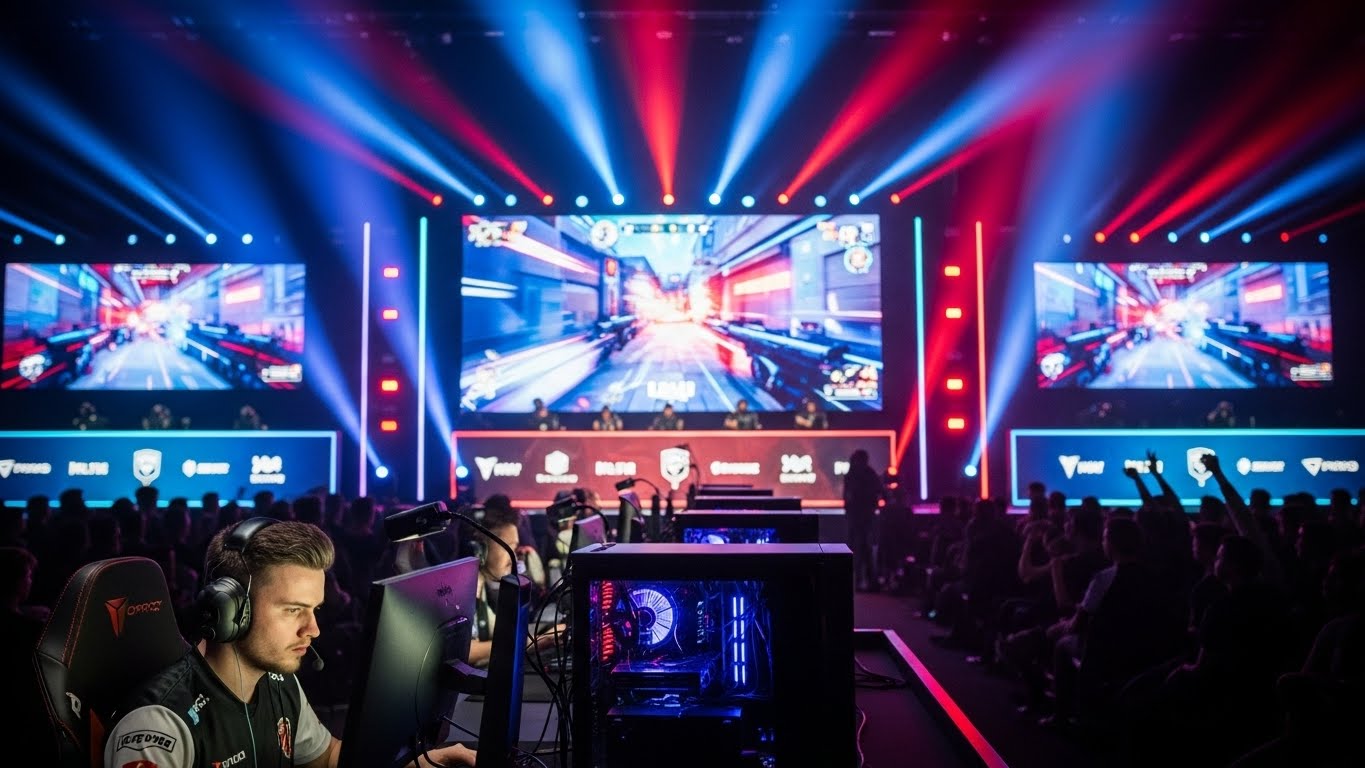
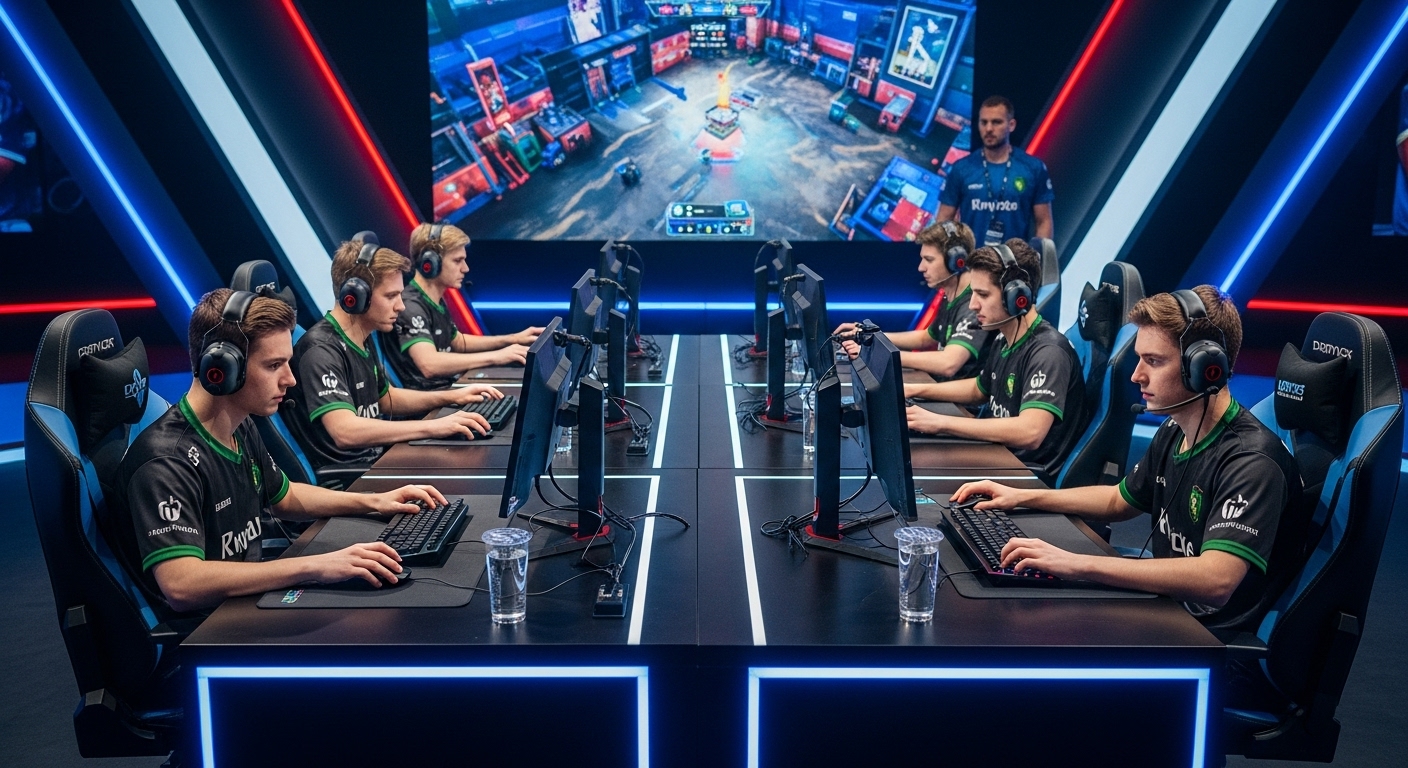
Esports has come a long way from its humble beginnings, evolving from casual gaming competitions to one of the most lucrative and exciting industries in the world. The rapid growth of esports, fueled by technology, innovation, and a passionate global community, has made it a staple of modern entertainment. This blog post will explore the rise of esports, how it has transformed into a mainstream phenomenon, its cultural and economic impact, and what the future holds for competitive gaming.
The Early Days of Esports: A Niche Hobby
The origins of esports can be traced back to the late 20th century when gaming was largely a pastime for enthusiasts and tech-savvy individuals. Although competitive gaming events existed in the form of small tournaments, the scale was limited, and these gatherings were primarily offline, often held in local arcades or at LAN (Local Area Network) parties. The first notable competitions began in the 1970s and 1980s when games like Space Invaders and Pong were the main attractions. The Space Invaders Championship in 1980 marked one of the earliest attempts at organizing a gaming tournament, attracting more than 10,000 participants.
However, it was not until the late 1990s and early 2000s that esports truly began to take off. Games like Quake, Starcraft, and Warcraft III created the foundation for the competitive gaming scene. These titles introduced online multiplayer, allowing players to compete against others from around the world. South Korea, in particular, became a hotbed for competitive gaming, with government support and private investments establishing professional gaming leagues and broadcasting platforms. The rise of high-speed internet and faster computers enabled esports to reach beyond local circles, and a new digital age of competition began.
The Growth Surge: Esports Goes Global
In the 2010s, esports exploded in popularity. One of the primary catalysts for this surge was the rise of streaming platforms like Twitch and YouTube. These platforms allowed gamers to broadcast their gameplay to a global audience, creating an entirely new form of entertainment. Fans were now able to watch competitive matches in real time, follow their favorite players, and engage with the esports community. This democratization of access to tournaments and content turned esports into a global phenomenon, reaching millions of viewers and attracting sponsorships from major brands.
At the heart of this transformation were a handful of key games that captured the imagination of players and spectators alike. Titles like League of Legends, Counter-Strike: Global Offensive, Dota 2, and Overwatch became household names, and their tournaments attracted massive viewership. Riot Games’ League of Legends World Championship, for example, regularly draws in audiences that rival the viewership of traditional sports events. The grand finals of the League of Legends World Championship have become iconic, often attracting over 100 million viewers and offering multi-million-dollar prize pools for the best teams.
The financial rewards of esports competitions also grew significantly. While early tournaments offered modest prizes, the prize pools for major events reached astronomical amounts. Dota 2’s The International is perhaps the most prominent example of this, with prize pools consistently reaching tens of millions of dollars, thanks to crowdfunding and sponsorships from global brands. This influx of money, combined with lucrative sponsorships and advertising deals, helped establish esports as a legitimate industry.
Esports as a Cultural Movement
Esports has transcended gaming to become a cultural movement. For many fans and players, it represents more than just competition—it’s a way of life. The rise of esports has fostered the growth of a unique subculture, where fans identify with specific teams and players, much like in traditional sports. Esports stars such as Faker (from League of Legends), s1mple (from Counter-Strike), and Dendi (from Dota 2) have achieved celebrity status, with large social media followings and global recognition. These players have become the face of competitive gaming, with fans cheering them on in online forums, social media, and live broadcasts.
In addition to individual players, esports organizations have become cultural symbols. Teams like T1, Cloud9, Team Liquid, and Fnatic have built strong fanbases and established their own identities. These organizations, which manage professional players and coaches, often sign sponsorship deals with major brands, further legitimizing esports as a mainstream industry. Just as football teams have jerseys, esports teams sell merchandise such as jerseys, hoodies, and other branded items, allowing fans to show support for their favorite organizations.
Esports has also had a profound impact on other aspects of pop culture. Many esports events feature live music performances, celebrity appearances, and brand activations, blending traditional entertainment with gaming. Popular music artists like Imagine Dragons and Zedd have performed at esports events, while major tech companies like Intel and Alienware sponsor tournaments and streamers. This integration of esports into mainstream culture has helped elevate its status and fostered an even larger fanbase.
The Economic Boom: A Multi-Billion-Dollar Industry
One of the most significant aspects of the rise of esports is its economic impact. What was once a small hobby for niche gamers has evolved into a multi-billion-dollar global industry. According to recent estimates, the global esports market is expected to surpass $1.5 billion by 2025, driven by sponsorships, media rights, ticket sales, merchandise, and advertising. This growth has attracted not only tech companies but also traditional media outlets, sports organizations, and investors.
Sponsorships are the lifeblood of esports. Brands from a wide range of industries, including technology, beverages, and apparel, have realized the value of associating themselves with esports. Companies like Red Bull, Coca-Cola, and Nike sponsor teams, tournaments, and players, helping to fund the competitive scene and raise its profile. These partnerships are mutually beneficial, as esports allows brands to reach a younger, tech-savvy audience that is difficult to engage through traditional marketing channels.
Media Rights have also become a critical revenue stream for esports. Major streaming platforms such as Twitch and YouTube have secured exclusive rights to broadcast esports tournaments, generating revenue through ads, subscriptions, and sponsorships. These platforms continue to attract millions of viewers who watch games like League of Legends, Valorant, CS:GO, and Call of Duty. Additionally, television networks and cable channels in some countries have started to air esports tournaments, further expanding the audience and profitability of these events.
Ticket Sales for live tournaments have played an important role in the financial success of esports. Events like The International and League of Legends World Championship regularly fill massive arenas and stadiums with fans, creating a unique atmosphere that rivals traditional sports. Ticket sales, along with merchandise sales at live events, have become a key revenue generator for esports organizations and event organizers.
Merchandise is another growing market within esports. Fans flock to online stores to purchase branded apparel, gaming peripherals, and collectibles tied to their favorite teams or games. Much like in traditional sports, where fans wear jerseys and caps to show support, esports has created its own merchandise culture. The sale of jerseys, team paraphernalia, and game-specific items continues to grow as esports attracts more dedicated fans.
Esports in the Education Sector: A New Career Path
One of the more unexpected developments in the esports industry has been its integration into the education system. Many high schools, colleges, and universities are now offering esports programs, with scholarships and dedicated teams competing in regional and national leagues. In the United States, organizations like the National Association of Collegiate Esports (NACE) have created networks for collegiate esports, giving students the chance to pursue competitive gaming alongside their academic careers.
Colleges and universities are also developing specialized programs focused on esports management, coaching, broadcasting, and content creation. These programs are designed to prepare students for careers within the esports industry, whether as players, team managers, analysts, or event coordinators. The growing presence of esports in education reflects the increasing legitimacy of the industry and its potential as a viable career path for young people.
The Future of Esports: Trends and Innovations
The future of esports looks incredibly promising, with several key trends shaping the next phase of its development. Virtual Reality (VR) and Augmented Reality (AR) are expected to play a pivotal role in the evolution of competitive gaming. VR could offer a fully immersive experience for players and viewers, while AR could enhance the way fans interact with live tournaments. As technology continues to advance, esports could become even more dynamic and interactive, providing new ways for players and audiences to engage with the competition.
Mobile esports is another area of rapid growth. Mobile gaming has become increasingly popular, particularly in regions like Southeast Asia, where games such as PUBG Mobile, Arena of Valor, and Clash Royale have massive followings. Mobile esports is expected to expand further as smartphone technology improves, and game developers continue to create competitive mobile titles that can rival their PC and console counterparts.
Lastly, the integration of esports with traditional sports will likely continue. Major sports leagues, including the NBA and NFL, have already started to invest in esports, either by creating their own leagues or partnering with established esports organizations. This convergence of industries will help elevate esports even further, bringing in new audiences and boosting investment in the sector.
Conclusion: The Future is Bright for Esports
Esports is no longer just a pastime—it is a global, multi-billion-dollar industry that shows no signs of slowing down. From its humble beginnings in arcades to its rise as a dominant form of entertainment, esports has captured the attention of millions of fans, players, and investors. The cultural and economic impact of esports is undeniable, and with continued technological innovations, growing viewership, and the increasing involvement of traditional industries, the future of competitive gaming looks incredibly