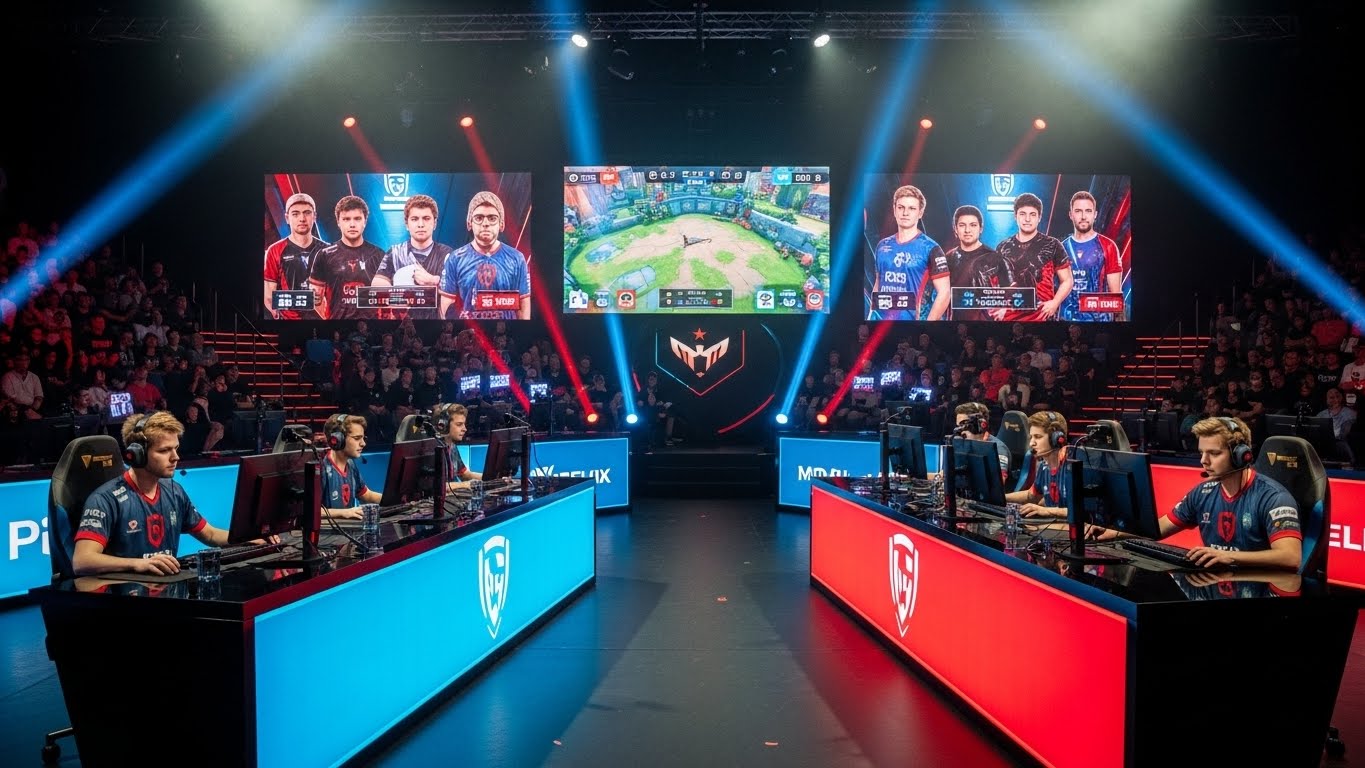
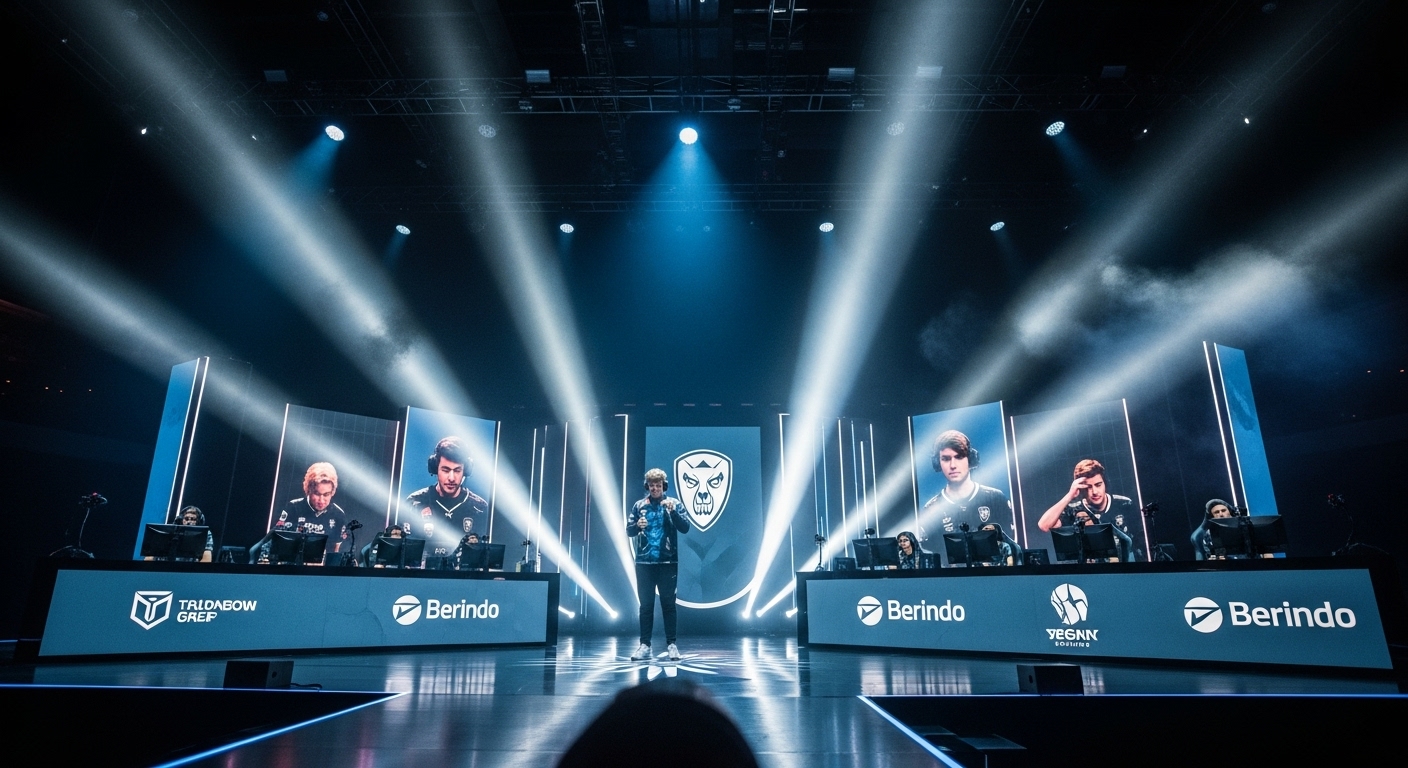
Esports, short for electronic sports, has evolved from a niche activity into a mainstream global phenomenon. What was once a pastime for a select group of gamers has blossomed into a multi-billion-dollar industry that attracts millions of fans worldwide. In this blog post, we will explore the growth of esports, the rise of professional gaming, the economic impact it has created, and what the future holds for competitive gaming. Whether you’re a seasoned fan or new to the world of esports, there’s no denying the incredible impact it has made on the entertainment landscape.
What is Esports?
Esports refers to organized, multiplayer video game competitions, particularly between professional players, individually or as teams. These competitions are typically centered around popular video games in a variety of genres, including first-person shooters (FPS), multiplayer online battle arena (MOBA) games, real-time strategy (RTS), and sports simulation games. Esports events often feature high-stakes tournaments with significant prize pools, attracting top players from around the globe.
The difference between casual gaming and esports is stark. Casual gamers may play for fun or relaxation, but esports athletes—who dedicate countless hours honing their skills—compete for glory, fame, and substantial financial rewards. Esports players and teams train like traditional athletes, practicing strategies, perfecting mechanics, and studying their opponents to remain at the top of their game.
The Rise of Esports: A Brief History
The roots of esports can be traced back to the early days of multiplayer gaming. While the idea of competitive gaming began to take shape in the 1980s and 1990s, it wasn’t until the 2000s that esports truly began to blossom. One of the earliest major competitive gaming events was the Red Annihilation tournament for the first-person shooter Quake in 1997. The event attracted significant attention, drawing in players and fans alike, though esports remained relatively obscure in the mainstream.
In the early 2000s, South Korea became the epicenter of competitive gaming, especially with the popularity of the game StarCraft. With the rise of internet cafes and high-speed internet access, StarCraft tournaments were broadcast on TV, and dedicated esports organizations were formed. This led to the creation of the StarCraft World Championship Series, which became one of the first major esports leagues. Over time, other games, including Warcraft III, Counter-Strike, and League of Legends, began to grow their own competitive communities.
The real turning point came in the early 2010s when streaming platforms like Twitch made it easier than ever to watch live esports events. Suddenly, esports tournaments were no longer confined to physical locations—viewers from around the world could tune in to watch their favorite players and teams compete in real time.
Today, esports is a global industry, with professional players, teams, sponsorships, broadcasting deals, and massive audiences. Esports has found its place in the mainstream entertainment world, challenging traditional sports for viewership and popularity.
The Major Esports Games
One of the key elements behind the success of esports is the diversity of games that attract competitive players. Different genres appeal to different audiences, from fast-paced first-person shooters to strategic multiplayer games. Below are some of the major esports titles that have defined the industry:
1. League of Legends (LoL)
Released by Riot Games in 2009, League of Legends is one of the most popular and influential esports titles globally. It is a multiplayer online battle arena (MOBA) game where two teams of five players compete to destroy the enemy’s Nexus. With its deep strategic gameplay, engaging champions, and team-based coordination, LoL has become a fixture in the esports world. The annual League of Legends World Championship is one of the largest esports events, attracting millions of viewers and offering millions of dollars in prize money.
2. Dota 2
Dota 2, developed by Valve, is another highly competitive MOBA game with a loyal fanbase and large-scale tournaments. Known for its complexity and strategic depth, Dota 2 offers a rich experience for both players and viewers. The game’s most iconic event, The International, has consistently featured some of the largest esports prize pools, with the 2021 tournament offering a prize of over $40 million. The competitive nature of Dota 2 has made it one of the most-watched games in esports.
3. Counter-Strike: Global Offensive (CS:GO)
Counter-Strike: Global Offensive, or CS:GO, is one of the most popular first-person shooters (FPS) in the world. It pits two teams—terrorists and counter-terrorists—against each other in a variety of objective-based game modes. CS:GO has a long history in esports, dating back to its earlier iterations, and remains a mainstay in competitive gaming. The CS:GO Major Championships are some of the most prestigious tournaments in the FPS genre, with millions of viewers tuning in to watch the world’s best players compete.
4. Overwatch
Overwatch, developed by Blizzard Entertainment, is a team-based FPS that features colorful heroes with unique abilities. The game’s emphasis on teamwork, strategic play, and diverse characters has helped it carve out a niche in the esports scene. The Overwatch League, which launched in 2018, has brought professional Overwatch play to new heights, featuring teams from major cities worldwide. With its fast-paced action and distinct character design, Overwatch has become a fan-favorite in esports.
5. Fortnite
While Fortnite is often considered more of a battle royale game than a traditional esport, it has played a major role in shaping the current esports landscape. Developed by Epic Games, Fortnite took the gaming world by storm upon its release in 2017. The game’s battle royale mode, in which 100 players compete to be the last one standing, quickly became a phenomenon. Fortnite’s competitive scene has introduced innovative formats and massive prize pools, with the Fortnite World Cup offering a $30 million prize pool in 2019. The game’s unique combination of building mechanics and shooting creates an exciting and unpredictable experience for players and viewers alike.
The Esports Ecosystem: Teams, Players, and Tournaments
Esports isn’t just about the games themselves—it’s also about the players, teams, and tournaments that bring the competition to life. Professional players dedicate countless hours to training, improving their skills, and competing in high-stakes events. These players often have a fan following, with supporters who tune in to watch their performances and cheer them on.
Esports teams are structured similarly to traditional sports teams, with organizations sponsoring players, offering coaching, and providing resources to help players succeed. Some of the biggest esports organizations include Team Liquid, Cloud9, and T1. These teams participate in major tournaments and leagues and often have players representing them in multiple games.
Tournaments play a central role in the esports ecosystem. Major events like The International for Dota 2, the League of Legends World Championship, and the CS:GO Major Championships are global spectacles that draw millions of viewers. These events are typically held at large arenas or stadiums, with live audiences, commentators, and production teams working to deliver a professional broadcast. The prize pools for these tournaments can reach into the millions, making them some of the most lucrative competitions in the world.
The Economic Impact of Esports
Esports is a rapidly growing industry that generates significant revenue. According to a report from Newzoo, the global esports market is expected to surpass $1 billion in revenue by 2023. The industry’s revenue streams come from a variety of sources, including advertising, sponsorships, media rights, ticket sales, and merchandise.
One of the biggest contributors to the financial success of esports is sponsorship. Major companies from a variety of industries, including technology, energy drinks, and automotive, have invested heavily in esports. Brands like Red Bull, Intel, Coca-Cola, and Nissan sponsor teams, players, and tournaments, helping to fund the production of events and promote their products to a young, engaged audience.
Streaming platforms like Twitch and YouTube Gaming also play a significant role in generating revenue for the esports ecosystem. These platforms allow fans to watch esports competitions live and interact with streamers and players. In addition, the rise of content creators who stream their gameplay has led to a new form of influencer marketing, where brands partner with top streamers to promote products to their loyal followers.
The success of esports has also led to the development of college and university programs that offer scholarships for competitive gaming. Several schools now offer full or partial scholarships to students who are skilled esports players, providing them with an opportunity to pursue higher education while continuing their gaming careers.
The Future of Esports: What’s Next?
The future of esports looks incredibly bright, with the industry expected to continue growing in both size and influence. New technologies, such as virtual reality (VR) and augmented reality (AR), could have a significant impact on how esports are played and consumed. Imagine competing in a fully immersive VR tournament or watching an esports match from a 360-degree perspective. These advancements in technology could transform the way fans interact with esports and create even more engaging experiences.
Additionally, as esports continues to expand, we may see greater integration with traditional sports. In fact, some professional sports organizations, including the NBA and NFL, have already invested in esports teams and leagues. The blending of traditional sports and esports could open new opportunities for cross-promotion, sponsorship, and collaboration.
Finally, the growing popularity of esports in regions outside of North America, Europe, and East Asia signals a global expansion of the industry. Countries in South America, Africa,