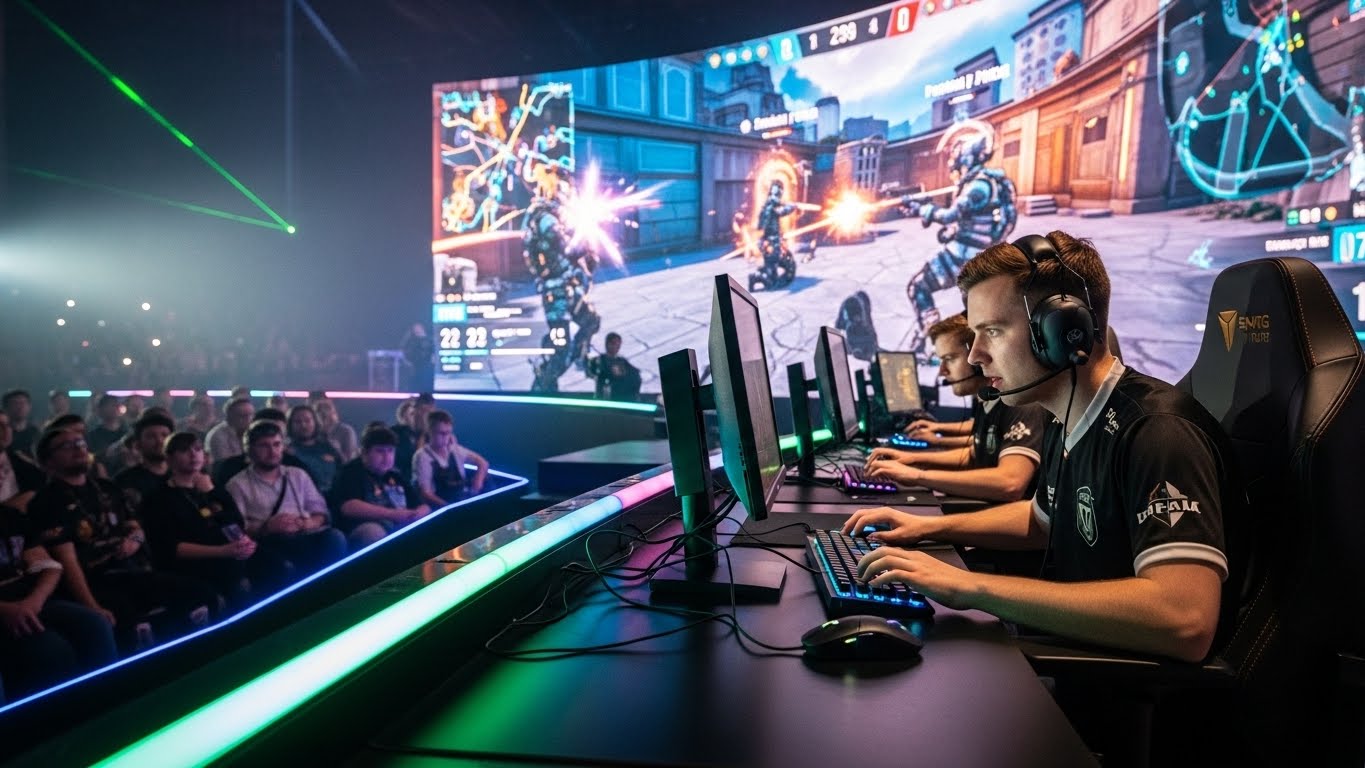
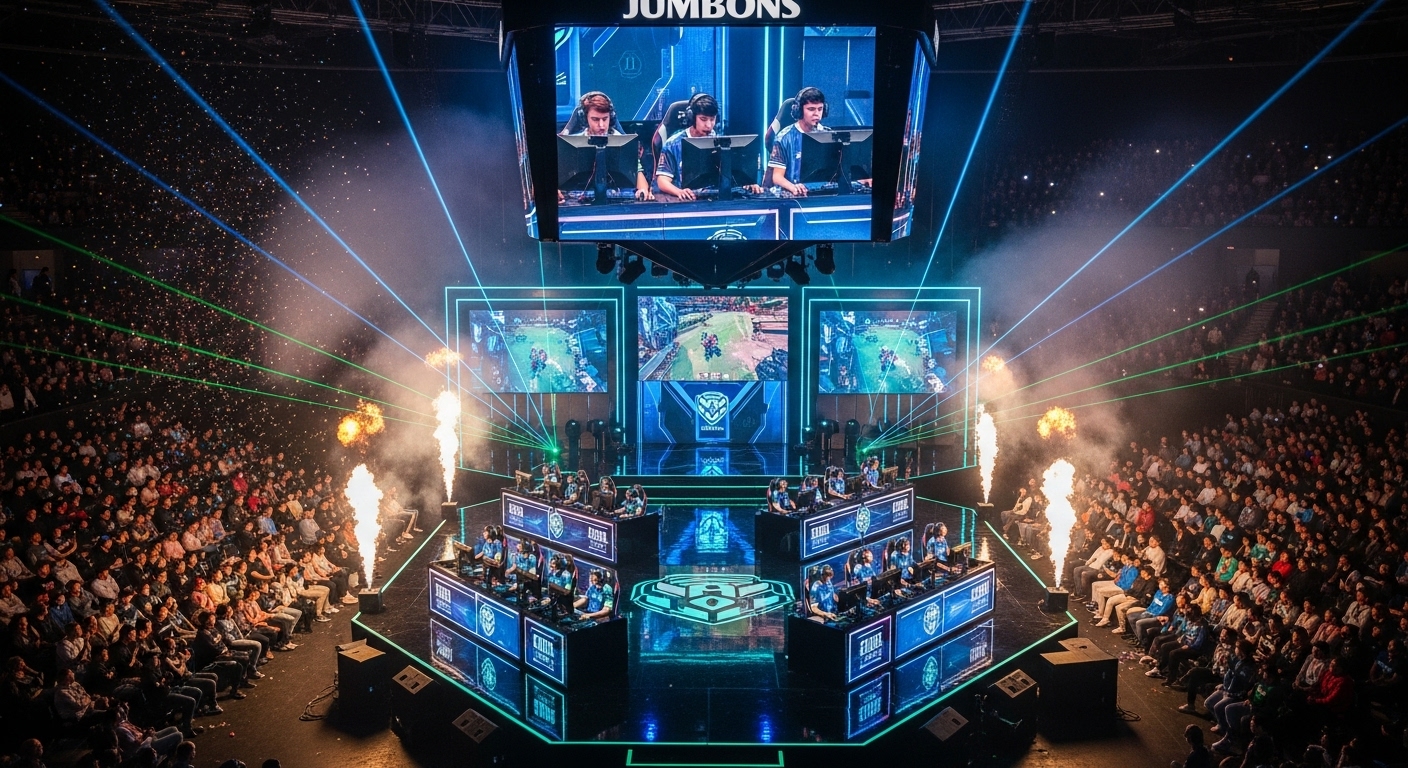
Esports, or electronic sports, has rapidly transformed from a niche hobby into a global phenomenon. Over the past two decades, competitive gaming has gained recognition not just as a form of entertainment but also as a legitimate profession, a cultural movement, and a major economic driver. The growth of Esports reflects a convergence of technology, social interaction, and a deep passion for gaming, and it continues to reshape the landscape of modern sports and entertainment.
Understanding Esports: More Than Just Gaming
At its core, Esports is organized, competitive video gaming where players or teams compete for supremacy in specific games. Unlike casual gaming, Esports requires strategy, teamwork, and highly refined skills. Players spend countless hours honing their abilities, analyzing opponents, and perfecting their gameplay, often dedicating their entire lives to mastering a single game or genre.
The world of Esports encompasses a wide variety of game genres, including multiplayer online battle arenas (MOBAs) like League of Legends, first-person shooters (FPS) like Counter-Strike: Global Offensive, battle royale games such as Fortnite, and real-time strategy (RTS) games like StarCraft. Each genre demands a unique combination of reflexes, strategic thinking, and teamwork, making the competitive scene incredibly diverse.
A Historical Overview: From LAN Parties to Global Tournaments
Esports has a surprisingly long history that predates mainstream recognition. The first recorded video game competition took place in 1972 at Stanford University, where students competed in the game Spacewar!. While rudimentary by today’s standards, this marked the beginning of competitive gaming culture.
The 1980s and 1990s saw the rise of arcade competitions and early home console tournaments. Games like Pac-Man, Street Fighter, and Mortal Kombat became staples of competitive play. During this period, gaming was largely seen as a hobby, and professional players were rare. However, the growth of the internet in the late 1990s and early 2000s laid the groundwork for online tournaments and the emergence of dedicated Esports leagues.
In the 2000s, titles such as StarCraft in South Korea and Counter-Strike in Europe helped cement Esports as a legitimate competitive endeavor. South Korea, in particular, played a pivotal role by introducing professional leagues, television broadcasts, and corporate sponsorships, creating a structured ecosystem for players and fans alike.
Esports as a Career: The Life of a Professional Gamer
For many, Esports is no longer a pastime but a serious career. Professional players dedicate themselves to rigorous training schedules, sometimes practicing for ten to twelve hours a day. They must maintain peak mental and physical condition, as split-second decisions and reaction times can determine the outcome of a match.
Professional Esports players often join teams sponsored by major corporations, with contracts offering salaries, performance bonuses, and endorsement deals. The competitive scene includes a range of roles: players, coaches, analysts, commentators, and managers. Esports has created a multifaceted career ecosystem that goes beyond playing the games themselves.
However, the path to becoming a professional is not easy. Competition is fierce, and the lifespan of a professional gamer can be relatively short due to burnout, declining reaction times, or changes in game meta. Despite these challenges, many players find the rewards—both financial and personal—worth the dedication.
The Global Impact of Esports
Esports has evolved into a global cultural phenomenon. Major tournaments now draw audiences in the millions, rivaling traditional sports events in viewership. Events like The International for Dota 2, the League of Legends World Championship, and the Fortnite World Cup have become cultural landmarks, showcasing not just the games but the stories, rivalries, and personalities of players.
The economic impact of Esports is staggering. Revenues from sponsorships, merchandise, ticket sales, media rights, and streaming platforms have reached billions of dollars annually. Major corporations invest heavily in teams, tournaments, and Esports infrastructure, recognizing the marketing potential and global reach of the industry.
Esports has also had a profound social impact. It has fostered inclusive communities where individuals from diverse backgrounds can connect, compete, and collaborate. Online streaming platforms like Twitch and YouTube Gaming have transformed the way fans interact with content, creating opportunities for social engagement, content creation, and personal branding.
Esports and Technology: Driving Innovation
The growth of Esports is inseparable from advances in technology. High-speed internet, powerful gaming hardware, and sophisticated streaming platforms have made competitive gaming accessible to millions worldwide. Virtual reality (VR) and augmented reality (AR) are beginning to push the boundaries of immersion, while AI-driven analytics tools help players and coaches refine strategies and improve performance.
Streaming technology has been particularly transformative. It allows fans to watch live matches in real-time, interact with players, and participate in community events. Platforms that support live chat, donations, and subscriptions have created new revenue streams and redefined the fan experience.
Major Esports Titles and Competitive Landscapes
Different games create different competitive ecosystems. MOBAs like League of Legends and Dota 2 rely on team coordination, strategic planning, and in-depth knowledge of game mechanics. FPS games such as Counter-Strike and Valorant emphasize reflexes, positioning, and tactical execution. Each game requires a unique blend of skill, strategy, and adaptability, giving rise to specialized leagues, tournaments, and training regimens.
Some Esports titles are evergreen, maintaining large player bases and active competitive scenes for decades. Others rise and fall quickly, reflecting changes in player preferences, developer support, or cultural trends. The competitive landscape is dynamic, with new games constantly emerging and reshaping the Esports ecosystem.
The Role of Esports Organizations
Esports organizations play a critical role in professionalizing the industry. They recruit talented players, provide training facilities, secure sponsorship deals, and manage logistics for international competitions. Organizations also cultivate brand identity and fan loyalty, creating narratives that extend beyond individual matches.
Many organizations operate like traditional sports franchises, investing in infrastructure, coaching, analytics, and marketing. Their ability to nurture talent and create sustainable business models has been crucial in elevating Esports to mainstream recognition.
The Spectator Experience: More Than Just Watching
One of the defining features of Esports is its emphasis on spectatorship. Fans engage with Esports through live streams, highlight reels, commentary, and analysis. The spectator experience is highly interactive, with chat features, polls, and real-time stats enhancing engagement.
Unlike traditional sports, Esports spectators can often access behind-the-scenes content, tutorials, and player streams, creating a deeper sense of connection. The integration of social media further amplifies fan engagement, allowing communities to form, share content, and celebrate competitive achievements.
Esports Education and Training
As Esports grows, so too does the focus on education and training. Academic institutions now offer programs in Esports management, game design, and performance analysis. Specialized training centers provide coaching, mental health support, and physical conditioning for players seeking professional careers.
This structured approach has elevated Esports from a hobbyist activity to a disciplined field requiring technical, strategic, and interpersonal skills. It also underscores the recognition of Esports as a legitimate form of competition, comparable in rigor and professionalism to traditional sports.
Challenges and Controversies in Esports
Despite its growth, Esports faces a range of challenges. Issues like player burnout, mental health, cheating, and toxic behavior in gaming communities can undermine the competitive experience. Financial instability and short career spans pose additional risks for professional players and organizations.
Moreover, regulatory frameworks for Esports are still developing. Questions around labor rights, intellectual property, gambling, and doping require careful attention to ensure the industry’s sustainability and integrity.
The Future of Esports: Endless Possibilities
Looking ahead, Esports shows no signs of slowing down. Emerging technologies like cloud gaming, AI coaching, and immersive VR experiences promise to redefine how players and fans interact with games. International tournaments are likely to expand, reaching new audiences and creating unprecedented opportunities for global collaboration.
Esports will continue to blur the line between traditional sports, entertainment, and digital culture. As more people embrace gaming as a legitimate and respected pursuit, Esports will cement its place as a defining feature of modern entertainment.
Conclusion: Esports as a Cultural Phenomenon
Esports is more than just competitive gaming; it is a cultural, economic, and social movement that continues to transform the way we interact with technology, entertainment, and each other. From its humble beginnings in arcade halls and LAN parties to its current status as a global industry, Esports exemplifies the power of passion, skill, and innovation.
As Esports evolves, it offers opportunities for players, organizations, fans, and creators alike. Its influence extends beyond the digital realm, shaping media, education, and international collaboration. In every sense, Esports represents the future of competitive entertainment—a world where digital prowess, creativity, and community converge to create something extraordinary.